
Population data showing roughly a 20% drop in dementia diagnoses among shingles-vaccinated groups highlights a striking new intersection between immune control and cognitive aging.
The word dementia strikes fear precisely because it has long felt unstoppable. Families witness memory fade while medicine offers little ability to halt the process. Lifestyle advice circulates endlessly, yet meaningful prevention has remained elusive. So when researchers reported lower dementia rates among people who received the shingles vaccine, public attention surged. Could a routine immunization designed to prevent a painful illness also influence the health of the brain itself?
The premise is striking in its simplicity and deeply hopeful in implication. It suggests the immune system may play a far greater role in long term brain protection than previously recognized. While science moves carefully before drawing conclusions, this growing body of research challenges the belief that little can be done to interrupt dementia before it begins and opens a new window into how infection, immunity, and neurodegeneration may intersect.
Inside the Natural Comparison Study

Much vaccination research struggles with bias because healthier individuals are more likely to seek preventive care. In this case, researchers examined a unique real world scenario that minimized this effect. In Wales, shingles vaccine eligibility was based solely on birth year. Individuals born before a certain cutoff were eligible while those born just months earlier were not. These two populations were nearly identical in education levels, income, healthcare access, and social factors.
Over the following years, scientists tracked dementia diagnoses across both groups. A consistent pattern emerged. Individuals eligible for vaccination developed dementia at lower rates than those who were not eligible. The difference remained stable across multiple analytical models. The decline in dementia risk fell around twenty percent across the vaccinated population.
What made these findings particularly compelling was not only the magnitude of risk reduction but the design itself. Eligibility rules provided a rare opportunity to compare two demographically similar groups in conditions nearly approximating randomized assignment.
Observed Effects on Dementia Progression
An even more unexpected discovery involved outcomes among people already diagnosed with dementia. Those who had received shingles vaccination prior to or during disease onset showed improved survival and slower progression of cognitive decline. Although the vaccine did not reverse dementia, postponing deterioration of memory, speech, and independence by even small increments carries enormous significance for families.
Extended functional ability reduces caregiver burden, delays residential care placement, and preserves quality of life. Small shifts across millions of households translate into meaningful human and economic benefits.
Why a Skin Virus May Affect Brain Health
Herpes zoster remains dormant in nerve tissue decades after childhood chickenpox infections. As immune defenses weaken with age, the virus may reactivate and travel along nerve pathways causing shingles outbreaks. Increasing evidence suggests these viral reactivations generate prolonged inflammation not only in peripheral nerves but potentially within regions closely connected to the central nervous system.
In the brain, chronic inflammation damages synaptic connections that allow communication between neurons. Activated microglia respond aggressively to viral activity, and over time this sustained immune response may contribute to progressive neurodegeneration.
Preventing viral reactivation through vaccination likely limits inflammatory cascades, reducing chronic immune stress on brain structures. This may create an environment better able to preserve cognitive integrity.
Immunity Beyond Infection Prevention
Researchers are also exploring whether vaccines exert beneficial immune calibration effects independent of pathogen blocking. Vaccination may encourage balanced immune responses in older adults whose immune systems often become dysregulated with age. Instead of under responding to real threats and overreacting with chronic inflammation, vaccines may support more targeted immune moderation that indirectly protects neural tissue.
Understanding whether vaccines provide active neuroprotective modulation remains an active research frontier.
A New Framework for Dementia Prevention
Historically dementia prevention advice emphasized lifestyle strategies including cardiovascular management, exercise, nutritious diet, sleep hygiene, intellectual stimulation, sensory engagement, and social connection. While evidenced to support brain health, these measures individually tend to reduce risk modestly.
Population wide interventions capable of shifting dementia prevalence significantly have been lacking. Vaccination introduces the possibility of scalable prevention. If validated by randomized trials, routine immunization could influence dementia incidence across entire aging populations.
This represents a paradigm shift. Instead of responding to dementia primarily through treatment, earlier immune intervention might reduce cases before they ever develop.
Remaining Scientific Unknowns
Despite encouraging signals, caution remains necessary. Observational studies do not prove causation. Confounding variables such as genetic vulnerability, infection history, healthcare adherence differences, and social factors may still influence outcomes in ways not fully captured.
Further uncertainty surrounds vaccine formulations. The population data largely reflect effects from earlier shingles vaccines rather than exclusively newer versions. Scientists must confirm whether the currently administered formulations offer equal neurological protection.
Additionally, the ideal age for vaccination relative to dementia prevention remains unclear. Whether vaccination earlier in adulthood yields greater protection than later dosing requires investigation.
What Individuals Should Consider Today
Shingles vaccination continues to be recommended for its established benefits in preventing painful infections and post viral nerve syndromes. Any cognitive benefit remains secondary and not an officially approved indication.
Individuals should view vaccination as one part of comprehensive brain health maintenance rather than a guaranteed protective tool. Regular physical activity, blood pressure management, diabetes care, hearing loss treatment, sleep stability, and rich social interaction remain foundational.
No vaccine fully offsets risks created by unaddressed cardiovascular disease, chronic isolation, or severe metabolic illness.
The Caregiver Perspective
For families caring for loved ones with dementia, prevention research carries deeply emotional weight. Caregivers often struggle with helplessness as they observe cognitive decline advancing without medical recourse.
Findings suggesting slowed progression resonate powerfully. Even a small extension of clarity allows additional time for meaningful conversation, personal autonomy, and emotional closure.
Potential preventive measures also offer caregivers reassurance that future generations may face lower dementia burdens than those currently living with the disease.
Public Health Implications
If causality is confirmed, shingles vaccination could become one of the most cost effective dementia risk reduction tools available. Broad vaccine adoption could reduce national healthcare costs, institutional care needs, and family caregiving strain.
Health systems might integrate immunization strategies into geriatric cognitive health programs. Public education could increasingly frame vaccines as instruments of long term brain preservation.
However, policy shifts must await randomized trial confirmation and rigorous economic modeling to ensure benefits justify widespread implementation at scale.
The Next Era of Brain Health

The link between shingles vaccination and dementia encourages a broader reframing of brain aging. Cognitive decline may not stem exclusively from neuron vulnerability but from the complex interactions between immune dysregulation, viral exposure, inflammation, vascular health, and metabolic stability.
An integrated prevention model may evolve combining immune support, early chronic disease management, and psychosocial engagement strategies.
Vaccines targeting other pathogens linked to neuroinflammation could become part of expanded preventive protocols.
Final Reflection
What this evolving research fundamentally offers is not certainty but possibility. Dementia no longer appears as immutable as once believed. Instead, prevention pathways emerge where immune support plays a meaningful role in protecting memory and cognition.
The shingles vaccine link does not promise immunity from dementia. What it does provide is a shift away from fatalism toward moderated hope grounded in emerging science.
For families haunted by the specter of memory loss, that shift alone represents important progress, reminding us that innovation often begins with simple questions whose answers reshape entire fields of health care.
Doctors reveal the 5 vaccines no adult should skip
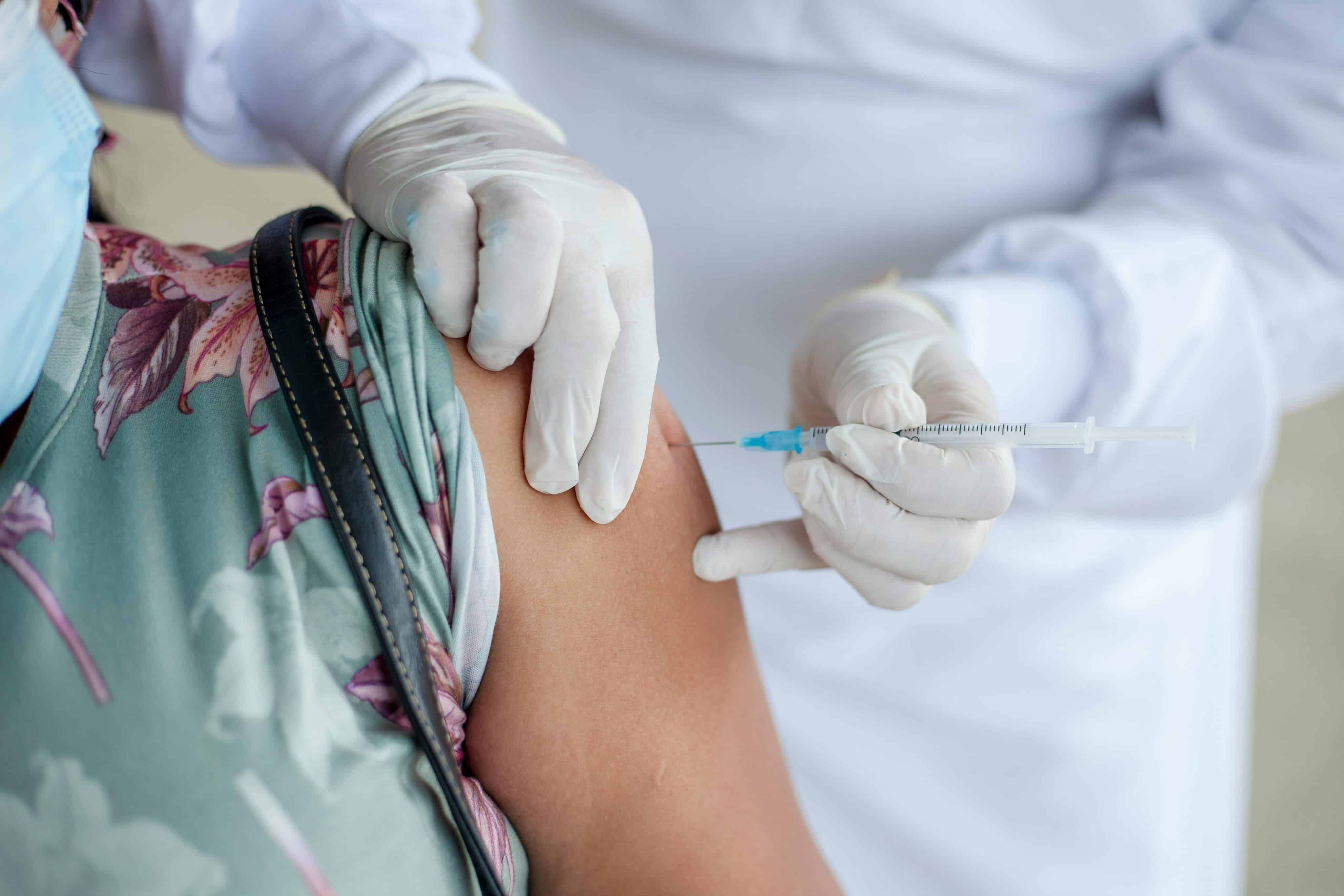
We think of childhood as the time for vaccines, yet it’s adulthood when our defenses weaken and protection matters most.
Remember when getting a shot felt like the worst part of your year? You’d get a lollipop afterward, but it was still a whole ordeal. Now that we’re adults, the stakes are a lot higher than a piece of candy — we’re talking about staying healthy enough to avoid serious, life-interrupting illnesses. A few quick jabs suddenly seem like a pretty good trade-off. Learn more.