

We think of childhood as the time for vaccines, yet it’s adulthood when our defenses weaken and protection matters most.
Remember when getting a shot felt like the worst part of your year? You’d get a lollipop afterward, but it was still a whole ordeal. Now that we’re adults, the stakes are a lot higher than a piece of candy — we’re talking about staying healthy enough to avoid serious, life-interrupting illnesses. A few quick jabs suddenly seem like a pretty good trade-off.
Yet, according to the CDC’s 2022 National Health Interview Survey, only 22.8% of U.S. adults age 19 and older are fully up to date on the vaccines recommended for them. That means most of us are missing at least one important shot.
I used to think vaccines were just a “kid thing.” Once you hit adulthood, you’re good to go, right? Well, not exactly. After talking with a few medical experts and doing some research, I learned there are five vaccines doctors strongly recommend for every adult. Let’s take a look at what they are — and why they matter.
Why the flu shot is a yearly must

Every year, like clockwork, the flu shot debate pops up. Some people swear by it, others skip it. But here’s the thing: the flu is more than just a bad cold. It can land you in the hospital, and for some, it can be deadly. According to CDC estimates, the 2022–2023 flu season in the U.S. resulted in roughly 360,000 hospitalizations and about 21,000 deaths. Yikes.
Getting the flu shot is your best defense. For adults 65 and older, it reduces the risk of a flu-related hospital stay by about 35-45%. It also cuts the risk of ending up in the ICU by almost half. Even if you do get sick, the vaccine often makes the illness much milder. So, is a quick pinch in the arm worth avoiding a serious respiratory infection? IMO, absolutely.
Keeping up with COVID-19 boosters

Ah, COVID-19. When we think we’re done discussing it, a new variant emerges. The virus continues to evolve, and our immunity can wane over time. That’s why updated booster shots are still part of the conversation. Health experts recommend staying current with boosters to protect against the newest strains of the virus.
Think of it this way: you update the software on your phone. Updated boosters are like a software update for your immune system. According to the CDC, the 2023–2024 updated COVID-19 vaccines lowered the risk of hospitalization among older adults by about 50% during the first two months after vaccination. Their protection gradually declines over the next four to six months. For older adults or those with chronic health conditions, the protection is even more critical. It’s a simple step that could keep you out of the hospital.
The TDaP/Td shot: Not just for tetanus
When was the last time you thought about tetanus, diphtheria, or whooping cough? Probably not recently, and that’s thanks to vaccines. The Tdap/Td vaccine is the one that keeps these nasty diseases at bay. Adults should receive a Tdap shot once, followed by a Td booster every ten years to maintain protection.
Tetanus is rare but serious, with about 30 cases reported each year, mostly in unvaccinated adults. Diphtheria is also rare in the U.S., but travelers can bring it in. The primary concern here is pertussis, also known as whooping cough. It can make adults miserable for weeks and is incredibly dangerous for babies. Getting your Tdap booster protects you and the little ones around you who are too young to be fully vaccinated.
Pneumococcal vaccines: Your shield against pneumonia
Pneumonia is no joke, especially for older adults. Pneumococcal vaccines protect against Streptococcus pneumoniae, a bacterium that causes pneumonia, meningitis, and sepsis. In 2021, over 150,000 Americans were hospitalized for pneumococcal pneumonia. For older adults, about one in 20 of those cases was fatal.
Doctors strongly recommend these vaccines for anyone over 65. They also suggest them for adults with chronic health issues like heart disease, diabetes, or lung conditions, as well as smokers. Studies show that getting the shot can reduce your risk of being hospitalized by about 50%. It also cuts the rate of more invasive diseases by over 80% in seniors. That’s a pretty good reason to roll up your sleeve.
Shingles vaccine: Avoiding a painful rash
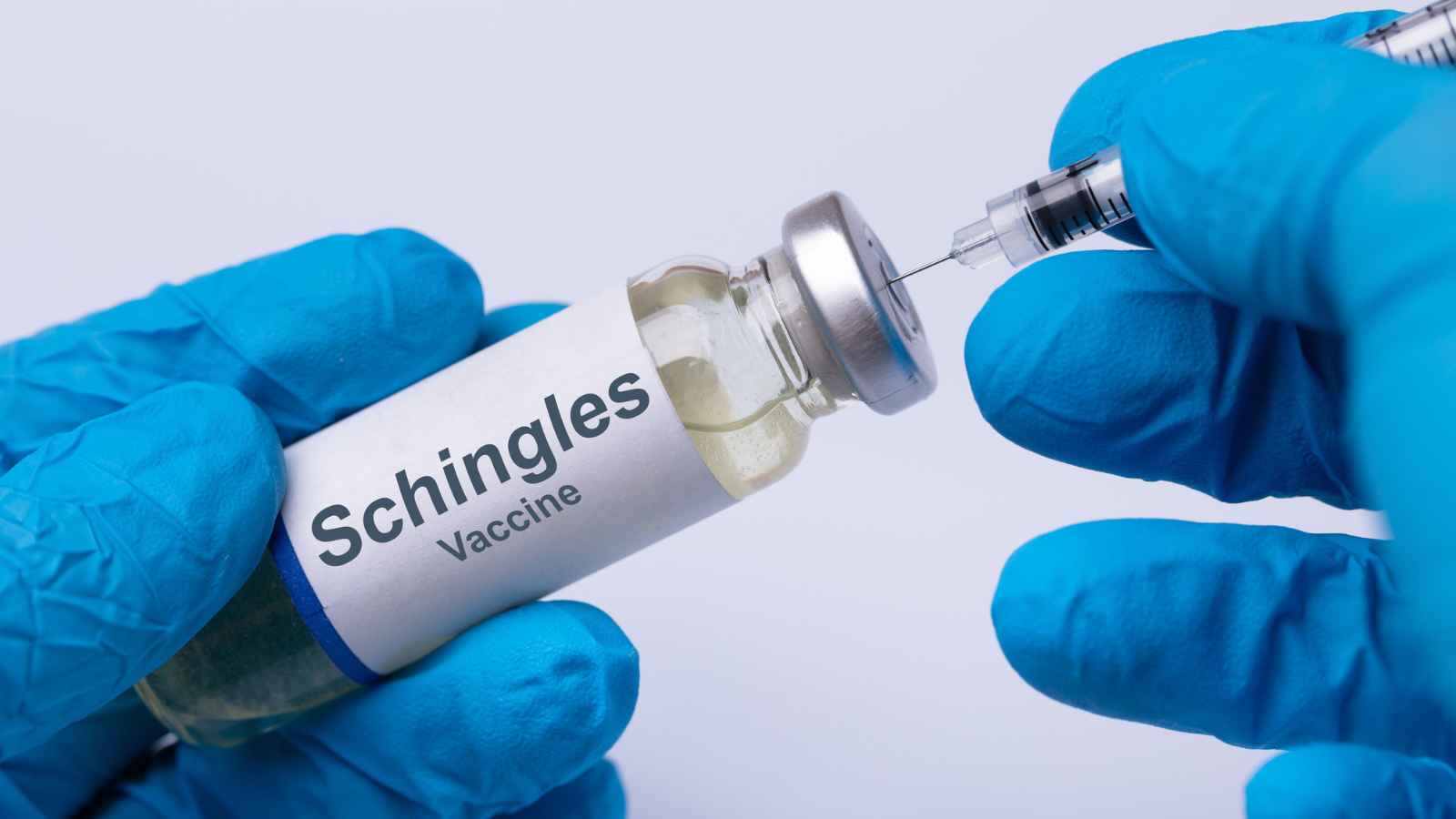
If you’ve ever known someone who’s had shingles, you know it’s something you want to avoid. Shingles is a painful rash caused by the same virus that causes chickenpox. The risk goes up as you get older, and about one in three adults will get it in their lifetime.
The good news is that the Shingrix vaccine is over 90% effective at preventing shingles. It’s recommended for everyone over 50, even if you’ve already had chickenpox or a mild case of shingles. The vaccine also reduces the risk of postherpetic neuralgia, a persistent nerve pain that can develop after a shingles outbreak. Hospitalizations for shingles drop by nearly two-thirds among vaccinated adults.
Your questions, answered
How does age change vaccine needs?
As we age, our immune systems can weaken, making us more susceptible to certain infections. That’s why recommendations change. For example, shingles and pneumococcal vaccines are typically recommended for adults over 50 and 65, respectively, because that’s when the risk for these diseases really starts to increase.
Younger adults might not need them yet, but they need to keep up with others like the Td booster. It’s all about getting the proper protection at the right time.
What if I have a medical condition?
Specific health issues can increase your risk of infections. If you have a condition like diabetes, heart disease, or a weakened immune system from cancer treatment, your doctor will likely have a specific vaccine schedule for you.
These conditions make it more difficult for your body to fight off illnesses. Vaccines give your immune system the boost it needs. Always consult your doctor to determine the best course of action for your specific situation.
I missed some shots as a kid. Now what?
It’s never too late to catch up. If you missed out on childhood vaccines like MMR (measles, mumps, rubella), varicella (chickenpox), or hepatitis B, you can still get them as an adult.
Your doctor can help you figure out which shots you need to close any gaps in your protection. It’s a straightforward way to make sure you’re covered.
Are booster shots really that important?
Yes, they are. Think of immunity as a battery that slowly loses its charge. Booster shots are how you recharge it. They remind your immune system how to fight off specific germs.
For vaccines like Td, a booster is recommended every ten years. For others, like COVID-19, the schedule changes as new variants emerge. Staying up to date with boosters is key to long-term protection.
Are these vaccines safe?
Vaccines approved in the United States go through rigorous safety testing. Most side effects are mild and short-lived, like a sore arm or feeling a bit tired for a day or two.
Severe reactions are infrequent. The benefits of preventing a serious disease almost always outweigh the small risks associated with the vaccine.
Protect yourself and your community
Getting vaccinated isn’t just about protecting yourself; it’s also about protecting others. It’s also about protecting the people around you. When enough people in a community are immunized, it creates a phenomenon known as herd immunity. This helps protect the most vulnerable among us, including infants, the elderly, and individuals with weakened immune systems.
So, next time you’re at the doctor’s office, ask about your vaccine status. It’s a simple action that has a massive impact on your health and the health of your community. It’s definitely worth more than a lollipop.
Disclaimer – This list is solely the author’s opinion based on research and publicly available information. It is not intended to be professional advice.
How Total Beginners Are Building Wealth Fast in 2025—No Experience Needed

How Total Beginners Are Building Wealth Fast in 2025
I used to think investing was something you did after you were already rich. Like, you needed $10,000 in a suit pocket and a guy named Chad at some fancy firm who knew how to “diversify your portfolio.” Meanwhile, I was just trying to figure out how to stretch $43 to payday.
But a lot has changed. And fast. In 2025, building wealth doesn’t require a finance degree—or even a lot of money. The tools are simpler. The entry points are lower. And believe it or not, total beginners are stacking wins just by starting small and staying consistent.
Click here, and let’s break down how.
12 Kitchen Hacks You May Not Know

12 Kitchen Hacks You May Not Know
Sometimes, preparing meals and dealing with food can feel like a bore and a chore – or just plain frustrating. We’ve got the best food hacks to pass down to you, helping you get in and out of the kitchen quickly. Not more drudgery, and dare we say it, some of these hacks are fun. Save money, too. Win-win!
Do you have a kitchen hack we should be aware of?