

Every ten seconds, someone dies in the United States. It happens so often that we rarely stop to think about what actually happens next.
Most of us know the obvious: the heart stops, breathing ends, and life is over. But beneath the surface, the body follows a remarkably precise biological timeline. Within minutes, cells begin changing. Within hours, muscles stiffen, body temperature falls, and forensic clues begin quietly appearing. Days later, an entirely different set of natural processes takes over.
Scientists have spent decades studying these changes, not because they’re morbid, but because they reveal just how extraordinary the human body remains—even after life has ended. Here are 15 surprising things that happen after death that most people never learn about.
The body temperature begins to drop
Within the first few hours, your body begins to lose heat, a process known as algor mortis. It typically cools at a rate of approximately 1.5 degrees Fahrenheit per hour until it reaches the surrounding environment’s temperature.
That’s why forensic experts can often estimate the time of death by checking the temperature. This gradual cooling is one of the earliest noticeable changes. It’s quiet and invisible, but it sets the stage for everything else to come.
Muscles become stiff
Rigor mortis is the famous stiffening that begins a few hours after death. It occurs when calcium builds up in the muscles, causing them to become locked in place. The process typically begins in the smaller muscles, such as the eyelids and jaw, before spreading to the rest of the body.
After about 24–48 hours, the stiffness begins to fade as tissues start to break down. It’s one of those eerie reminders that biology runs on a schedule, even when life itself has ended.
Fluids begin to release
As tissues break down and pressure builds within the body, fluids eventually escape. This usually happens through natural openings or from the skin itself as it softens. For those who work in medical or forensic settings, it’s a very normal part of the process.
It can begin within a few days after death, depending on temperature and environment. While it may sound unsettling, it’s simply another way the body returns its elements to the world around it.
Skin begins to pale
Without blood circulating, skin quickly loses its natural warmth and color. This is known as pallor mortis, and it can occur within 15–30 minutes after death. Doctors and investigators often use it as another clue for timing.
The skin takes on a pale, waxy appearance that feels distinctly different from being merely tired or sick. It’s subtle, but unmistakable once you’ve seen it.
The body may release sounds
Here’s one people rarely talk about: sometimes, the body lets out unexpected noises. It’s not spooky—it’s just air escaping from the lungs or intestines. Caregivers and first responders often note groans, sighs, or gurgles in the hours immediately following death.
It can be startling, but it’s simply biology at work. In a way, it’s another reminder of how much our bodies hold on to.
Blood settles in lower parts of the body
Gravity still has its say even after life comes to an end. Blood pools in the lowest areas of the body, causing purplish-red patches called livor mortis. This usually becomes visible within a few hours and can shift if the body is moved early on.
After a while, though, the marks become fixed in place. It’s a strange but reliable indicator for forensic teams piecing together timelines.
Cells begin breaking down
The moment oxygen stops flowing, cells start their own decline. Enzymes inside them begin digesting cell walls, which eventually leads to tissue breakdown.
Scientists refer to this process as autolysis, and it forms the foundation for decomposition. It starts small and invisible, but it’s one of the most important steps in the whole process.
A stillness takes over the eyes
Eyes are surprisingly telling after death. Without moisture and circulation, the cornea clouds over within a few hours. In some cases, a thin film forms, giving the eyes a glassy look.
If the eyelids were left open, the effect would be more noticeable. Investigators sometimes use this method to narrow down the time of death.
Skin may start to tighten
As moisture leaves the body, skin begins to contract. This shrinking effect can make fingernails and hair look longer, even though they’re not actually growing.
It’s an optical illusion caused by the skin pulling back. People have passed down this idea of “hair growing after death” for generations, but it’s really just the body adjusting in small, subtle ways.
Bacteria get to work
The trillions of bacteria that live in your gut during life don’t stop once you do. Without an immune system to keep them in check, they spread quickly.
They start breaking down tissues, releasing gases that can cause bloating. This is part of the natural decomposition process, which typically occurs within a couple of days. It’s messy, but it’s also how nature recycles us.
Bloating can set in
As gases produced by bacteria accumulate, the body may swell. This is often most visible in the abdomen but can also affect other areas. It typically begins a couple of days after death and can be quite dramatic.
Save this article
Eventually, the pressure releases, allowing decomposition to continue. It’s one of those changes that seems shocking but is completely natural.
A distinct odor develops
As those gases and compounds accumulate, a distinct and recognizable smell emerges. Scientists have identified over 400 different chemical compounds involved in the “scent of death.”
It’s strong, unforgettable, and used by specialized cadaver dogs to locate remains. While unsettling, it’s just another step in the body’s natural changes. Forensic experts can even use the odor to gauge the extent of decomposition.
Skin color shifts again
Beyond the initial pallor, the skin undergoes more dramatic changes in the days following death. It can turn greenish in the abdomen as bacteria spread, then darker as tissues break down further.
These color shifts are another forensic marker, helping specialists understand the timeline. It’s not instant—it unfolds gradually, often surprising those who see it firsthand. The body becomes a canvas of biology at work.
Insects may arrive
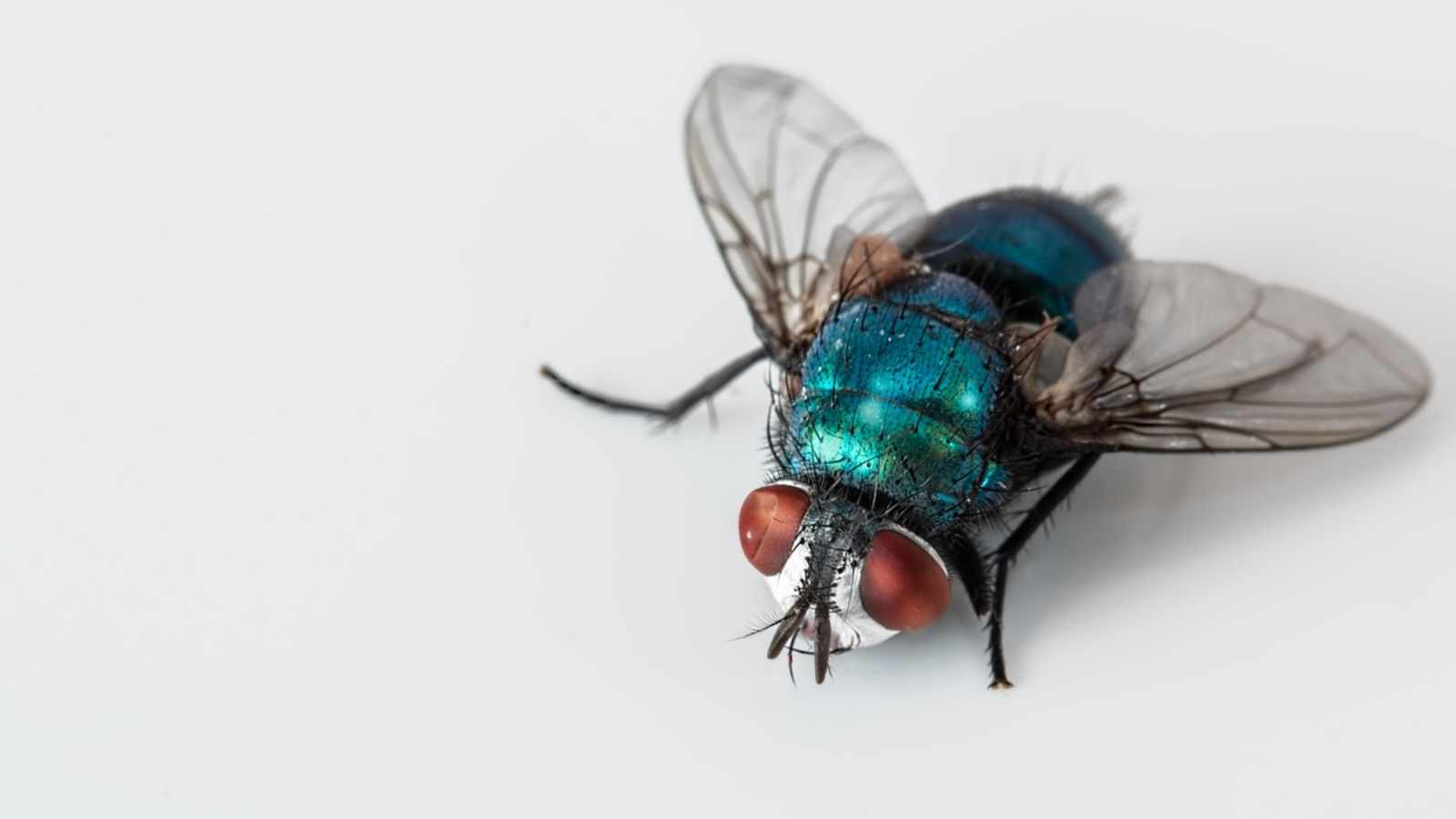
Flies, particularly blowflies, are often the first visitors. They can detect the scent of decomposition within minutes and lay eggs that hatch into larvae. These larvae, or maggots, then play a huge role in breaking down soft tissue.
Entomologists even use insect development stages to help pinpoint the time of death. It may sound unsettling, but insects are a vital part of nature’s cleanup crew.
Bones outlast everything else
Long after tissues have broken down, bones remain. Depending on conditions, they can last hundreds or even thousands of years. Archaeologists have learned much of human history from this resilience.
While the body undergoes numerous transformations after death, bones are the final storytellers. They’re what remain when everything else has returned to the earth.
Key takeaways
The body follows a predictable timeline. Cooling (algor mortis), stiffening (rigor mortis), changes in skin color, and blood pooling (livor mortis) all occur within the first hours and days, providing forensic experts with clear markers.
Biology continues even after life stops. Cells break down through autolysis, bacteria spread unchecked, and gases build up—triggering bloating, odors, and visible shifts in appearance.
External changes tell a story. Clouded eyes, tightening skin, insect activity, and fluid release; each stage reflects the natural process of decomposition.
Bones are the final record. While soft tissues fade, bones endure for centuries or longer, preserving clues for archaeologists and scientists long after everything else has returned to the earth.
More articles:
- Forget Coding: These 14 Remote Jobs Now Rival Tech Salaries in 2026
- 12 ways Gen X accurately foresaw the future
- Why future generations will struggle more than ever
Fibonacci and the Future: How Ancient Math Powers Modern Technology

It’s wild to think that a math puzzle from the 1200s is now helping power AI, encryption, and the digital world we live in.
Every November 23, math lovers celebrate Fibonacci Day, a nod to the numerical sequence that begins 1, 1, 2, 3. At first glance, it seems like a simple progression. Each number is the sum of the two before it, creating a pattern that continues indefinitely. Yet this simple idea, first written down in 1202, has become a foundational principle across science, design, and technology. From digital encryption to artificial intelligence, the Fibonacci sequence is proof that even ancient math can power the modern world. Learn more.
Why Octopuses Could Hold the Key to Future Science and Medicine

On World Octopus Day, researchers are revealing how this blue-blooded marvel could unlock breakthroughs in robotics, medicine, and even our understanding of consciousness.
On October 8, World Octopus Day reminds us that some of the ocean’s most mysterious creatures are not just fascinating to watch, they may also shape the future of human science and medicine. With three hearts, blue blood, and an intelligence that rivals many mammals, octopuses are already rewriting what we thought we knew about invertebrates.But researchers are also finding that these animals could hold practical secrets that inspire new technologies, improve medicine, and even change how we think about consciousness. Here are ten areas where octopuses could influence our future in surprising ways. Learn more.
15 childhood behaviors that could signal future problems
Childhood is a journey filled with emotions and experiences, but certain behaviors can signal deeper challenges. The National Institutes of Health reports that the prevalence of mental, behavioral, and developmental disorders in children in the United States rose from 25.3% to 27.7% between 2016 and 2021. That means nearly one in four children is grappling with issues such as anxiety, depression, or learning disabilities.
Experts emphasize the importance of recognizing initial signs to intervene promptly with necessary help and prevent a prolonged struggle. For parents and caregivers, recognizing these red flags early can make all the difference in a child’s well-being and future success. The road from childhood behavior to adult outcomes isn’t always direct, but trends show that some behaviors strongly predict later challenges. Eradicating the problem will involve awareness and early intervention so that children can have a brighter future. Learn more.





