

Climate change is no longer a future threat; it’s already reshaping how your body feels, breathes, and survives.
When you hear “climate change,” it’s easy to picture melting ice caps or a sad polar bear floating away. That all feels very far away. But the truth is, you don’t have to look to the Arctic to see the effects. The impacts are here, and they’re not just messing with the planet; they’re messing with your health in ways you might be feeling right now.
It’s not some far-off problem for your grandkids to deal with; it’s a “right now” problem. From the air you breathe to the food you eat, a warmer world is creating new health risks and exacerbating old ones. Let’s break down exactly how this global issue is affecting us personally.
Injuries from Extreme Weather
We can’t ignore the most direct health impacts: the physical trauma from severe weather. Hurricanes, tornadoes, and flash floods are becoming more powerful. These events cause devastating injuries, from broken bones and lacerations to drowning.
The danger isn’t just during the storm; it’s also in the cleanup. People face risks from downed power lines, unstable buildings, and contaminated materials. These extreme events leave deep, lasting physical and emotional scars on entire communities.
More Intense Allergy Seasons
If your seasonal allergies feel like they’ve declared war on your sinuses, you aren’t imagining things. Warmer temperatures create a longer growing season for plants, which is bad news for allergy sufferers. That itchy, sneezy, puffy-eyed misery is starting earlier in the spring and lasting later into the fall.
Think of it as a “pollen super-season” that just won’t quit. Climate Central cites a 2021 study that confirmed this isn’t just a feeling; human-caused warming has lengthened North American pollen seasons by an average of 20 days. That gives ragweed and other pollen-heavy plants extra weeks to pump allergens into the air you breathe.
Bad Air from Wildfires
The smoky haze that now blankets large parts of the country during “fire season” poses a direct threat. Wildfires are becoming more frequent and intense, and the smoke from these fires can travel thousands of miles. That smoke is full of tiny, nasty particles that lodge deep in your lungs, causing immediate breathing problems.
It’s a massive problem for anyone with asthma or COPD, but even healthy people can experience chest pain and a hacking cough. Smoke exposure in the U.S. has skyrocketed, with a study published on ScienceDirect suggesting a 27-fold increase over the last decade. This is no longer just a West Coast issue; it has become an American health hazard.
Dangerous Heat Waves
This one seems obvious, but its seriousness is often underestimated. As average temperatures rise, so does the frequency of extreme heatwaves. And these aren’t just uncomfortable; they are deadly, putting a massive strain on the human body, especially the heart.
Our bodies are simply not built to handle prolonged, intense heat, leading to heat exhaustion and potentially life-threatening heatstroke.USAFacts cites the provisional data from the CDC that shows that in 2022 alone, there were 1,714 heat-related deaths in the United States. It’s a silent killer that hits the elderly and urban communities the hardest.
The Rise of ‘Eco-Anxiety’
Climate change isn’t just attacking our physical health; it’s taking a serious toll on our mental well-being. Watching news reports about fires, floods, and dire future predictions is stressful. This feeling has a name: “eco-anxiety,” a chronic fear of environmental doom.
For young people, this burden is cumbersome. The American Psychological Association noted that nearly half of young adults ages 18 to 34 report feeling stress over climate change in their daily lives. It’s a feeling of helplessness and grief for the future that is becoming a defining mental health challenge for a generation.
More Mosquito-Borne Illnesses
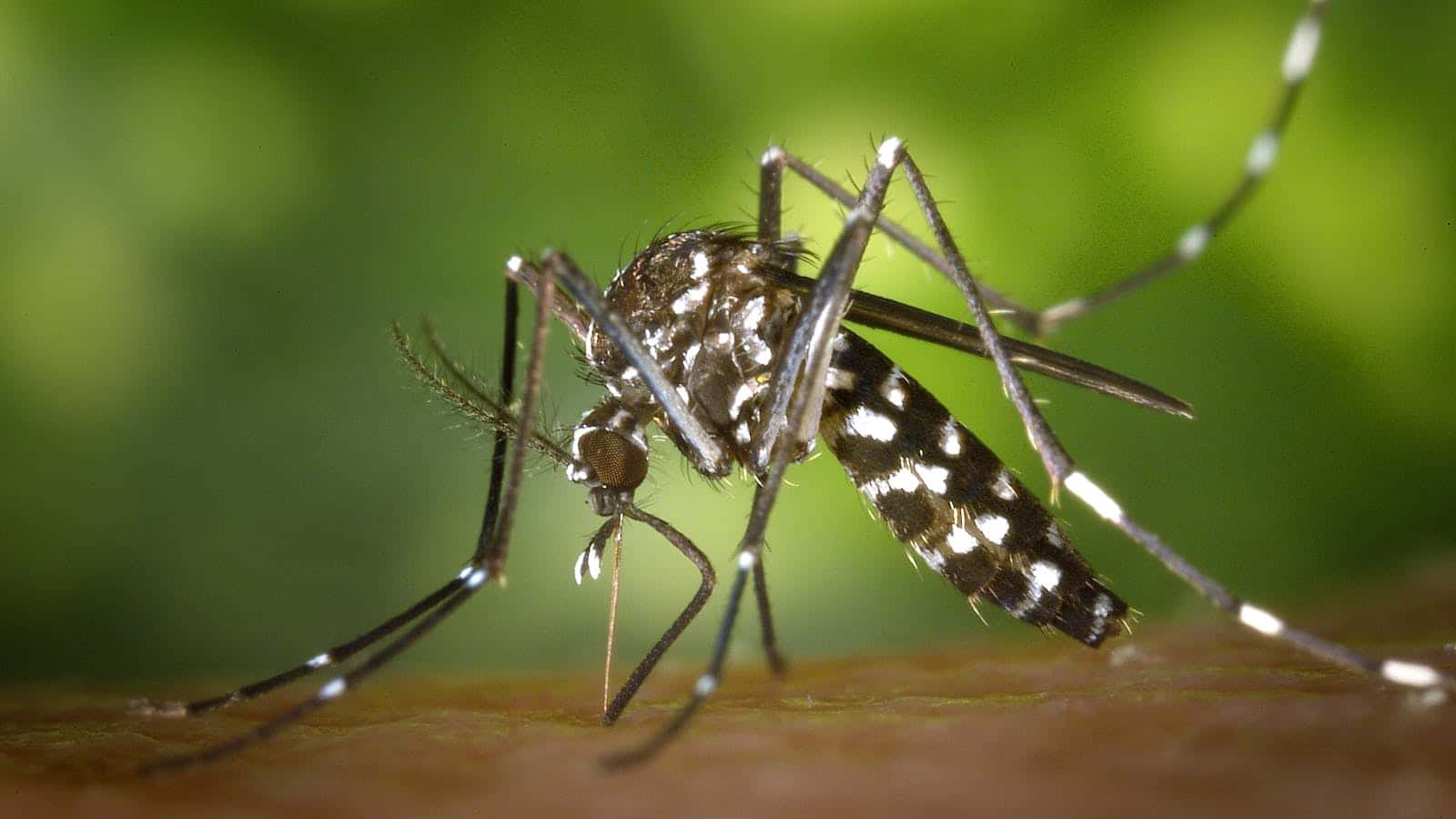
Warmer, wetter conditions are a paradise for mosquitoes. As mild winters become more common, these pests get a head start on their breeding season. They are also expanding their territory, moving into new regions of the U.S. that were previously too cool for them.
This means more than just annoying, itchy bites. Mosquitoes are considered the world’s deadliest animals because they transmit serious diseases, such as West Nile and the Zika virus. More mosquitoes in more places for a more extended period directly increases your risk of getting sick from a single bite.
A Big Jump in Tick-Borne Diseases
Just like mosquitoes, ticks thrive in warmer weather. They are surviving the milder winters in greater numbers and spreading north. This has led to a frightening explosion in tick-borne illnesses, chief among them being Lyme disease.
These tiny arachnids are difficult to spot, and their bites can cause severe and long-lasting neurological and joint problems. The CDC now estimates that approximately 476,000 people are diagnosed and treated for Lyme disease each year in the U.S. That’s a staggering number, and a direct result of ticks having more welcoming habitats.
Save this article
Higher Pollen Counts
It’s not just that the pollen season is longer; the pollen itself is becoming more potent. Increased carbon dioxide in the atmosphere acts like a fertilizer for plants like ragweed. They grow bigger, and they produce more pollen per plant.
This is a double whammy for allergy sufferers, who now face a longer season and a more intense pollen count. One National Library of Medicine study found that pollen concentrations have already increased by over 21% in North America. If you feel like your allergy medicine isn’t working as well as it used to, this is likely the reason.
Risks from Contaminated Water
More intense rainfall and flooding, another hallmark of climate change, have a nasty side effect. When storm systems overwhelm our water treatment plants, it can lead to sewage overflows. This dumps untreated human waste and agricultural runoff directly into our rivers and lakes.
This contaminated soup is full of dangerous bacteria and viruses, such as E. coli and norovirus. A swim in the wrong place after a big storm could leave you seriously ill. It also poses a threat to the safety of our drinking water supplies in many communities.
Threats to Your Food Supply
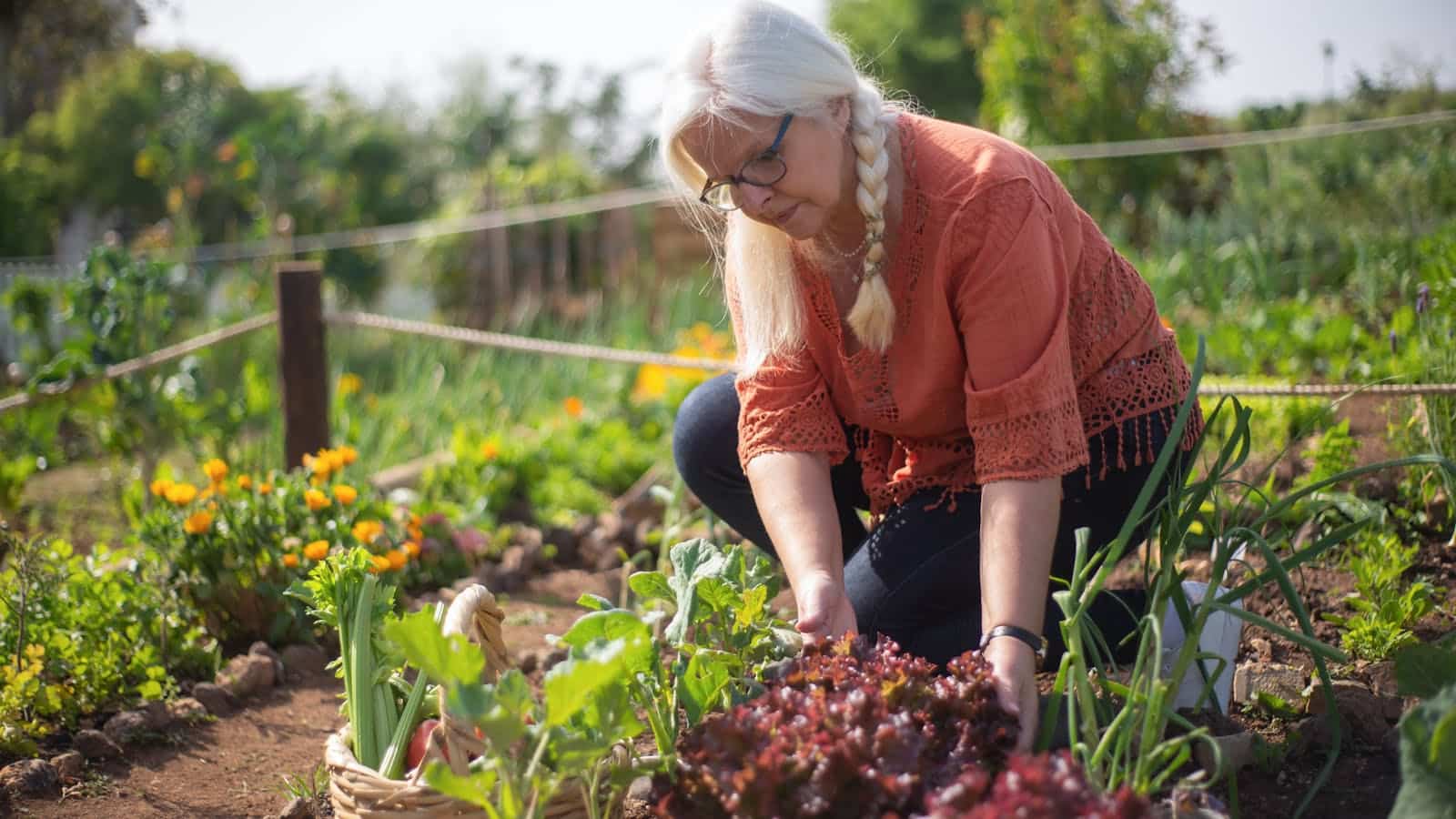
Climate change is putting a huge strain on the world’s farmers. Severe droughts, massive floods, and unpredictable weather patterns can devastate an entire season’s crops. This doesn’t just make your groceries more expensive; it also affects their quality.
Crops like rice and wheat grown under higher CO2 levels are less nutritious. They contain less protein, iron, and zinc, which are vital for human health. This “junk food effect” means we may be eating the same amount but getting fewer nutrients.
Trouble Sleeping
Have you noticed it’s harder to get a good night’s sleep during the summer? You’re not alone. Rising nighttime temperatures are a well-documented consequence of climate change, and they deprive millions of Americans of quality sleep.
Your body needs to cool down to initiate and maintain sleep. When the air remains hot and sticky all night, it disrupts this natural process, leading to tossing and turning, as well as next-day exhaustion. This isn’t just an annoyance; chronic poor sleep is linked to heart disease, diabetes, and depression.
More Kidney Stones
This one might sound strange, but the connection is crystal clear. The primary risk factor for developing kidney stones is dehydration. As the world gets hotter, more people are walking around in a constant, low-grade state of dehydration.
Doctors have even nicknamed the southern U.S. the “kidney stone belt” due to its high rates. As “extreme heat” days become more common across the entire country, experts predict rates of this excruciating condition will rise right along with the temperature.
Final Note
It’s clear that climate change isn’t a distant problem; it’s a personal health crisis that is already here. It’s in the air we breathe, the water we drink, and the anxiety we feel. Recognizing these connections is the first step in protecting ourselves and advocating for the broader changes necessary to safeguard our health.
Disclaimer – This list is solely the author’s opinion based on research and publicly available information. It is not intended to be professional advice.
Like our content? Be sure to follow us.
How Total Beginners Are Building Wealth Fast in 2025—No Experience Needed

How Total Beginners Are Building Wealth Fast in 2025
I used to think investing was something you did after you were already rich. Like, you needed $10,000 in a suit pocket and a guy named Chad at some fancy firm who knew how to “diversify your portfolio.” Meanwhile, I was just trying to figure out how to stretch $43 to payday.
But a lot has changed. And fast. In 2025, building wealth doesn’t require a finance degree—or even a lot of money. The tools are simpler. The entry points are lower. And believe it or not, total beginners are stacking wins just by starting small and staying consistent.
Click here, and let’s break down how.





