Sometimes a single policy, corporate choice, or planning decision ripples through a city for decades—changing jobs, neighborhoods, and daily life in ways nobody meant to or imagined. For instance, Detroit poured everything into the auto industry, but when those jobs collapsed, it lost more than 300,000 factory jobs.
Its population plunged from 1.85 million in 1950 to 639,000 in 2020, and the city ultimately landed in the largest municipal bankruptcy in U.S. history. Below are more cities where identifiable choices help explain why places look and feel the way they do today.
Detroit
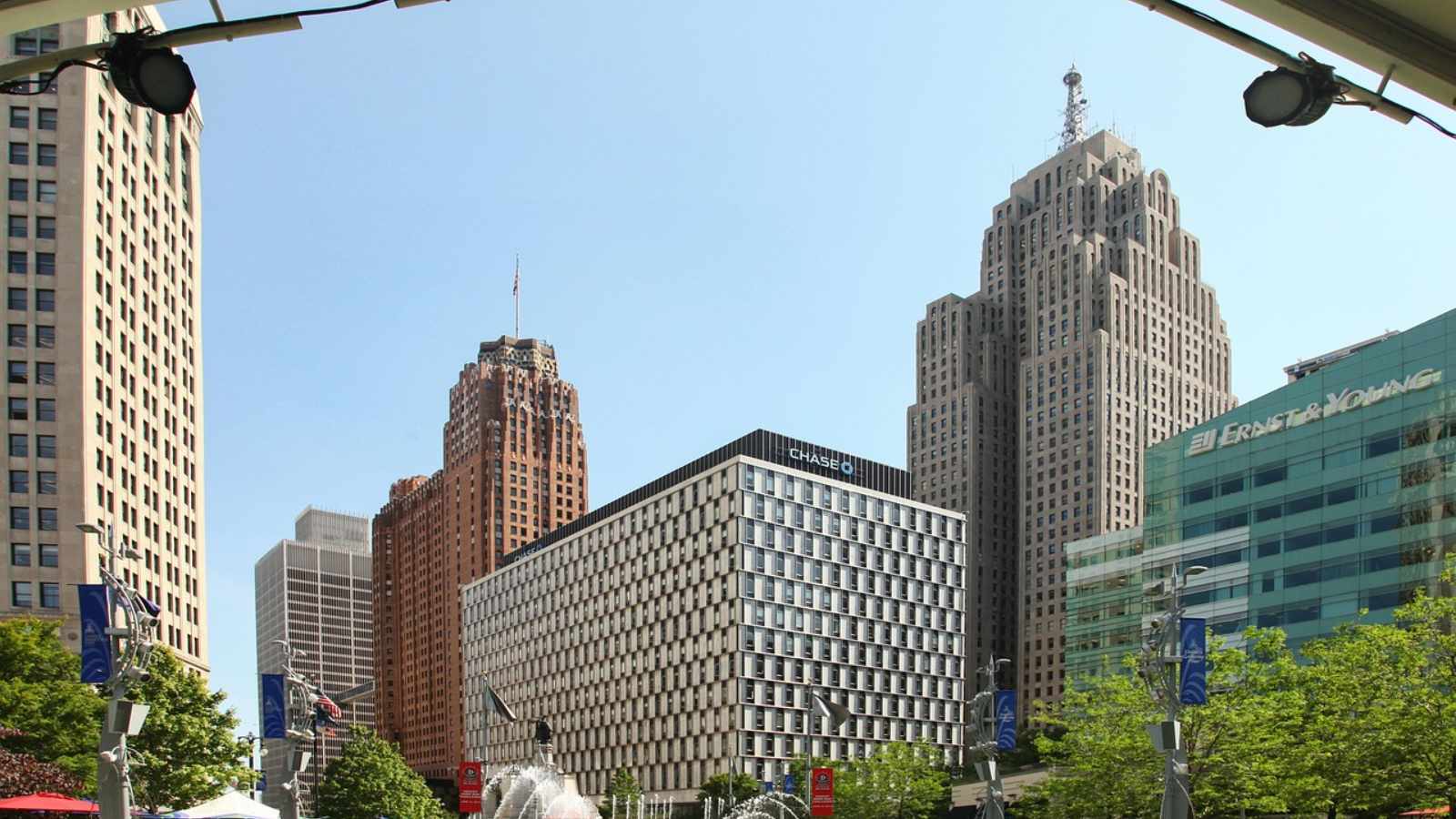
Detroit’s dramatic fall didn’t happen overnight. Decades of deindustrialization, suburbanization, falling tax base, and governance decisions left the city with huge pension and service obligations. These factors helped push Detroit into the largest municipal bankruptcy in U.S. history in 2013.
Neighborhoods emptied as jobs and population left, and the city spent years balancing service cuts against legacy costs. That mix reshaped how Detroit looks and who can afford to live there, even as parts of downtown have revived.
New Orleans

The levee system around New Orleans was supposed to protect the city, but engineering interpretations and construction choices made over decades left critical weaknesses that Hurricane Katrina exposed in 2005. Independent investigations and engineering reviews showed how design and maintenance decisions contributed to catastrophic levee failures and massive flooding.
This outcome reshaped neighborhoods, demographics, and trust in federal and local planning. The result was profound displacement and a decades-long rebuilding challenge.
Los Angeles

In the mid-20th century, cities across America built massive freeways with federal funding and local planners. The problem is, many of those highways were pushed straight through dense, predominantly minority neighborhoods—especially in places like Los Angeles.
Those alignment decisions displaced households, lowered property values in corridor neighborhoods, worsened local air quality, and structured long-term patterns of segregation and sprawl. The physical scars of those routing choices still shape mobility and neighborhood health today.
Also on MSN: 12 cities where locals are leaving faster than newcomers arrive
Flint

In 2014, a decision to switch Flint’s water source—driven by emergency financial management and short-term savings—led to corrosive water being delivered through lead pipes because corrosion controls weren’t applied.
The policy choice triggered a public-health crisis (lead exposure and a Legionnaires’ outbreak), widespread mistrust in government, and costly remediation and settlements.
Stockton

Stockton filed for municipal bankruptcy in 2012 after the housing crash collided with years of tough fiscal choices. Pension promises, borrowing, and shrinking tax revenues left the city unable to pay its bills.
The crisis showed how long-term obligations and short-term budgeting can put a city in serious trouble. Getting back on track meant restructuring, finding new sources of revenue, and making some difficult tradeoffs.
Gary, Indiana

Gary was founded by U.S. Steel and thrived when the mills employed tens of thousands of people. After the 1970s, global shifts and massive layoffs hit the city hard.
Jobs disappeared, the tax base crumbled, and entire neighborhoods were left with declining populations and abandoned homes. What began as a carefully planned industrial city slowly turned into a stark example of how corporate choices and global markets can reshape a community.
Baltimore

Historic redlining maps and decades of disinvestment have shaped Baltimore’s neighborhood geography, concentrating poverty, reducing home equity growth, and limiting access to services in many areas.
Those policy choices—federal, local, and market-driven—help explain the concentrated economic distress and why some neighborhoods repeatedly appear in studies of opportunity gaps and public-safety crises. The city’s experience makes plain how past planning and lending practices echo into present outcomes.
Phoenix

Save this article
Large water-delivery projects like the Central Arizona Project and heavy groundwater pumping powered Phoenix’s expansion. However, those choices enabled rapid desert suburban growth but also created long-term sustainability questions as drought and warming reduce available supplies.
Urbanization and pavement increased nighttime temperatures significantly. Planning decisions that enabled sprawling growth now contribute to resource stress and public health challenges.
Camden, New Jersey

Camden once hosted major manufacturing and shipping jobs. But as plants left and capital retreated, the city faced deep economic decline, high poverty rates, and weakened municipal finances.
Policy failures, suburban flight, and limited reinvestment compounded the effect, turning once-thriving industrial districts into long-term development challenges. Camden’s story shows how economic shifts and public policy gaps can entrench urban distress.
Youngstown

Youngstown’s economy was tightly bound to steel. However, when major plants closed after the 1977 “Black Monday” layoffs, the region lost thousands of jobs quickly.
That industrial contraction triggered a population collapse, shrinking tax revenues, and a long, painful process of economic reinvention. The lesson is blunt: economic dependence on one industry, combined with failing to diversify early, leaves cities exceptionally vulnerable.
Cleveland

Cleveland’s Cuyahoga River famously caught fire in 1969 after decades of industrial dumping—an igniting moment that helped spur the modern U.S. environmental movement and the Clean Water Act. The river fire was a symptom of policy choices that prioritized industrial output over ecological safeguards.
The reaction reshaped regulation, cleanup priorities, and how cities manage industry versus public health. Cleveland’s trajectory illustrates how environmental neglect can ripple into urban decline and, later, into civic renewal.
Houston

Houston never adopted traditional zoning, and its fast-growing suburbs have shaped how land gets used across the region. Those choices created many paved, flood-prone areas—something researchers still debate when discussing the city’s flood risks.
The city’s growth decisions—combined with climate-driven increases in storm intensity—have made severe floods more disruptive and costly, prompting ongoing policy debates over development rules, drainage, and resilience. Houston’s case highlights how land-use choices interact with climate stressors.
Key takeaways
Cities are living stories of choices, and bad or short-sighted choices can echo for generations. The above examples show how specific, documented decisions reshaped local economies, neighborhoods, and environmental risk.
Learning the real, evidence-backed causes helps avoid repeating them and points to concrete levers for repair. If a city’s problems feel inevitable, know that human choices created many and can be eased by different, better ones.
Disclaimer – This list is solely the author’s opinion based on research and publicly available information. It is not intended to be professional advice.
Disclosure: This article was developed with the assistance of AI and was subsequently reviewed, revised, and approved by our editorial team.
20 Odd American Traditions That Confuse the Rest of the World

20 Odd American Traditions That Confuse the Rest of the World
It’s no surprise that cultures worldwide have their own unique customs and traditions, but some of America’s most beloved habits can seem downright strange to outsiders.
Many American traditions may seem odd or even bizarre to people from other countries. Here are twenty of the strangest American traditions that confuse the rest of the world.
20 of the Worst American Tourist Attractions, Ranked in Order

20 of the Worst American Tourist Attractions, Ranked in Order
If you’ve found yourself here, it’s likely because you’re on a noble quest for the worst of the worst—the crème de la crème of the most underwhelming and downright disappointing tourist traps America offers. Maybe you’re looking to avoid common pitfalls, or perhaps you’re just a connoisseur of the hilariously bad.
Whatever the reason, here is a list that’s sure to entertain, if not educate. Hold onto your hats and explore the ranking, in sequential order, of the 20 worst American tourist attractions.