

Life in America often unfolds across long distances. Daily routines that might take minutes elsewhere can stretch into long drives between home, work, shopping, and social life. Cities spread outward rather than upward, and entire communities form on the assumption that people will travel by car. This physical layout shapes not just where people live but also how they spend their time, build relationships, and experience everyday life.
According to data from the United States Census Bureau, the average one-way commute in the United States is 27.6 minutes, making it one of the longest among developed nations. Urban planning experts often point to postwar suburban expansion and highway development as key drivers of this pattern. As a result, space became both a defining feature and a trade-off, offering larger homes and quieter neighborhoods at the cost of proximity and convenience.
A continent of empty space
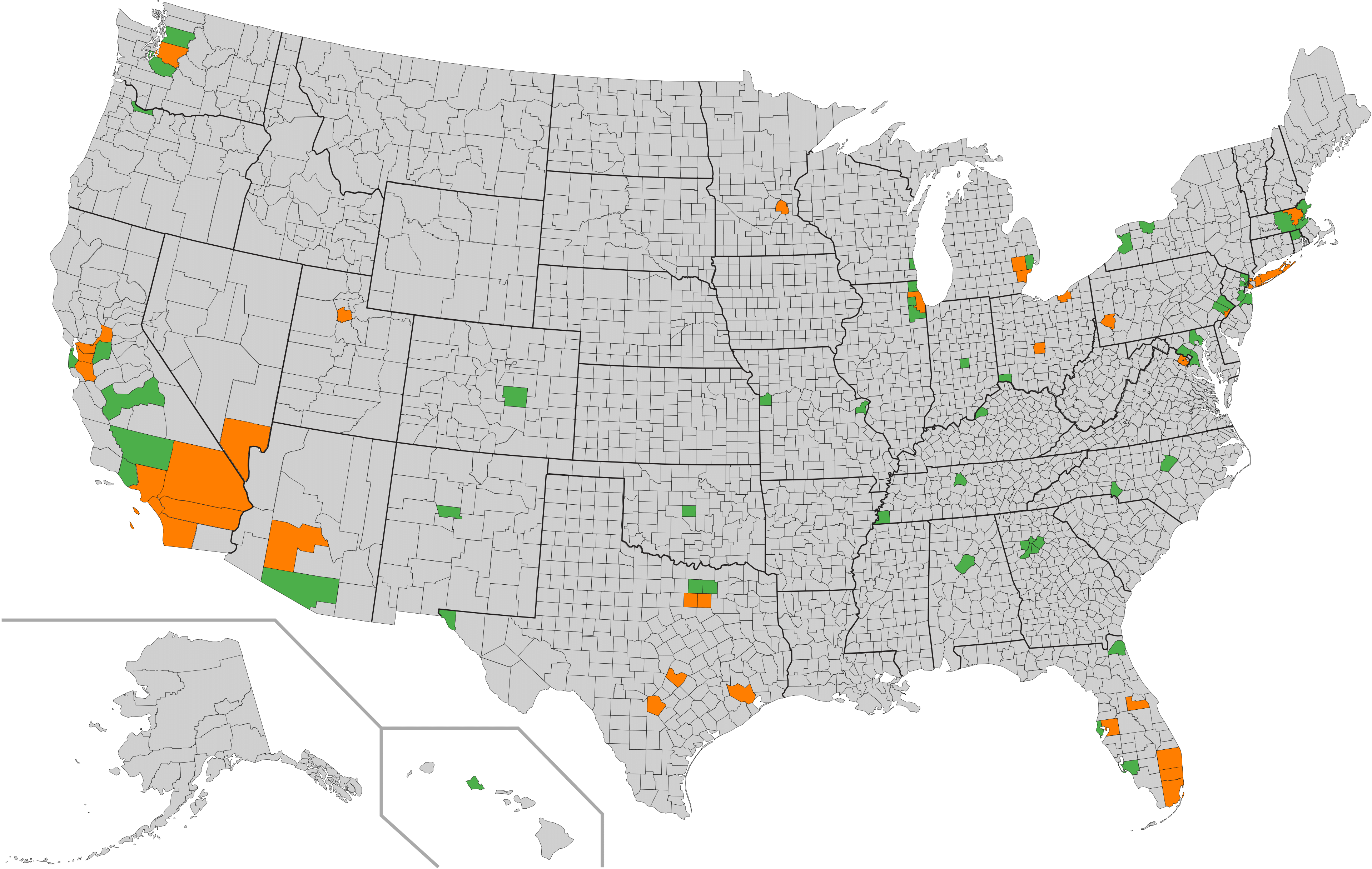
The country stretches wide, yet most of it is empty. The Center for Sustainable Systems at the University of Michigan reports that 83 percent of Americans live in urban areas, which cover only about 3 percent of U.S. land. Average national density is roughly 36 people per square kilometer, compared with about 74 in Europe, according to the Crown’s population density comparison.
That gap is not just geography. Europe built dense cities around rail and short distances. The U.S. has layered highways and detached houses over a huge interior. The result is a nation where people are mostly urban, but the urban fabric is thin, stretched around highways and parking lots rather than stitched into tight old streets.
The long shadow of the interstate
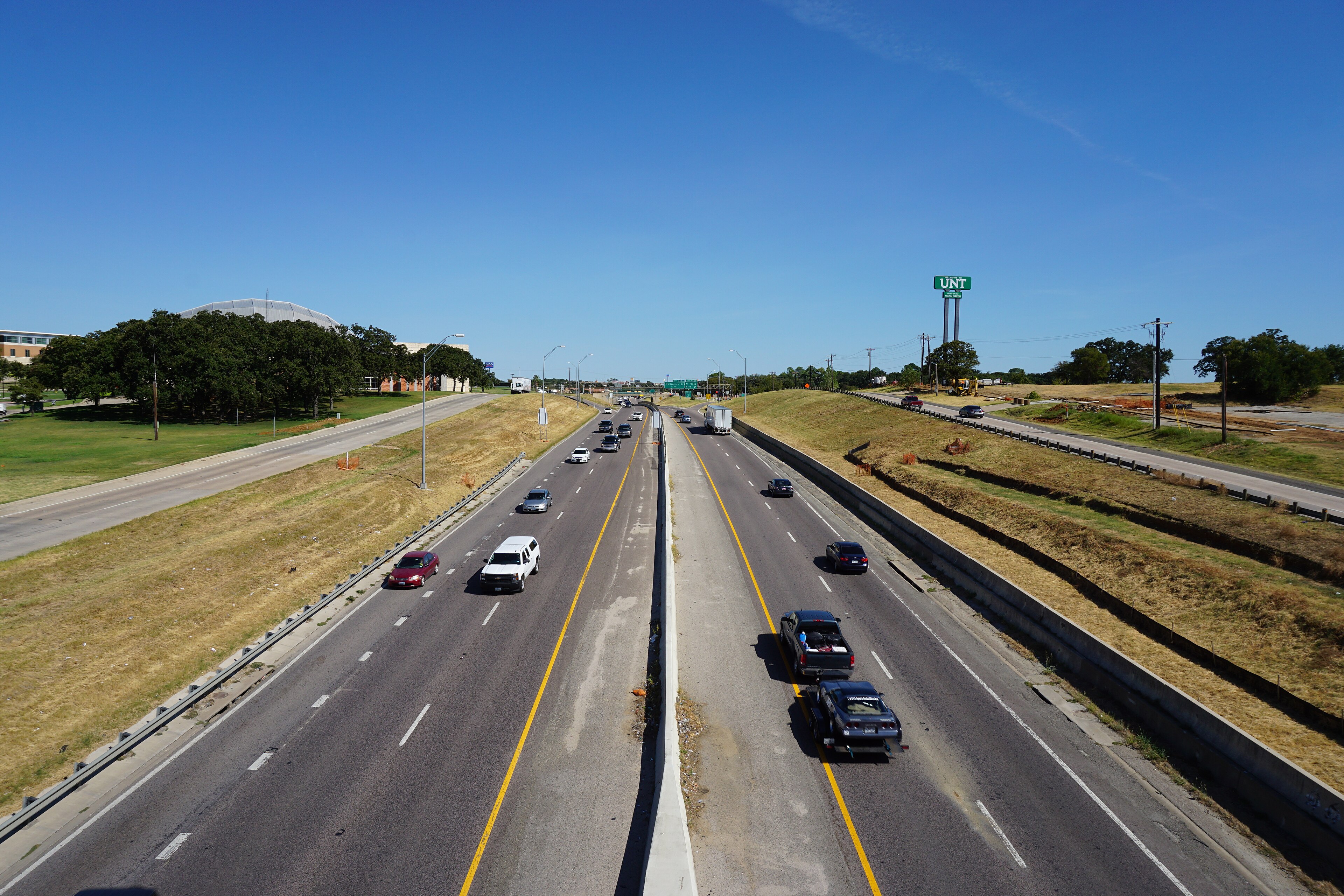
The modern map begins with concrete. The Interstate Highway Act of 1956 authorized about 41,000 miles of limited-access roads and $25 billion in federal funding over 13 years, placing Washington in charge of construction. The Federal Highway Administration’s history notes that, by 1947, an earlier designation had already mapped 37,681 miles of routes.
The latter, the National Defense and Interstate Highway Act, describes interstates as four-lane corridors connecting virtually all major urban areas, with I-90 alone running 3,020 miles from Seattle to Boston. Those numbers did more than move cars. They made distance feel cheap and normal. Once, a middle-class life could ride on free-flowing lanes, the country sprawled outward along exits and cloverleafs, trading proximity for speed.
Zoning for distance, lot by lot
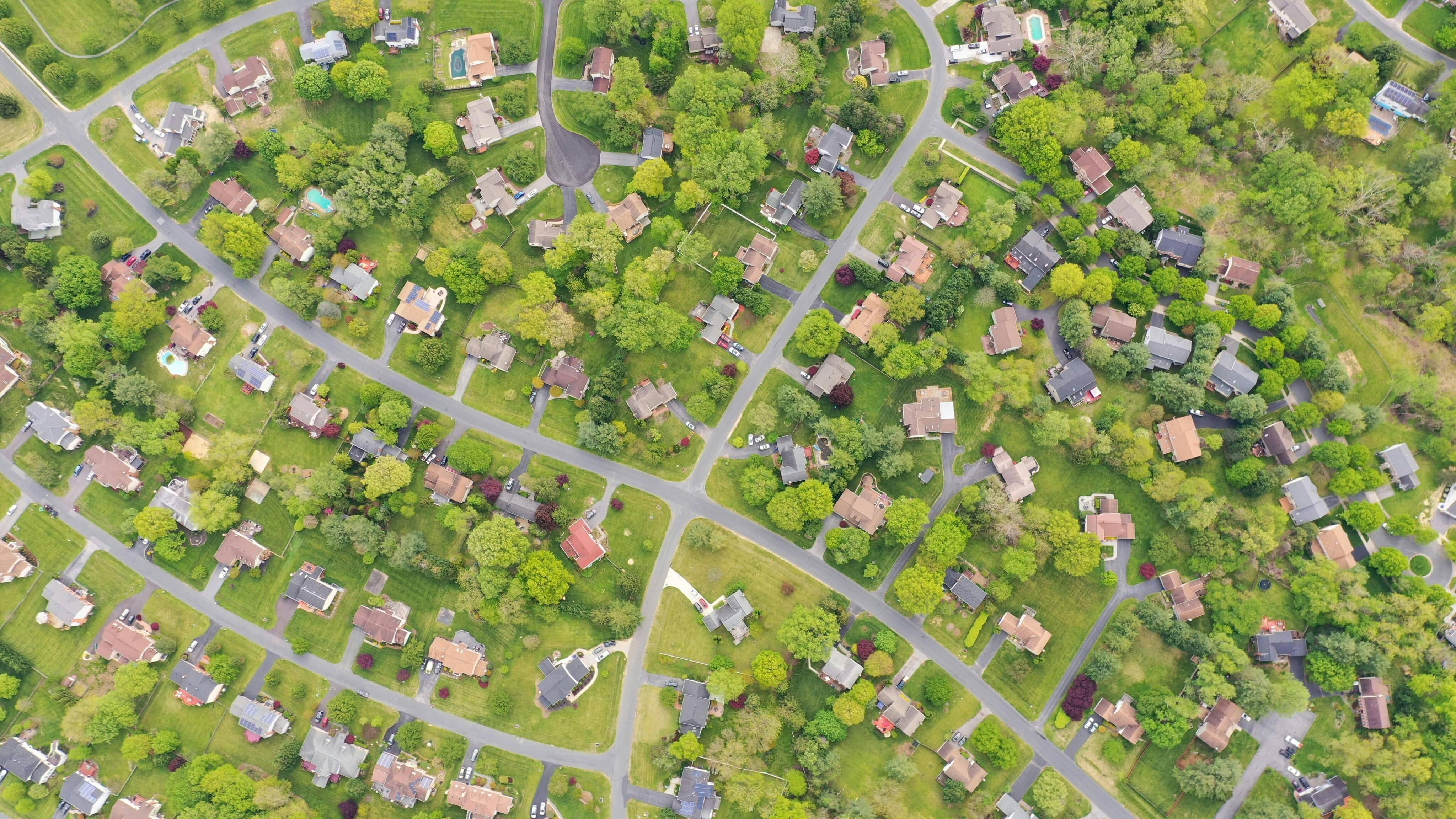
Sprawl is law written into the ground. An analysis by The Upshot and UrbanFootprint, reported in The New York Times, found that roughly 75 percent of residential land in many American cities is zoned for detached single-family homes only. In Chicago, that figure reaches 79 percent.
A 2023 brief by the Mercatus Center notes that cities such as Austin, Los Angeles, and Portland have imposed minimum lot sizes ranging from 3,000 to 5,750 square feet. These rules applied even in older neighborhoods that once had cottages of under 1,000 square feet.
Large mandated lots and bans on duplexes or small apartments ensure that housing spreads horizontally. Each regulation feels technical and local. Together, they hard-code low density as the American norm.
The suburban dream that became the default
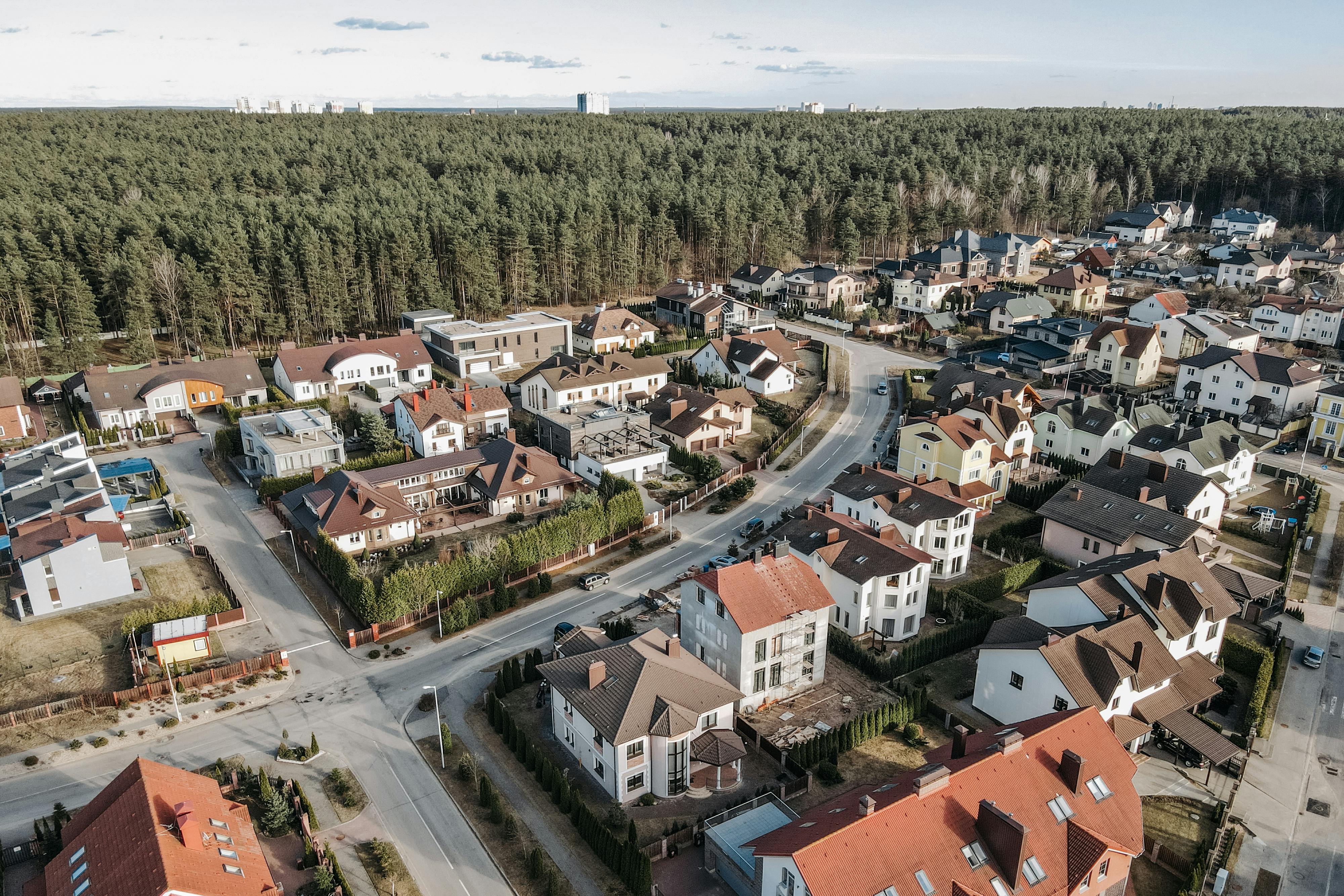
After World War II, the dream was simple: a house, a yard, and a drive. Pew Research Center reports that from 2000 to 2018, large U.S. metropolitan areas added 30.6 million residents, with 16.6 million of that growth in suburban counties. By 2018, 25 percent of all Americans lived in large suburban counties, up from 23 percent in 2000, while the urban core share held around 31 percent.
A broader trends report by the Pew Research Center estimates that about 175 million Americans live in suburbs and small metros. By comparison, roughly 98 million live in urban core counties and 46 million in rural counties.
Brookings uses 2020 Census data to show that three-quarters of white Americans in major metros live in suburbs, and more than six in ten Latino and Asian residents now do as well. The dream hardened into default. Distance became a lifestyle instead of a choice.
Urban growth at the edge
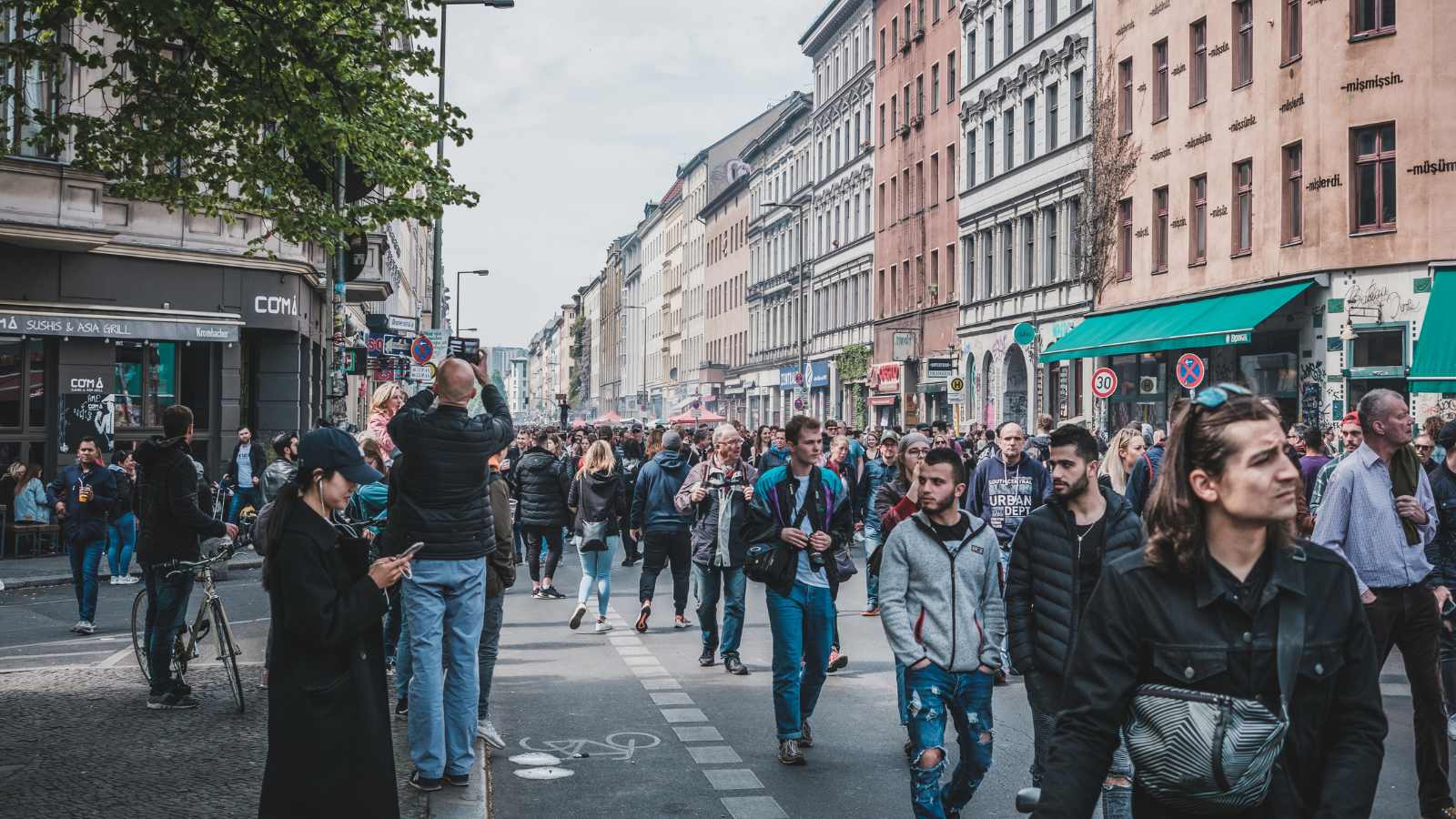
Even when America urbanizes, it tends to spread. The 2020 Census, summarized by the U.S. Census Bureau, reports that the national urban population grew 6.4 percent between 2010 and 2020. It also shows that the West is now 88.9 percent urban and the Northeast 84 percent. Yet those urban areas are defined by continuous development, not tight form.
The Center for Sustainable Systems notes that from 2000 to 2020, urban land area grew by 14 percent, reaching 105,493 square miles, or about 3 percent of all U.S. land. It is projected to more than double by 2060.
New Geography’s breakdown shows how even the largest urban areas, like New York and Los Angeles, cover thousands of square miles, with New York’s urban area alone spanning 3,248 square miles. The city grows, but sideways. The fabric thins as it stretches.
Cheap land, expensive nearness

For decades, the easiest answer to housing demand was to drive out and build. The Michigan “U.S. Cities Factsheet” notes that 83 percent of Americans live in urban areas, yet the vast majority of the land beneath them remains open or lightly used. Crown’s population density comparison puts the U.S. average at 36 people per square kilometer, far below Europe’s 74.
Economists point out that this relative emptiness makes peripheral land look cheap, especially when bundled with federally backed mortgages. With zoning that blocks apartments on inner lots, developers instead chase large tracts at the fringe.
New subdivisions replace tight blocks with cul-de-sacs. Each house sits on its own patch of yard, adding another mile to someone’s daily orbit. Proximity becomes a luxury good. Space becomes a mass market product.
Save this article
Commuting as a way of life

Distance is not theoretical. It is measured in minutes and miles. According to the U.S. Census data summarized in FinanceBuzz’s 2025 commuting report, the average American commute in 2023 was 27 minutes each way. About three-quarters of workers fall between 15 and 29 minutes, while fewer than 9 percent endure trips longer than an hour.
A 2025 analysis by Yardi Kube notes that the average commute in 2024 was 27.2 minutes, only slightly below the 2019 peak and higher than in 2023. The report estimates that about $6,700 per worker per year is spent on travel costs in 2023. Those numbers describe a country where daily life is built around motion. Work, school, groceries, and friends are all one drive away. Time, not just land, stretches thin.
Car infrastructure everywhere, transit almost nowhere
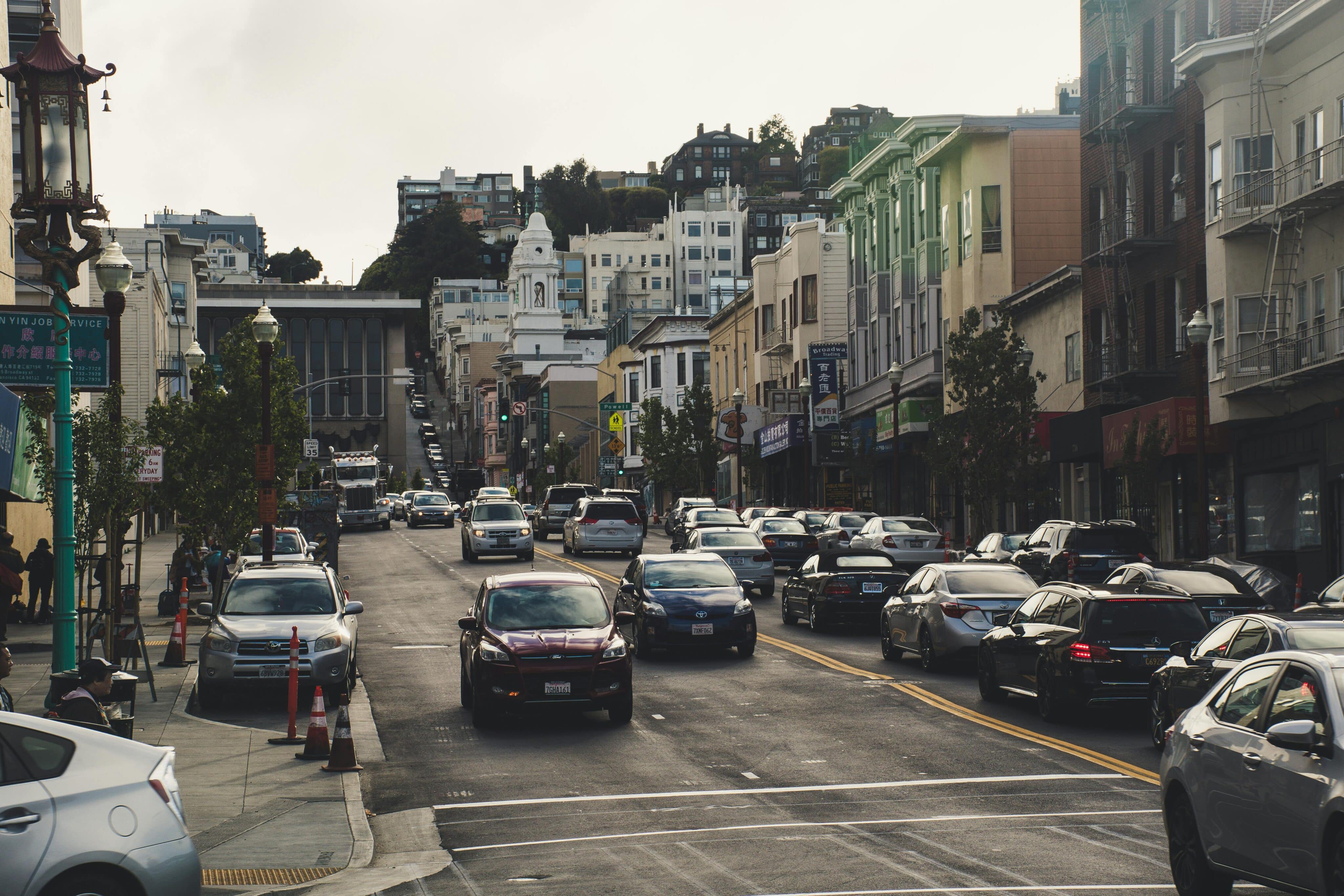
The interstate grid did not just enable distance. It crowded out alternatives. The National Defense and Interstate Highway Act factsheet notes that the United States now leads the world in superhighway mileage. Virtually all major urban areas are connected by at least four-lane interstates. Routes are engineered for high speed, with moderated curves and grades.
Commuting statistics show the result. FinanceBuzz’s 2025 report, drawing on Census data, highlights that 78 percent of workers aged 16 and older commute to work in person, and in some cities, such as Bakersfield, 91 percent drive.
Public transit riders face average one-way trips of 45 to 73 minutes, far longer than drivers. When the fastest path to a decent life runs along a highway, neighborhoods spread out to meet the on-ramps, not the train platforms.
A culture that equates space with success

Policy made sprawl possible, but culture made it desirable. A 2023 analysis of 2020 Census data by the Brookings Institution describes suburbs as the symbolic center of America’s rising diversity. It also notes that suburbs remain the default home for three-quarters of white residents in large metro areas. More than six in ten Latino and Asian Americans now live there, too.
Research by the Pew Research Center on demographic trends notes that young adults aged 18 to 24 are increasingly found in suburban counties. This pattern often reflects the fact that they remain in parents’ homes that have moved outward over time. The old postwar ideal of a house with a yard, once marketed to white families, has broadened but not faded.
Space becomes proof of having made it. Buying in closer feels like settling for less. The culture rewards those who move out, even as the distances grow.
Fragmented governance, fragmented geography
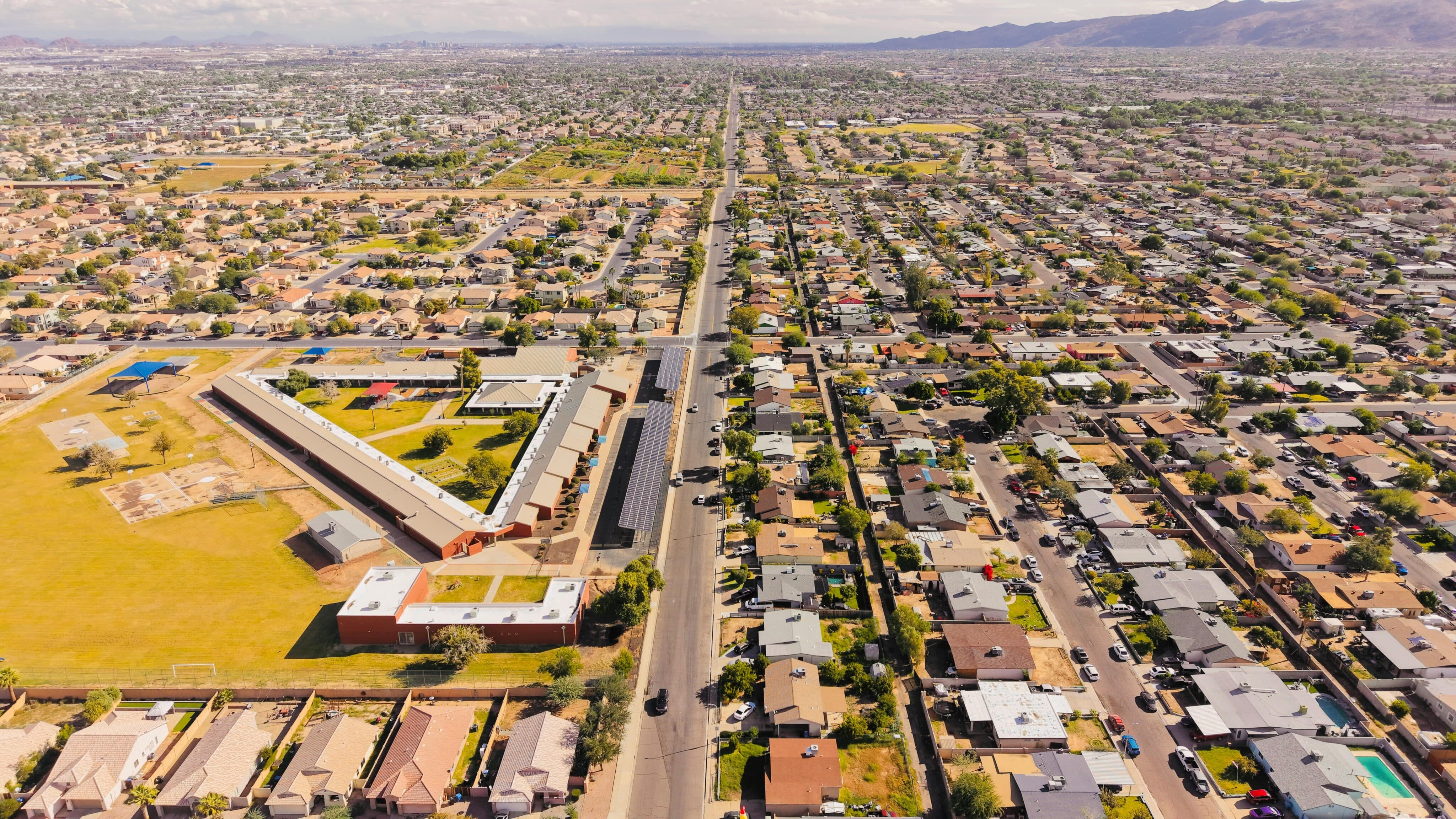
Geography spreads out when power does. Reporting by The New York Times on single-family zoning notes that in cities like Chicago, aldermen wield block-by-block control over what can be built. This reinforces a patchwork of large lot districts that cover 79 percent of residential land. Reform efforts face neighborhood-level veto points, each defending local “character”.
This localism produces metropolitan regions made of dozens or hundreds of municipalities, each with its own zoning rules, school district, and tax base. Pew’s urban and rural trends report shows that 175 million Americans live in suburbs and small metros, but those suburbs are spread across many tiny governments.
Regional transit, dense housing, and shared services all become harder to coordinate. The default answer is often to say no to change next door, and yes to growth a few miles farther out.
Climate, comfort, and the search for space

The map of sprawl also follows the sun. Census data summarized by the U.S. Census Bureau shows the West as 88.9 percent urban and the South at about 75.8 percent urban. Both regions are marked by huge metro areas like Phoenix, Dallas, and Atlanta that have grown mostly outward rather than upward.
New Geography’s review of 2020 urban areas lists Los Angeles as having 12.2 million residents, spread over 1,637 square miles. These Sun Belt metros sell a particular package: air conditioning, wide roads, large homes, and relatively cheap land at the edges. For many households priced out of coastal cores, that combination looks like relief.
The University of Michigan’s fact sheet projects that urban land area may more than double by 2060. The climate crisis makes this spread costly, but the cultural pull of space and sun keeps pushing people toward far-flung cul-de-sacs and desert fringes.
The future: Denser talk, stubborn spread
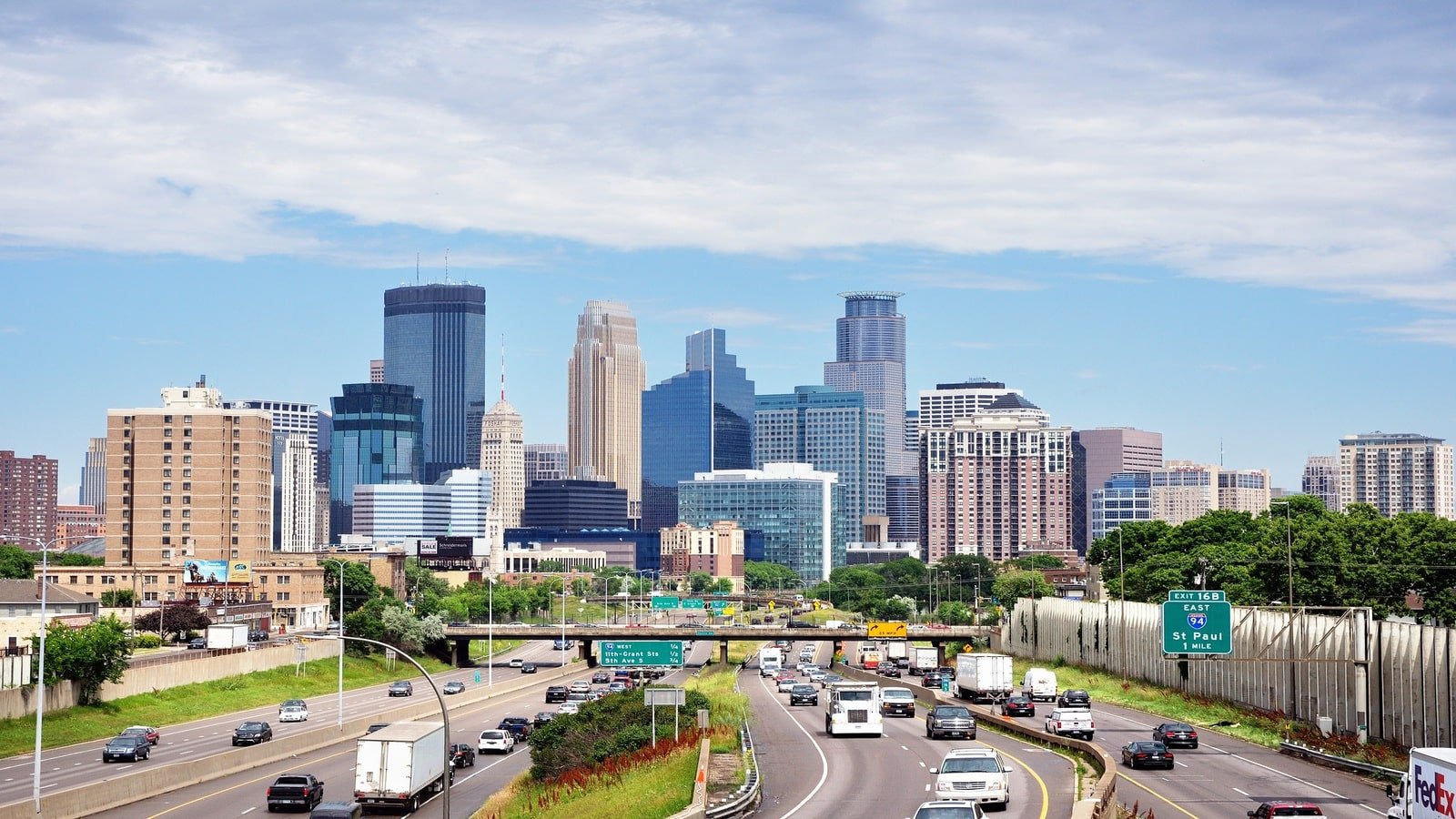
In recent years, some cities have begun to rethink the distances they built. The New York Times reports that places like Minneapolis and Portland have rolled back single-family-only zoning in response to concerns about affordability, segregation, and emissions. Yet the same Upshot analysis shows that, even after reforms, large shares of residential land remain locked into detached homes.
Meanwhile, national projections from the Center for Sustainable Systems show urban land area on track to more than double by 2060. At the same time, 89 percent of Americans are expected to live in urban areas by 2050. Crown’s density comparison suggests that the U.S. will still lag far behind Europe in terms of people per square kilometer.
The conversation is getting denser. The country, for now, is not. The landscape of distance remains the default setting, quietly reproduced in every new subdivision map.
Disclaimer – This list is solely the author’s opinion based on research and publicly available information. It is not intended to be professional advice.
Like our content? Be sure to follow us





