

For many Americans, films are one of the first ways they encounter the history of slavery.
That exposure matters. A 2020 report from Morning Consult found that a majority of Black adults say they are likely to watch films about slavery or segregation, meaning these stories play a significant role in shaping how the past is remembered.
But there’s a gap between what’s seen and what’s understood. A 2025 study by the Southern Poverty Law Center found that only a small share of high school seniors can correctly identify slavery as the central cause of the Civil War, and many are unclear on how it formally ended. The images may be vivid, but the historical framework often remains incomplete.
Research published in the The History Education Research Journal suggests why. Films like 12 Years a Slave can evoke strong emotional responses, but without context, key lessons can be missed.
That distinction matters. It’s one thing to remember scenes of violence and suffering. It’s another to understand how legal systems, financial institutions, and political structures sustained slavery over time. Films can open the door, but they don’t always show the full room.
They downplay how slavery built modern capitalism
Many slavery films show cruelty as if it happened on the edge of the economy, tucked away on distant plantations, sealed off from the nation’s main engines of wealth. Historians keep saying the opposite.
Public radio coverage of The Stolen Wealth of Slavery noted in 2024 that cotton was the country’s biggest export crop in the early 1800s and that slavery underpinned the U.S. economy, while a 2026 academic article on the global economy described slavery’s deep ties to finance and insurance.
Learning for Justice put the core idea in one hard line from historian Daina Ramey Berry, who said, “Slavery was an institution of power,” one built for profit and control. When movies reduce slavery to private sadism, viewers can come away horrified but still miss the ledger books, the ships, the insurers, and the trading networks that turned human bondage into national wealth.
They rarely center Black resistance
Hollywood has long been more comfortable with Black suffering than Black strategy. Philip Kaisary’s 2024 work on slavery in cinema argues that Cuban film has often foregrounded rebellion and Black political agency more boldly than Hollywood, and a 2026 Cambridge review of his book says he shows how U.S. films repeatedly marginalize active resistance.
Kaisary’s own seminar abstract put it even more sharply, saying that “with rare exceptions, the representation of Black agency in Hollywood has always been, and remains, taboo.” That omission leaves a deep stain on public memory. It makes abolition look like a moral gift handed down by white reformers instead of a fight formed by revolt, sabotage, escape networks, lawsuits, maroon communities, and indefatigable refusal from enslaved people themselves.
They whitewash rape and sexual exploitation

A lot of slavery films treat sexual violence like a background shadow, something viewers are meant to infer without being forced to face. That silence has its own history.
A 2022 dissertation on slavery in Hollywood traced how films have long struggled to depict interracial sexual domination honestly, in part because older censorship rules pushed studios away from direct treatments of miscegenation and racial caste. Scholarship on Black women and slavery keeps stressing that sexual violence was not an unusual horror inside the system. It was part of the system.
Rosser-Mims’s work on Black feminism states plainly that enslavers raped Black women and controlled their reproduction, while Daina Ramey Berry has written that slavery was mainly a labor system but that those trapped inside it experienced it in sharply different ways, including intensely gendered abuse. If films keep showing slavery as labor stripped of sexual domination, they cause audiences to get only half the truth.
They glorify “good” slaveowners
One of the oldest tricks in American screen history is the “kind master,” the man whose personal decency seems to soften the institution around him. Donald Bogle’s classic work on racist film stereotypes helped expose how early Hollywood turned slavery into a stage for loyalty, gratitude, and sentimental plantation fantasy, and later film criticism has shown how that logic never fully died.
Even when modern movies avoid open nostalgia, they can still isolate one “less cruel” enslaver and tempt viewers to judge the man more than the machinery. That matters because it quietly shifts moral focus away from the system itself.
Slavery did not become less monstrous because one enslaver smiled, hesitated, or had conflicted feelings. The “good master” frame offers audiences emotional relief, and relief is exactly what honest history is supposed to deny them.
They over-center white “saviors.”

Even films that reject old plantation fantasy often slide toward another common comfort, the white rescuer, the white lawyer, the white abolitionist, the white soldier whose conscience carries the story forward.
The 2022 12 Years a Slave study is useful here because it praises the film’s power while still warning that viewers need more institutional and collective context. Maureen Costello of Learning for Justice has made the classroom side of this problem clear. She argues that many students still get a shallow version of slavery built around famous figures and scattered moments instead of systems and Black action.
The result is a historical memory where Black people appear as the harmed, the hunted, or the saved, but too rarely as the planners, organizers, witnesses, writers, scouts, fighters, and architects of their own liberation. That imbalance does not just distort the past. It trains viewers to expect change to arrive from outside Black struggle, not through it.
They under-explain constitutional and legal enslavement

Movies love visible brutality because it is cinematic. Law is less flashy, which may be one reason it so often gets pushed offscreen. Yet the legal architecture of slavery was not a mere dusty side note. It was a central pillar.
The SPLC’s Teaching Hard History report found that fewer than 1 in 4 students could identify constitutional provisions that advantaged slaveholders, and nearly 70% did not know the Constitution had to be amended to formally end slavery.
A 2025 law review article on slavery’s constitutional endurance argued that slavery’s influence did not sit outside the Constitution. It was threaded through the nation’s legal foundation. When films present slavery as custom or regional cruelty without showing the clauses, courts, statutes, and federal compromises that sustained it, they leave viewers with a moral tragedy instead of a national contract.
They treat violence as spectacle, not strategy

Few things in slavery cinema are filmed more intensely than pain. That intensity can be powerful, but it can also flatten thought. The History Education Research Journal study on 12 Years a Slave notes that while the film can promote empathy, teachers still need to frame it carefully so students do not stop at visceral horror.
Scholarly criticism of the film, including Salamishah Tillet’s work on Patsey, has shown how scenes of violence can become overwhelming set pieces, visually unforgettable yet politically partial. That is the risk. A viewer can leave shaken and still not understand that violence under slavery was never random madness.
Save this article
It was organized, profitable, and calculated. It disciplined labor, enforced hierarchy, protected property claims, and crushed kinship. When films turn that violence into pure shock, they risk making audiences feel deeply while teaching too little.
They flatten the diversity of enslaved life
Hollywood keeps returning to one narrow visual code for slavery, the dark-skinned field laborer in a rural Southern landscape, cut off from a fuller range of language, skill, family structure, complexion, and work. That image is not false, but it is far from complete.
Research on slavery in Hollywood and later scholarship on enslaved women and labor make clear that enslaved populations included mixed-race people, domestic workers, artisans, drivers, urban laborers, multilingual Africans, children born into caste systems, and families living under constant threat of sale and separation.
Daina Ramey Berry has stressed that the “nature and diversity of the institution of slavery ensured that bondpeople would experience enslavement quite differently.” If movies keep showing one visual type and one social role, they do not just simplify the past. They make later realities like colorism, status gradations, and intraracial hierarchy harder for viewers to understand.
They ignore the financial ties to slavery

Plantations make for easy scenery. Banks do not. Yet the money story remains one of the darkest truths many films still avoid. Public history reporting in 2024 on The Stolen Wealth of Slavery emphasized that slave-grown wealth did not stay rural. It moved through banks, insurers, merchants, and Northern philanthropy.
A 2026 article on slavery’s afterlives in the global economy argued that Atlantic slavery was tied to financial instruments and risk management in ways that look strikingly modern. This is why reparations debates so often sound strange to people raised on slavery movies that barely show credit, mortgages, cargo, speculation, or insurance claims.
If the institution is filmed as a moral horror alone, reparations can be dismissed as charity. If it is shown as a financial system built on stolen labor and collateralized bodies, reparations start to look more like unpaid debt.
They leave out everyday Black joy
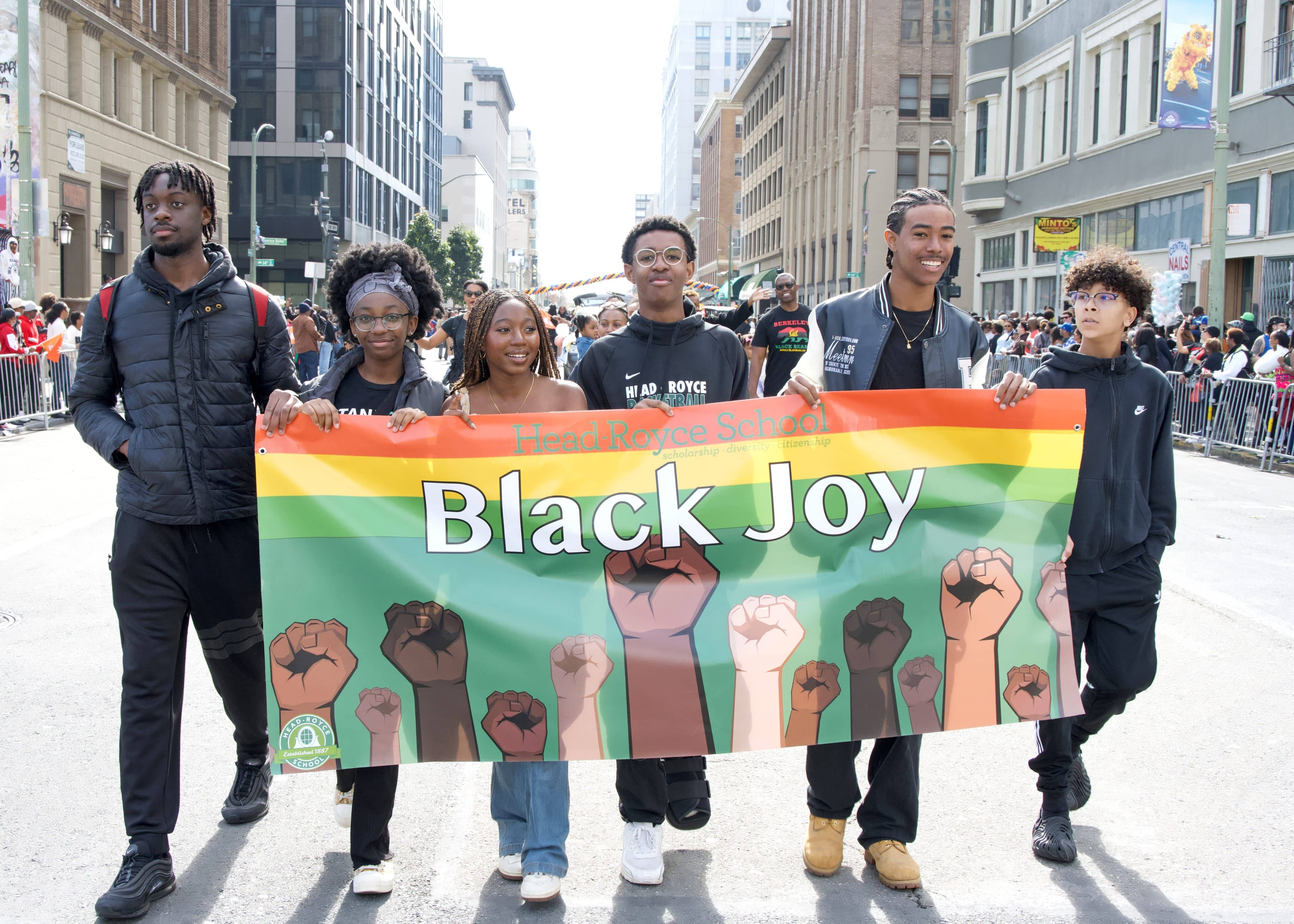
Many slavery films offer viewers a narrow emotional palette: terror, grief, hunger, and endurance. Those were real, but they were not the whole of enslaved life. The 2022 12 Years a Slave teaching study noted that even powerful realism can still underrepresent the ways enslaved people built community and meaning.
A 2024 special issue on Black joy in education argued that Black joy isn’t a decorative add-on to Black history. It is part of how life, culture, and resistance survive under pressure. That matters for slavery cinema because songs, humor, storytelling, quilting, worship, naming practices, coded communication, and kinship networks were not minor details. They were part of how people kept their humanity alive.
When films leave joy out, they do more than darken the mood. They erase some of the very sources from which later Black culture, music, and collective endurance grew.
They under-explain role of Black women
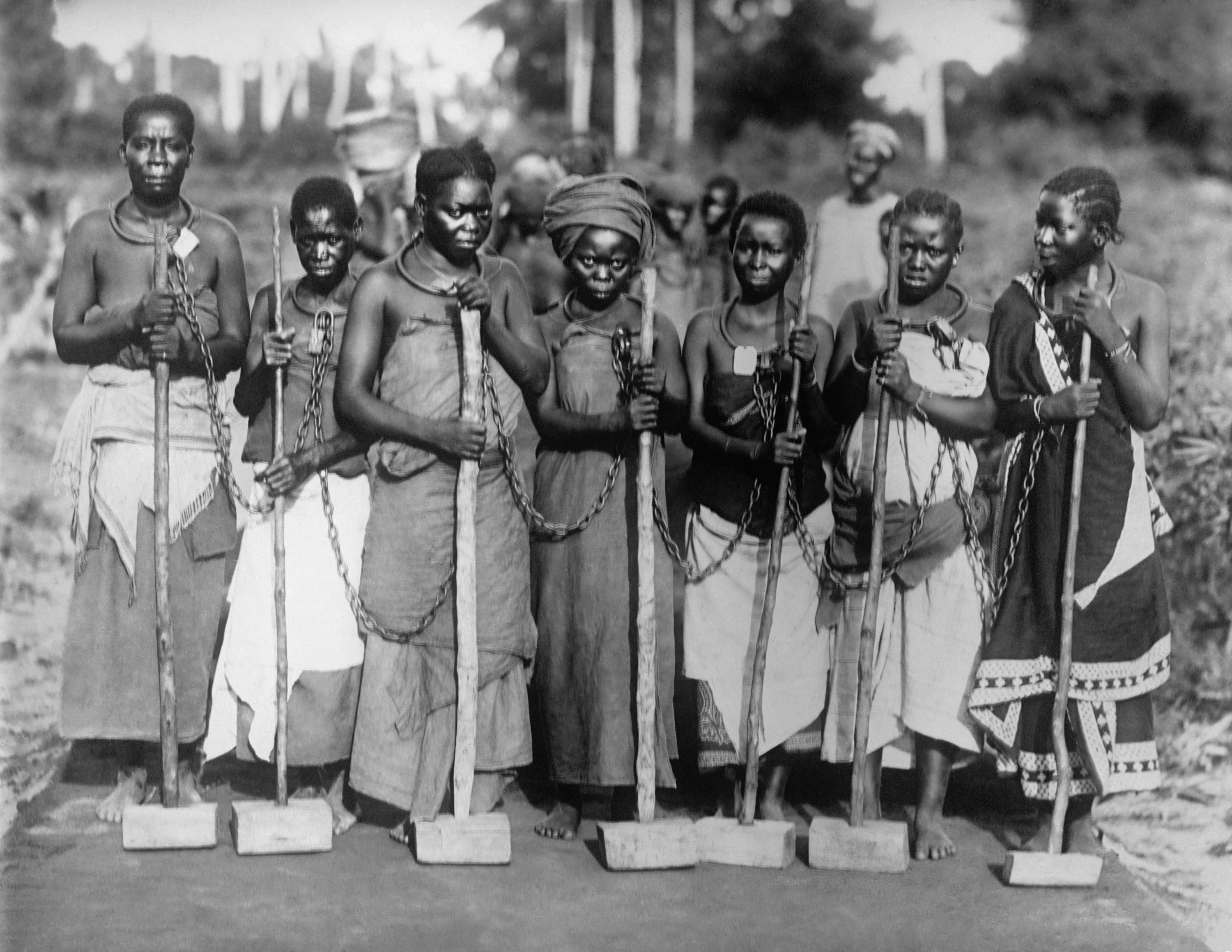
Black women in slavery films are often forced into narrow slots: the silent sufferer, the saintly caretaker, the violated body, the grieving mother. Those lives were real, but they were also larger.
Paula Giddings’s historic work on Black women’s place in American history reminds readers that Black women have long been central to race and sex politics in this country, not peripheral to them. Scholarship formed by her work keeps returning to the same point: Black women carried labor, memory, care, strategy, resistance, and leadership amidst conditions built to erase all five.
Studies of Black feminism and slavery also stress how reproductive coercion, rape, and childcare under duress were tied to the system’s economic aims. When films fail to make Black women visible as organizers, planners, protectors, and interpreters of community life, they do not just miss a detail; they miss the point. They hollow out the center of the story.
They don’t show how slavery lives on in policy

A lot of slavery films stop at emancipation or linger a moment past it, then let the audience walk out as if the main machinery has ended. The classroom data shows how damaging that break can be.
The SPLC report found that students often fail to connect slavery to later systems, and the 2022 study of 12 Years a Slave argued that film can awaken viewers to brutality while still failing to map that brutality onto present-day structures. Current scholarship and public commentary keep making the same argument in different words. If the story ends in the 1860s, viewers are left with a sealed tragedy.
They are less prepared to see convict leasing, segregation, redlining, mass incarceration, housing discrimination, and punitive policing as later mutations of the same logic of extraction and control. Denial flourishes in that clean break, because it lets the nation grieve the old crime while pretending the newer forms grew from nowhere.
Reflective close
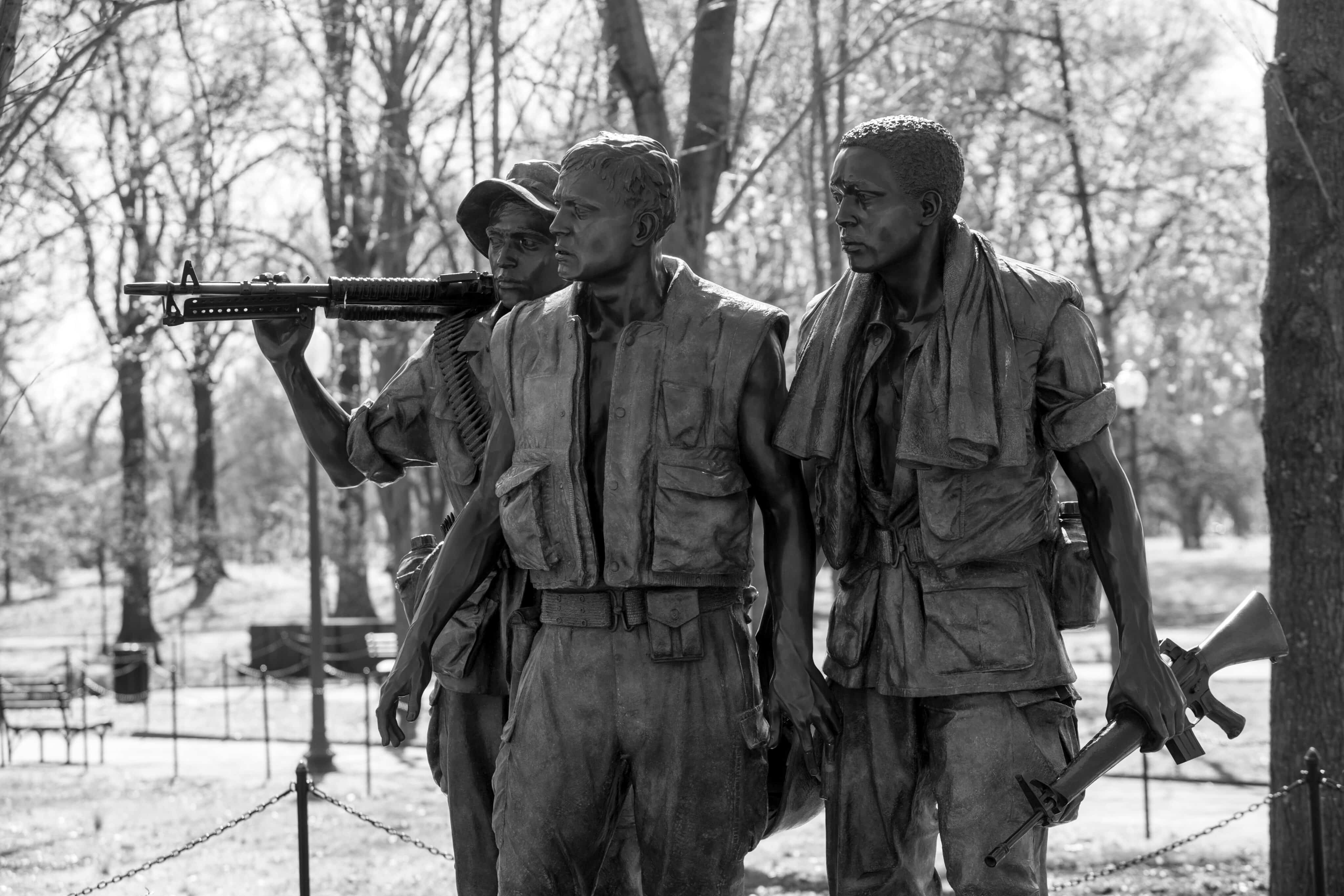
Slavery movies often ask the audience to feel deeply, and many do. Feeling, though, is not the same as understanding. If the screen gives people pain without structure, violence without finance, survival without community, and emancipation without afterlife, then the public leaves moved but still half-taught.
That is the quiet danger here. A country can cry at the right scenes and still miss the system staring back at it.
Key Takeaways

These films matter because so many viewers lean on them as a source of memories. Morning Consult’s 61% figure shows the appetite is real, and the SPLC’s education numbers show the knowledge gap is real, too.
If only 8% of students can identify slavery as the Civil War’s central cause, if 68% miss the amendment that ended it, and if just 22% can explain how the Constitution protected it, then every omission on screen carries more weight.
The biggest truths slavery films keep leaving out are the ones that most clearly connect the past to the present, the money, the law, the resistance, the gendered violence, the community life, and the policy afterlife still shaping American life now.
Disclaimer –This list is solely the author’s opinion based on research and publicly available information. It is not intended to be professional advice.
More articles:





