

Long before social media turned the word “woke” into a political lightning rod, many Baby Boomers grew up hearing phrases that promoted empathy, fairness, peace, and social responsibility.
In the 1960s and 1970s especially, everyday language often reflected civil‑rights activism, anti‑war movements, women’s liberation, and community‑first values. Fast‑forward to today, and some of those same sayings can sound surprisingly modern, or even controversial, in online culture wars.
Here are classic Boomer‑era phrases that might raise eyebrows now, even though they once sounded perfectly ordinary.
“Walk a mile in someone else’s shoes.”

This line teaches empathy before judgment. It encourages people to understand another person’s struggles before criticizing them.
Today, that mindset often gets labeled as being “too sensitive,” even though it once served as basic moral advice passed down in families and classrooms.
“Everyone deserves a fair shot.”

Boomers heard this phrase as a core American value tied to equal opportunity. In modern debates, similar language often connects to conversations about privilege and systemic barriers, making the old saying sound unexpectedly political.
“Judge people by their character, not their color.”

Popularized during the civil‑rights era, this message promoted racial equality and human dignity.
While still widely respected, discussions around race have become more complex today, sometimes turning this once‑universal phrase into a debate starter.
“We’re all in this together.”

This expression emphasizes collective responsibility and shared outcomes. It was common during economic downturns, wars, and national crises.
Today, critics sometimes associate this idea with government overreach or social pressure, giving it a new edge.
“Do your part.”
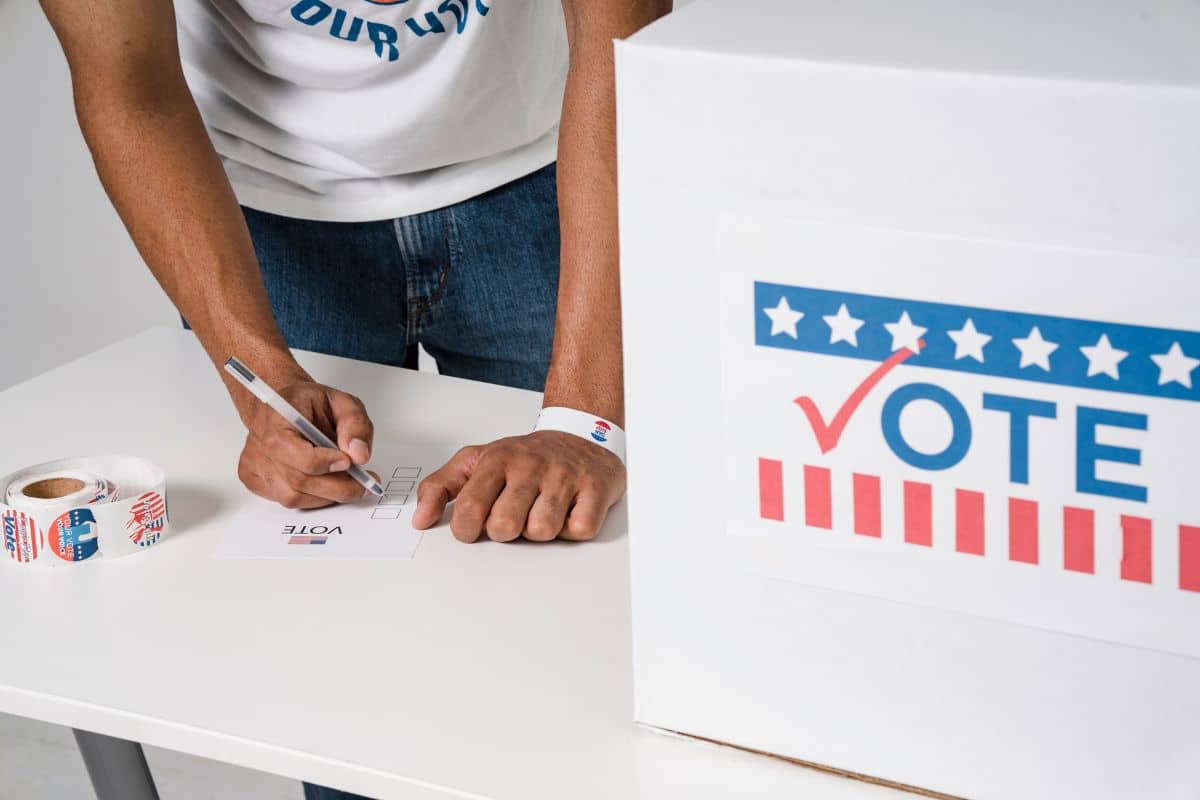
In case it involved recycling, voting, community service, or conserving energy, this phrase encouraged civic duty. In modern culture, calls for personal responsibility toward the public good are sometimes framed as political messaging rather than simple citizenship.
Save this article
“Respect is earned, but everyone deserves dignity.”

Boomers often separated basic human dignity from personal approval. The idea that all people deserve humane treatment regardless of background mirrors modern conversations about human rights and inclusion.
“Peace, not war.”

This slogan echoed through protests and music during the Vietnam era. It promoted nonviolence and diplomacy. Today, similar anti‑war language can be labeled ideological, even though it once defined mainstream youth culture.
“Lend a hand when you can.”

Helping neighbors, coworkers, and strangers was framed as simple decency. In today’s polarized environment, even acts of compassion sometimes get interpreted through political lenses.
“Protect the planet for the next generation.”

Environmental awareness didn’t start on TikTok. Boomers grew up hearing about conservation, pollution, and responsibility to future children. Modern climate discussions make this old phrase sound newly activist.
“Listen before you judge.”

This saying values dialogue over assumptions. It reflects patience, humility, and openness, qualities now often grouped under emotional intelligence or “wokeness,” but once taught simply as good manners.
Key Takeaways

What sounds political today often sounded practical in the past. For many Boomers, these sayings weren’t statements; they were manners, morals, and life lessons. The labels may change, but the human desire for fairness, peace, and dignity remains surprisingly consistent across generations.
Also on MSN: 14 Items Retirees Must Keep Out of Their Grocery Cart
Disclosure: This article was developed with the assistance of AI and was subsequently reviewed, revised, and approved by our editorial team.
Disclaimer: This list is solely the author’s opinion based on research and publicly available information. It is not intended to be professional advice.
Like our content? Be sure to follow us.