We need to talk about those small, everyday American habits that are adding up to a truly massive climate problem.
We all try to do our part. You could recycle your soda cans or switch to LED bulbs. But the sheer scale of US consumption makes our routine choices surprisingly destructive. Our individual carbon footprints are much higher than those of the rest of the world.
The truth is, our daily consumption habits are so extreme that changing just a few things could make a Paris Accord-sized difference.
The really great news is that most Americans are already on board with this. We just need to know where our personal power actually lies. We need to focus on habits that move the needle the most, not just the ones that feel good.
Here are the 10 everyday habits that are causing the most damage, starting with the biggest polluters.
Relying on the single-occupancy gas car

That daily solo commute in your gasoline SUV is likely the biggest climate problem you face.
We love our freedom machine, but US transportation is currently the country’s largest source of energy-related carbon emissions.
A staggering 80% of transportation emissions come from the combustion of motor gasoline and diesel. This means our everyday driving habits are directly responsible for the largest share of our national climate output. People often think small green habits are enough, but the data is brutal. Living car-free is actually 78 times more effective than starting a composting habit, according to researchers.
This dramatically shows how much we underestimate the power of changing how we commute. Simply choosing to drive less, switch to an EV, or even take public transit is where the massive reductions happen.
Eating beef like it’s a staple

This is a tough one to chew on, but reducing how much beef we eat is essential for the planet.
Beef production is incredibly destructive to the environment. Its carbon footprint is estimated to be 8 to 10 times that of producing chicken. The main villain here is methane, a greenhouse gas produced by cattle digestion, which traps way more heat than CO2 does.
A small percentage of Americans are driving this crisis. Only 12% of the population consumes nearly half of the country’s beef supply. Expert Dr. Diego Rose noted that if those heavy beef eaters simply cut back to average consumption levels, it would be enough to “make a small dent in our original commitment to the Paris Accord.”
You don’t have to go fully vegan, but cutting back or making substitutions can really make a significant impact on your carbon footprint.
Trashing nearly half our food

The amount of food Americans waste is genuinely baffling, and it’s a major driver of potent greenhouse gas emissions.
We carelessly throw away almost 40% of the entire US food supply every year. That equals about 325 pounds of perfectly good food waste per person annually. This food waste then goes right into landfills, where it decomposes without oxygen. That process generates massive amounts of methane gas.
Food is the single most significant component of waste in US landfills, accounting for 22 percent of all municipal solid waste (MSW), as per Recycle Track Systems.
This carelessness costs us financially, too, which is just painful. The total value of surplus food across the US hit a staggering $382 billion in 2023. Think of it this way: every single American essentially tossed $1,140 worth of groceries into the trash. Cutting food waste is an immediate win for both your wallet and the planet.
Buying too much fast fashion

Our addiction to cheap, trendy clothing has created a hidden environmental disaster that pollutes the oceans and climate simultaneously.
The fast fashion industry is truly massive. It accounts for 10% of the global annual carbon footprint.
That 10% is actually higher than the combined emissions from all international flights and maritime shipping. That context alone should make you look twice at your shopping cart.
We are literally drowning the world in cheap clothes that we wear a few times. The average American now generates an estimated 82 pounds of textile waste every single year. But the pollution doesn’t stop when you trash it, or even when you buy it. When you wash those synthetic clothes, like polyester, they shed constantly.
An estimated 35% of all microplastics polluting our oceans come directly from laundering synthetic textiles. That means our clothing choices are directly poisoning marine life.
Sticking to single-use plastics
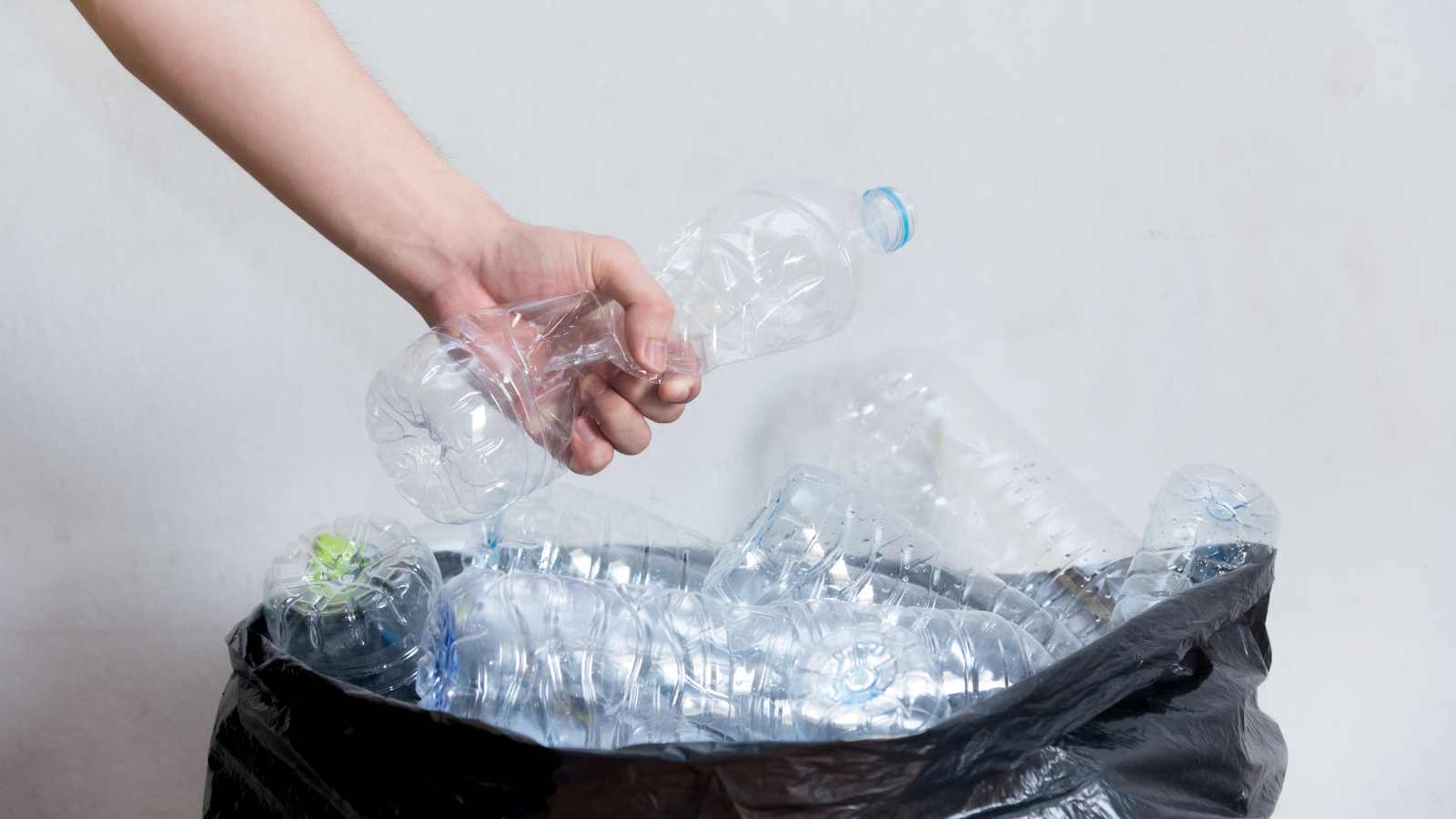
We are utterly addicted to the “convenience” of single-use plastic, and the planet is paying the full price for our ease.
Plastic is popular because it’s cheap, water-resistant, and incredibly durable. That same durability is why it’s so terrible for the environment. PBS reports that since the 1950s, 8.3 billion metric tons of plastic have been produced globally. A shocking 79% of all plastic ever made still sits in landfills or pollutes the natural environment today.
It doesn’t disappear; it just fragments into toxic microplastics that last seemingly forever. You can see this problem quantified clearly in one item: the water bottle. Americans purchase about 50 billion single-use water bottles each year, averaging 13 per person per month. Switching to a reusable bottle instantly saves you about 156 plastic bottles annually. It’s such an easy way to slash your impact.
Blasting the AC and the heat

That year-round need for indoor comfort drives a large share of the country’s energy demand and greenhouse gas emissions.
We expect perfect temperatures inside regardless of the weather outside. This need for constant climate control requires massive amounts of power generation.
Save this article
The U.S. Environmental Protection Agency says that direct and indirect greenhouse gas emissions from homes and businesses accounted for 31% of total U.S. greenhouse gas emissions in 2022. That’s almost one-third of the national total. The amount of pollution we produce fluctuates wildly each year. Emissions usually correspond directly to seasonal heating and cooling demand driven by weather volatility.
Our habit of immediately cranking the AC in summer or the heat in winter puts immense, sudden strain on the national grid. This strain often requires reviving older, dirtier power plants to meet peak demand.
Minor changes to your thermostat settings can make a big difference in your carbon footprint. Reducing the power load directly minimizes the CO2 emissions needed to generate that power.
Letting water leak and run

Wasting water isn’t just about water shortages; it’s about wasting the enormous amount of energy needed to treat, pump, and transport every single drop.
We often treat clean water as an infinite resource, but it requires a massive infrastructure commitment. The average American uses 176 gallons of water per day, according to the US Water Alliance.
A vast amount is wasted through passive decay in our plumbing. The average family can waste 9,400 gallons of water annually just from household leaks. It takes serious power to deliver clean water to your tap. The US Water Alliance reports that 4% of all US energy is used for transporting, treating, and pumping water across the country.
Therefore, every gallon of water you waste also means wasting the CO2 emissions from the energy used to deliver it. Small changes matter here a lot. Turning off the tap while brushing your teeth can save you 8 gallons of water per day.
Booking flights without a thought

While we don’t fly daily, air travel is a unique high-altitude pollution event that builds a massive personal footprint very quickly.
Flying is incredibly impactful per person, per mile traveled. Globally, aviation contributes about 2% of human-induced CO2 emissions. However, experts use a climate impact multiplier for aviation emissions because they are released at high altitudes. When those non-CO2 effects are factored in, aviation is estimated to account for about 3% of the total man-made climate impact. This shows the outsized effect of flying.
For an individual, a single cross-country flight can easily wipe out months of effort toward a sustainable lifestyle on the ground. Air travel remains one of the fastest ways to spike your annual personal emissions.
Improperly disposing of household toxins

Throwing out common household chemicals like paint or cleaning solvents causes immediate, severe contamination to our local water and ecosystem.
It’s easy to forget that household items like old paints, solvents, and pesticides are hazardous waste. They absolutely cannot go into the regular trash or down the drain.
Dumping solvents into landfills or septic systems contaminates both groundwater and surface water, ruining drinking water and killing local wildlife.
Pesticides are also bad news for public services because they can damage expensive sewage treatment plants. These items aren’t just an ecological threat; they’re a huge health risk right in your home. Household cleaning products are the leading cause of poisoning in adults, according to the National Poison Statistics Database.
Proper disposal at a dedicated hazardous waste event is non-negotiable for environmental safety and community health.
Constantly upgrading tech (e-waste)

Our cultural need for the latest gadget feeds a looming global e-waste crisis, squandering billions of dollars’ worth of strategic materials.
That old phone, tablet, or charger you tossed is part of a growing global crisis. E-waste reached a staggering 62 million metric tonnes worldwide in 2022. This problem is only speeding up. The e-waste mountain is projected to grow by another 32% by 2030, driven by rapid consumer replacement cycles.
This waste is a terrible economic loss. E-waste contains strategically valuable materials worth billions of dollars that we are just throwing away.
For example, the E-Waste Monitor notes that only 1% of the global demand for rare earth elements—critical for green tech—is met by recycling e-waste. We are literally mining new resources instead of recovering what we’ve already paid for and tossed.
Key Takeaway

American habits, driven by convenience, are fueling major global crises. To make the most significant impact, focus on the big three: drive less (or go car-free), eat less beef, and waste less food. These shifts offer the highest climate benefit and immediately save you money and improve your personal health.
Disclaimer – This list is solely the author’s opinion based on research and publicly available information. It is not intended to be professional advice.
Disclosure: This article was developed with the assistance of AI and was subsequently reviewed, revised, and approved by our editorial team.
20 Odd American Traditions That Confuse the Rest of the World

20 Odd American Traditions That Confuse the Rest of the World
It’s no surprise that cultures worldwide have their own unique customs and traditions, but some of America’s most beloved habits can seem downright strange to outsiders.
Many American traditions may seem odd or even bizarre to people from other countries. Here are twenty of the strangest American traditions that confuse the rest of the world.