

Visceral fat is the deep fat stored around internal organs and is linked to increased risk of type 2 diabetes, heart disease, and other metabolic conditions. Eating nutrient-dense foods like whole fruits can support healthy body composition and may help reduce visceral fat over time. According to the National Library of Medicine, higher intake of whole fruits reduces visceral adipose tissue, meaning people who eat more fruit tend to have less visceral fat.
Many fruits are high in fiber, antioxidants, and bioactive compounds that support metabolism and improve satiety. These nutrients also reduce inflammation and help the body manage fat stores more effectively. Here are 10 fruits that may help reduce visceral fat.
Apples

Apples may help reduce visceral fat by providing soluble fiber, particularly pectin, which slows digestion and enhances fullness. Reviews of trials and cohort studies show that fiber-rich, low–energy density foods like whole fruits protect against weight gain and central obesity.
Large population studies consistently link higher total fiber intake with lower BMI and smaller waist circumference in both men and women. Researchers also report that each additional 10 g of daily fiber is associated with significantly less long-term weight gain. Eating whole apples with the skin on offers a convenient, low-calorie way to support gradual reductions in abdominal fat.
Berries (Blueberries, Strawberries, Raspberries)

Berries support visceral fat loss through anthocyanins that improve insulin sensitivity and reduce inflammation. Reviews of anthocyanin-rich berries report consistent benefits for obesity-related markers, including body weight, fat mass, and inflammatory cytokines. Visceral fat is especially inflammatory, making these effects particularly relevant.
ResearchGate reports that human data associate higher anthocyanin intake with 3–9% lower total fat mass and reduced central adiposity in women. Trials also show blueberry anthocyanins can increase fat oxidation during activity. Regular berry intake is linked to slower weight gain and smaller increases in waist circumference over time.
Grapefruit

Grapefruit may reduce visceral fat by influencing energy intake, waist circumference, and insulin response. A 12-week trial in obese adults found that grapefruit consumption before meals led to a 7.1% weight loss and a 4.5 cm reduction in waist circumference. Earlier randomized studies similarly showed greater weight loss and improved post-glucose insulin levels.
Additional trials report modest but significant waist reductions with daily grapefruit intake. National survey analyses also show that grapefruit consumers, especially women, tend to have lower BMI and smaller waists. Including grapefruit with meals can support central fat loss, though medication interactions should be reviewed.
Avocado

Avocado may influence visceral fat by improving fat distribution rather than directly reducing fat volume. The National Library of Medicine reports that daily avocado intake did not significantly reduce visceral fat but improved satiety and diet quality. These factors support long-term weight management.
Observational studies show habitual avocado consumers have lower BMI, smaller waist circumference, and less abdominal obesity. Monounsaturated fats in avocado improve insulin sensitivity and may reduce liver fat. Replacing refined carbs or saturated fats with avocado supports healthier fat storage patterns.
Pears
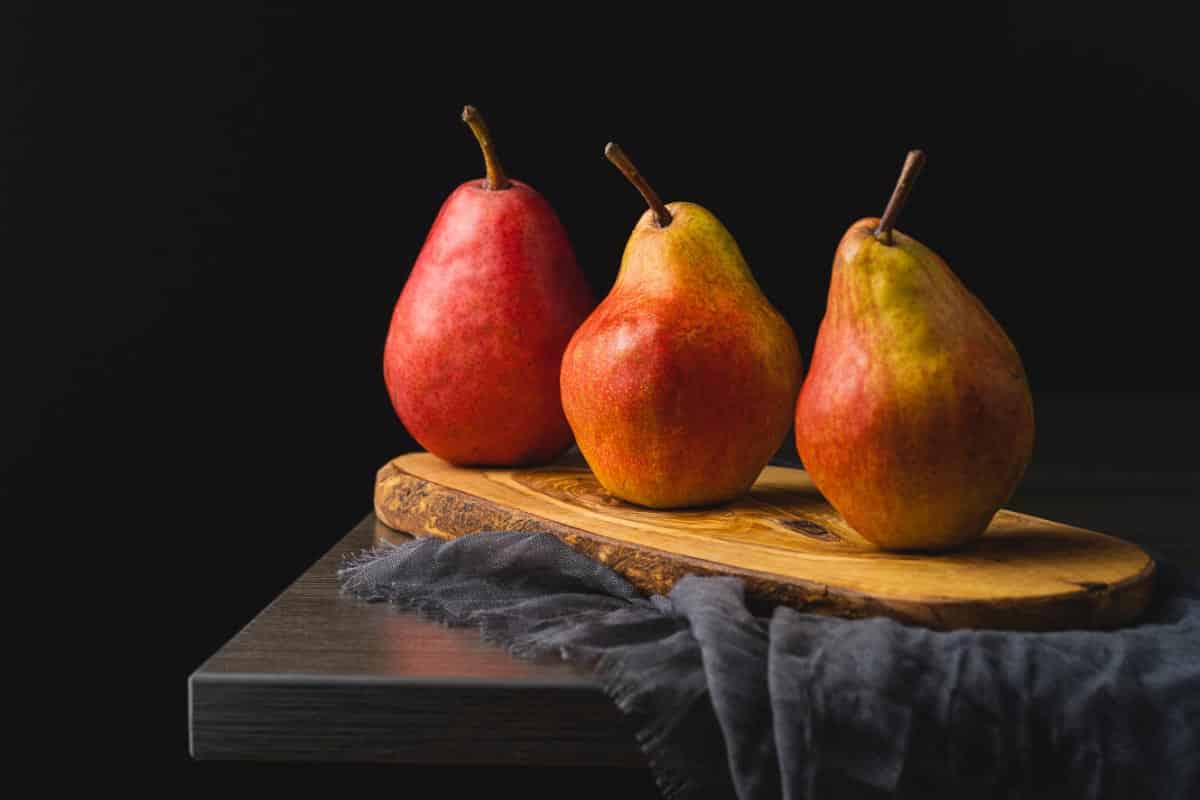
Pears support visceral fat reduction through high fiber and water content that lowers calorie density. A medium pear provides about 5–6 g of fiber while remaining relatively low in calories. Reviews consistently link fiber-rich whole fruits to lower body weight and central obesity.
Higher fruit fiber intake is associated with smaller waist circumference and lower BMI in population studies. Fiber increases satiety and reduces overall energy intake, contributing to gradual fat loss. Replacing calorie-dense snacks with pears can support long-term abdominal fat reduction.
Save this article
Kiwi
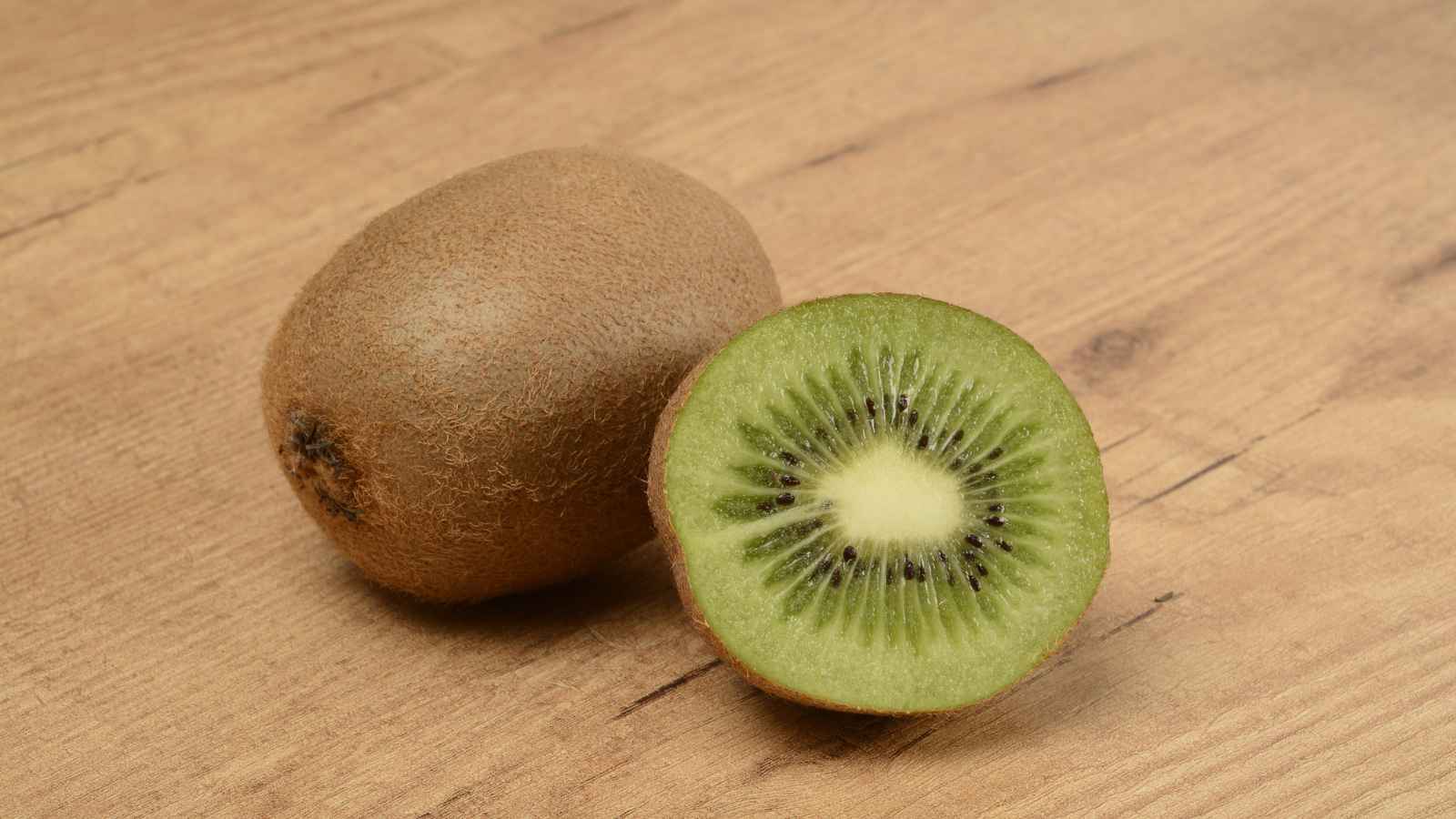
Kiwi may indirectly support visceral fat loss by improving digestion, satiety, and metabolic health. ScienceDirect reports that daily kiwi intake improves bowel regularity and supports adherence to high-fiber diets. Each kiwi provides fiber at a relatively low calorie cost.
Kiwi also supplies vitamin C and antioxidants linked to improved blood pressure and lipid profiles. Higher fiber intake consistently associates with smaller waist circumference and lower visceral fat. Including kiwi as a daily fruit aligns with dietary patterns tied to healthier abdominal fat levels.
Oranges

Oranges help reduce abdominal fat by offering high volume, fiber, and low-calorie density. The National Library of Medicine reports that fiber-rich citrus fruits contribute to lower energy intake and a reduced risk of central obesity. Population data link higher fiber intake to smaller waist circumference.
Vitamin C–rich diets are also associated with improved insulin sensitivity and lower visceral fat. A medium orange provides about 3 g of fiber for roughly 60–80 calories. Choosing whole oranges instead of energy-dense snacks supports gradual abdominal fat loss.
Pomegranate

Pomegranate may influence visceral fat through polyphenols that improve lipid metabolism and reduce oxidative stress. Reviews show benefits for oxidized LDL, endothelial function, and blood pressure, often alongside modest waist reductions. These effects align with improved cardiometabolic health.
Polyphenol-rich fruits are consistently linked to better insulin sensitivity and lower inflammation. Animal studies suggest pomegranate compounds may reduce fat cell formation and liver fat. Small servings of juice or arils can support dietary patterns associated with healthier fat distribution.
Papaya

Papaya supports visceral fat reduction through low energy density combined with fiber and digestive support. One cup provides roughly 2–3 g of fiber for about 60 calories, promoting fullness with minimal energy intake. Fiber-rich diets are consistently associated with lower body weight and waist circumference.
Papaya also supplies vitamin C and carotenoids that support metabolic health. Improved digestion can make lower-calorie diets easier to sustain. Replacing calorie-dense sweets with papaya may help reduce abdominal fat over time.
Watermelon

Watermelon may aid visceral fat reduction by offering high water content and low calorie density. Two cups provide substantial volume for about 80 calories, which can displace more energy-dense foods. Diets rich in low-energy-density fruits are associated with smaller waist circumference.
Watermelon also contains lycopene, linked to better cardiometabolic profiles and lower metabolic syndrome risk. Studies connect these improvements with healthier waist measurements. Choosing watermelon as a snack or dessert supports lower energy intake and healthier fat distribution.
Disclosure: This article was developed with the assistance of AI and was subsequently reviewed, revised, and approved by our editorial team.
Disclaimer – This list is solely the author’s opinion based on research and publicly available information. It is not intended to be professional advice.
Like our content? Be sure to follow us.





