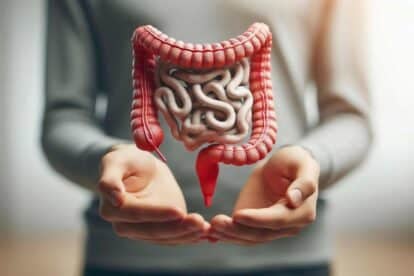

The food supply chain is under pressure, and within the next decade, some of our everyday staples could vanish from store shelves.
The familiar comfort of a fully stocked pantry might one day feel like a memory. As our planet changes and global events shift, the way we source and produce food is facing a shake-up. The grocery store shelves we take for granted today could look remarkably different in just ten years, with some of our most beloved staples becoming hard to find or, worse, impossibly expensive.
It’s easy to feel like these are distant problems, but the signs are already here. Farmers are feeling the heat, both literally and figuratively, and supply chains are proving to be more fragile than we once thought. We’re on the cusp of a major shift, and it pays to be prepared for a future where a simple shopping trip requires a bit more foresight.
Bananas

That convenient yellow fruit, the banana, is in trouble. A fungal disease known as Tropical Race 4, also referred to as Panama Disease, is spreading across the world’s banana plantations. It’s resistant to fungicides and can wipe out entire crops. The Cavendish banana, the most popular variety, is particularly susceptible to this disease. It’s a monoculture, which means there’s little genetic diversity to fight off the blight.
Coffee

Morning rituals are sacred, but the aromatic cup of joe that kicks off millions of days could be a luxury in the not-so-distant future. The Arabica bean, which accounts for over 60% of global coffee production, is particularly vulnerable to rising temperatures. A 2019 report from the Inter-American Development Bank stated that by 2050, the amount of land suitable for growing coffee could shrink by as much as 50% due to climate change. This puts a squeeze on farmers and consumers alike.
Chocolate

Imagine a world without chocolate. It’s a nightmare scenario. Cacao plants are incredibly picky about their environment, thriving only in a narrow band of rainforest near the equator. As global temperatures rise and weather patterns become less predictable, these delicate plants are struggling. A report from the World Economic Forum says that chocolate could become nonexistent by 2040. If that is anything to go by, then we might have a looming scarcity in the next couple of years.
Seafood

Overfishing has been a problem for decades, but the combination of warming oceans and ocean acidification is a double whammy for marine life. Many popular fish species are witnessing the disappearance of their habitats and food sources. According to a report from the Food and Agriculture Organization of the United Nations, only 62.3% of the world’s fish stocks are at biologically sustainable levels. This means fewer fish on our plates and a higher price tag for what’s left.
Avocados

The “toast” of a generation is in jeopardy. Avocado farming requires a massive amount of water. As droughts become increasingly common in major agricultural regions like California, Mexico, and Chile, water resources are becoming increasingly strained. One avocado can require up to 320 liters of water to grow, a figure that becomes alarming when compared to the water needed for other fruits.
Maple Syrup
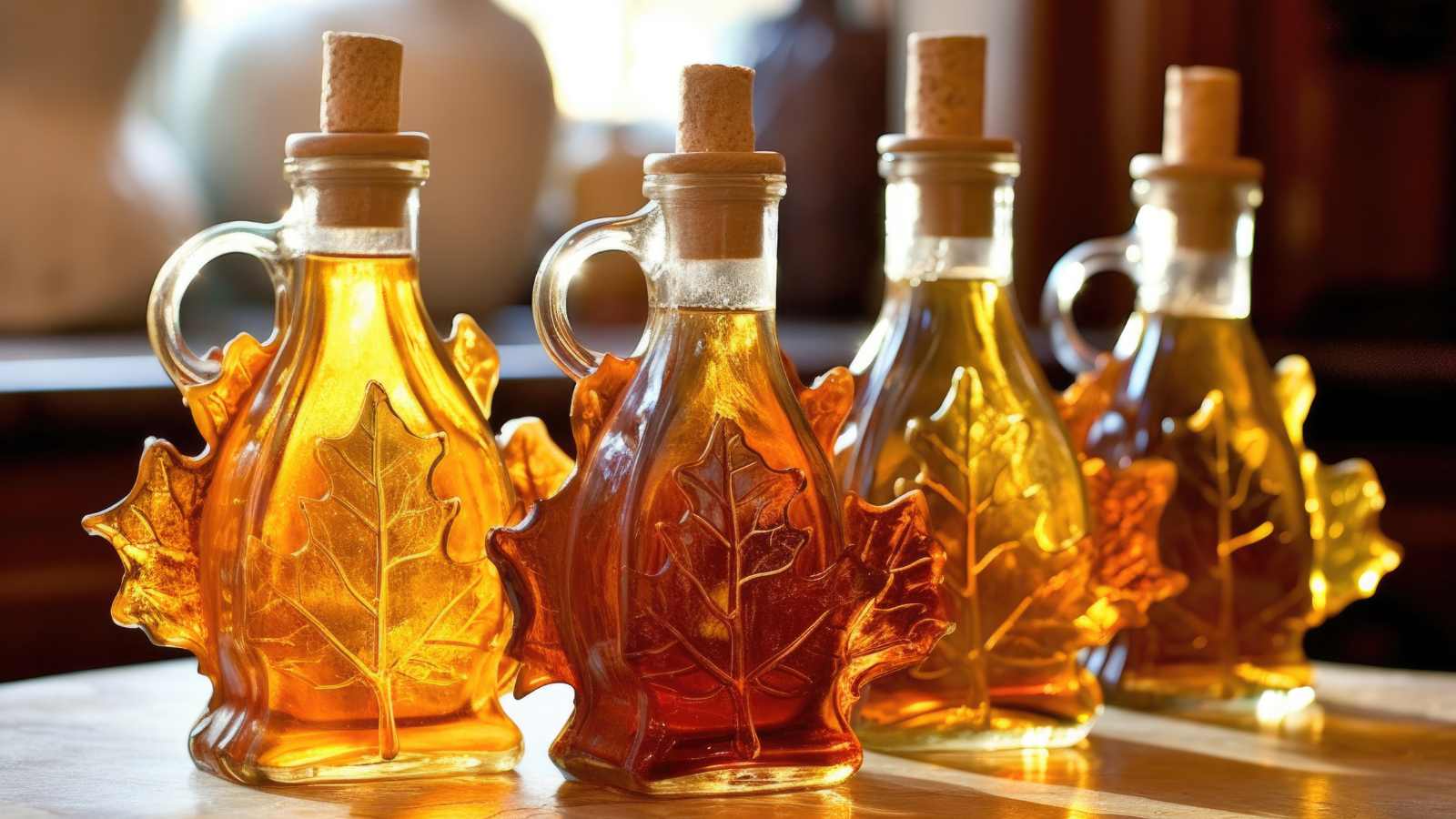
Pancakes just won’t be the same. Maple trees need a specific freeze-thaw cycle in the spring to produce their sap. With warmer winters, this cycle is being disrupted. Farmers in New England and Canada are reporting shorter tapping seasons.
Wine

Save this article
Lovers of a good Cabernet or Chardonnay may need to adjust their palates. Grapes are susceptible to temperature and rainfall. Rising temperatures can alter the sugar content and acidity of the grapes, thereby changing the flavor profile of the wine. Some traditional wine regions may become unsuitable for winemaking, prompting vineyards to relocate to new areas. A report by the Columbia Climate School estimates that the world’s wine regions suitable for planting could shrink by up to half in the near future.
Honey

The humble bee is facing big problems. Colony Collapse Disorder, along with the use of pesticides, is decimating bee populations. Without these pollinators, many crops would fail, but honey itself would also become a rare commodity. In 2025, approximately 1.6 million honeybee colonies were lost in the United States, representing a 62% decline from the previous period.
Peanut Butter

That lunchtime sandwich staple is at risk. Peanuts are sensitive to both drought and excessive rainfall. A change in climate patterns could impact crop yields in major producing regions, such as the southeastern United States. Just ask a farmer in Georgia, the top peanut-producing state, about a year with too little or too much rain, and you’ll get a story about a crop that’s a real gamble.
Olive Oil

The foundation of Mediterranean cuisine, olive oil, is under threat. Olive trees, ancient ones, are susceptible to drought and a bacterial disease called Xylella fastidiosa. The disease has devastated groves in Italy and Spain, the world’s largest producers. Our grandparents told us about the droughts, but this seems different. It’s relentless.
Disclaimer – This list is solely the author’s opinion based on research and publicly available information. It is not intended to be professional advice.
Like our content? Be sure to follow us.
How Total Beginners Are Building Wealth Fast in 2025—No Experience Needed

How Total Beginners Are Building Wealth Fast in 2025
I used to think investing was something you did after you were already rich. Like, you needed $10,000 in a suit pocket and a guy named Chad at some fancy firm who knew how to “diversify your portfolio.” Meanwhile, I was just trying to figure out how to stretch $43 to payday.
But a lot has changed. And fast. In 2025, building wealth doesn’t require a finance degree—or even a lot of money. The tools are simpler. The entry points are lower. And believe it or not, total beginners are stacking wins just by starting small and staying consistent.
Click here and let’s break down how.
5 Easy Steps to Change Any Habit
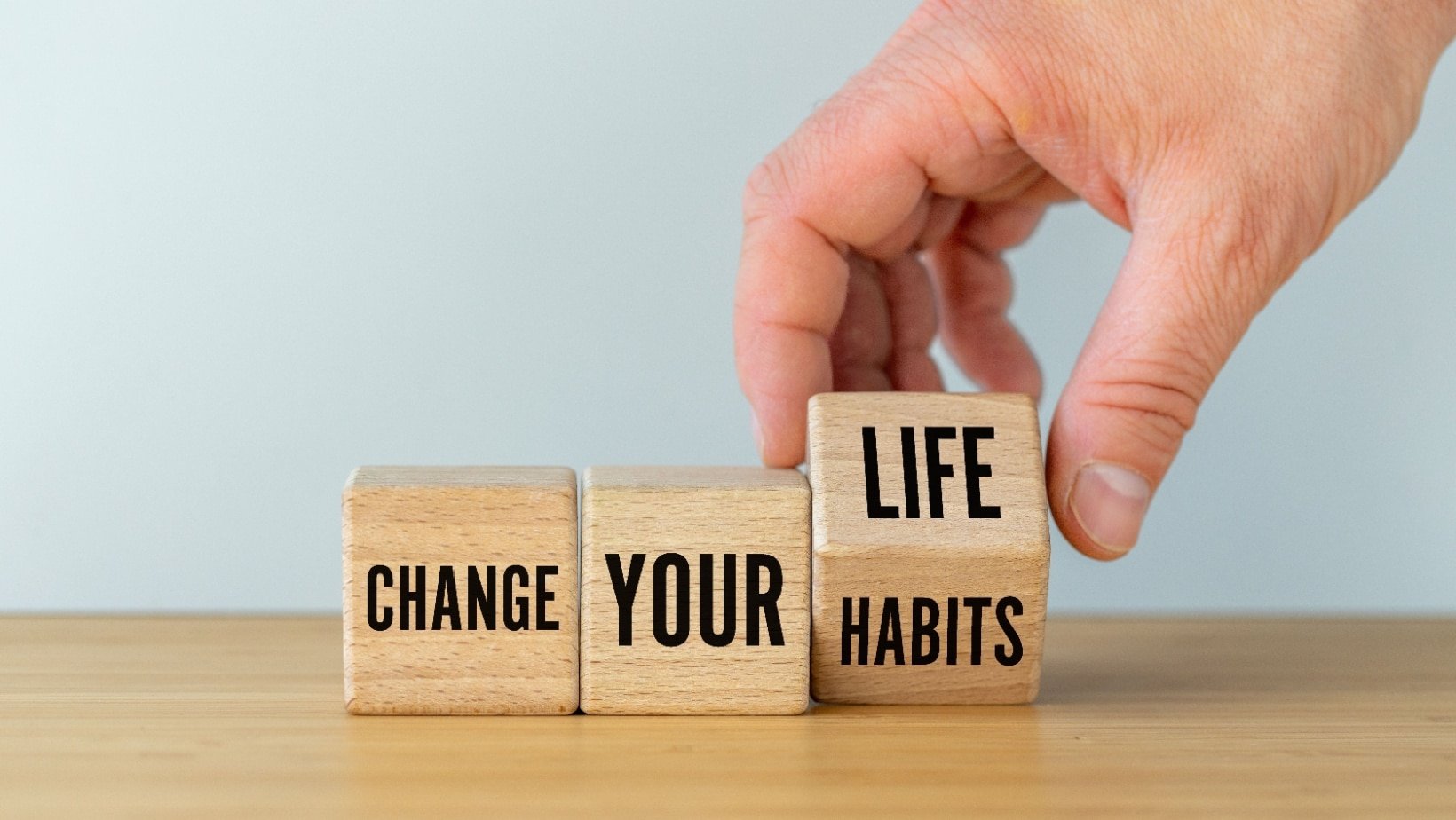
5 Easy Steps to Change Any Habit
We all click on them with the hope that just THIS time the secret to changing a bad habit or adopting a healthy one will be revealed and we’ll finally be able to stick to that diet, stop that one or ten things that might in the moment make us feel temporarily good but really just make us fat, unhealthy, sad, mad or just frustrated with ourselves.