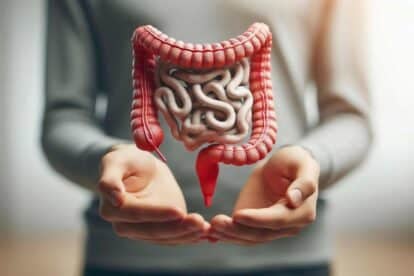
In a nation obsessed with slimming down, the pursuit of weight loss has quietly become one of the most common and dangerous health experiments of our time.
The quest for weight loss is a familiar American story, with promises of a healthier, happier life often just a diet plan away. From keto to paleo, intermittent fasting to calorie counting, the options are endless, each presented as the key to unlocking your ideal self. It’s a multi-billion-dollar industry built on transformation, but the journey to a smaller dress size can sometimes feel like walking through a minefield of conflicting advice and unrealistic expectations.
But what happens when the pursuit of health becomes unhealthy? Chasing a number on the scale can sometimes lead us down a winding road with unexpected and unwelcome consequences. The focus on restriction and rapid results can backfire, impacting not just our physical well-being but our mental and social lives, too. It’s time to pull back the curtain on the less glamorous side of dieting. Before you jump on the next big trend, let’s talk about the potential pitfalls.
You Could Lose Precious Muscle Mass

The number on the scale can be deceiving because it doesn’t differentiate between fat loss and muscle loss. When you lose weight too quickly through severe calorie restriction alone, a significant portion of that loss can come from lean muscle tissue, not just fat. This is especially true if you aren’t combining your diet with strength training and sufficient protein intake.
Losing muscle is a bad deal all around because muscle is metabolically active tissue, meaning it burns calories even when you’re at rest. So, as you lose muscle, your metabolism slows down even further, creating a vicious cycle. You essentially become a smaller, but less efficient, calorie-burning machine, which is the exact opposite of what most people are trying to achieve for long-term health and fitness.
Nutrient Deficiencies Are A Real Concern
Many popular diets achieve rapid results by cutting out entire food groups, which sounds simple enough until you consider what you’re really missing. Eliminating carbs, dairy, or fats can strip your body of essential vitamins, minerals, and fiber, leaving you feeling sluggish, foggy, and weak. Your body is like a high-performance engine; it needs a premium mix of fuel to run correctly. A varied diet isn’t just for fun; it’s a biological necessity.
Think of it this way: your immune system needs Vitamin C from fruits, your bones crave calcium from dairy, and your brain functions best with healthy fats. When you restrict these sources without a solid replacement plan, you’re setting yourself up for trouble down the line.
According to the CDC, about 90% of Americans don’t eat the recommended amount of fruits and vegetables. Restrictive diets can easily worsen this gap, creating a nutritional deficit that can have long-term health effects.
Your Metabolism Might Slow To A Crawl
When you drastically cut calories, your body’s survival instincts kick in with a vengeance. It doesn’t know you’re trying to fit into old jeans; it thinks you’re stranded on a desert island and facing starvation. In response, it slows down your metabolism, the rate at which you burn calories, to conserve energy. This phenomenon, known as metabolic adaptation or “starvation mode,” is your body’s way of protecting you.
The problem is that this metabolic slowdown can persist even after you stop dieting, making it incredibly easy to regain the weight you lost. It’s a cruel twist of fate where your efforts to lose weight make it harder to keep it off in the future. A famous study of “The Biggest Loser” contestants revealed that their metabolisms had slowed so much that they were burning up to 700 fewer calories per day than expected for their size.
It Can Lead To An Unhealthy Relationship With Food
Dieting often requires categorizing foods as “good” or “bad,” which can foster guilt and anxiety around eating. This black-and-white thinking can turn a simple meal into a moral dilemma, where eating a “bad” food feels like a personal failure. Over time, this can erode the joy and social connection that food is meant to bring, replacing it with stress and obsessive thoughts.
This mental battle can be exhausting and is a slippery slope toward disordered eating patterns. The constant monitoring and restriction can make you feel like you’re at war with your own body. The National Eating Disorders Association reports a stark connection, noting that 35% of “normal” dieters progress to pathological dieting, and of those, about 20-25% develop full-blown eating disorders.
You Might Suffer From Dehydration
Many popular low-carb diets, like the keto diet, lead to rapid initial weight loss that can be incredibly motivating. However, much of this initial drop isn’t fat but water weight. Carbohydrates are stored in the body along with water, so when you deplete those stores, the water goes with them. This diuretic effect can easily lead to dehydration if you’re not careful.
Dehydration comes with a host of unpleasant side effects, including headaches, dizziness, fatigue, and constipation. You might be celebrating a lower number on the scale, but your body is screaming for water. It’s a reminder that quick results are not always a sign of healthy progress and that proper hydration is fundamental to feeling and functioning your best, regardless of your diet plan.
The Onset Of Gallstones Is A Possibility
Losing a lot of weight very quickly is a known risk factor for developing gallstones, which are hard deposits that form in the gallbladder. When you dramatically reduce your fat intake, your gallbladder doesn’t contract as often, allowing bile to sit and concentrate, which can lead to stone formation. These can be incredibly painful and may even require surgery.
This is a classic example of a “solution” creating a whole new problem. The irony is that in your rush to get healthy, you could trigger a painful medical condition. The National Institute of Diabetes and Digestive and Kidney Diseases states that people who lose large amounts of weight quickly through very low-calorie diets or bariatric surgery develop gallstones.
Your Social Life May Take A Hit

Save this article
Food is central to so many social gatherings, from birthday parties and holiday dinners to a simple pizza night with friends. When you’re on a strict diet, navigating these events can be stressful and isolating. You might find yourself turning down invitations or feeling like the odd one out as you sip on water while everyone else enjoys a healthy meal.
This can lead to feelings of loneliness and resentment, chipping away at the important social connections that are vital for mental health. You might be winning the battle on the scale but losing the connection with the people you love. Choosing between your diet goals and your social life is a tough spot to be in, and it’s a hidden cost of many restrictive eating plans.
The Yo-Yo Effect Can Be Harmful
Yo-yo dieting, or weight cycling, is the frustrating pattern of losing weight, regaining it, and then dieting again. This happens because restrictive diets are often unsustainable in the long run. Once you “go off” the diet, the weight piles back on, often with a little extra for good measure. This cycle can be more detrimental to your health than staying at a stable, albeit higher, weight.
Each cycle can mess with your metabolism, increase your risk for heart disease, and take a significant psychological toll, leading to feelings of failure and hopelessness. It’s like being on a frustrating hamster wheel that goes nowhere fast. An NIH study shows that the vast majority of dieters regain the weight they lose, with some regaining as much as 80% of the weight within 5 years.
It Can Weaken Your Immune System

Your immune system relies on a steady supply of vitamins and minerals to function properly and fight off infections. Nutrients like zinc, selenium, iron, copper, and vitamins A, C, E, and B-6 are all critical for immune health. When a diet severely restricts calories or eliminates entire food groups, you risk not getting enough of these essential micronutrients.
This can leave you more susceptible to catching every cold and flu that comes your way. You might look leaner, but your body’s internal defense system could be running on empty. A balanced approach to nutrition isn’t just about weight loss; it’s about providing your body with the tools it needs to keep you healthy and resilient against illness.
The Mental And Emotional Toll Is Significant
Constantly thinking about food, counting calories, and worrying about every bite can be mentally draining. The pressure to stick to a rigid plan, combined with the guilt that follows any perceived slip-up, can significantly increase stress, anxiety, and even symptoms of depression. Dieting can consume your mental energy, leaving little room for other joys in life.
This intense focus can warp your self-perception, making your self-worth entirely dependent on the number on the scale. A study by BMC Pubic Health found a clear link, showing that dieting adolescents were more likely to report depressive symptoms. Your happiness should never be held hostage by your bathroom scale. True well-being encompasses both mental and physical health, a balance that extreme dieting often disrupts.
Disclaimer – This list is solely the author’s opinion based on research and publicly available information. It is not intended to be professional advice.
Like our content? Be sure to follow us.
How Total Beginners Are Building Wealth Fast in 2025—No Experience Needed

How Total Beginners Are Building Wealth Fast in 2025
I used to think investing was something you did after you were already rich. Like, you needed $10,000 in a suit pocket and a guy named Chad at some fancy firm who knew how to “diversify your portfolio.” Meanwhile, I was just trying to figure out how to stretch $43 to payday.
But a lot has changed. And fast. In 2025, building wealth doesn’t require a finance degree—or even a lot of money. The tools are simpler. The entry points are lower. And believe it or not, total beginners are stacking wins just by starting small and staying consistent.
Click here and let’s break down how.