Big box stores offer the undeniable convenience of a one-stop shop, promising everything from groceries to garden tools under one massive roof. It’s easy to get swept up in the vast aisles and attractive displays, making you feel like you’re getting a great deal on every purchase. However, a discerning shopper knows that not all items are created equal in terms of value and quality at these retail giants.
While big retailers excel at specific products, others are either overpriced, of questionable quality, or better sourced elsewhere. Learning to navigate these behemoths means understanding where to save and where to steer clear. This isn’t about avoiding them entirely, but rather about making smarter decisions to stretch your money further and get the most out of your purchases.
Cleaning Supplies (Brand Names)

Many brand-name cleaning supplies at big retailers carry a significant markup. Basic cleaning agents, such as vinegar, baking soda, and bleach, are incredibly effective and much cheaper when purchased in larger quantities from various stores or even from the retailer’s generic brand. You can also craft your solutions for a fraction of the cost.
Pre-Cut Fruits and Vegetables
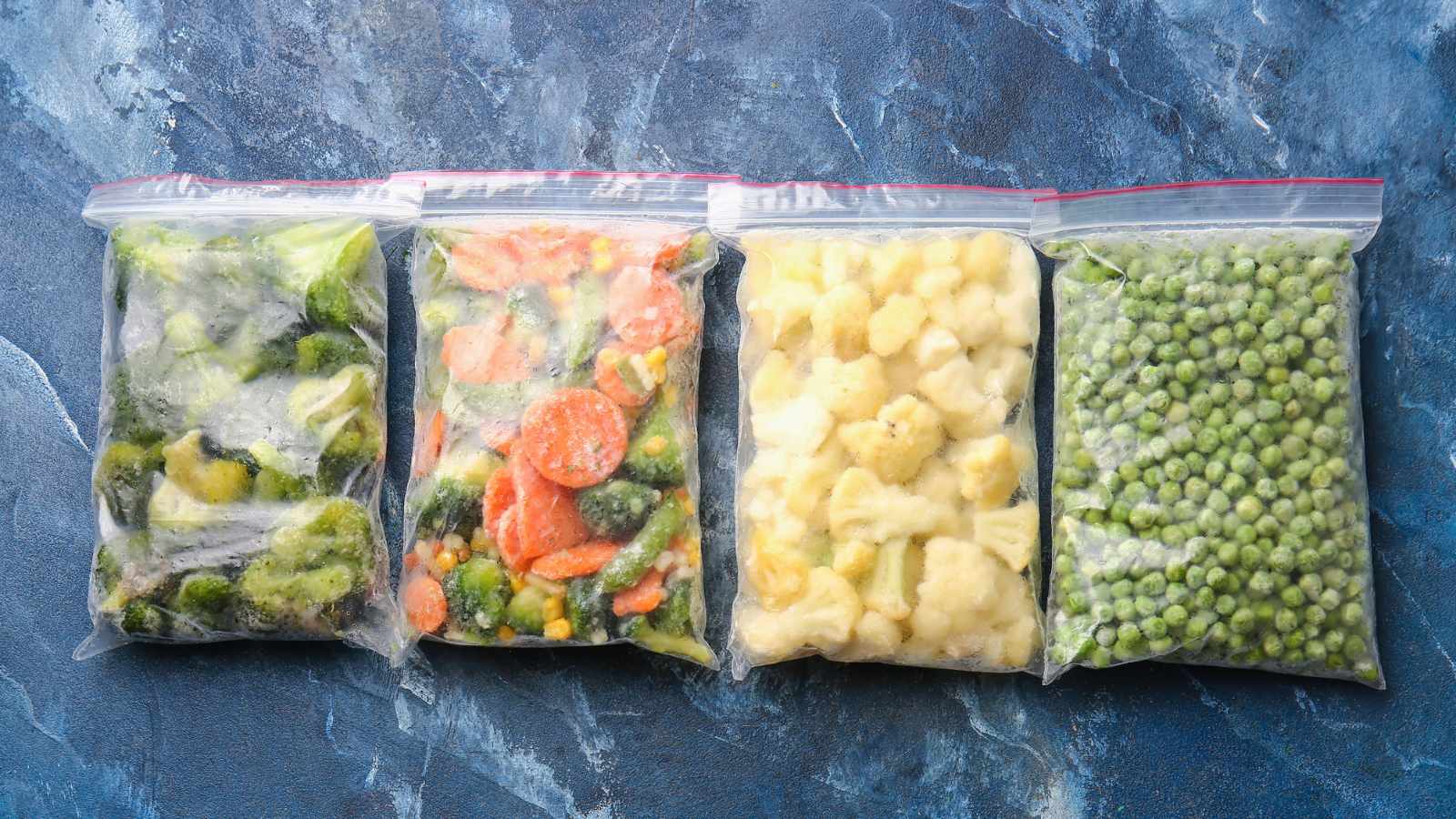
The convenience of pre-cut fruits and vegetables often comes with a hefty price tag and a shorter shelf life. You’re paying a premium for someone else to do the chopping, and these items tend to spoil much faster than their whole counterparts. For a healthier wallet and fresher produce, it’s always better to buy whole fruits and veggies and do the prepping yourself.
Spices in Small Jars

Those small jars of spices in the baking aisle might seem convenient, but they are often surprisingly expensive for the quantity you receive. Spices also lose their potency over time. For better value and freshness, consider buying spices in bulk from specialty stores or ethnic markets, where you can often find them at a fraction of the cost.
Batteries

It might be tempting to grab a pack of batteries at the checkout, but you’ll usually pay a premium for this convenience. Big retailers often have higher markups on batteries compared to warehouse clubs or even online retailers. Stocking up on bulk packs from places like Costco or Amazon can lead to significant savings over time.
Greeting Cards

A greeting card might seem like a small purchase, but at big-name retailers, the price can be surprisingly steep. Before you know it, you’re paying more than you expected for a bit of paper and sentiment. These little expenses add up fast, especially around holidays and birthdays. If you’re trying to reduce your everyday spending, it’s worth exploring alternatives.
Packaged Meat (Unless on Sale)

While convenient, packaged meat at big retailers can be more expensive and sometimes less fresh than what you’d find at a dedicated butcher shop. Grocery stores often use meat as “loss leaders” to draw customers in, so unless it’s a genuine sale, you might be paying more for cuts that aren’t the best quality. A butcher can provide fresher options and custom cuts.
Cookware and Kitchen Tools

Save this article
While big retailers offer a wide selection of kitchen items, the quality can be inconsistent, and prices for decent pieces are often higher than those found at discount home goods stores or online. For durable kitchen tools and cookware that will last, it’s often better to invest a bit more at specialty stores or take advantage of sales at places known for their quality housewares.
Pet Food (Unless in Bulk)

Pet food at traditional big retailers can be pricier, especially if you’re buying smaller bags or cans individually. For pet owners, buying in bulk from warehouse clubs like Costco or Sam’s Club, or subscribing to online delivery services, can lead to substantial savings. These options often offer better per-pound pricing and loyalty discounts.
Magazines

Grabbing a magazine at the checkout line might feel like a harmless impulse buy, but it often comes with a higher price than it’s worth. Those glossy pages might be tempting, but the cost adds up quickly if it becomes a regular habit. If you enjoy reading magazines, there are more innovative ways to keep up. Subscriptions offer better value, and many libraries now give free digital access to a wide range of publications. With a bit of planning, you can stay informed and entertained without draining your wallet.
Bottled Water

Despite its apparent low cost per bottle, bottled water at big retailers has an astonishing markup. The U.S. Centers for Disease Control and Prevention states that over 90% of Americans have access to safe tap water. Investing in a reusable water bottle and a home filter system is not only more economical but also better for the environment.
Disclaimer – This list is solely the author’s opinion based on research and publicly available information. It is not intended to be professional advice.
How Total Beginners Are Building Wealth Fast in 2025—No Experience Needed

How Total Beginners Are Building Wealth Fast in 2025
I used to think investing was something you did after you were already rich. Like, you needed $10,000 in a suit pocket and a guy named Chad at some fancy firm who knew how to “diversify your portfolio.” Meanwhile, I was just trying to figure out how to stretch $43 to payday.
But a lot has changed. And fast. In 2025, building wealth doesn’t require a finance degree—or even a lot of money. The tools are simpler. The entry points are lower. And believe it or not, total beginners are stacking wins just by starting small and staying consistent.
Click here and let’s break down how.
5 Easy Steps to Change Any Habit

5 Easy Steps to Change Any Habit
We all click on them with the hope that just THIS time the secret to changing a bad habit or adopting a healthy one will be revealed and we’ll finally be able to stick to that diet, stop that one or ten things that might in the moment make us feel temporarily good but really just make us fat, unhealthy, sad, mad or just frustrated with ourselves.