

The world feels vast and uncertain, yet in these ten countries, safety has quietly become the foundation for fearless solo journeys.
Packing your bags for a solo trip can feel equal parts exciting and nerve-wracking, especially when trying to pick a spot that feels secure. You want a destination where you can wander freely, meet friendly locals, and focus on the fun rather than worrying about your safety every step of the way.
Choosing the right location often comes down to looking at the hard numbers and hearing from people who have actually been there. We have looked at the latest 2026 projections and safety indexes to bring you a list of nations where low crime rates and welcoming cultures are the standard. These ten countries consistently rank at the top for peace and stability, making them perfect choices for your next big adventure.
Iceland
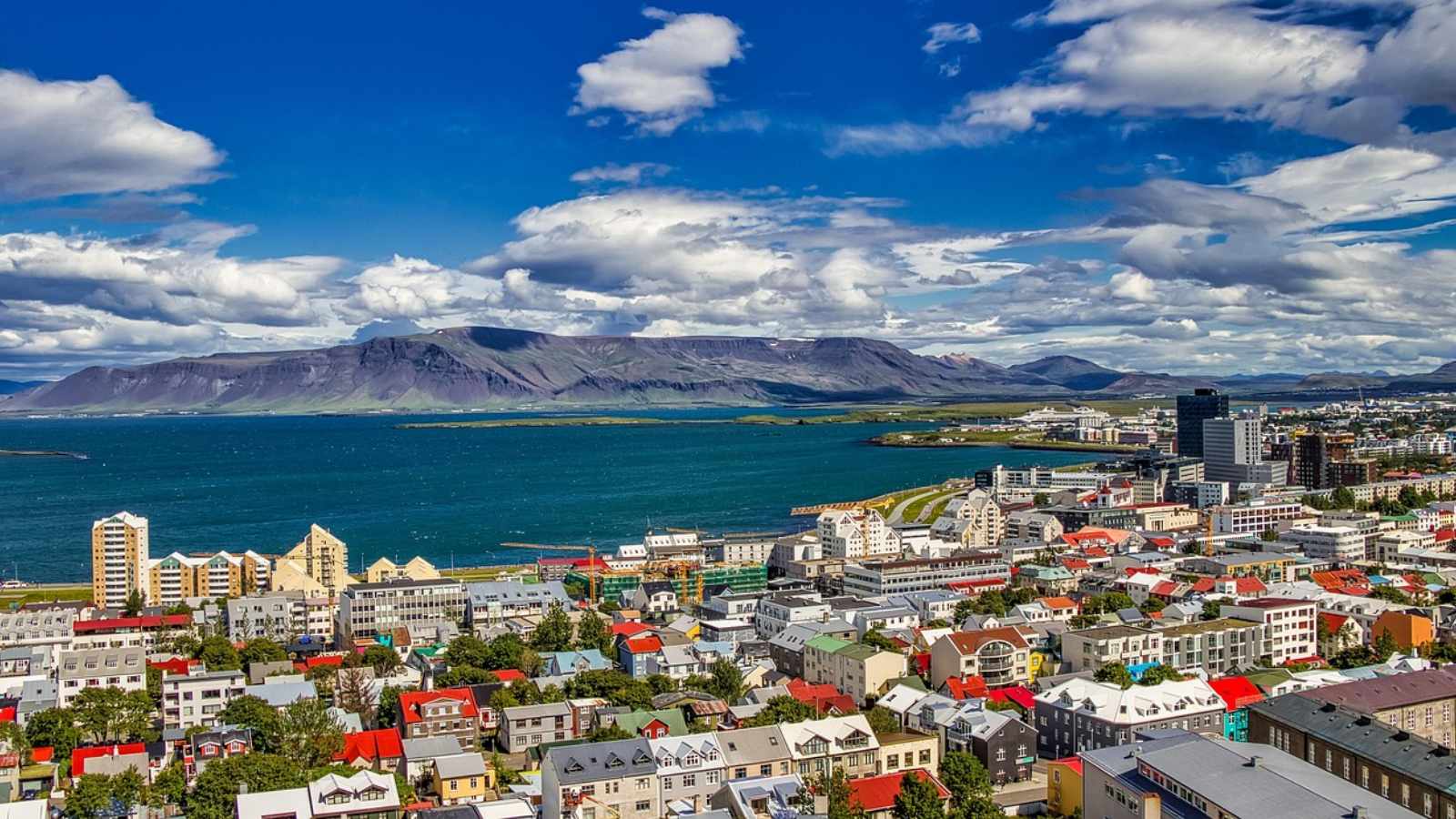
This island nation is famous for its stunning glaciers and waterfalls, but it is also legendary for being incredibly secure for visitors. It has held the number one spot on the Global Peace Index for 14 consecutive years, which is a record that speaks volumes about its stability. You can walk through the streets of Reykjavik late at night and feel completely at ease because violent crime is practically nonexistent here.
The local culture is very community-focused, and people look out for one another, including the tourists who come to see the Northern Lights. Getting around is simple since English is widely spoken, and the tourism infrastructure is top-tier. Junamour reports that females make up to 84% of solo travelers, and they often go to destinations like this.
Denmark

Denmark often tops the charts for quality of life, and it is a fantastic place for women traveling alone to explore Scandinavian culture. The country scored highest overall with a .939 rating on the 2025/26 Women, Peace, and Security Index, reflecting its commitment to safety and equality. You will find that public transport is reliable and clean, making it easy to hop between colorful city districts without stress.
Danes are known for “hygge,” a concept of cozy contentment that extends to how they treat guests in their country. You can sit in a cafe in Copenhagen with a book and a pastry without anyone bothering you or making you feel uncomfortable. Whether you are biking through the city or visiting historic castles, the atmosphere remains relaxed and incredibly friendly.
New Zealand

If you love the outdoors, New Zealand offers breathtaking scenery without the worry that often comes with remote locations. It was ranked the third most peaceful country in the world on the 2025 Global Peace Index, solidifying its reputation as a haven. The locals, known as Kiwis, are famous for being helpful and will often go out of their way to give directions.
The backpacking culture here is huge, so you will likely meet plenty of other solo wanderers in hostels and on hiking trails. You can rent a campervan and drive across the islands knowing that campgrounds and roads are well-maintained and safe. Exploring the wild terrain feels much less intimidating when you know help is never too far away.
Switzerland

Switzerland is practically synonymous with order and efficiency, which translates to a very stress-free experience for travelers. The crime rate per 100,000 people was just 4,500 in 2025, one of the lowest figures globally. Trains run like clockwork, and the cities are spotless, allowing you to focus entirely on the chocolate and the Alps.
Hiking in the Swiss mountains is a favorite activity, and the trails are clearly marked and often populated by other hikers. You do not need to worry about getting lost in a dangerous area because everything is mapped and regulated. Even in the larger cities like Zurich or Geneva, the vibe is calm, and the streets remain safe after dark.
Singapore

Singapore is a modern marvel in Southeast Asia, where strict laws have created an environment that is incredibly safe for everyone. The city-state reports a remarkably low rate of assault, making it a standout for personal security. You can leave your bag on a chair in a food court to grab a drink, and it will likely still be there when you return.
Save this article
The public transport system is extensive and bright, so getting back to your hotel after a night out is never a hassle. It is a melting pot of cultures with delicious food, yet it lacks the chaotic elements found in some other big cities. Solo female travelers consistently rate it as one of the few places in Asia where they feel totally secure at any hour.
Ireland

The Emerald Isle is known for its pubs, music, and storytelling, but it is also a place where you will rarely feel alone. The people are naturally chatty and welcoming, often striking up conversations with visitors in a way that feels genuine and safe. Ireland secured the number two spot on the 2025 Global Peace Index, right behind Iceland, thanks to its low conflict and high societal safety.
You can rent a car to drive the Wild Atlantic Way and stop in small villages where the locals will treat you like a neighbor. Bed and breakfasts are a great option here, offering a safe and homey environment. The main cities, like Dublin, are lively and busy, yet they maintain a small-town feel that is easy to manage on your own.
Japan

Japan blends ancient tradition with futuristic technology in a way that is fascinating and incredibly orderly. Street crime is rare, and it is common to see young children taking the subway alone, which shows just how safe the society is. You can explore neon-lit districts or quiet temples with peace of mind, as theft and harassment are very uncommon occurrences here.
There are also female-only accommodations and train cars available if you prefer an extra layer of privacy and comfort. Dining alone is culturally accepted and normal, with many restaurants offering counter seating perfect for one. The polite and respectful nature of Japanese culture ensures that you will rarely face unwanted attention while traveling.
Austria

Austria is a jewel in Central Europe that offers imperial history, classical music, and a very high standard of safety. The cities are walkable and well-lit, and the crime rates are consistently among the lowest in the region. Vienna often ranks as the most livable city in the world, and that quality of life extends to the safety of its visitors.
You can spend your days visiting museums and your evenings listening to opera without worrying about walking back to your hotel. The train system connects you to beautiful alpine villages that are just as secure as the capital. Travelers here often report feeling a strong sense of personal freedom and ease while moving through the country.
Portugal
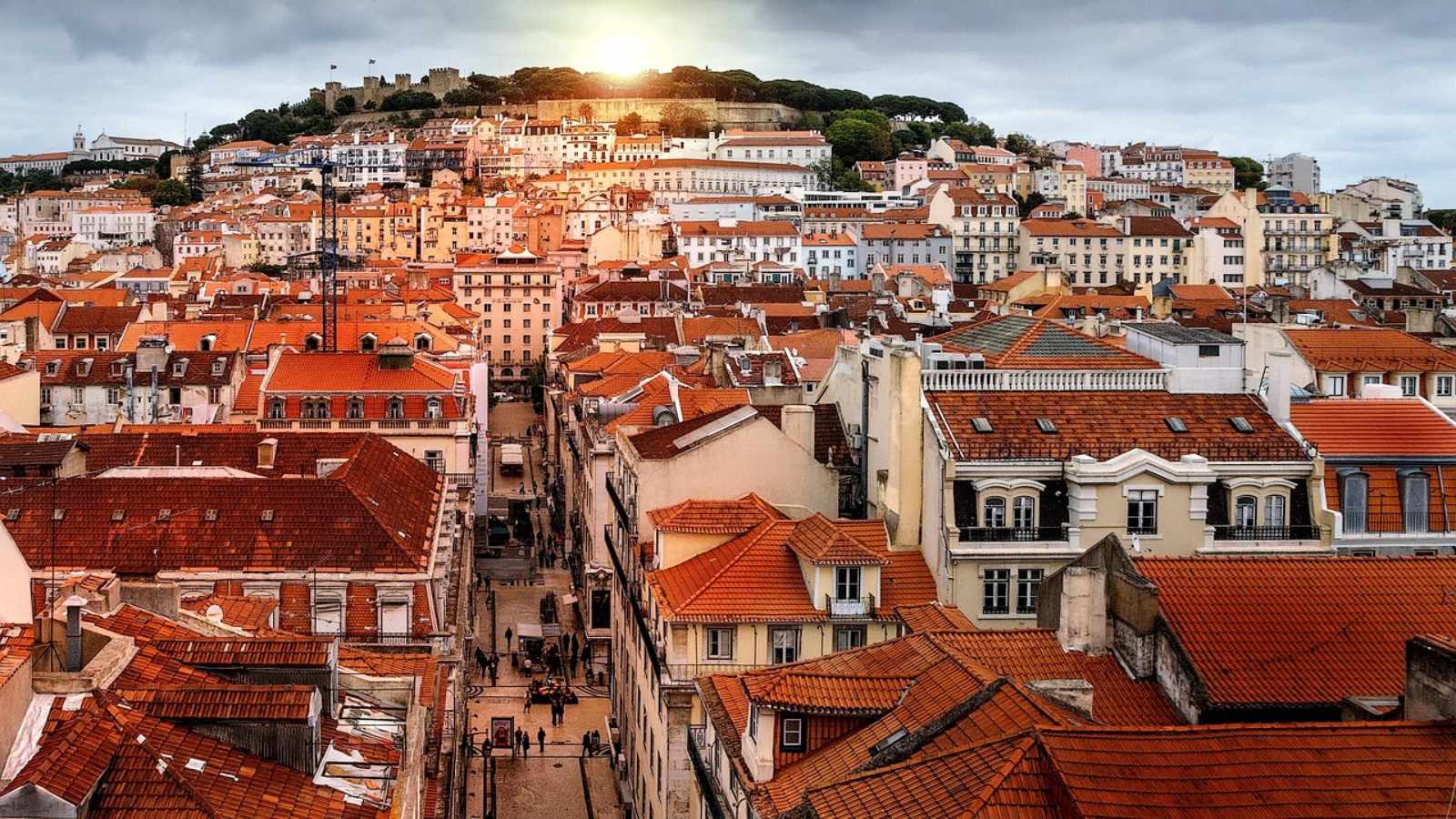
Portugal has become a major hotspot for digital nomads and solo travelers because it is affordable, sunny, and very safe. The Portuguese people are laid-back and helpful, often speaking excellent English, which helps you avoid confusion. It consistently ranks in the top ten of global safety charts, offering a peaceful environment that feels worlds away from busier European hubs.
You can wander through the tiled streets of Lisbon or relax on the beaches of the Algarve without constantly guarding your pockets. The hostel scene is vibrant and social, making it easy to find companions for a dinner or a day trip. It is the kind of place where you can enjoy a glass of wine at an outdoor cafe and feel completely relaxed.
Norway

Norway is another Nordic country that excels in providing a secure environment for women exploring on their own. The society is built on equality and trust, which you will sense immediately upon arrival. According to the latest data, Norway ranks third on the Women, Peace, and Security Index, highlighting its dedication to female safety and rights.
The natural beauty of the fjords is the main draw, and the infrastructure for hiking and sightseeing is world-class. You can travel to remote areas to see the midnight sun and still feel connected and safe. Public services work seamlessly here, allowing you to enjoy the spectacular wilderness without the logistical headaches found elsewhere.
Disclaimer: This list is solely the author’s opinion based on research and publicly available information. It is not intended to be professional advice.
Like our content? Be sure to follow us.





