

Gen Zs may think moving to a new big city will change everything for them, but it might turn out to be one big mistake they will regret.
Moving to a new city is the ultimate “fresh start” fantasy, fueled by curated TikTok feeds of aesthetic apartment tours and bustling nightlife. You picture yourself thriving, finding your community, and finally living your best life. The reality, however, is often less glamorous and much more expensive. That idealized vision can quickly crash into the harsh reality, leaving young movers feeling isolated, broke, and questioning their choices.
It’s a feeling shared by many who take the plunge. For Generation Z, a cohort prioritizing work-life balance, mental health, and affordability, the wrong city can feel like a trap. Before you pack the U-Haul, consider that the “it” city everyone is flocking to might just be “it” for the wrong reasons.
New York, New York

The city that never sleeps also never stops taking your money, which is a tough pill to swallow for a recent graduate. Sure, the energy is electric, but you might spend most of it stressing over how to make rent on an entry-level salary. The dream of a glamorous “Sex and the City” life quickly fades when you realize your closet-sized apartment costs more than a mortgage.
It’s a brutal numbers game. Data from StreetEasy highlighted that while New York City wages rose a sluggish 1.2% recently, asking rents surged 8.6% in the same period. That gap is precisely where the “struggling artist” trope stops being romantic and starts being just plain stressful. You might have the world at your fingertips, but you can’t afford to touch most of it.
Los Angeles, California

If your vision of L.A. is hiking to the Hollywood sign and bumping into celebrities at coffee shops, you may be in for a rude awakening. The reality of Los Angeles is traffic, and it’s a lot of it. The city is so sprawling that a car is non-negotiable, and you will spend a significant portion of your life inside that car, going nowhere.
The grind is real, and it’s mostly gridlock. According to a 2025 ConsumerAffairs report, Los Angeles clocks in with the longest weekday congestion, averaging nearly eight hours (7 hours and 51 minutes) of traffic jams. That’s a full-time job spent staring at brake lights, which can seriously damage your work-life balance and social aspirations.
San Francisco, California
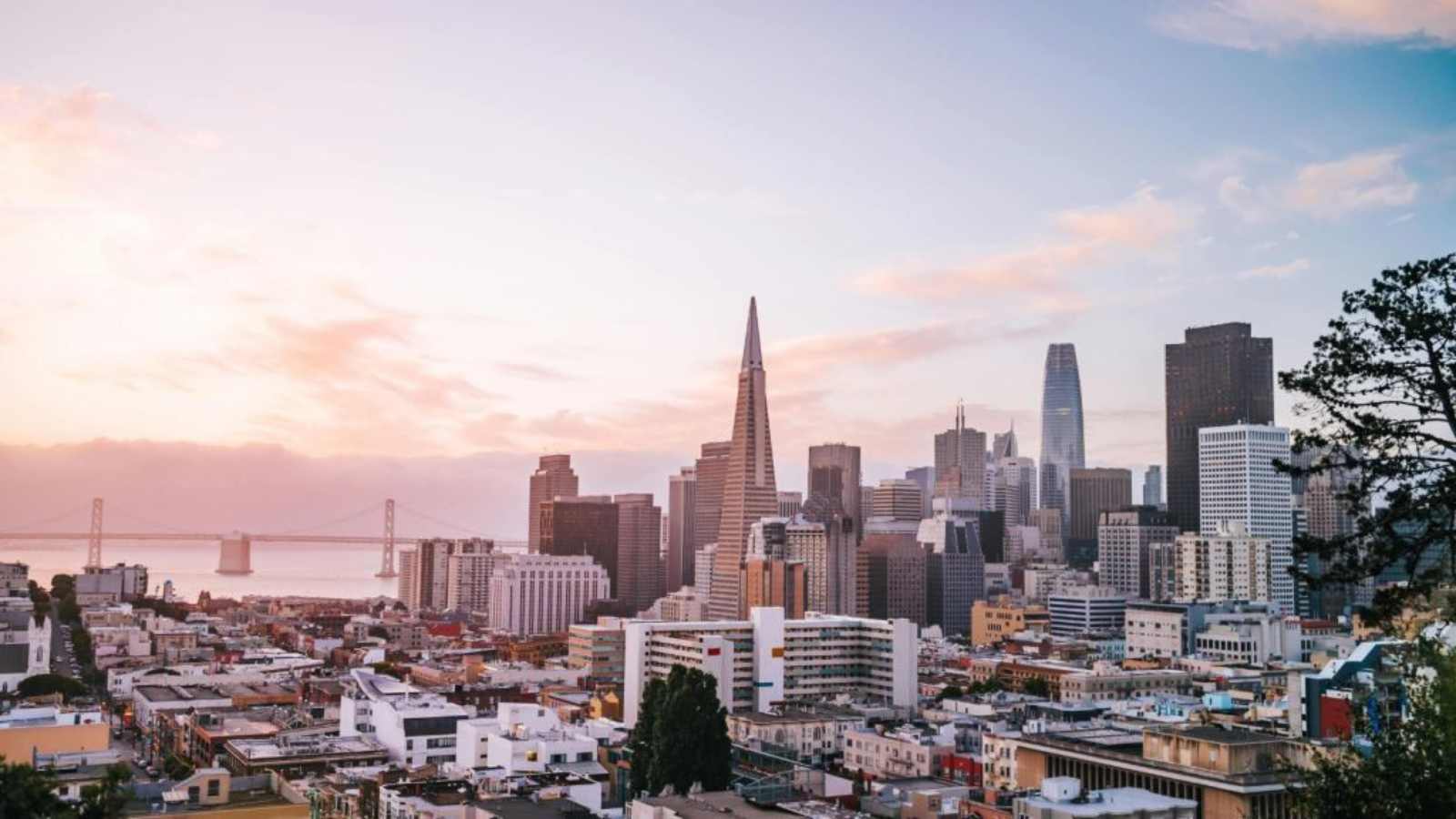
San Francisco was the epicenter of the tech boom, promising innovation and opportunity, but the gold rush has cooled significantly. The city is now grappling with a notoriously high cost of living, a shaky tech job market, and persistent public safety concerns. What was once the land of startups now feels like a city of sticker shock, where a burrito can cost you $20.
Housing costs remain astronomical, even as the tech luster fades. The average rent in San Francisco hovers around $3,545 a month, according to 2025 data from RentCafe. Many young people arrive expecting a vibrant, futuristic city but find it hollowed out by costs, remote work, and a general feeling that the party might be over.
Austin, Texas
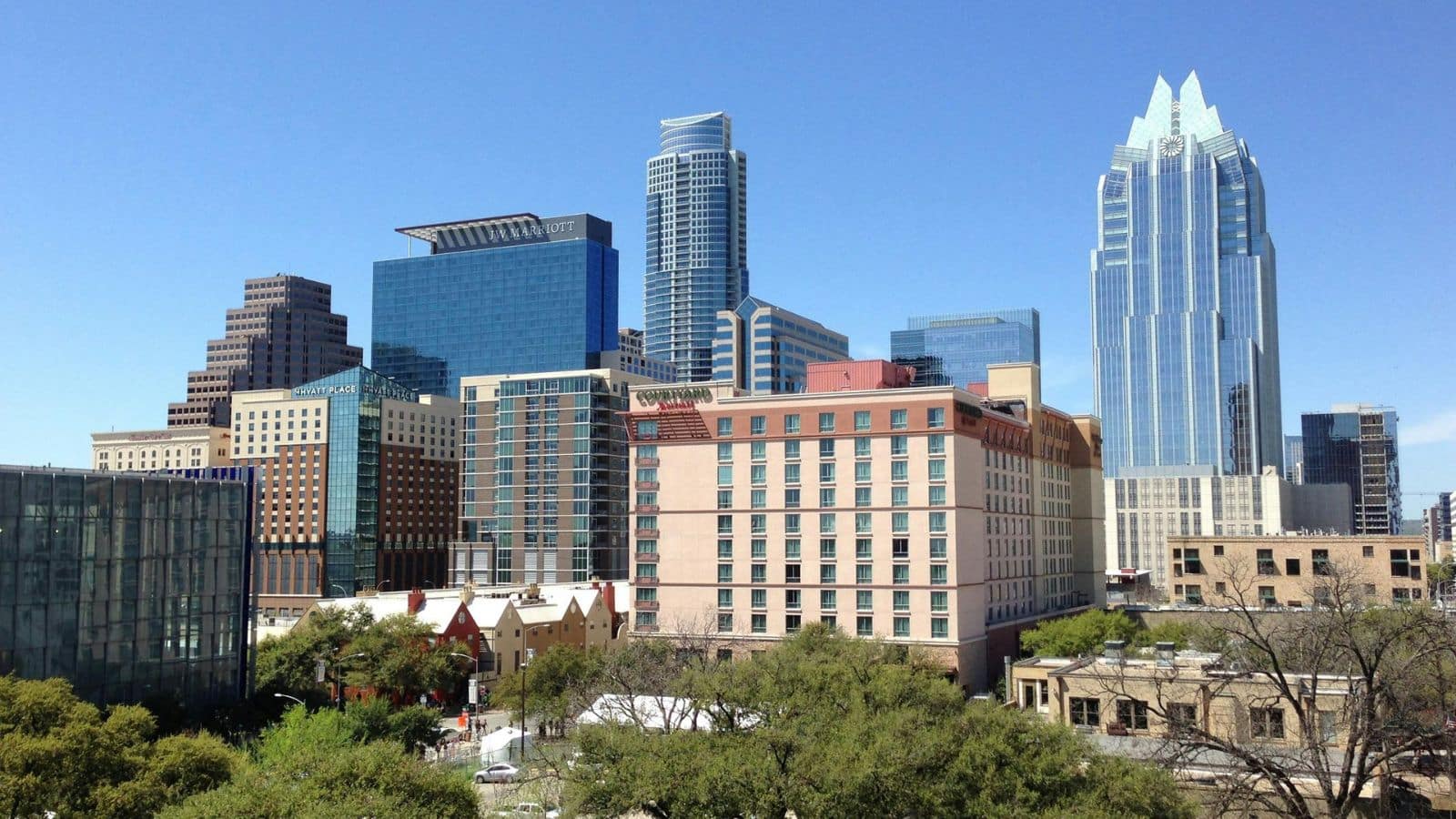
Austin built its reputation on being weird, creative, and affordable, attracting musicians and tech transplants alike. Unfortunately, its own success killed the vibe. The city’s popularity ballooned, and prices skyrocketed right along with it. The “Keep Austin Weird” motto now feels more like “Keep Austin Expensive.”
The city is stuck in an identity crisis, and Gen Z is caught in the middle. The traffic is awful, the summer heat is oppressive, and luxury condos and national chains have replaced the quirky, local spots. It’s a classic case of “you should have been here 10 years ago,” which is tough to hear when you just arrived.
Miami, Florida

Miami appears to be the ultimate party destination on Instagram, boasting beautiful beaches, vibrant art scenes, and endless nightlife. But living there is a different story. The city is flashy and expensive, and the job market isn’t always strong enough to support the high-roller lifestyle. Many young people find the social scene superficial and isolating.
The financial pressure is intense, as the city has become a magnet for the ultra-wealthy. Miami saw one of the most dramatic rent spikes in the nation, with a 52.4% jump in rents between 2021 and 2022, according to Realtor.com. Unless you have a trust fund, you might find yourself working constantly just to afford the “fun” lifestyle advertised.
Denver, Colorado

The Mile High City promises an active, outdoor lifestyle with 300 days of sunshine and easy access to the mountains. This appeal caused a massive influx of new residents, and the city is groaning under the strain. Denver’s infrastructure hasn’t kept up with its popularity, leading to frustrations that clash with its laid-back image.
That mountain view now comes with a side of road rage. A 2024 INRIX traffic scorecard revealed that Denver residents experienced a 19% increase in traffic delays, the largest jump in the nation. Add in a housing market that has priced out many locals, and you have a looming remorse for homebuyers, or in this case, mover’s remorse.
Nashville, Tennessee

Save this article
Music City used to be a haven for artists and dreamers, with a friendly, small-town feel and a low cost of living. Today, it’s the bachelorette party capital of the world. The downtown area often feels less like a genuine music community and more like a tourist trap packed with pedal taverns and “woo-ing” bridal parties.
This tourism boom has had real-world consequences for residents. Housing costs have soared, pushing locals and new movers further out from the city center. If you’re a serious musician or just a young professional, you might find the city’s new identity is loud, expensive, and not quite in tune with your goals.
Seattle, Washington

Known for its coffee, tech industry, and moody weather, Seattle attracts many young people with its high-paying jobs and beautiful natural surroundings. But there’s a catch: the infamous “Seattle Freeze.” It’s a well-documented phenomenon where locals are polite but incredibly difficult to make friends with, leaving newcomers feeling profoundly lonely.
The relentless gloom and high prices compound this social isolation. The nine months of gray drizzle are no joke and can be tough on mental health. Many young people find themselves with a good salary but no one to hang out with, spending their weekends indoors and wondering where the community is.
Boston, Massachusetts

Boston is a city of history, academia, and… high prices. It’s a fantastic place to be a student, but it can be a difficult place to be a young professional. The city can feel traditional and a bit stuffy, and the social scene is notoriously difficult to break into if you didn’t go to college there.
The cost of living is a major hurdle. It consistently ranks among the most expensive cities in the U.S. for housing, groceries, and transportation. Unless you’re in law, medicine, or biotech, you might find that your paycheck evaporates before you’ve had any fun with it, forcing you to live like a poor student long after graduation.
Chicago, Illinois

Chicago is often touted as the “affordable” big city, a friendlier New York with Midwestern charm. While it is cheaper than its coastal rivals, it’s far from cheap. The brutal, bone-chilling winters are a serious commitment that many transplants underestimate, leading to months of hibernation and isolation.
And don’t be fooled by the “Midwest” label; it’s still a massive metropolis with big-city problems. Drivers in Chicago lost 102 hours to traffic jams last year, tying with New York for the worst in the nation, according to the INRIX scorecard. That’s a lot of time to be stuck in your car when it’s 5 degrees outside.
Disclaimer – This list is solely the author’s opinion based on research and publicly available information. It is not intended to be professional advice.
Like our content? Be sure to follow us.
How Total Beginners Are Building Wealth Fast in 2025—No Experience Needed

How Total Beginners Are Building Wealth Fast in 2025
I used to think investing was something you did after you were already rich. Like, you needed $10,000 in a suit pocket and a guy named Chad at some fancy firm who knew how to “diversify your portfolio.” Meanwhile, I was just trying to figure out how to stretch $43 to payday.
But a lot has changed. And fast. In 2025, building wealth doesn’t require a finance degree—or even a lot of money. The tools are simpler. The entry points are lower. And believe it or not, total beginners are stacking wins just by starting small and staying consistent.
Click here and let’s break down how.





