

A lifetime of hands-on problem-solving is emerging as one of the strongest predictors of a confident and resilient Boomer retirement.
Baby Boomers grew up in an era defined by analog self-sufficiency, where solving a problem meant using your hands rather than asking a digital assistant. These formative years instilled a specific set of practical abilities that are proving to be incredibly valuable as they enter their golden years.
A study by the Pew Research Center highlights that this generation is redefining what it means to age, with many reporting higher levels of happiness and stability than their younger counterparts.
This resilience is often attributed to the “do-it-yourself” mindset they cultivated decades ago in woodshops and home economics classrooms. It turns out that the lessons learned in childhood are the secret weapons for a thriving, active, and financially secure retirement.
Gardening for Food

Many Boomers grew up with a backyard garden, learning early on how to grow their own tomatoes, peppers, and herbs. This skill provides fresh, organic produce at a fraction of the grocery store cost. Tending to plants gives a sense of purpose and a direct connection to the seasons.
Fixing Things by Hand

When a toaster breaks or a chair leg becomes wobbly, a Boomer’s first instinct is to grab a toolbox rather than open a shopping app. This ability to repair household items saves a significant amount of money that would otherwise be spent on replacements or on hiring a handyman.
A report by iFixit notes that repair skills are becoming a lost art, yet they are essential for maintaining a home without draining savings. It also provides a deep sense of satisfaction that keeps the brain sharp through problem-solving.
Cooking From Scratch
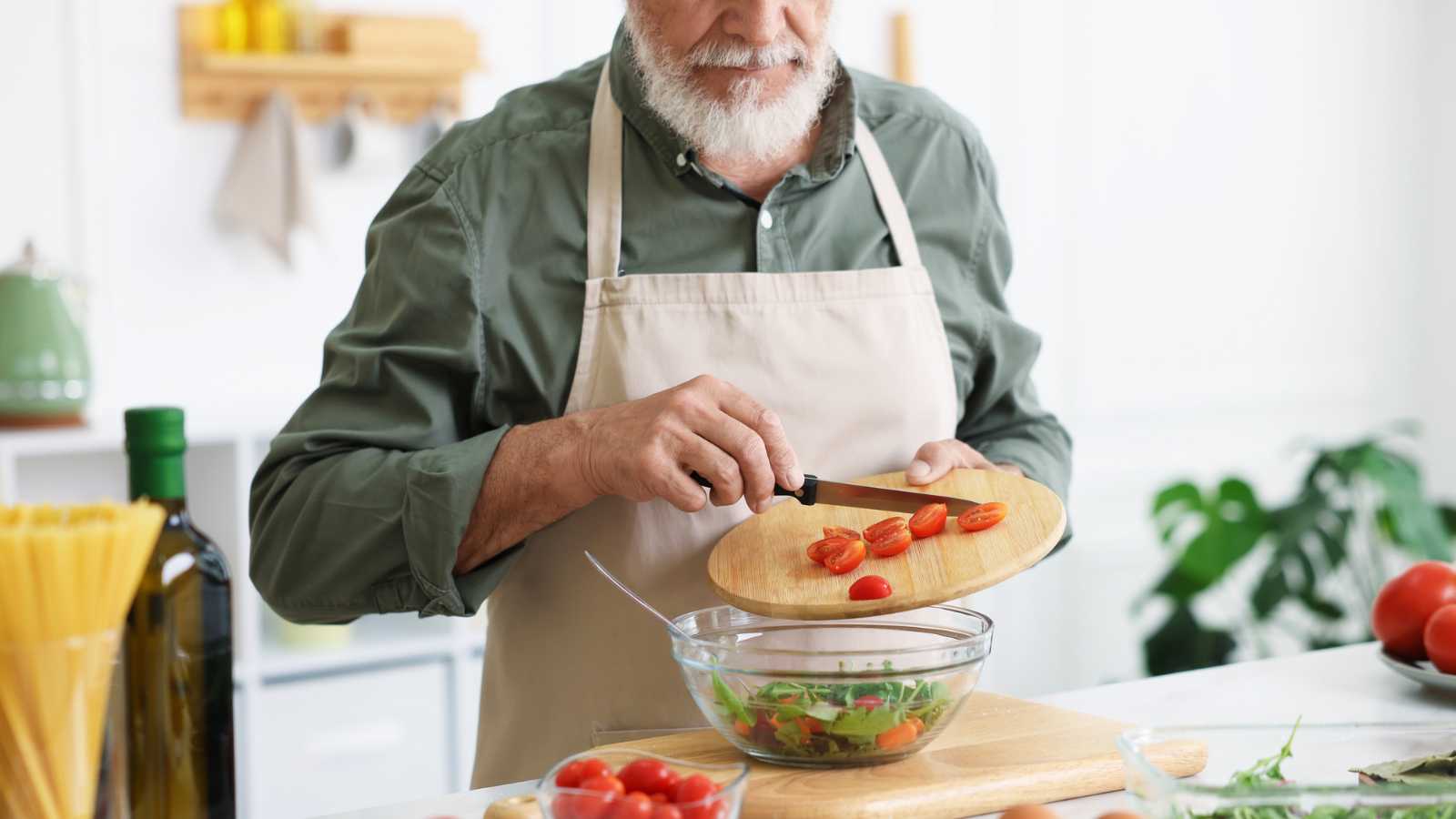
Growing up with home-cooked meals taught Boomers how to turn basic ingredients into a feast without relying on expensive processed foods. This skill is vital for maintaining health as they age, allowing them to control sodium and sugar intake directly in every recipe.
A study published in Springer found that people who cook at home more frequently consume fewer calories and have better overall diet quality. This culinary independence means they can save money and also improve their health without stress.
Balancing a Checkbook

The discipline of manually tracking expenses in a paper register instilled a concrete understanding of cash flow that digital banking often obscures. Boomers know exactly where every penny goes, which is crucial when living on a pension or Social Security budget. This grasp of arithmetic protects them from the debt traps that often snag younger consumers.
Sewing and Mending

The ability to sew a button, hem a pair of pants, or patch a hole means that clothing lasts for years rather than months. Boomers view their wardrobe as an investment to be maintained, not a disposable commodity to be cycled through for beauty trends.
A survey by the British Heart Foundation found that nearly 1 in 4 people do not know how to sew a button, highlighting the value of this Boomer skill. It allows them to curate a closet of high-quality items that fit perfectly.
Writing Letters

In an age of fleeting text messages, Boomers understand the power of a handwritten note to maintain deep relationships. Taking the time to write a letter shows a level of care and intentionality that digital communication lacks.
Research indicates that engaging in expressive writing can lower blood pressure and improve immune system functioning. Sending a card for a birthday or to say hello creates a physical memento for the recipient.
Entertaining Without Screens

Boomers remember a time before the internet, so they know how to have fun with just a deck of cards or a board game. This ability to socialize face-to-face without digital distraction fosters genuine connection and community inspiration.
Social engagement is a key factor in preventing cognitive decline in older adults. Being able to carry on a conversation and entertain guests keeps their social skills strong.
Save this article
Reading Paper Maps

While GPS is convenient, Boomers possess the spatial awareness to read a physical map and find their way without a satellite signal. This skill allows them to travel confidently to remote areas where cell service may be unavailable.
Relying solely on turn-by-turn directions can atrophy the brain’s hippocampus, the area responsible for spatial memory. Using maps in the car or on the beach helps maintain cognitive flexibility and independence on the road.
Waiting Patiently

Growing up without on-demand streaming or instant shipping taught Boomers the virtue of patience in a fast-paced world. They are better equipped to handle the waiting rooms at the doctor’s or delays in travel without losing their cool.
Psychological research links the ability to delay gratification with higher levels of life satisfaction and lower rates of anxiety. This patience allows them to savor the moment rather than rush to the next.
Making Small Talk

Boomers learned the art of conversation by talking to neighbors, shopkeepers, and strangers as a part of daily life. This ability to strike up a chat makes them feel more connected to their community and less isolated at home.
Social isolation is a major risk factor for mortality, comparable to smoking or obesity, according to the CDC. By engaging in small talk, they build a network of weak ties that support well-being.
Developing Film Photos

While digital photos are instant, Boomers understand the patience and care required to capture a moment on film. This appreciation for photography translates into cherishing family memories and organizing albums.
Looking at physical photos can evoke stronger emotional responses and memory recall than scrolling on a screen. It preserves family history in a way that is accessible without a password.
Key Takeaway

The practical skills Boomers learned in their youth are not outdated relics but essential tools for a high-quality retirement. By embracing habits like cooking, repairing, and connecting face-to-face, they prove that a hands-on approach to life leads to better health and financial freedom.
Disclaimer: This list is solely the author’s opinion based on research and publicly available information. It is not intended to be professional advice.
Disclosure: This article was developed with the assistance of AI and was subsequently reviewed, revised, and approved by our editorial team.
15 Foods From the ’60s Most Boomers Loved With a Passion

15 Foods From the ’60s Most Boomers Loved With a Passion
The 1960s were a period of profound social and cultural transformation in America. As the baby boomer generation came of age, they embraced new ideas, fashion trends, and music styles. And when it came to food, some beloved dishes defined this era.
Here are 15 foods from the ’60s that most boomers loved passionately.
12 Laws And Rules About Food In Other Countries

12 Laws And Rules About Food In Other Countries
Food is more than just nourishment; it’s a reflection of culture, tradition, and, in many cases, the law. Around the world, various countries have established distinct food regulations that may surprise travelers and food enthusiasts alike.
These laws reveal how deeply societies value what ends up on their plates. Here are 12 fascinating food laws and rules from around the globe that show just how diverse and sometimes unexpected our relationship with food can be.





