As automation replaces everyday tasks, researchers note a sharp decline in the practical life skills that once defined childhood independence.
Growing up in the mid-twentieth century meant mastering a set of hands-on skills essential to daily survival. Children were often expected to contribute to the household in meaningful ways, teaching them independence long before they reached adulthood.
Today, many of these practical abilities have fallen by the wayside as technology has automated the drudgery of our lives. While we have gained convenience, we may have lost a certain grit and self-reliance that defined the Boomer childhood. Looking back at these lost arts reminds us that sometimes doing things the hard way is actually the best way to learn.
Reading a Roadmap

Before GPS satellites guided every turn, sitting in the passenger seat meant serving as the family navigator. Kids learned to interpret complex grids and symbols to help their parents find the best route to the beach vacation spot.
This skill taught patience and problem-solving, especially when a wrong turn led the family miles off course. The art of folding that giant paper map back together was a challenge all its own.
Sewing a Button

Clothing was viewed as an investment to be maintained rather than fast fashion to be discarded after a few wears. Children were taught early on how to thread a needle and reattach a button to extend the life of a shirt.
Knowing how to mend a tear was a basic requirement for both boys and girls in many households. According to the Environmental Protection Agency, Americans generate over 17 million tons of textile waste annually, much of which could be saved by repair. A simple needle and thread offered a sustainable solution long before it was trendy.
Writing in Cursive

Penmanship was a core subject in elementary school, where students spent hours perfecting their loops and curves. Writing in cursive was considered a sign of maturity and was necessary for signing legal documents and checks later in life.
The removal of cursive from Common Core standards in 2010 signaled a major shift in educational priorities. However, research suggests that writing by hand engages the brain differently than typing does. A study published in Frontiers in Psychology found that handwriting improves learning and memory retention among young students.
Balancing a Checkbook

Managing money was a manual process that required careful attention to detail and basic arithmetic skills. Kids watched their parents sit down with the ledger to reconcile every penny spent against the bank statement.
Digital banking has made this ritual obsolete for most, but the discipline it taught is sorely missed. A report from the Federal Reserve shows that while paper check use has dropped significantly, cash and check payments remain a part of the economy. Understanding where every dollar goes is the first rule of wealth building.
Ironing Clothes Properly

Stepping out of the house with wrinkled clothes was seen as a sign of disrespect to oneself and others. Children were taught the proper technique for pressing a collar and creating sharp creases in trousers for church or school. It was a chore that required focus and care to avoid scorching the fabric or burning fingers.
In an era of wrinkle-free fabrics and casual dress codes, the iron often gathers dust in the closet. Yet the attention to detail required to iron a shirt teaches a valuable lesson about presentation. Expert stylist Tan France often notes that good grooming and clothing care are essential components of personal style and confidence.
Changing a Tire

Car trouble was a fact of life, and waiting for a tow truck was not always an option on lonely roads. Fathers often took their children to the driveway to demonstrate how to use a jack and loosen lug nuts safely.
Today, roadside assistance apps have largely replaced the need for this greasy and physically demanding skill. However, AAA reports that they rescue 27 million drivers annually, many for issues that could be solved with basic know-how. Self-reliance is the ultimate insurance policy when you are out of cell range.
Looking Up Numbers in a Phone Book

Finding a phone number used to involve searching through a massive yellow or white book filled with tiny print. Children learned alphabetical order and categorization skills by hunting down the contact info for a local pizza place. It was a tactile research method that required patience and a sharp eye.
Save this article
The internet has turned this physical search into a split-second voice command to a smart speaker. While efficient, it has removed the understanding of how information is organized and indexed. The Yellow Pages Association notes that while print usage has declined, the directory industry was once a primary tool for local commerce.
Cooking Without a Microwave

Before the microwave oven became a household staple, heating food required a stove and some planning. Kids learned to reheat leftovers in a pot or oven, which taught them about heat control and patience.
Reliance on instant heating has changed the way we view meal preparation and patience in the kitchen. A study by the U.S. Bureau of Labor Statistics found that Americans spend significantly less time cooking today than in previous decades. Slowing down to cook properly can be a meditative break in a frantic day.
Mending Shoes and Gear

When a shoe sole came loose or a backpack strap broke, the first instinct was to fix it, not replace it. Boomers learned to use strong glue and leather tools to extend the life of their essential gear. This habit was born of necessity but fostered a creative problem-solving mindset.
We now live in a disposable culture where buying new is often cheaper and easier than repairing the old. Yet the satisfaction of restoring a broken item to working order is a unique pleasure.
Identifying Local Plants
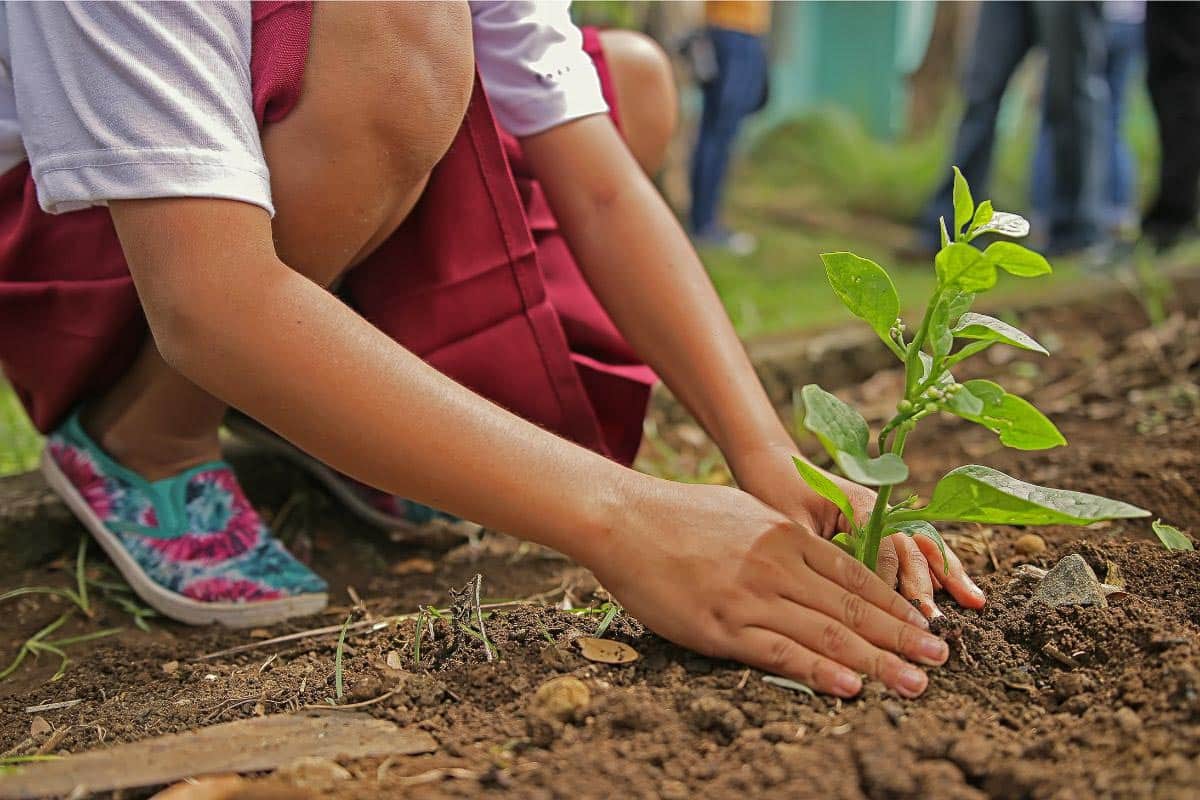
Playing outside until the streetlights came on meant kids became intimately familiar with their local flora. They learned to identify poison ivy to avoid an itchy rash and which berries were safe to eat. This connection to the natural world was a form of literacy that kept them safe during outdoor adventures.
This nature deficit is a growing concern for modern educators and environmentalists alike. Author Richard Louv coined the term “nature deficit disorder” to describe the cost of alienation from nature in human development. Knowing your environment grounds you in a way that a screen never can.
Writing a Formal Letter

Communication used to be a formal affair that required understanding the structure of a proper letter. Children learned where to place the date, the greeting, and how to sign off respectfully.
Email and text messaging have eroded the formalities that once defined our written interactions. However, a well-written formal letter still commands respect and attention in a professional setting.
Key Takeaway

These skills were not just chores but lessons in patience, awareness, and respect for the world around us. Reviving even a few of them can bring a sense of accomplishment and grounding to our high-speed digital lives. There is profound dignity in being able to take care of yourself and your things without an app.
Disclaimer: This list is solely the author’s opinion based on research and publicly available information. It is not intended to be professional advice.
Disclosure: This article was developed with the assistance of AI and was subsequently reviewed, revised, and approved by our editorial team.
15 Foods From the ’60s Most Boomers Loved With a Passion

15 Foods From the ’60s Most Boomers Loved With a Passion
The 1960s were a period of profound social and cultural transformation in America. As the baby boomer generation came of age, they embraced new ideas, fashion trends, and music styles. And when it came to food, some beloved dishes defined this era.
Here are 15 foods from the ’60s that most boomers loved passionately.
12 Laws And Rules About Food In Other Countries

12 Laws And Rules About Food In Other Countries
Food is more than just nourishment; it’s a reflection of culture, tradition, and, in many cases, the law. Around the world, various countries have established distinct food regulations that may surprise travelers and food enthusiasts alike.
These laws reveal how deeply societies value what ends up on their plates. Here are 12 fascinating food laws and rules from around the globe that show just how diverse and sometimes unexpected our relationship with food can be.