

According to the U.S. Census Bureau, roughly 1 in 4 Americans lives alone today, a figure that has tripled since 1940.
Living alone offers freedom and independence, but it also entails greater responsibility and risks. While enjoying your personal space, it’s important to establish habits that promote safety, well-being, and peace of mind. When you’re by yourself, it’s easy to let certain habits slide, but some actions can pose unnecessary risks to your security, mental health, and overall quality of life.
In this article, we’ll explore 11 things to avoid doing when living alone. These guidelines will help you navigate the challenges of solo living while ensuring your home remains a safe, enjoyable, and healthy space where you can thrive.
Ignoring Home Security

When you live alone, home security should be a top priority. According to data cited by the National Crime Prevention Council, almost 30% of burglars enter through an unlocked door or window. Consistently locking every entry point and adding deadbolts, security cameras, or a smart doorbell can significantly reduce your risk.
Even small security upgrades, such as adding motion sensors or security lights around your home, can make a big difference. Living alone means you’re the only person responsible for your safety, so it’s crucial to stay vigilant and make sure your home is secure at all times. It’s better to be overly cautious than to overlook potential risks.
Isolating Yourself from Others

Living alone can sometimes lead to feelings of isolation, but withdrawing from social connections can have a negative impact on your mental and emotional well-being. It’s important to stay in touch with family and friends, even if it’s just for a quick chat. Spending time with others helps prevent loneliness, builds a support system, and can even improve your overall health.
Make an effort to attend social events or join clubs or hobbies that interest you. Regular social interactions will help maintain a healthy balance between alone time and the human connection that we all need. Isolation can sometimes lead to depression, so maintaining social ties is essential to keeping your mental health in check.
Skipping Regular Health Checkups

When you live alone, it’s easy to forget about regular health checkups, especially if you’re feeling fine. However, routine visits to your doctor for checkups, screenings, and vaccinations are important for maintaining long-term health. Without a partner or roommate to remind you, it’s easy to put off these appointments.
Stay proactive by scheduling regular health exams and following up on any health concerns. Even when you feel healthy, early detection of potential issues can prevent bigger problems later on. Taking care of your physical well-being will help you feel your best while living solo and ensure you can enjoy your independent lifestyle for years to come.
Overloading on Convenience Food

Living alone can sometimes lead to the temptation to rely heavily on takeout or processed foods because they’re easy and require little effort. However, eating too much fast food or junk food can lead to weight gain, poor nutrition, and a lack of energy. It’s important to prioritize your health by cooking balanced meals, even if it’s just for yourself.
By planning meals in advance and incorporating nutritious ingredients, you can set yourself up for better eating habits. Preparing your meals at home doesn’t have to be complicated, and you’ll feel much better both physically and mentally when you eat well. This is especially important when living alone, as you are your own motivator for self-care.
Neglecting to Set a Routine

Without anyone else around, it’s easy to let your daily schedule slip, especially when it comes to sleep, meals, and productivity. Living without a structured routine can lead to irregular sleep patterns, unhealthy eating habits, and reduced productivity. Setting a daily routine helps maintain balance, reduces stress, and keeps you on track with your personal goals.
Try creating a schedule that includes time for work, self-care, meals, and rest. When you have a routine, it helps you stay organized and productive, and it’s easier to stick to healthy habits. Having a set structure also helps avoid procrastination and ensures that you make the most of your day while living alone.
Also on MSN: 15 Smart Tips Everyone Living Alone Needs to Know
Avoiding Emergency Preparedness

Save this article
When living alone, it’s essential to have an emergency plan in place. Being prepared for a fire, natural disaster, or medical emergency can save your life. Avoid the mistake of thinking that an emergency will never happen to you. Everyone should have an emergency kit, first aid supplies, and a communication plan in case of unforeseen situations.
Keep essential items, such as a flashlight, batteries, and non-perishable food, in an easily accessible spot. Make sure your phone is always charged, and let someone know your whereabouts, especially if you’re going somewhere unfamiliar. By being prepared, you ensure you can handle an emergency without panic or confusion.
Letting the House Get Messy

Living alone means you are solely responsible for maintaining your space, but it’s easy to let clutter and mess accumulate. A messy home can lead to stress, create safety hazards, and affect your mood. To avoid this, try to stay on top of cleaning tasks and maintain a clutter-free environment.
Create a cleaning schedule that includes daily tasks like making the bed or washing dishes, as well as weekly deep cleaning. A clean and organized space promotes relaxation and helps you feel more in control. Taking pride in your home helps make your living environment feel more comfortable and welcoming.
Putting Off Household Maintenance

When you live alone, you’re responsible for all aspects of household maintenance, but it’s easy to overlook things that need fixing. Putting off minor repairs can lead to bigger issues later, and unresolved issues can be dangerous. Fixing a leaky faucet, changing a broken lightbulb, or servicing appliances: staying on top of repairs is essential for keeping your home in good condition.
If you’re unsure how to fix something, consider learning how to do it yourself or hiring a professional. Regular maintenance prevents unnecessary damage, reduces the risk of accidents, and ensures that your living space remains functional and safe. Don’t wait for problems to worsen; address repairs when they arise.
Avoiding Financial Planning
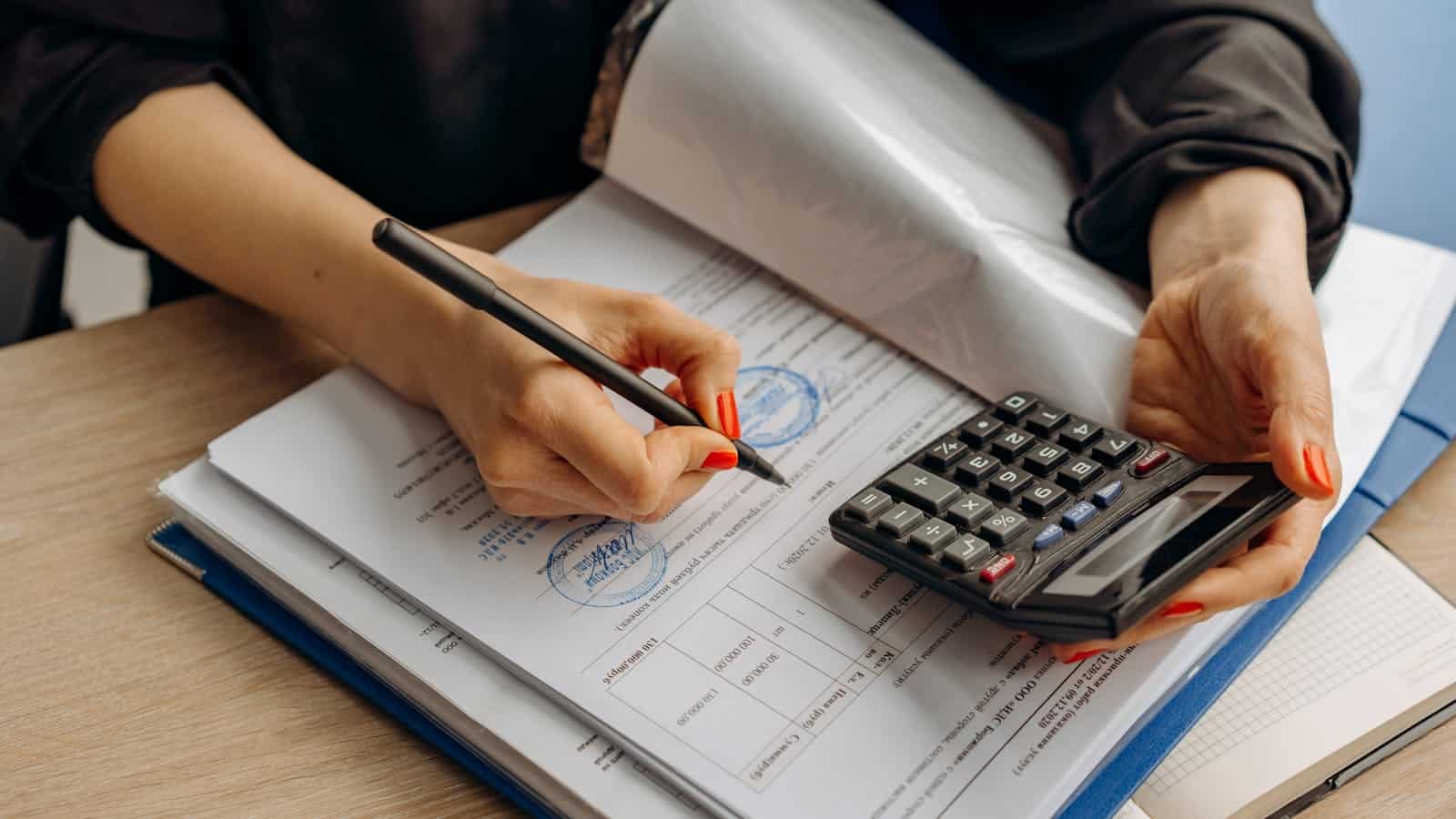
Living alone means you’re responsible for your financial future, and without another person to help manage expenses, it’s easy to fall behind on budgeting and saving. Avoiding financial planning can lead to missed opportunities, debt, and stress. Setting up a budget, saving for emergencies, and planning for retirement are crucial steps for maintaining financial stability.
To get started, track your income and expenses, create a savings plan, and make adjustments to avoid overspending. Financial stability is key to living independently, and being proactive about managing your finances will give you peace of mind as you navigate life on your own.
Ignoring Mental Health
When living alone, it’s easy to neglect your mental health, as there may be no one around to check in on you. However, isolation can exacerbate feelings of loneliness, anxiety, and depression. It’s essential to prioritize mental well-being by engaging in self-care activities, such as journaling, meditation, or therapy.
Stay connected with family and friends and seek support when needed. It’s also important to engage in activities that bring joy and fulfillment, whether that’s pursuing a hobby, volunteering, or practicing mindfulness. Taking care of your mental health helps you live alone with a positive mindset and remain resilient in the face of life’s challenges.
Key Takeaway
Living alone offers great independence, but it also requires extra responsibility and self-care. By avoiding these common mistakes, such as neglecting home security, isolating yourself, or skipping regular health checkups, you can create a safe, fulfilling, and enjoyable living environment.
Embracing a structured routine, managing your finances, and prioritizing your health and well-being will ensure that living alone remains a rewarding and empowering experience. Taking these precautions will help you make the most of your solo lifestyle while keeping both your home and mind healthy.
Disclaimer – This list is solely the author’s opinion based on research and publicly available information. It is not intended to be professional advice.
Like our content? Be sure to follow us





