

Record homelessness and soaring housing costs are pushing millions of middle-class Americans to the brink faster than most realize.
The middle class is closer to the edge than many think. You can still have a steady job, a car parked in the driveway, and a nice dinner on the table: but one unexpected event could tip everything into chaos.
In 2024, 771,480 people were homeless in the United States, marking the highest number in history, with an 18% surge from the previous year, according to the National Alliance to End Homelessness.
A 2025 survey by Self Financial revealed a startling fact: 71.2% of Americans fear losing their home, and 34.7% could cover housing for only a month or less if their main source of income disappeared. This isn’t just a story about people living on the streets; it’s about the hidden cracks in everyday stability that can widen without warning.
A Pervasive Problem

This is why this topic matters now more than ever. The Alliance reports that first-time homelessness has jumped by 23% since 2019, driven by skyrocketing housing costs and stagnant incomes. Harvard’s Joint Center for Housing Studies paints the same picture, revealing that millions of renters and homeowners are now just one setback away from losing everything.
So, while life may still look perfect on the surface, polished, comfortable; the reality is different. Many are just one missed paycheck or unexpected expense from losing it all. These invisible fractures only reveal themselves when it’s too late, making it crucial to examine what lies beneath the surface for the middle class.
“Middle-Class” Renters Are Quietly Rent-Busted
Harvard’s Joint Center for Housing Studies said that 22.6 million renter households were cost-burdened in 2023, meaning they spent at least 30% of their housing income, and 12.1 million were severely burdened, spending more than half of their housing income. The part that should make middle-class readers sit up is this one.
Among renters earning $45,000 to $74,999, the burden rate has doubled since 2001 to 45%. That is not a fringe problem. That is the center getting squeezed. Chris Herbert of Harvard’s housing center warned that many households now have “no cushion and very few options,” and that line feels painfully exact.
A rent-busted household may still pay on time for a while, still show up to work, still keep the lights on. Yet the margin between housed and unhoused has already narrowed to a thread.
The “Affordable” Housing Pipeline Has Dried Up
The National Low Income Housing Coalition says the United States has only 35 affordable and available rental homes for every 100 extremely low-income renter households, leaving a shortage of about 7.1 million homes, according to its 2025 report.
Brookings took the middle-class angle further in late 2025 and found that across all 160 metro areas it studied, at least 20% of the middle class could not afford to live there even after adjusting for local price differences. That means the strain is climbing the ladder, not staying at the bottom.
NLIHC interim CEO Renee Willis called it a “dire shortage of affordable housing options,” and that phrase matters because it helps explain why even decent incomes no longer buy much peace. When the lower rungs vanish, the middle rungs start wobbling too.
One Income Shock Can Be Fatal to Stability
Self Financial’s 2025 survey found that 19.8% of adults have less than $100 in emergency savings, and 34.7% could pay for housing only a month or less after losing their main source of income. That is already a frightening number, but the legal system shows what happens next.
In Washington, D.C., a 2026 UPO white paper found 2,614 renter households were evicted in fiscal year 2025, up one-third from 2024 and the highest level in at least a decade. The paper also noted that 41,000 D.C. renter households with incomes under $50,000 were spending more than half their income on housing.
That is how a middle-class story turns into a housing-crisis story. It does not always begin with long-term unemployment. Sometimes it begins with one layoff, one contract ending, one illness, or one missed cycle, and it starts a cascade.
High-Rent Cities Are Middle-Class “Kill Zones”
The Minneapolis Fed reported that homelessness rose from 1.75 people per 1,000 in 2022 to 2.3 per 1,000 in 2024, a 30% increase. Harvard’s Joint Center adds that home prices have outrun incomes so badly that the national home-price-to-income ratio hit 5.0 in 2024, and only a tiny handful of markets still look traditionally affordable.
In another Harvard estimate, a typical first-time buyer now needs at least $126,700 a year to afford the median-priced home under standard assumptions. So the middle class in expensive cities is getting cornered into ugly trade-offs. Stay near jobs and bleed money. Move farther out and lose time, support, and opportunity.
Keep renting and hope no fresh increase arrives. In cities where paychecks look decent but housing costs run wild, middle-class life starts to feel less like stability and more like a balancing act above concrete. But it’s not just rent and mortgages: unexpected healthcare costs can push even well-prepared families to the edge instantly.
Healthcare Costs Are a Silent Eviction Catalyst

A hospital bill can do to a family budget what a fire does to dry wood. A 2026 Johns Hopkins study in JAMA Network Open found that 16.4% of U.S. adults reported medical debt in 2024, and people carrying that debt had a 7 percentage point higher chance of housing instability in 2025.
News coverage of the same study described that as a 44% higher risk. The paper defined housing instability in blunt terms, such as trouble paying rent or a mortgage, eviction, or foreclosure. That is why healthcare costs belong in any honest conversation about the middle-class housing collapse.
A family can do everything the culture tells it to do, work, insure itself, plan ahead, build a life, and still get shoved toward nonpayment by one emergency room stay or one specialist bill that lands like a second rent.
The “No-Cushion” Generation Is Vulnerable
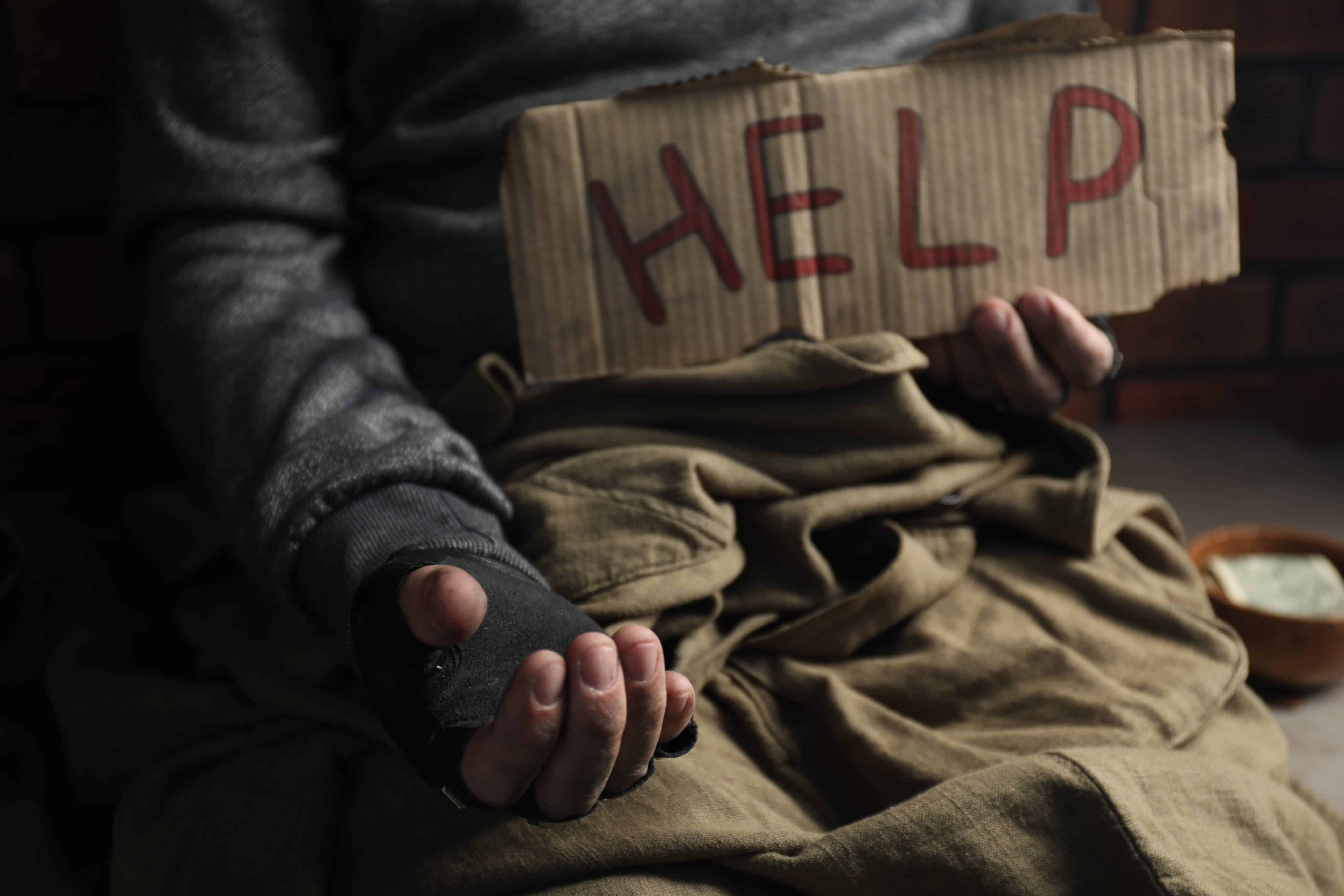
The old middle-class story leaned on a comforting idea, that homeownership and steady work would form a buffer strong enough to absorb shocks. That buffer looks far weaker now. Self Financial found that 85% of Americans say homelessness is an issue in their area, and 58.1% say it has worsened in the past year.
Harvard’s 2025 housing report says owners are getting hit, too, with insurance premiums, property taxes, and financing costs all rising. For many households, owning no longer feels like standing on solid ground. It feels like standing on a ledge with bigger monthly obligations.
The fear people talk about in surveys is not abstract dread. It is the growing recognition that many families are already living without a meaningful cushion, hoping each month behaves itself. That is not security. That is suspense dressed up as normal life.
The Working Middle Class Is Over-Rented
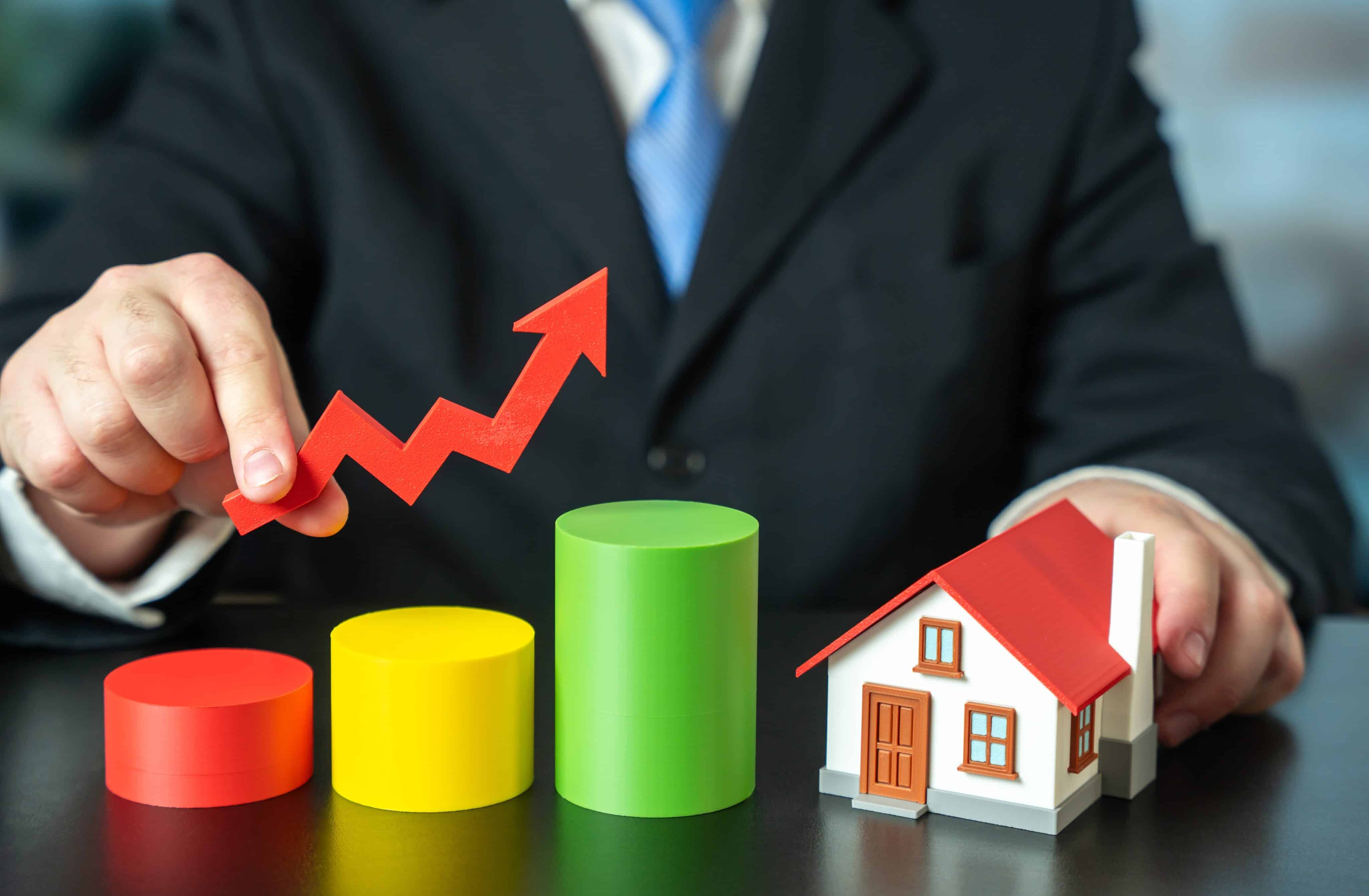
Work still matters, but it no longer protects people the way it once did. Harvard’s housing researchers say 36% of full-time working renter households were cost-burdened in 2023, up from 25% in 2001.
Their 2026 rental report adds that the country lost 9.3 million units renting for less than $1,400 between 2014 and 2024, while units at $1,400 or more rose by 11.8 million. That shift says a lot about who the market is being built for and who it is leaving behind. Teachers, nurses, retail workers, aides, and service employees can still show up every day and still have rent swallow a ruinous share of take-home pay.
Whitney Airgood-Obrycki of Harvard’s housing center said the crisis is “no longer confined to the lowest-income households.” That is the heart of it. The squeeze has moved up the ladder, and work alone won’t stop it.
Cities Cutting Prevention as Risk Rises

Save this article
This part feels almost cruel in its timing. UPO’s 2026 white paper on D.C. evictions found that emergency rental assistance funding dropped from $63 million in fiscal 2024 to $27 million in 2025 and then to just $8.6 million in fiscal 2026, an 84% reduction.
The same paper says that likely means 8,000 fewer households will get eviction-prevention help in fiscal 2026 than in fiscal 2024. Nationally, the Alliance’s 2025 homelessness report says first-time homelessness is up 23% since 2019, and resources are not keeping pace in most communities.
Those two facts belong in the same room. They show a country pulling back the guardrails as more people slip toward the edge. Attention is rarely glamorous, but once it is cut, families feel the loss in the harshest possible way, after the notice, after the court date, after the move becomes forced instead of feared.
The “Invisible” Homeless Middle Class Is Real
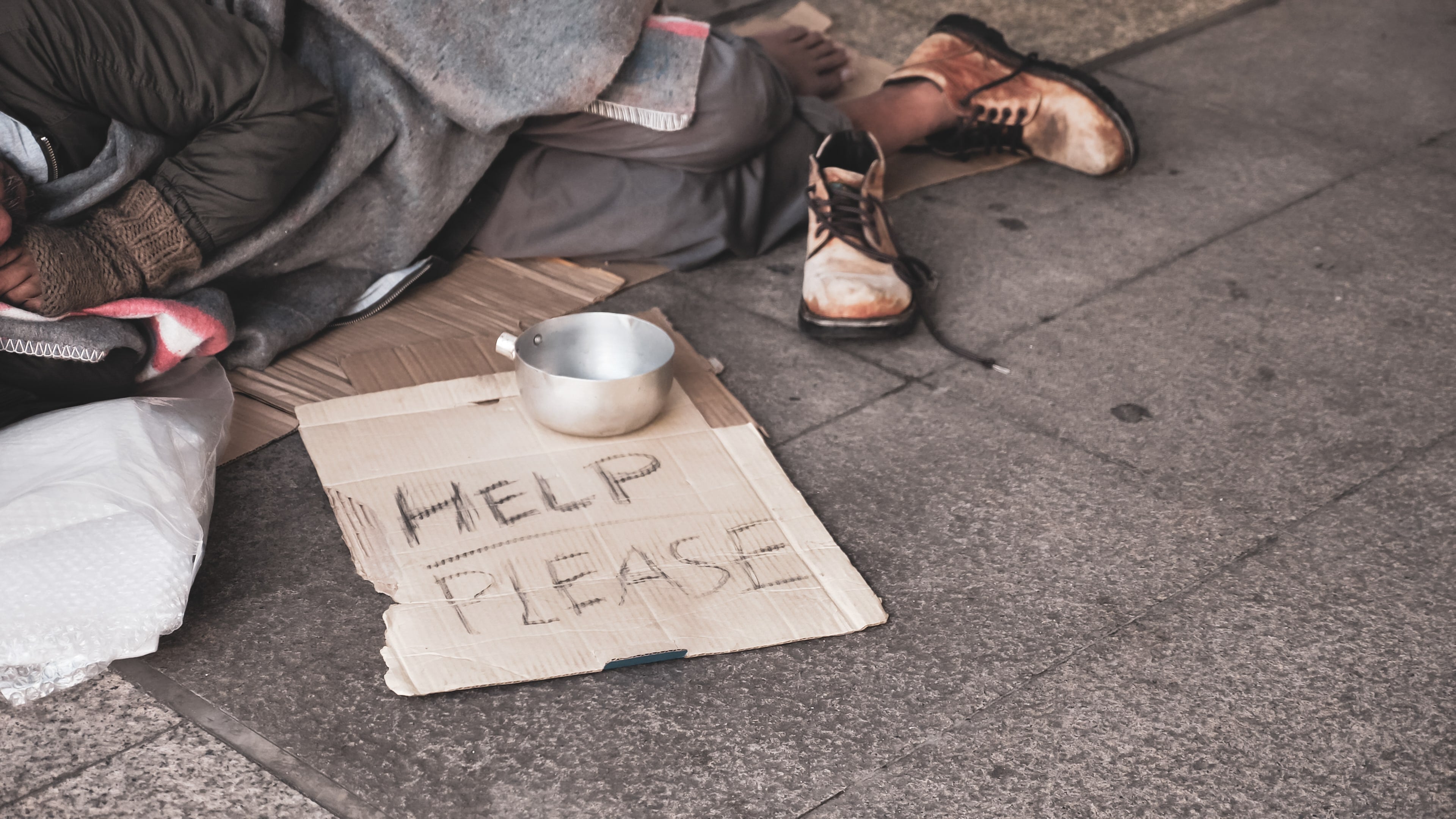
Not all homelessness looks like what people think it looks like. The Minneapolis Fed’s 2025 update says the national rate hit 2.3 people per 1,000 in 2024, and KFF says homelessness has risen nearly 40% since 2018, with almost half that growth happening between 2023 and 2024.
Yet the public image still tends to lag behind reality. Many people at risk are doubled up, sleeping in cars, moving between relatives, or couch-surfing while trying to keep jobs and school routines intact. The Alliance also notes that over the course of 2022, about 682,612 people seeking shelter did so for the first time.
That number matters because it reminds readers that homelessness often starts quietly. It can begin with a respectable paycheck, a packed trunk, and the fragile belief that this arrangement is just temporary. Understanding who is most vulnerable requires looking more deeply at factors such as race and systemic barriers.
Racism Magnifies the Risk

Housing stress does not land evenly, even among families with similar incomes. Harvard’s 2025 housing report found that 57% of Black renter households and 53% of Hispanic renter households were cost-burdened in 2023, compared with 46% of white renter households.
The same report found that only 7% of Black renters and 11% of Hispanic renters could afford the median-priced home in 2024, versus 15% of white renters. Brookings adds another layer, reporting that white middle-class families had the lowest share struggling to afford basic necessities at 27%, while Latino or Hispanic middle-class families had the highest at 50%.
This is where the myth of a single, shared middle-class runway breaks down. Two families can earn similar money and still stand on very different terrain because the history of housing in America still leans hard on the present.
Direct Link Between Rents and Homelessness

Sometimes a crisis becomes real when the math gets simple enough to repeat. The U.S. Government Accountability Office found that every $100 increase in median rent was associated with about a 9% increase in homelessness in the areas it studied.
The Alliance’s 2025 homelessness report paired that with another brutal trend line, saying inflation-adjusted median rents rose 23% from 2001 to 2023 while renters’ median incomes rose just 5%. That gap is the story in miniature. Housing costs have been running ahead of paychecks for years, and homelessness has followed.
It is tempting to treat homelessness as something caused only by the most severe personal crises. The rent data says otherwise. Price pressure itself is a driver, and once it keeps climbing, even households that used to feel safe start inching toward the same edge.
There’s a Deeper Crisis Ahead

The final truth is the hardest because it points straight at choice. UN-Habitat said in 2025 that 2.8 billion people globally face some form of housing inadequacy, and the World Economic Forum has noted that around 1.6 billion people lack adequate housing, with that number potentially rising to 3 billion by 2030.
In the United States, Harvard says a first-time buyer now needs roughly $126,700 in annual income to afford the median-priced home. That is not a natural law. It is the result of policy, supply, incentives, credit, land use, and public will.
Chris Herbert from Harvard warned that “housing is deeply unaffordable” for millions. He is right, and the real alarm bell is that the middle class does not need an apocalyptic collapse to fall further. It may take only one more policy failure that lets the market keep stripping away the last margin of safety.
Reflective Close
The most unsettling part of this story is how ordinary it feels. The people living closest to the edge are not always the people Americans have been trained to picture.
They are renters with decent jobs, owners with rising bills, families with school drop-offs and grocery lists, and a private dread they do not say out loud. The 2025 homelessness and housing reports keep telling the same story in different languages.
Costs are up, cushions are down, and the middle class is carrying more risk than it wants to admit. Home still looks solid from the outside. For a growing number of families, it already feels like standing on cracking ice.
Key Takeaways
The numbers in this piece point to one stubborn truth. Middle-class stability is not as sturdy as it once looked. National homelessness reached 771,480 people in 2024, renter cost burdens hit 22.6 million households in 2023, middle-income renter burden rates climbed to 45%, and a third of Americans in Self Financial’s 2025 survey said they could cover housing for only a month or less after losing income.
Add in medical debt, shrinking prevention funds, racial disparities, and rent hikes that map directly onto rising homelessness, and the old comfort story starts to fall apart.
This is why the issue feels so urgent. The line between housed and unhoused is no longer parked at the far edge of American life. It is moving closer to the middle.
NOTE –This list is solely the author’s opinion based on research and publicly available information. It is not intended to be professional advice.
Disclosure: This article was developed with the assistance of AI and was subsequently reviewed, revised, and approved by our editorial team.
Like our content? Follow us on Newsbreak.
IBS, The Low FODMAP Diet, Coffee & Coffee Drinks

You CAN Have Coffee on the Low FODMAP Diet – Maybe
The very concept of coffee comes up a lot in discussions of IBS and FODMAPs, so we thought we would address this in this article, The Low FODMAP Diet, Coffee & Coffee Drinks. Learn more.





