

More restaurants than you’d think are leaning on pre-made shortcuts — and the clues are sitting right on your plate.
When you go to a restaurant expecting fresh, cooked-to-order food, you imagine the sizzle, aromas, and an active chef. But sometimes, your plate holds food that’s been prepped elsewhere, maybe days before, and just reheated in-house. If you’re unsure if you’re getting the “from scratch” experience or convenient pre-made fare, these 12 clear signs can help you spot a restaurant’s reliance on pre-made food.
Even if your finances are on track, you still want an authentic meal when eating out. Let’s explore these red flags—with wit and a fork.
Quick and Identical Service

If your order arrives almost instantly—regardless of complexity—it’s likely that the dish was pre-made and just reheated. The quick turnaround often means no chef was involved in the cooking process; it was prepared in advance. In a real cooking scenario, you’d expect some visible action, like chopping or sizzling.
At chain restaurants, the dish often arrives before you even finish deciding on your drink, which is unrealistic for fresh, made-to-order food. Many restaurants opt for pre-prepared dishes to cut costs and speed up service. If your meal arrives too quickly, you might be getting reheated stock.
Identical Taste Every Visit

Do you notice that if you come back a week later to the same place, the flavour, salt content, and mouth‑feel are eerily identical? That’s often less about consistent chef skill and more about reheating the same product day after day. Standardisation is more than just good management—it can be a clue you’re eating something pre‑made.
Research on chain operations reveals that achieving flavour consistency requires standardised recipes, controlled ingredients, and, in some cases, centralised production kitchens. When everything tastes the same, right down to the tiny crackle on the crust, it may mean there was no adaptation for current freshness—it was built for repeatability.
Chain or Franchise Setting
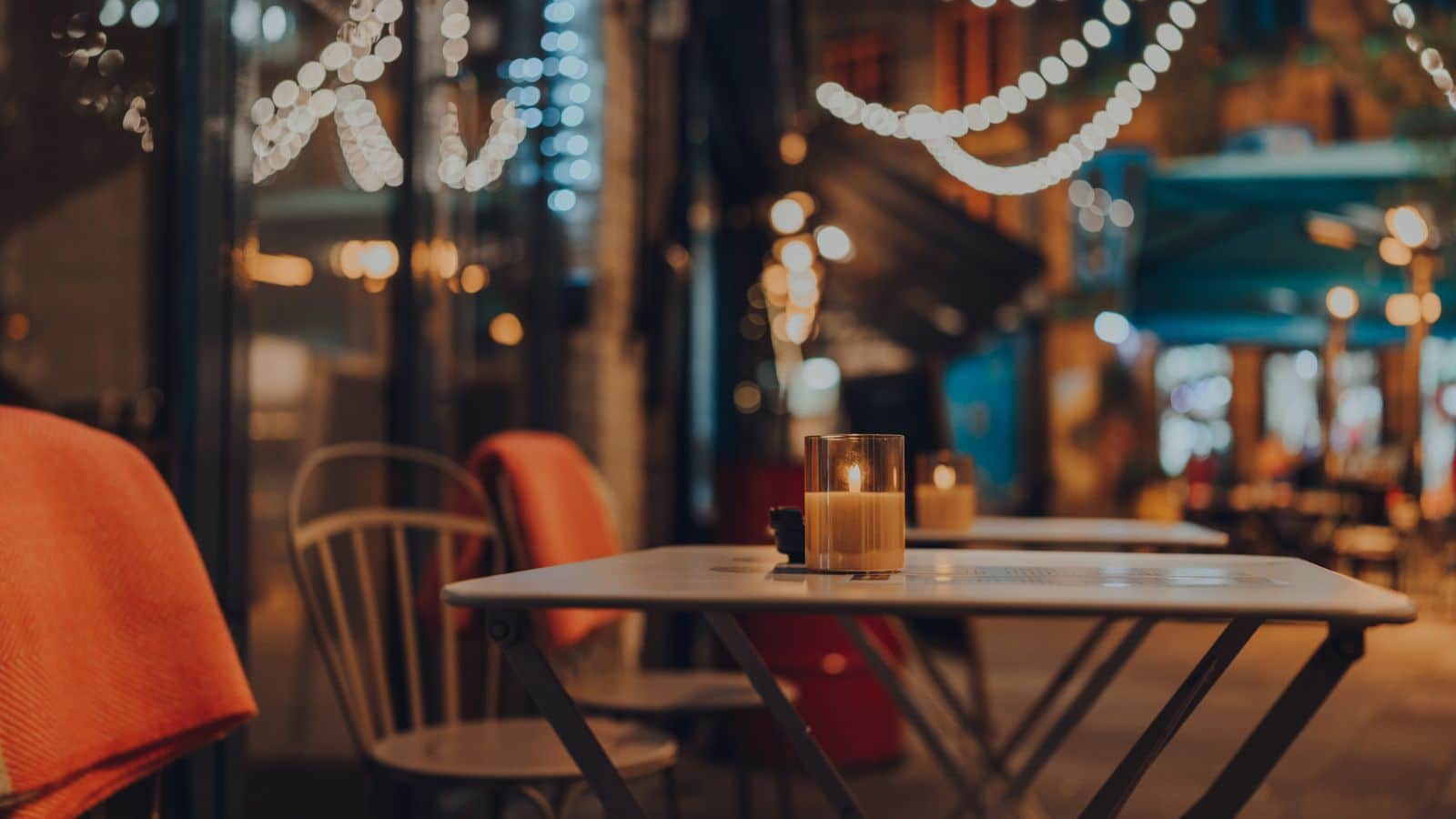
If the place is a large chain or a franchise, especially one you’ve seen elsewhere, your odds increase that you’re getting pre‑made or centrally‑produced food. Chains often rely on central kitchens or precooked items to maintain uniformity across locations. One piece of research explains that “system catering… the various branches sell the same product range” under identical standards.
This isn’t necessarily bad—you may like the reliability. But it often means your dish wasn’t crafted fresh in the kitchen. The focus is on scale, not chef creativity.
Mostly Fried Options

A menu heavy on fried items is a red flag. Fried foods are often prepared in advance, then refried, stored under heat lamps or holding trays, and served quickly. When most menu options are deep‑fried, the kitchen may focus more on reheating than cooking fresh ingredients.
From an operational view, frying is fast, simple, and lends itself to bulk prep. If most dishes fall into this category with only a few exceptions, the likelihood you’re eating a reheated rather than freshly composed meal increases. You might want to question whether the broccoli side was truly sautéed for your table or warmed up.
Premade Sauces or Desserts

When you ask about the sauce or dessert and the answer is “It comes from a pack” or “it’s pre‑made in the kitchen overnight and just heated,” then you’re seeing a clue in real time. Serving pre‑made sauces or desserts saves prep time and labour but may sacrifice some freshness or customisability. Industry trends show that prepared dishes, with components already cooked or nearly cooked, are increasingly used in food service.
If the dessert tastes the same as dessert at five other outlets you’ve visited, or the sauce seems overly smooth in a way that home‑cooked sauces rarely are, you might be eating something that was assembled rather than crafted. This is more about convenience than about craftsmanship.
No Substitutions Allowed

You know the moment: you ask for broccoli instead of mashed potatoes or want the sauce on the side, and the waiter says, “We can’t do substitutions.” That can be a sign the dish isn’t uniquely made for you—it’s already pre‑assembled. When substitution requests are flatly denied, the restaurant may lack flexibility in the prep process because the food was prepared in advance.
Whether you’re trying to meet your dietary goals, make the most of your savings, or take a more mindful approach to eating out, this lack of flexibility can matter. It’s a strong indicator that your meal may have been pre-made rather than freshly crafted for you.
Staff Can’t Explain Ingredients

You ask the server: “What exactly is in this dish? What oils are used? Is anything fresh‑chopped today?” If their answer is vague or they can’t give specifics, that’s a sign. When staff cannot explain ingredients or cooking methods beyond “it comes like this,” the dish might have been produced off‑site or handled in bulk.
A study found that most food‑service workers lacked access to comprehensive allergen training or thorough knowledge of ingredients. An empathetic approach works here: if the staff seem unsure, ask for more details or pick a different dish. After all, you have a right to know what you’re eating—not just accepting what lands.
Odd Texture or Temperature

Save this article
Sometimes you bite in, and the texture feels slightly off—too uniform, a little rubbery, colder than expected, or doesn’t match the dish name. That can be a giveaway that the food was frozen, thawed, reheated, or held for some time. Cold spots, mushy bits, or an overly uniform texture are signs that your dish may not have been freshly prepared.
For example, a review of food kept warm for long periods found that nutrient content (e.g., vitamins) dropped when “quick‑frozen meals … kept warm for several hours” were reheated. If it doesn’t feel like the chef just plated it, chances are it was sitting somewhere waiting.
Signs of Freezer Burn

If you notice strange ice crystals, dry patches, discoloration, or a faint freezer smell on your food, it could be showing signs of freezer burn. Freezer burn occurs when food is exposed to air during freezing, leading to dehydration and texture damage. This is a clear indication that the food wasn’t freshly cooked, but likely thawed and reheated.
Since frozen items are often used in many restaurant supply chains for cost-effectiveness, freezer burn signals that pre-prepared food was used. If you spot ice crystals or an unusual texture, it might be a sign your meal came from a frozen batch rather than being made from scratch.
No Visible Chef or Cooking Activity
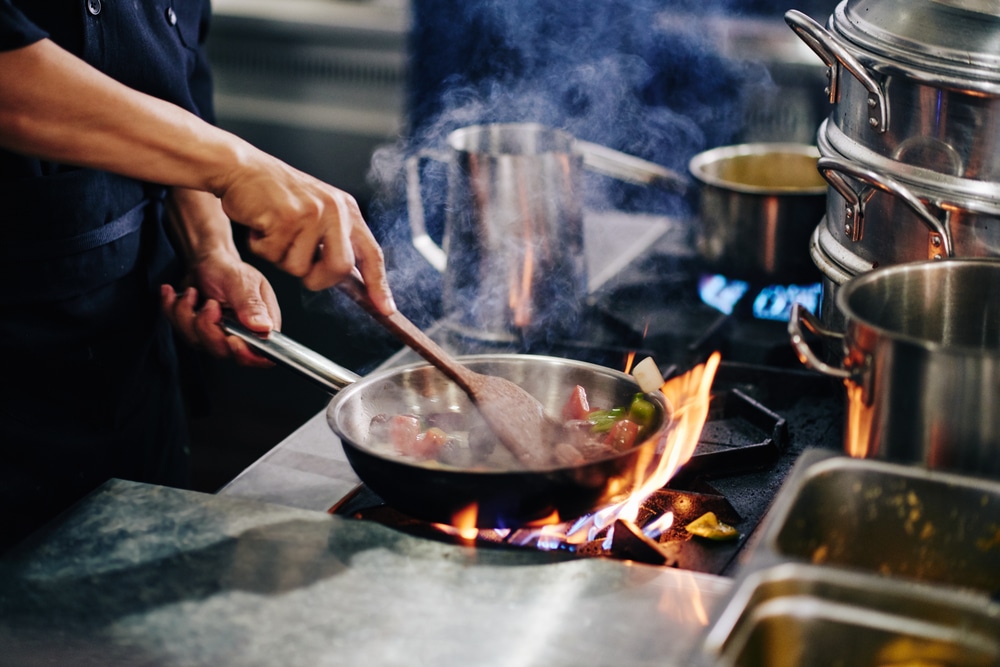
You walk in expecting a kitchen with a chef at work, sauté pans singing, garlic sizzling—but instead it’s a quiet zone, maybe a window to a holding tray or warming station. If you can’t see any cooking happening, it’s possible your meal is being heated rather than prepared for you.
Keep in mind: even restaurants with open kitchens may prep ahead. But when cooking is completely hidden, it often signals a focus on efficiency and uniformity over hands-on craft. It’s a bit like getting a ready-made suit at a fancy dinner—presentable, but lacking a story.
Under Heat Lamps or Holding Trays
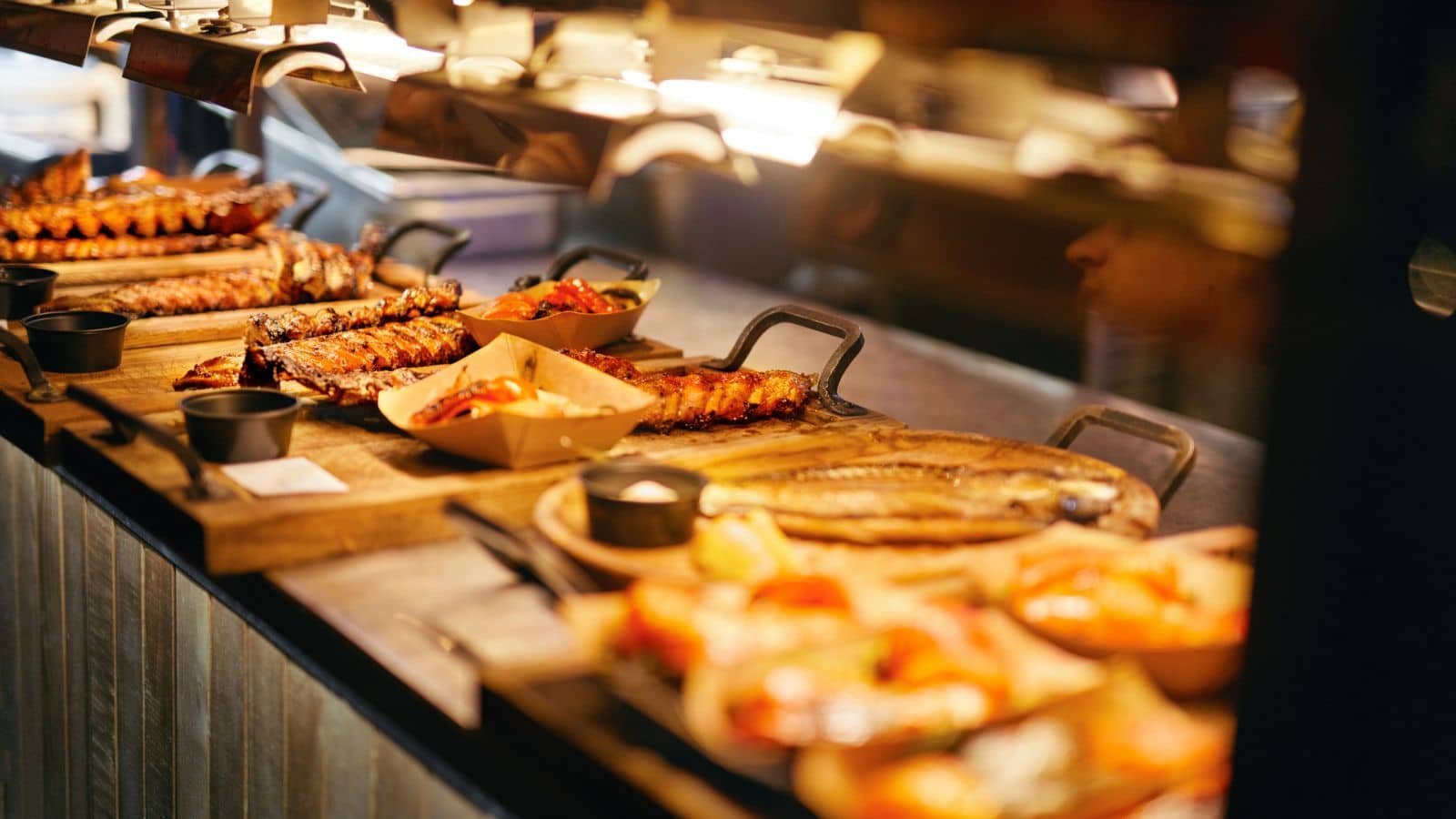
Spot a buffet‑style row or a holding tray under a heat lamp with plates waiting? That could mean what you order might have been sitting there for a while. Restaurants that rely on pre‑made food often use heat lamps or holding trays to keep dishes warm and ready for service rather than produce to order. According to food service advice, hot‑held food should ideally not stay longer than two to four hours for quality and safety.
If your dish feels warm but not freshly cooked, you might have walked into an assembly line of heat rather than a fresh kitchen. Not inherently unsafe, but not precisely the artisan experience either.
“Daily Specials” That Never Change
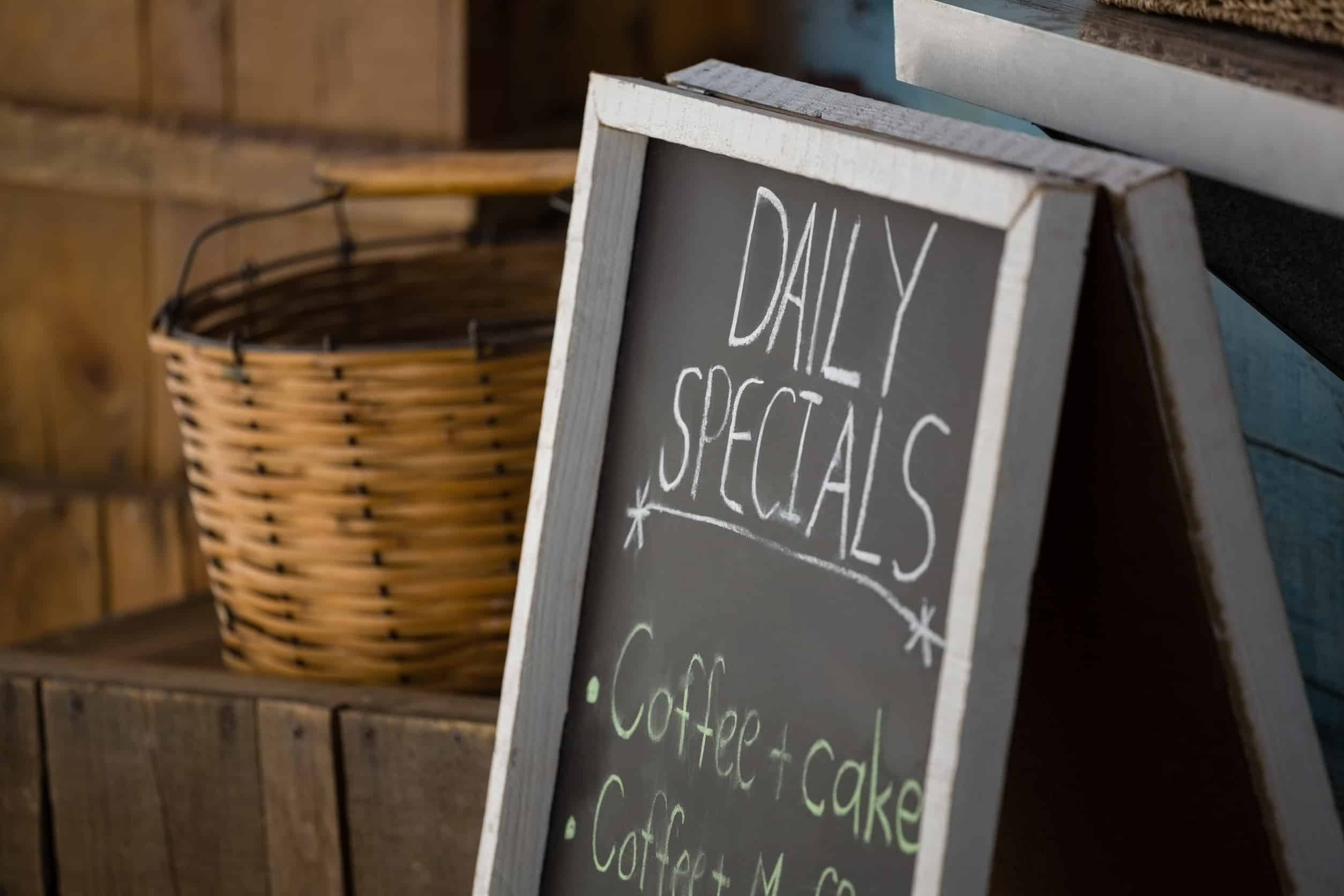
When the “special” of the day seems suspiciously identical to what you had two visits ago, and the server says the same thing every time, that’s a clue. When daily specials don’t rotate and look pre‑written, they might be marketing covers for pre‑made items rather than fresh new creations.
From the consumer side, when everything appears “fresh” but the memorable stays the same week in, week out, you may be in the world of convenience food adapted for restaurant display. It may still taste good, but it’s likely to lack the chef’s touch specific to that day’s market.
Key Takeaway

Spotting these signs doesn’t mean the restaurant is doing something “wrong” or unhealthy—or that they are ignoring your goals. It just highlights a focus on efficiency and scale, not unique, made-to-order plates.
If you’re in the mood for something genuinely made to order—something more craft than conveyor belt—use these clues to choose accordingly. A little awareness helps you align your dining experience with your appetite and values.
Disclaimer: This list is solely the author’s opinion based on research and publicly available information. It is not intended to be professional advice.
Disclosure: This article was developed with the assistance of AI and was subsequently reviewed, revised, and approved by our editorial team.
Like our content? Be sure to follow us.
12 Laws And Rules About Food In Other Countries

12 Laws And Rules About Food In Other Countries
Food is more than just nourishment; it’s a reflection of culture, tradition, and, in many cases, the law. Around the world, various countries have established distinct food regulations that may surprise travelers and food enthusiasts alike.
These laws reveal how deeply societies value what ends up on their plates. Here are 12 fascinating food laws and rules from around the globe that show just how diverse and sometimes unexpected our relationship with food can be.
20 Odd American Traditions That Confuse the Rest of the World
20 Odd American Traditions That Confuse the Rest of the World
It’s no surprise that cultures worldwide have their own unique customs and traditions, but some of America’s most beloved habits can seem downright strange to outsiders.
Many American traditions may seem odd or even bizarre to people from other countries. Here are twenty of the strangest American traditions that confuse the rest of the world.





