
Aging is inevitable, but what comments do older adults hear about it? Less so. If it’s relatives, coworkers, or strangers at the grocery store, older adults are constantly bombarded with remarks that range from mildly irritating to downright exhausting.
And it turns out, some of these comments have a measurable impact on mental and physical health. According to AARP, ageist remarks can contribute to negative self-perception, lower life satisfaction, and even cognitive decline.
Research published in the Journal of Gerontology indicates that internalizing stereotypes about aging can reduce memory performance and overall health outcomes.
With that in mind, here are 12 comments older adults are truly tired of hearing and why they can be more harmful than people realize.
“You Don’t look your age!”

Sounds like a compliment, right? Not always. Ex-psychologists point out that while it may seem flattering, it subtly reinforces the idea that aging is undesirable. Older adults often hear this as, “Your age is a negative thing to hide.”
A study found that such “age-positive” remarks can paradoxically trigger anxiety about appearance and aging.
“Are you sure you can handle that?”

If it’s lifting groceries or climbing stairs, adults in their 60s and 70s are frequently questioned about their abilities.
According to the American Psychological Association, repeated questioning of competence can decrease self-confidence and encourage dependency, even when the person is competent.
Older adults hear this one constantly at home, at work, and even in casual social settings.
“you’re so brave to try that!”

This one might come from a well-meaning place, like trying a new workout class, tech gadget, or adventure.
However, research shows that framing ordinary actions as “brave” for older adults reinforces age stereotypes, implying limitations that may not exist.
It’s a subtle form of “othering” that older adults often hear and quietly resent.
“when are you going to retire?”

Many older adults enjoy working past the traditional retirement age, but society often assumes it’s “time” to step aside.
The National Institute on Aging reports that meaningful work in later life can boost cognitive function, social connections, and a sense of purpose. Comments suggesting they should retire can feel dismissive or minimizing.
“you should slow down.”

Slowing down is natural for some, but this comment is often unsolicited and patronizing.
There is scholarly concern that excessive caution, overprotective attitudes, or stereotype‑based ageism can discourage some older adults from engaging in regular physical activity, potentially accelerating decline (less mobility, less strength, social isolation).
Older adults want autonomy, not constant reminders to conserve energy.
“oh, you’re so wise/Experienced.”

Again, it sounds positive, but older adults report feeling boxed in by this type of comment.
LinkedIn highlights that excessive emphasis on “wisdom” can pigeonhole older adults into advisory or background roles, limiting opportunities for creativity and risk-taking.
Sometimes, they want to try something new without the stereotype.
“is that normal at your age?”

This phrase often comes up when someone mentions a health symptom, forgetfulness, or even a new hobby.
Research notes that normalizing everything as “just age” can discourage older adults from seeking preventive care or treatment, thereby delaying diagnosis and reducing quality of life. It’s more harmful than it sounds.
“you Don’t need that tech/Gadget.”

Save this article
With smartphones, social media, and online banking, many older adults are increasingly tech-savvy, but comments like this can be condescending.
A Pew Research Center study found that 61% of adults over 65 use smartphones, and 45% are active on social media. Dismissing tech adoption underestimates capability and independence.
“are you still driving?”

Driving is a sensitive topic, and unsolicited questions about mobility can feel intrusive.
The AAA Foundation for Traffic Safety notes that older drivers often overestimate risks when constantly questioned, which can lead to premature driving cessation and social isolation.
For many, mobility = independence, and this comment touches a nerve.
“you’re too old to start that now.”
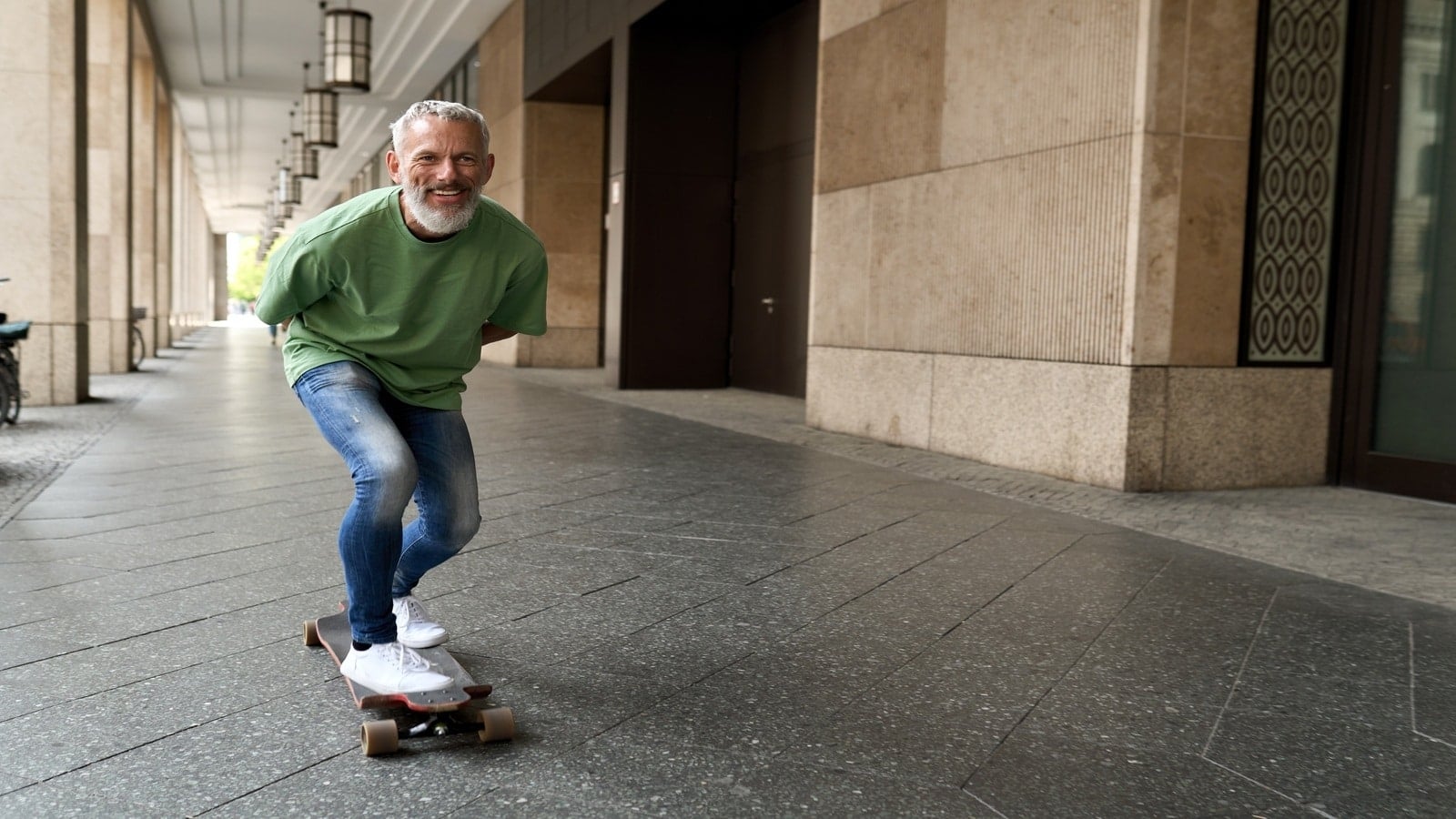
If it’s learning a language, traveling solo, or starting a business, older adults are often told they’re “too old.”
However, Stanford University’s Center on Longevity notes that lifelong learning and new ventures in later adulthood are linked to better cognitive function, emotional well-being, and overall life satisfaction. Age should never be a barrier, even if society insists it is.
“you remember when…?”

Stories of the “good old days” can be fun, but when repeated too often in conversation, they can make older adults feel their current experiences are irrelevant.
A study by the gerontologist found that older adults who are constantly compared to the past may experience lower self-esteem and disengagement from current social interactions. They’re living now, not just reminiscing.
“Don’t worry about it, you’ve earned a rest.”

While intended as kind, this comment can imply fragility or incapacity. According to research in Age and Ageing, older adults who are frequently told to “take it easy” are more likely to decrease activity levels, which can negatively affect physical health and independence.
Sometimes, what older adults really want is encouragement, not reassurance that they need to slow down.
Final Thoughts

Growing older doesn’t mean losing independence, relevance, or capability. Yet older adults report hearing comments that make them feel less capable, less current, or less valued.
These 12 phrases, while often well-intentioned, reinforce age stereotypes, subtly impact self-esteem, and sometimes even affect health.
The key takeaway? Approach conversations with older adults as you would with any adult: with respect, curiosity, and without assuming limitations. Listen more than you speak. Ask instead of thinking. And leave the tired clichés behind.
Because everyone deserves to grow older with dignity and without the comments that make them feel “too old” for life.
Disclaimer – This list is solely the author’s opinion based on research and publicly available information. It is not intended to be professional advice.
Disclosure: This article was developed with the assistance of AI and was subsequently reviewed, revised, and approved by our editorial team.
Like our content? Be sure to follow us.
20 Odd American Traditions That Confuse the Rest of the World

20 Odd American Traditions That Confuse the Rest of the World
It’s no surprise that cultures worldwide have their own unique customs and traditions, but some of America’s most beloved habits can seem downright strange to outsiders.
Many American traditions may seem odd or even bizarre to people from other countries. Here are twenty of the strangest American traditions that confuse the rest of the world.
20 of the Worst American Tourist Attractions, Ranked in Order

20 of the Worst American Tourist Attractions, Ranked in Order
If you’ve found yourself here, it’s likely because you’re on a noble quest for the worst of the worst—the crème de la crème of the most underwhelming and downright disappointing tourist traps America offers. Maybe you’re looking to avoid common pitfalls, or perhaps just a connoisseur of the hilariously bad.
Whatever the reason, here is a list that’s sure to entertain, if not educate.





