As climate headlines grow increasingly alarming, a dozen nations are quietly demonstrating that decisive action can still be effective.
When the headlines about climate change feel overwhelming, it’s easy to think nobody is getting it right. It feels like we’re all stuck in traffic, honking about the problem, while no one is actually driving. But that’s not the whole story. Some nations are hitting the accelerator on green policy, proving that real, impactful change is possible. These countries aren’t just talking the talk; they are fundamentally changing how they power their lives.
From the chilly fjords of Scandinavia to the tropical rainforests of Central America, these leaders are writing the playbook for a sustainable future. They are investing heavily in new technologies, protecting their natural resources, and setting ambitious goals that would have seemed impossible just a decade ago. It’s a mix of political will and public buy-in that shows a path forward. So, who are these front-runners?
Germany

As one of the world’s industrial giants, Germany’s effort is a heavy lift. Their “Energiewende,” or energy transition, has been a massive, expensive, and sometimes complicated national project. The goal is to phase out both nuclear power and coal, replacing them with renewable energy sources.
It hasn’t been a perfect walk in the park, but their commitment to solar and wind is undeniable. When an economic powerhouse like Germany moves on climate, it sends a powerful signal to the global market.
Denmark

The Danes are one of the top fighters, and for good reason. They treat climate action with the seriousness of a national project, embedding it in their laws and their culture. It’s not just about windmills; it’s about a complete societal shift in how they consume and produce.
Denmark has a legally binding target to slash its greenhouse gas emissions by 70% by 2030, compared to 1990 levels. This is one of the most ambitious short-term goals on the planet. They are all-in on offshore wind, making Copenhagen a hub for green energy innovation.
Sweden

Not to be outdone by their neighbors, Sweden has also put its goals into law. Their long-term goal is to achieve zero net greenhouse gas emissions by 2045 at the latest. This isn’t a vague promise; it’s a legal requirement that future governments must follow.
The country is a powerhouse in recycling, waste-to-energy systems, and sustainable forestry. They’ve successfully decoupled economic growth from carbon emissions, proving you can have a strong economy without destroying the planet.
Costa Rica

This Central American nation is a true success story in environmental conservation. Decades ago, its beautiful rainforests were being cleared at an alarming rate. Today, Costa Rica has made a stunning reversal in deforestation, with forests now covering nearly 60% of the country, up from a low of 40% in 1987.
It has also operated its electricity grid on more than 98% renewable energy for several consecutive years. Costa Rica is a living example that “eco-tourism” and “thriving economy” can absolutely go hand-in-hand.
Uruguay

Here is a name that might surprise you, but Uruguay is a renewable energy rockstar. In less than a decade, the country completely overhauled its energy grid. As of 2024, Uruguay now generates an incredible 98% of its electricity from renewable sources, primarily wind and hydropower.
This wasn’t a happy accident; it was the result of clear policies that encouraged massive private investment. They demonstrated that a rapid transition away from fossil fuels is not only possible but also economically feasible.
Morocco

Morocco is harnessing its most powerful natural resource: the sun. The country is a leader in solar power, not only in Africa but also globally. They are home to the Noor Ouarzazate Solar Complex, the world’s largest concentrated solar power plant, which is capable of powering over a million homes.
This massive project, visible even from space, is a key part of Morocco’s plan to reduce its dependence on imported energy. It’s a bold statement that developing nations can leapfrog old technologies and become leaders in the new green economy.
Iceland
Save this article
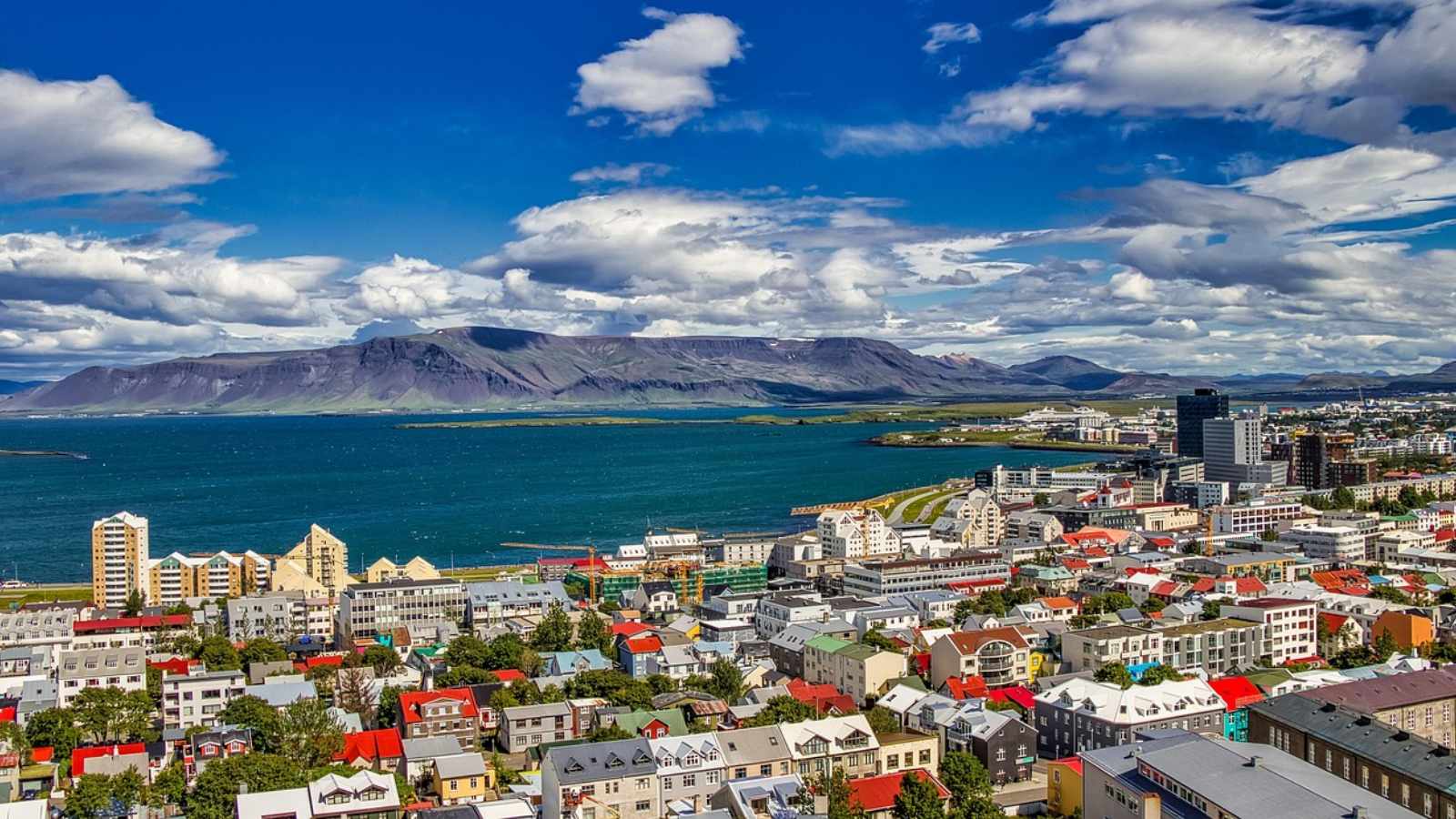
When your country is basically a giant, active volcano, you learn to use that energy. Iceland is a world leader in geothermal power. An amazing 90% of all homes in Iceland are heated using geothermal water pumped directly from the ground.
This means they’ve almost eliminated fossil fuels for heating, which is a massive win in such a cold climate. Their electricity is also nearly 100% renewable, coming from a mix of geothermal and hydropower.
Netherlands

For the Dutch, fighting climate change is a personal matter. Much of the country is situated below sea level, making rising oceans an existential threat. This has sparked a wave of incredible innovation in water management and climate adaptation.
They are building “floating” neighborhoods, strengthening their famous dikes, and investing heavily in offshore wind and bicycle infrastructure. They aren’t just trying to stop climate change; they are actively preparing for its unavoidable impacts.
Portugal
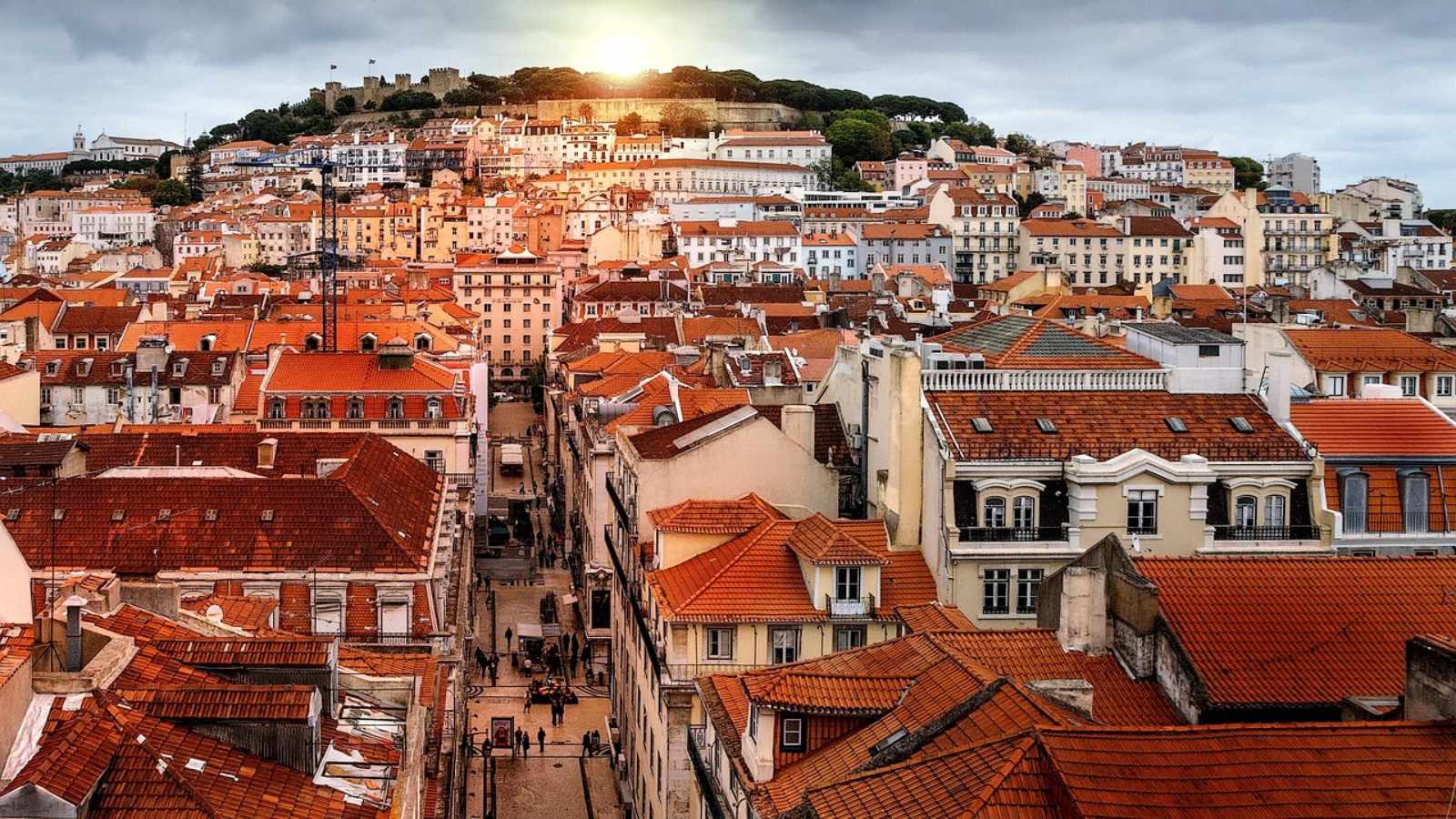
Portugal has been on a remarkable green streak, showing the rest of Europe how it’s done. In April 2024, the country met 95% of its electricity needs with renewable sources, including wind, hydro, and solar.
They’ve had periods where they ran for several days straight on renewables alone. This success comes from consistent, long-term government investment in green energy, even when it wasn’t the popular thing to do.
United Kingdom

The U.K. has made impressive progress, especially in one specific area: offshore wind. The nation has become a global leader in wind power, using the blustery North Sea to generate huge amounts of clean electricity.
They were one of the first major economies to pass a legally binding net-zero emissions target. The U.K. has also successfully reduced its emissions faster than many other developed countries, primarily by transitioning away from coal.
Finland

Finland is in a race to be one of the first countries to achieve carbon neutrality. The Finnish government has a legal obligation to reach carbon neutrality by 2035, one of the most ambitious targets in the world.
To get there, they are focusing on everything from sustainable forestry practices to greening their industrial sector. This is supported by a strong public consensus that climate change is a pressing issue that must be addressed urgently.
Norway

Norway presents a fascinating case. It’s one of Europe’s largest oil and gas exporters, but it uses that wealth to fund a rapid green transition at home. Nowhere is this more obvious than in their enthusiastic adoption of electric vehicles (EVs).
Thanks to massive tax breaks and other incentives, the majority of cars sold in Norway are electric. Their domestic electricity is also almost entirely from hydropower, making those EVs truly clean to run.
Disclaimer – This list is solely the author’s opinion based on research and publicly available information. It is not intended to be professional advice.
Like our content? Be sure to follow us.
How Total Beginners Are Building Wealth Fast in 2025—No Experience Needed

How Total Beginners Are Building Wealth Fast in 2025
I used to think investing was something you did after you were already rich. Like, you needed $10,000 in a suit pocket and a guy named Chad at some fancy firm who knew how to “diversify your portfolio.” Meanwhile, I was just trying to figure out how to stretch $43 to payday.
But a lot has changed. And fast. In 2025, building wealth doesn’t require a finance degree—or even a lot of money. The tools are simpler. The entry points are lower. And believe it or not, total beginners are stacking wins just by starting small and staying consistent.
Click here and let’s break down how.