If current trends continue, over a dozen everyday actions, like eating beef or using cash, are on track to vanish under the weight of climate, tech, and social regulation.
Have you ever stopped to imagine how weird the future might look? Fifty years ago, no one dreamed you could get fined for texting while driving—or that plastic straws would basically be outlawed. The everyday stuff we take for granted now might make future generations shake their heads in disbelief.
Based on Statista, the world currently produces over 2 billion metric tons of municipal solid waste every year, and if trends continue, that number could hit nearly 4 billion by 2050. So yeah, change is coming—some of it for the better, some of it we’ll probably miss. Let’s take a fun look at a few everyday things that might be totally illegal by 2075.
Driving your own car

The idea of sitting behind the wheel might sound wild to your grandkids one day. With self-driving technology advancing fast, manual driving could eventually be seen as too risky.
Take, for instance, the National Motor Vehicle Crash Causation Survey (NMVCCS) conducted by the NHTSA. This study analyzed a sample of crashes and identified the “critical reason” for each, concluding that driver-related factors were present in 94% of cases.
Now that there are AI-driven cars, letting humans take over might seem like letting toddlers play with power tools. Future “manual driving zones” could become the new amusement parks—just for nostalgia.
Owning unregistered pets

As wildlife preservation becomes more urgent, pet ownership could face stricter rules. Some experts predict that only licensed breeders or sanctuaries will be allowed to keep animals, to prevent overpopulation and genetic health issues. In some countries, microchipping and pet DNA databases are already required by law.
Using gas-powered lawn equipment

Mowing your lawn might not seem controversial now, but the fumes tell another story. Gas-powered mowers and trimmers emit surprising amounts of air pollution, with reports estimating they account for nearly 5% of total U.S. air pollution.
California already plans to phase them out completely. In a few decades, the smell of fresh-cut grass might be replaced by the quiet hum of electric mowers. Your Saturday chore could turn into a greener, cleaner ritual.
Burning wood in fireplaces

Cozy nights by the fire might not be so innocent down the line. The EPA has warned that wood smoke contains fine particles that can harm heart and lung health.
Some U.S. cities have already started restricting wood-burning during high pollution days. By 2075, only electric or biofuel fireplaces might be legal.
Owning a smartphone
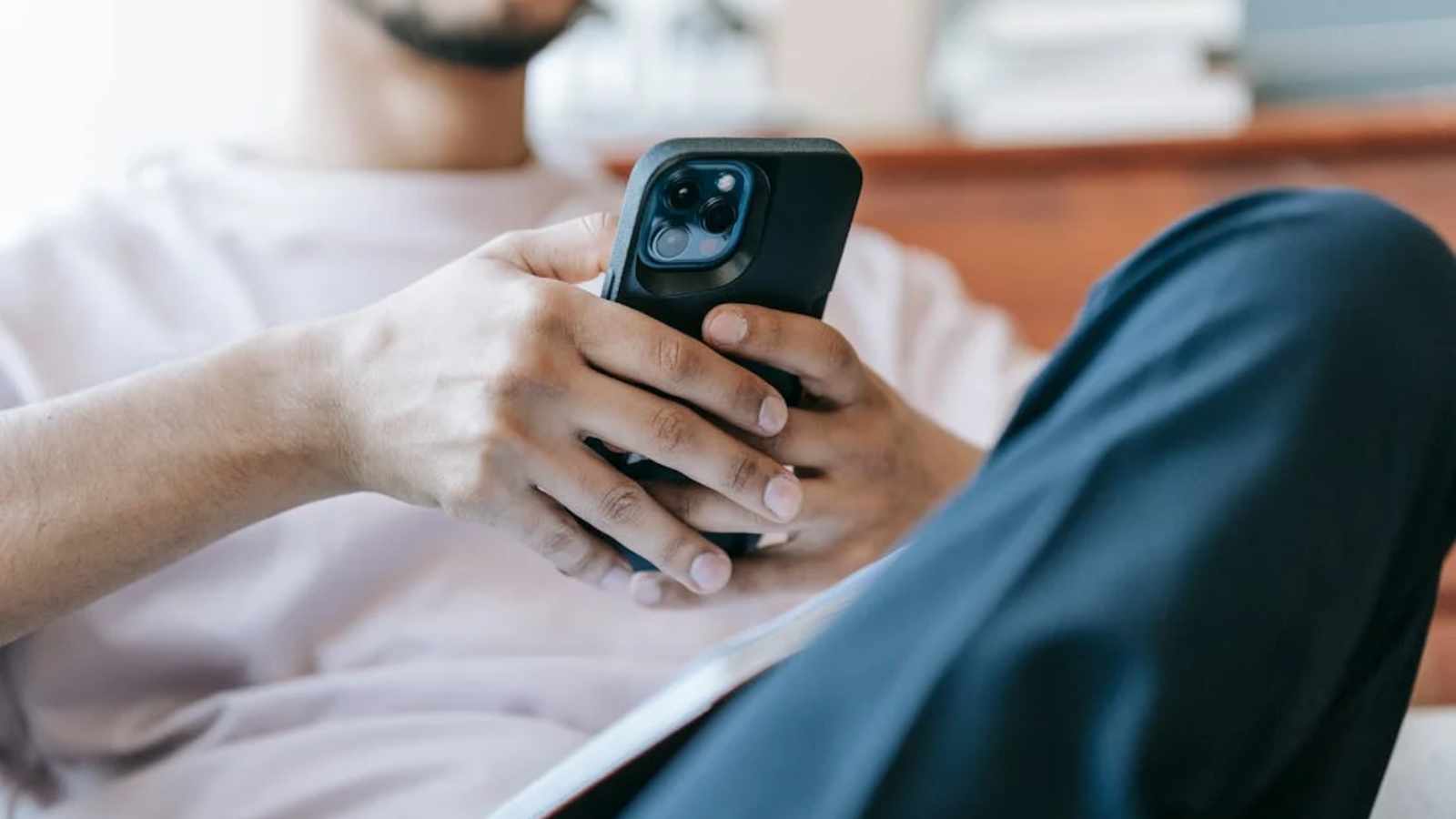
It sounds unthinkable, but phones as we know them could be banned—or at least heavily restricted. Between privacy concerns, data addiction, and mental health impacts, experts are already sounding alarms.
A Pew Research Center study found that 72% of Americans say they feel that most or nearly everything they do online or on their phones is being monitored. By 2075, implantable or wearable devices might replace phones entirely. You could be told to “put your implant away at dinner”—the future’s version of “no phones at the table.”
Also on MSN: 10 everyday backyard habits you didn’t know are now illegal
Using single-use plastics

Plastic forks, grocery bags, and takeout containers already have a bad reputation. The World Economic Forum projects that by 2050, there could be more plastic than fish in the ocean by weight.
That stat alone might be enough to make future lawmakers ban them entirely. Biodegradable alternatives and reusable packaging will likely become the norm. Your grandkids might stare at a plastic straw in a museum and ask, “People actually used these?”
Eating red meat regularly

That burger might one day be a luxury item—or even outlawed. The environmental toll of red meat production is enormous, with researchers estimating that beef generates 60 kilograms of greenhouse gases per kilogram of meat.
Some countries are already testing “meat taxes” to cut emissions. In a few decades, real beef could be replaced by lab-grown alternatives or plant-based versions that taste almost identical.
Using non-recyclable packaging

Save this article
That shiny, hard-to-open chip bag might have an expiration date—on legality, not just freshness. Non-recyclable materials are one of the biggest challenges in waste management today.
By 2075, packaging that doesn’t break down or recycle easily could be banned altogether. Some companies are already developing edible or compostable packaging to get ahead of future restrictions.
Throwing away food

Right now, tossing leftovers doesn’t feel like a crime, but it could be someday. The United Nations reports that nearly one-third of all food produced globally is wasted each year. As the population grows, future laws might make composting or redistribution mandatory.
There could be scanners that track what you throw out, with fines for excessive waste. Future kitchens could double as mini recycling plants for food scraps.
Using too much water

Long showers and lush green lawns might become a thing of the past. Climate scientists predict that by 2075, over half the global population could experience water shortages.
In some areas, smart homes already monitor water use to detect leaks and limit consumption. Water rationing could become as normal as paying for Wi-Fi. You might need a permit just to fill up a kiddie pool.
Using cash

That crumpled $20 bill in your wallet might look suspicious in the future. As digital currencies dominate, physical cash could be seen as risky or outdated. Sweden is already on track to become the world’s first cashless society, with only about 6% of payments made in cash.
Governments could push for all-digital transactions to prevent fraud and tax evasion. “Do you take cash?” might one day sound as old-fashioned as asking if someone accepts gold coins.
Flying short distances

Future generations might shake their heads at the idea of taking a 45-minute flight when a train could do the same trip with a fraction of the carbon footprint. European countries like France have already banned short domestic flights where trains are a viable alternative.
By 2075, air travel might be reserved for long-haul or emergency trips only. Vacations could start with sleek, high-speed trains instead of airport lines.
Key takeaways
Everyday habits we see as harmless today could be tightly regulated—or even banned—by 2075. Technology, climate change, and public health priorities are likely to reshape what’s considered “normal.” What feels ordinary now might one day be viewed as outdated, unsafe, or environmentally irresponsible.
The future will likely favor sustainability, automation, and smarter living. As the world faces resource shortages and environmental pressures, innovation will drive greener alternatives—electric everything, zero-waste homes, and AI-driven systems. The good news? Many of these changes could make life cleaner, safer, and surprisingly more convenient than we can imagine today.
Disclaimer – This list is solely the author’s opinion based on research and publicly available information. It is not intended to be professional advice.
15 foods from the ’60s most Boomers loved with a passion

15 Foods From the ’60s Most Boomers Loved With a Passion
The 1960s were a period of profound social and cultural transformation in America. As the baby boomer generation came of age, they embraced new ideas, fashion trends, and music styles. And when it came to food, some beloved dishes defined this era.
16 grocery staples to stock up on before prices spike again
16 Grocery Staples to Stock Up On Before Prices Spike Again
I was in the grocery store the other day, and it hit me—I’m buying the same things I always do, but my bill just keeps getting higher. Like, I swear I just blinked, and suddenly eggs are a luxury item. What’s going on?
Inflation, supply-chain delays, and erratic weather conditions have modestly (or, let’s face it, dramatically) pushed the prices of staples ever higher. The USDA reports that food prices climbed an additional 2.9% year over year in May 2025—and that’s after the inflation storm of 2022–2023.
So, if you’ve got room in a pantry, freezer, or even a couple of extra shelves, now might be a good moment to stock up on these staple groceries—before the prices rise later.