

Throwing something “away” isn’t as simple as it used to be. For example, a 2021 Metro Vancouver audit found that 9% of inspected garbage loads contained items banned from regular trash, such as batteries, electronics, and hazardous materials.
As environmental regulations tighten and recycling standards improve, many everyday items are no longer allowed in regular household trash.
Electronics, batteries, and chemical products now require special handling to prevent pollution, fires, and long-term damage to soil and water. You’d be surprised what people still try to sneak in.
Batteries (Especially rechargeable & car batteries)

Rechargeable and car batteries, such as lithium-ion, NiCad, and lead-acid, are banned from household trash in many U.S. states. They can leak toxins and even cause fires. The EPA estimates that over 3 billion batteries are thrown away each year.
Most cities offer curbside pickup or drop-off options, and some areas enforce fines for improper disposal. Public safety campaigns and stricter policies mirror European rules, where EU countries must recycle up to 65% of portable batteries by 2025.
Televisions

CRT and flat-screen TVs are no longer allowed in regular trash or landfills in most states due to hazardous components like mercury, lead, and flame retardants. States such as California and New York require drop-off at certified e-waste centers to ensure safe handling and recycling.
Global e-waste reached 62 million tonnes in 2022. Studies show that a single improperly dumped TV can release up to 4 kg of heavy metals. To curb illegal disposal, lawmakers have expanded recycling fees and introduced serial number tracking programs.
Computers, laptops & monitors
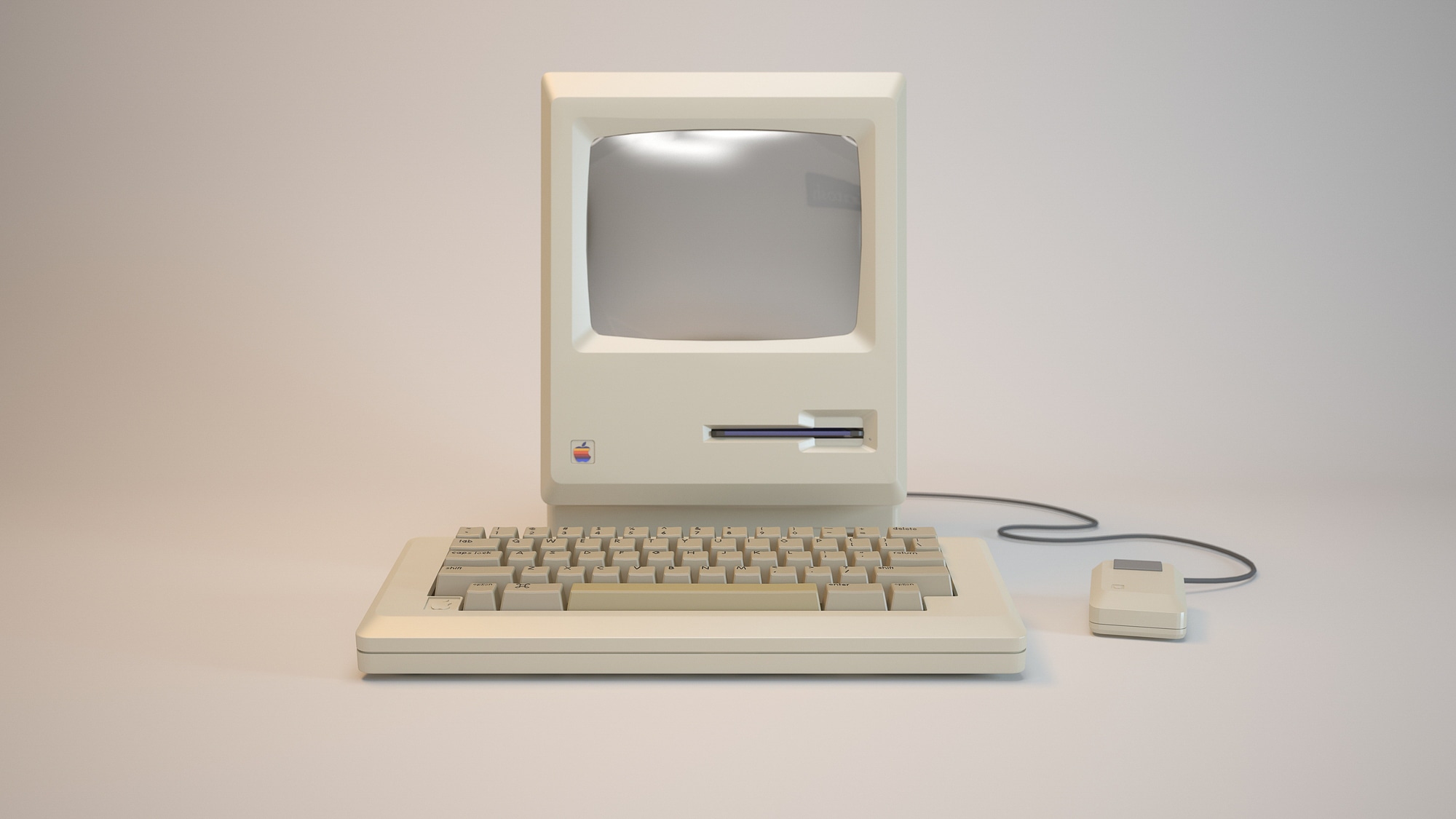
Computers and monitors contain toxic materials that make landfill disposal illegal in several states, including New York, California, and Washington. According to a 2012 EPA estimate, the overall recycling rate for e-waste in the U.S. was approximately 29%.
Federal laws are setting minimum recycling rates of 55%, and Extended Producer Responsibility programs are expanding. Despite progress, improper dumping of electronics remains a major source of metal contamination and harmful pollution.
Fluorescent light bulbs (Including CFLs)

Fluorescent bulbs are banned from regular trash disposal in most places because they contain mercury. The EPA requires these bulbs to be dropped off at hazardous waste sites or participating retailer programs. A single broken CFL can release enough mercury to contaminate more than 5,000 gallons of water.
Retailers like Lowe’s and Home Depot offer nationwide recycling bins, helping raise proper disposal rates. These expanded programs are aimed at keeping mercury out of landfills and community water supplies.
Paint (Especially oil-based paint)

Oil-based paint is classified as hazardous waste and cannot be thrown out in normal trash in many states. The EPA reports that paint makes up about 10% of household hazardous waste collected each year. This has led to more community recycling events and retailer drop-off programs..
Some states allow dried latex paint in trash under limited conditions, but rules vary. Proper disposal keeps volatile organic compounds and heavy metals from leaching into soil and groundwater.
Motor oil & used oil filters

Federal law prohibits disposing of used motor oil and filters in household trash because of the pollution risk. The Department of Energy estimates that over 350 million gallons of oil are improperly dumped each year. Most states now require recycling through auto shops or collection sites.
National chains accept used oil to meet regulations, and penalties for illegal dumping have increased. Since a single gallon of oil can contaminate up to one million gallons of drinking water, monitoring and reporting requirements have become stricter.
Tires

Tires are banned from landfills nationwide because they trap gases and pose fire hazards. According to the US National Science Foundation, Americans produce nearly 300 million scrap tires each year..
Most states require tire retailers to accept returns, and illegal dumping can carry fines. Recycled tires are now used in construction materials, playground surfaces, and mulch. Regulations are also increasing accountability for manufacturers and stores.
Save this article
Prescription drugs

Prescription medications cannot be tossed in the trash or flushed in most areas because wastewater plants cannot remove many pharmaceutical chemicals. The DEA hosts national drug take-back events, and pharmacies now provide disposal drop-offs.
Strict rules aim to prevent contamination, reduce drug misuse, and limit opioid diversion.
Household pesticides & garden chemicals

Most household pesticides and garden chemicals are treated as hazardous waste and banned from landfill disposal. Approximately 1.4 million tons of chemical waste were reportedly released in the United States in 2024, causing environmental damage
Cities now hold seasonal hazardous waste collections to manage these products safely. Regulations continue to expand, improving tracking and compliance to prevent contamination.
Refrigerators, freezers & air conditioners

Appliances like freezers and refrigerators must have refrigerants such as Freon removed by certified professionals before disposal, as required by the Clean Air Act. More than 9 million appliances are recycled each year, and about 80% go through approved facilities.
Retailers often partner with recycling programs, and fines for improper disposal have increased. Many areas now require documented proof that refrigerants were removed before a unit can be scrapped or recycled.
Propane tanks & pressurized gas cylinders

Propane tanks and pressurized cylinders are banned from household trash because they can explode or damage landfill equipment.
Public safety campaigns have reduced illegal dumping, and many retailers now offer refill or buy-back options. Some cities report hazmat responses when tanks are disposed of improperly.
Smoke detectors

Smoke detectors contain small radioactive components like americium-241 and generally cannot be thrown out with regular trash. Disposal is handled through manufacturer mail-back programs and Nuclear Regulatory Commission guidelines.
Manufacturers are now required to provide instructions for legal disposal, and penalties for improper handling are increasing as awareness grows.
Disclosure: This article was developed with the assistance of AI and was subsequently reviewed, revised, and approved by our editorial team.
Disclaimer – This list is solely the author’s opinion based on research and publicly available information. It is not intended to be professional advice.
20 odd American traditions that confuse the rest of the world

20 Odd American Traditions That Confuse the Rest of the World
It’s no surprise that cultures worldwide have their own unique customs and traditions, but some of America’s most beloved habits can seem downright strange to outsiders.
Many American traditions may seem odd or even bizarre to people from other countries. Here are twenty of the strangest American traditions that confuse the rest of the world.
20 of the worst American tourist attractions, ranked in order

20 of the Worst American Tourist Attractions, Ranked in Order
If you’ve found yourself here, it’s likely because you’re on a noble quest for the worst of the worst—the crème de la crème of the most underwhelming and downright disappointing tourist traps America offers. Maybe you’re looking to avoid common pitfalls, or perhaps just a connoisseur of the hilariously bad.
Whatever the reason, here is a list that’s sure to entertain, if not educate. Hold onto the hats and explore the ranking, in sequential order, of the 20 worst American tourist attractions.





