

You’ve probably heard people talking about the “enrollment cliff” and wondering why fewer Americans are heading off to college these days. Enrollment numbers that once seemed stable are now taking a significant dive, and it’s hard not to notice the shift in how students and families are approaching higher education.
Just recently, a 17% drop in new international student enrollments was linked to tightening visa policies and bureaucratic hurdles. This, along with rising tuition costs and shifting expectations, has sparked a wave of re-evaluation among many students.
What once felt like a default path for young adults is now being questioned more than ever. Here are 12 key reasons why U.S. college enrollment is plummeting and what this means for the future of our schools and universities.
Fewer Teens Entering the Pipeline

One of the biggest and most cited reasons for declining college enrollment is simple math: there are fewer young people in college. A long‑term demographic trend stemming from declining birth rates after the early 2000s means the number of high school graduates peaked around 2025 and is projected to drop steadily over the next decade.
According to the Western Interstate Commission for Higher Education, the number of graduating students is shrinking by 15% in the Northeast and Midwest. The decline in fertility rates, from 2.12 in 2007 to 1.6 today, has created a shrinking talent pool, significantly impacting colleges that rely on local high school graduates to sustain enrollment.
Cost of College and Tuition Inflation

Higher education in the US has become dramatically more expensive over recent decades, and many families simply can’t afford it anymore. Rising tuition fees, room and board, textbooks, and associated costs push the total price tag well beyond what middle‑income families once expected to pay.
While financial aid and scholarships help some students, they often don’t fully offset the sticker price, leaving many students thinking twice about whether the investment is worth it. Financial strain and concerns about debt are the top reasons many high schoolers opt out of college entirely, with a majority citing cost as the primary factor shaping their decisions.
Student Debt and Return‑on‑Investment Anxiety

/123rf
Linked to cost is the fear of student debt itself. Many high school graduates and their families look at the massive debt burdens carried by recent cohorts and question whether college is a wise financial choice. So many Americans graduate with loans that repayment becomes a decade‑long financial commitment, and in some fields, the expected starting salaries barely make those payments manageable.
Georgetown University’s Center on Education and the Workforce reports that while degree holders still earn more over their lifetimes, the break-even age for many has moved into their late 30s, making the financial burden of higher education more difficult to justify.
Changing Student Interests and Program Choices

Changes in what students want to study also influence enrollment patterns. Some traditional majors are seeing enrollment declines as students shift their interests toward fields like the health sciences, data analytics, and tech‑driven disciplines.
For example, select majors that dominated in previous decades have seen dips in student participation, reflecting both labor market signals and evolving career aspirations. As demand for certain academic programs shifts, colleges that don’t adapt quickly risk losing relevance among prospective students, contributing to overall enrollment pressures while others grow.
Changing Perceptions of College Value

Beyond cost, there’s growing skepticism about the value proposition of four‑year degrees. Some see college as unnecessarily expensive, or believe that traditional degrees don’t align with the skills employers demand today.
With the rise of skills‑based hiring, certifications, and online bootcamps, many young Americans view alternatives to traditional college paths as more practical or efficient routes to good careers. These shifts in perception are reinforced by real changes in the job market, where some employers no longer require degrees for roles that once did, shifting the narrative around whether a college degree is essential.
Labor Market Dynamics and Job Opportunities

When job markets are strong, some students opt to work instead of attend college, especially if they feel they can secure stable employment or apprenticeships that don’t require a degree. A tight labor market with competitive wages for non‑degree jobs makes immediate work more appealing to many young people who would have otherwise enrolled in college.
Save this article
The paradox here is that strong job markets can actually pull students away from higher education, weakening enrollment as teens choose income over an uncertain investment in years of schooling before entering the workforce.
Regional and Institutional Variability
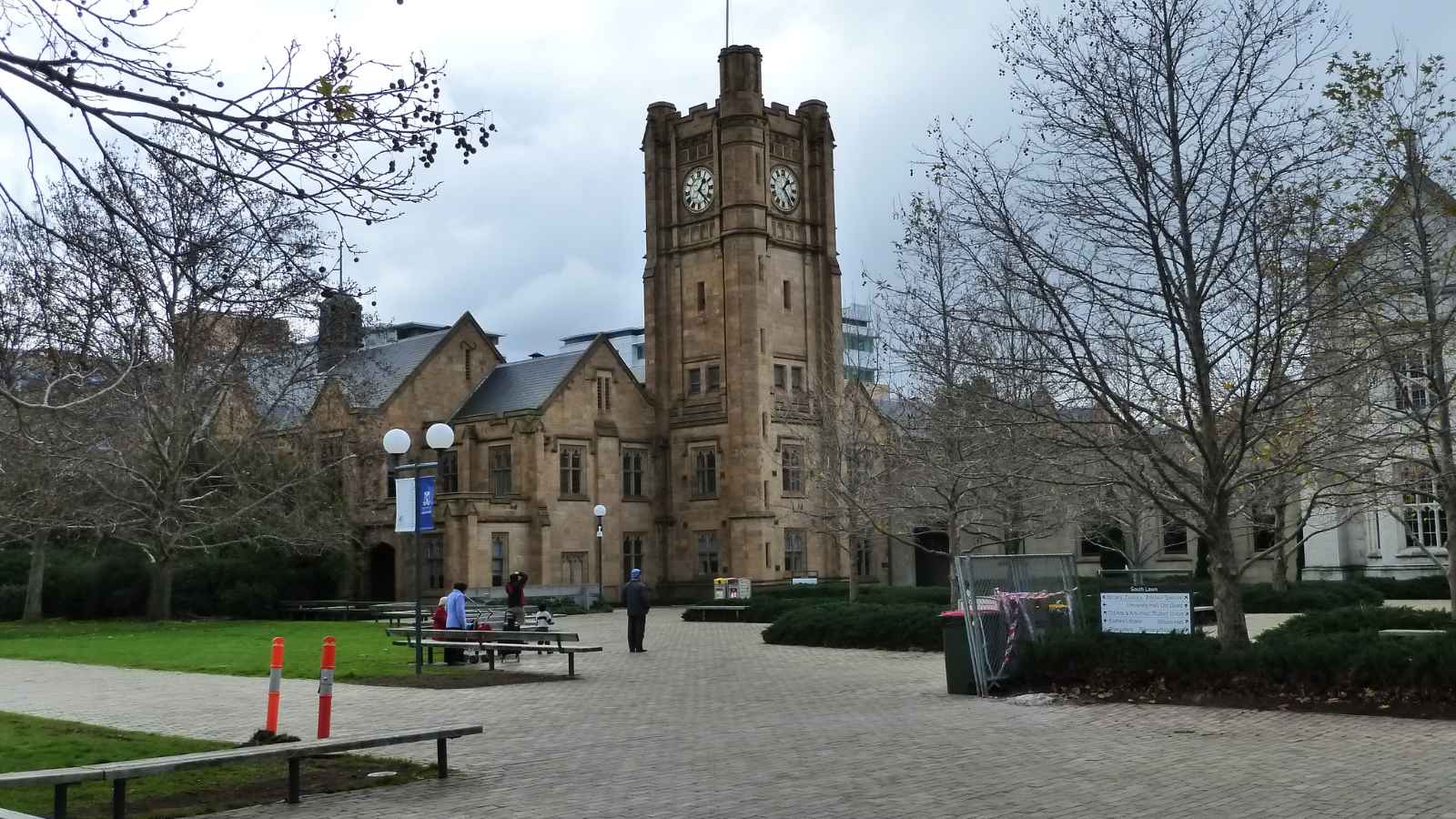
Not all colleges are affected equally by declining enrollment, but many small, regional, or less well‑endowed institutions feel the impact acutely. Some areas are losing population faster than others, and colleges in those regions are finding it harder to attract enough students to sustain programs.
Urban flagship universities with strong reputations may still attract applicants, while regional schools face enrollments well below past levels, forcing some institutions to cut programs, lay off staff, or consider consolidation. These regional disparities underscore how enrollment trends vary widely and influence institutional viability.
Pandemic Impact and Shifts in Expectations

The COVID-19 pandemic drastically disrupted traditional higher education, triggering steep declines in enrollment as many students postponed or canceled plans for in-person study. The shift to online education and changes in how institutions deliver courses have redefined what students expect from their academic experiences.
According to the 2025 Healthy Minds Study, while clinical depression rates showed a slight dip from pandemic highs, the student optimism and purpose metric plummeted to a record low of 36%. This shift reflects the deep psychological toll the pandemic has had on students, leaving many questioning the value of traditional college paths and contributing to the ongoing adjustments in enrollment trends.
Decline in Full‑Pay (Tuition) Students

Many colleges rely heavily on “full-pay” students: those who can afford tuition without substantial financial aid. However, the proportion of full-pay students has been steadily declining, meaning fewer students are paying the full price of tuition without assistance. This trend places significant financial strain on institutions that depend on tuition revenue to balance their budgets.
As the number of full-pay students shrinks, colleges face increasing pressure to recruit more students, even as the pool of potential applicants continues to decrease, resulting in heightened competition for a smaller group of prospects.
Shifts in International Student Enrollment

International students have traditionally been a major revenue source for many U.S. colleges, especially as they often pay full tuition. However, recent policy changes and visa processing issues have made it harder for international students to come to the U.S., leading to notable drops in newly enrolled international students.
A recent report found a 17% decrease in newly enrolled international students at U.S. universities, tied to changes in visa policies and administrative hurdles. These declines hit colleges that counted on global students for both diversity and financial stability.
Lower Immediate Enrollment Among High School Graduates

Fewer high school graduates are enrolling directly into college after graduation, signaling a shift in how teens view higher education. Instead of immediately pursuing a four-year degree, many are opting to take gap years, enter the workforce, or attend community college later.
This decline in immediate college enrollment reflects broader cultural and economic changes that have altered perceptions of the traditional college path. As young people increasingly prioritize alternative routes, colleges must adapt to these evolving preferences, which are reshaping the educational landscape.
Economic and Policy Influences on Access

ratmaner/123rf Photos
Finally, broader economic and policy factors impact enrollment. Rising costs, stagnant family wages, and shifting federal aid policies can make college feel out of reach for many. Combined with demographic trends and structural changes in the economy, college becomes a more uncertain investment.
Policy decisions on student aid, immigration, and labor market regulation also play roles in how accessible and attractive college appears to potential students. These macro influences shape enrollment in ways that individual institutions can’t always control, underscoring how higher education is entwined with broader societal forces.
Disclaimer – This list is solely the author’s opinion based on research and publicly available information. It is not intended to be professional advice.
Like our content? Be sure to follow us.





