

Identity theft affected more than 1.1 million Americans in 2024, generating over $12.7 billion in reported losses. Complaints rose sharply, particularly among women aged 25–45, who are often targeted for social engineering and phishing scams.
Social media oversharing amplifies the threat. Experts caution that even seemingly harmless details, like a pet’s name or favorite coffee shop can be pieced together to compromise accounts.
“Amateurs hack systems; professionals hack people,” says Bruce Schneier, cybersecurity expert. “Every piece of personal information you share can be used to build a profile that lets someone steal your identity or manipulate you.”
Full Birthdate

Hackers can combine your birthdate with ZIP codes or other public data to uniquely identify nearly 9 in 10 Americans. Birthdates also frequently serve as security verification answers for accounts.
Sharing “05/12/1990” online can give scammers the missing puzzle piece to steal your credit or access your bank account. Share only the birth year if necessary, never the full date publicly.
Social Security Number (SSN)
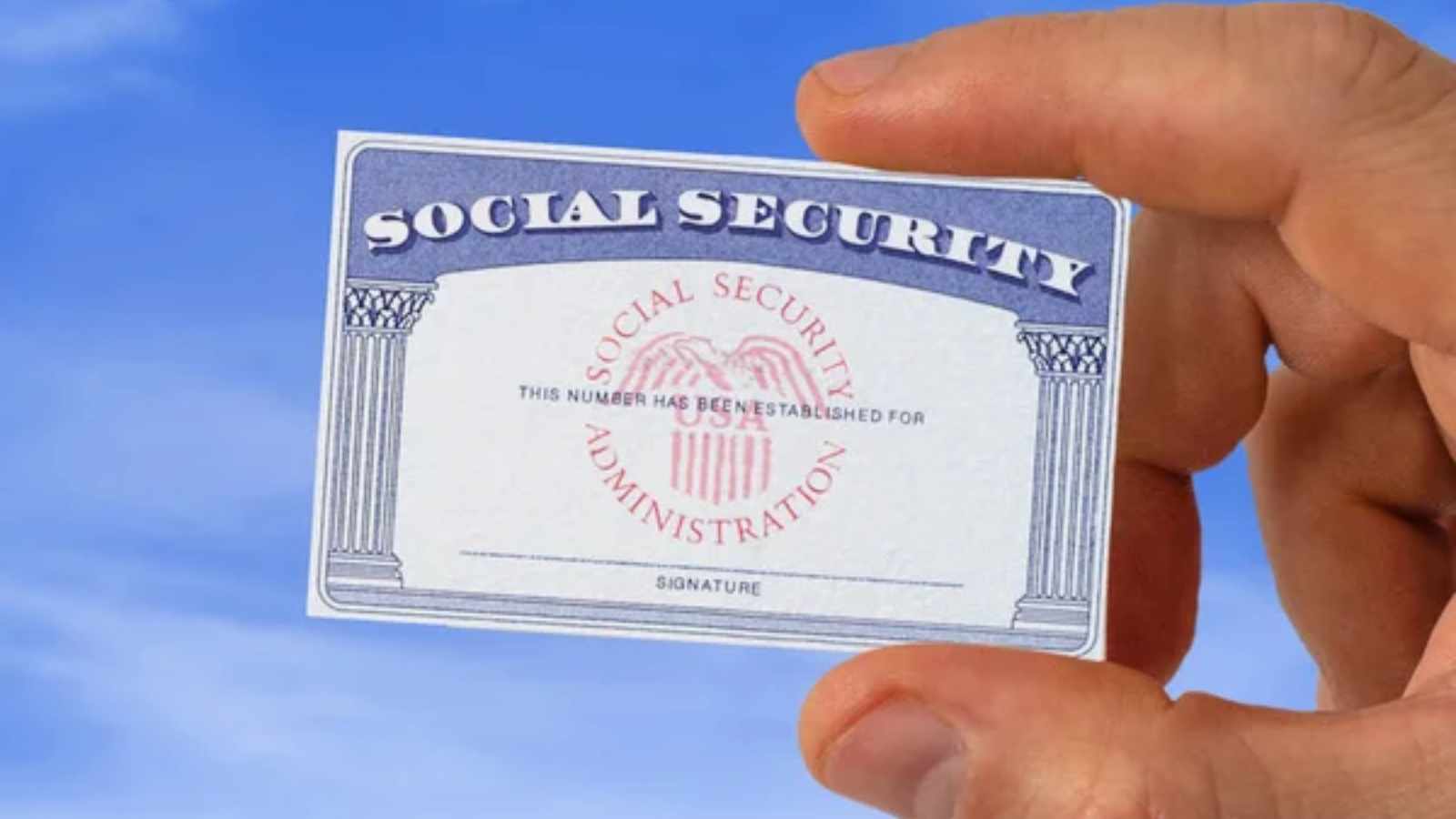
Your SSN acts like a master key to your financial identity. Data breaches and phishing attacks increasingly target SSNs to open credit lines or file fraudulent tax returns.
Fraudsters now exploit SSNs in combination with email or phone leaks to increase attack success rates. Never text, email, or post your SSN. Keep physical copies securely locked away.
Phone Number

Public phone numbers are gateways for hackers using SIM-swap attacks, robocalls, and social engineering. Share your number only with trusted contacts and avoid posting online.
Physical Address

Posting home or work addresses online increases risks far beyond digital scams. Burglars and stalkers can track your routine, pinpoint your location, or monitor your patterns. Use city-level location for posts and never share your exact address publicly.
Real-Time Location

Geo-tagged posts are popular but reveal your patterns in real time, creating opportunities for predators and thieves. Post photos after leaving the location or wait until your trip is over.
Vacation Plans

Announcing trips online is fun, but hackers and criminals treat vacation posts as digital “gone fishing” signs. Insurance companies and law enforcement report that social media check-ins correlate with temporary spikes in neighborhood burglaries.
Share travel moments only after returning home.
Passwords & Security Answers

Passwords, PINs, and security questions are essentially keys to your digital kingdom. Nearly 60% of Americans reuse passwords across multiple accounts, increasing vulnerability.
Use strong, unique passwords stored securely in a password manager. Never share them online or with friends casually.
Save this article
Kids’ Full Identity Details

Children cannot consent to online exposure. Posting full names, school locations, or routines creates a “data footprint” that criminals can exploit. Share photos carefully, avoid tagging schools, and use privacy settings.
Relationship or Drama Details

Sharing personal conflicts online leaves a permanent digital trail. Recruiters, potential employers, and even scammers can access old posts. Keep private matters offline; venting in public can have long-lasting effects.
Banking & Financial Details

Posting bank balances, investment portfolios, or screenshots of online banking creates opportunities for cybercrime. Cyber thieves increasingly scrape social media for such data to target victims with scams.
Discuss finances in general terms only; never share specifics.
Health/Medical Details

Even casual posts about surgeries or conditions can expose sensitive health patterns. Insurers, scammers, or hackers may exploit these details. Share only what is necessary; support groups are safer spaces.
Employer Confidential Info

Sharing internal meetings, projects, or pay rates can violate company policies and inadvertently leak proprietary information. Respect digital workplace boundaries and always think before posting.
Key Takeaways

Most people underestimate how quickly personal information spreads across the digital universe. Every detail you share, from a birthday to a vacation selfie, contributes to a permanent data footprint.
Experts urge vigilance: your details are the gateway to your identity and financial life.
Also on MSN: 12 places older adults should think twice about moving to
Disclosure: This article was developed with the assistance of AI and was subsequently reviewed, revised, and approved by our editorial team.
Disclaimer: This list is solely the author’s opinion based on research and publicly available information. It is not intended to be professional advice.
10 Simple Habits to Recharge Your Mind and Body

10 Simple Habits to Recharge Your Mind and Body
Feeling drained doesn’t always come from significant events like a sleepless night or an intense workout — often, it’s the small daily choices that leave us running on empty. The good news is that science shows simple, consistent habits can help restore balance. From mindful breathing to nourishing foods, these practical routines recharge both mental clarity and physical stamina.
Here are 10 simple habits to recharge your mind and body, backed by research and easy enough to start today.





