
A recent MIT study found that AI could already replace 11.7% of the U.S. labor market. Additionally, McKinsey Global Institute estimates that AI and robotics could automate up to 57% of all working hours if workflows were redesigned to fully leverage technology.
It’s easy to drift into thoughts about what life would actually feel like if AI took over most of our jobs. The idea sits in this strange space—part exciting, part “okay… now what?” Suddenly having five wide-open weekdays sounds freeing, but it also stirs up a whole new set of questions.
Would this finally be the moment to start that hobby that’s been on the “someday” list forever? Or would it turn into an era of unapologetic naps and slow mornings, all justified as the new normal?
People rediscover slow living in a world that suddenly moves differently

With work disappearing for many, we might actually learn what it feels like to breathe again. Researchers say burnout is affecting nearly 40% of adults in the U.S., so the idea of life slowing down doesn’t sound too bad.
This means long breakfasts, unhurried conversations, and actually noticing small things like the way morning light hits your kitchen counter. You might even find yourself relearning tiny pleasures you forgot you enjoyed. Doesn’t that sound dreamy?
New kinds of purpose-driven roles emerge

Even if AI handles most traditional jobs, humans still crave purpose. You might see people stepping into community roles like mentorship, conflict resolution, or local care initiatives. Machines don’t easily replace these tasks because they rely heavily on empathy and emotional nuance.
And if societies support people financially through things like basic income, those who step into these roles won’t be doing it for survival, but for meaning. Doesn’t that feel like a refreshing shift?
Hobbies become full lifestyles instead of weekend activities

With so much time freed up, hobbies wouldn’t have to squeeze into evenings anymore. You might meet people who proudly introduce themselves as full-time gardeners, community storytellers, or amateur astronomers. This shift could change the way we define identity and success.
Also on MSN: A cybersecurity expert reveals 10 things you should never, ever tell AI
Creativity becomes the new social currency

“What do you do?” question might shift to “What are you making lately?” Since AI can automate an estimated 60–70% of current job tasks, people may lean back into creative pursuits.
You could find communities built around music circles, pottery nights, or spontaneous neighborhood film clubs. Creativity might feel like the main way we express identity again.
Environmental healing steps into the spotlight

With less commuting, fewer office buildings, and fewer industrial work cycles, the environment might quietly begin to recover. People may use their free time to participate in local conservation or climate efforts.
Nature could once again become a bigger part of daily life. Maybe even the idea of “forest time” becomes as normal as gym time.
Global stability becomes the biggest shared priority

If AI transforms work worldwide, countries may have to cooperate more than compete. International policies on automation, ethics, and resource distribution could become essential.
The push toward fairness might become stronger and more urgent. You might see conversations about humanity’s shared future becoming a regular part of everyday life.
People form micro-communities that feel more connected

As traditional workplaces disappear, communities might fill the social gap they leave behind. Smaller groups could form based on shared interests, skills, or values.
Studies show that loneliness and social isolation increase mortality risk by approximately 30%. So this shift toward tighter, intentional groups could actually help people feel more grounded.
Families finally get more shared time

Save this article
Without rigid job schedules, families might spend more time together. Parents (or anyone in a care role) may feel less stretched thin.
Even quick moments—reading a story, taking an afternoon walk, lingering over dinner—could become more frequent and meaningful. Doesn’t that kind of softness sound rare and needed?
Education becomes more lifelong and less rigid

With jobs as we know them changing or disappearing, people could treat learning as an ongoing, enjoyable process. You might take a class on astronomy just because the night sky suddenly fascinates you again.
People may finally get to study the things they always wanted to explore but never “had time for.” And honestly, wouldn’t grading your own curiosity feel better than grading papers?
Human-to-human experiences gain value
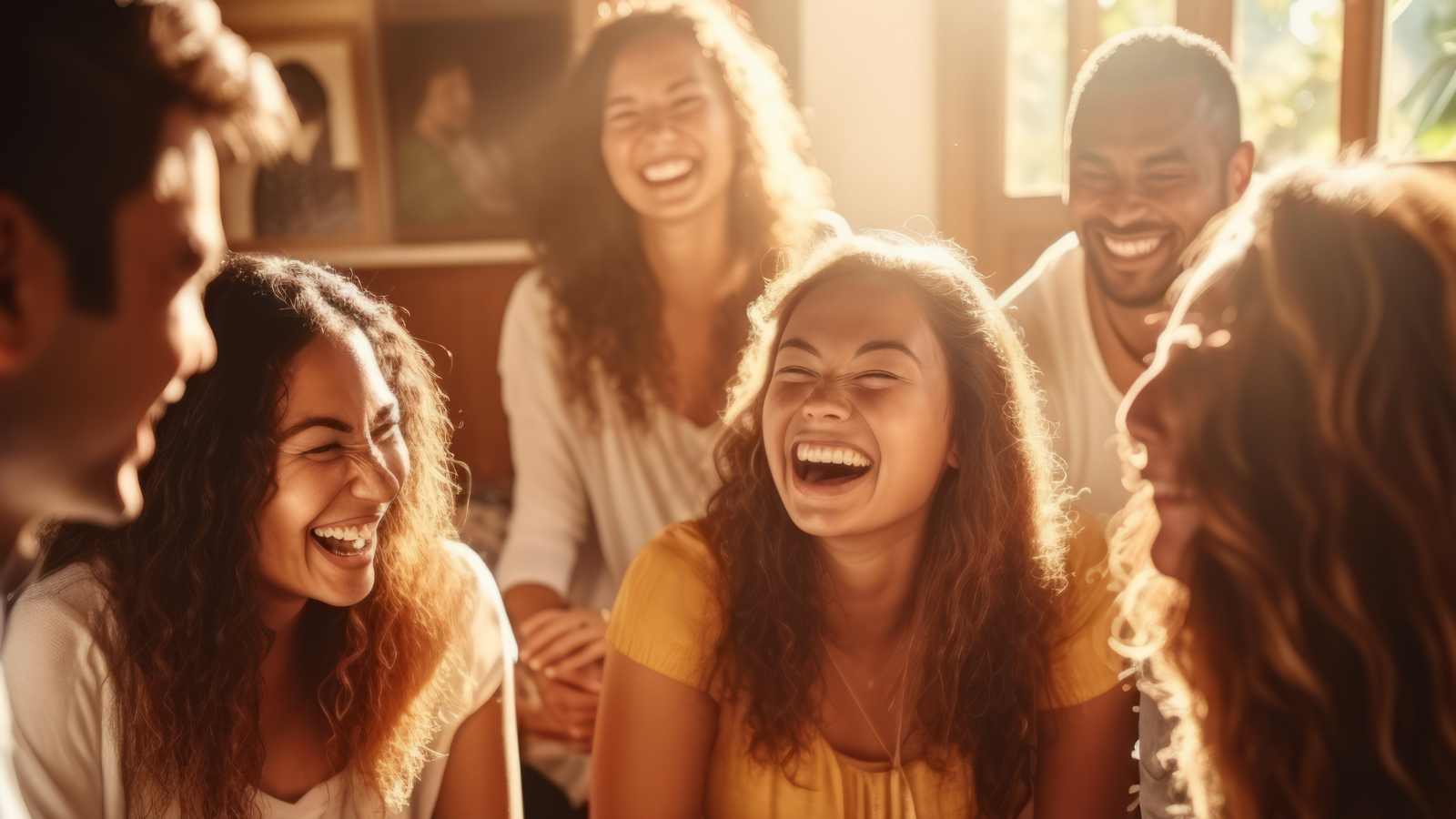
As automation takes over tasks, people might look for experiences AI can’t replicate. Live gatherings, shared rituals, nature retreats, warmth-filled conversations, and physical presence.
Research shows that hugs, cuddling, or even gentle self-touch can lower blood pressure and cortisol levels, helping regulate stress and improve overall well-being. So these kinds of experiences could become our emotional anchors. If anything, people may realize how much they actually need each other.
People explore alternative economies

When traditional jobs shrink, societies may experiment with models like universal basic income, cooperative ownership, or local barter systems.
You might see communities exchanging skills—like someone teaching guitar in return for help fixing their bike. These systems could make life feel a bit more human-centered.
People rethink success entirely

Right now, so much of identity is tied to our careers. But if jobs fade in importance, the idea of “success” may shift into something gentler.
Instead of climbing ladders, people might measure fulfillment through relationships, passions, and contributions to their communities. This realignment could reduce the pressure so many feel to achieve constantly.
Key takeaways

Life after AI takes over many jobs doesn’t automatically mean chaos; it might mean an entirely new rhythm. People could rediscover meaning through community, creativity, and curiosity instead of constant productivity.
Societies may experiment with new models that feel more supportive and human-centered. And this shift could open the door to a version of life that feels softer, fuller, and surprisingly hopeful.
Disclaimer – This list is solely the author’s opinion based on research and publicly available information. It is not intended to be professional advice.
Disclosure: This article was developed with the assistance of AI and was subsequently reviewed, revised, and approved by our editorial team.
20 Odd American Traditions That Confuse the Rest of the World
20 Odd American Traditions That Confuse the Rest of the World
It’s no surprise that cultures worldwide have their own unique customs and traditions, but some of America’s most beloved habits can seem downright strange to outsiders.
Many American traditions may seem odd or even bizarre to people from other countries. Here are twenty of the strangest American traditions that confuse the rest of the world.
20 of the Worst American Tourist Attractions, Ranked in Order

20 of the Worst American Tourist Attractions, Ranked in Order
If you’ve found yourself here, it’s likely because you’re on a noble quest for the worst of the worst—the crème de la crème of the most underwhelming and downright disappointing tourist traps America offers. Maybe you’re looking to avoid common pitfalls, or perhaps just a connoisseur of the hilariously bad.
Whatever the reason, here is a list that’s sure to entertain, if not educate. Hold onto your hats and explore the ranking, in sequential order, of the 20 worst American tourist attractions.





