

Barna data shows that more than half of U.S. adults and teens (52%) have wrestled with religious doubts at some point in the past few years.
Sometimes, people quietly ask questions they never expected to ask about faith. It might happen during a hard season, a long night of overthinking, or after hearing one too many conflicting opinions. Questioning doesn’t always come from rebellion; sometimes it comes from caring deeply and wanting things to make sense.
If you’ve ever felt torn between belief and doubt, this conversation probably feels familiar.
Pain and suffering feel hard to reconcile
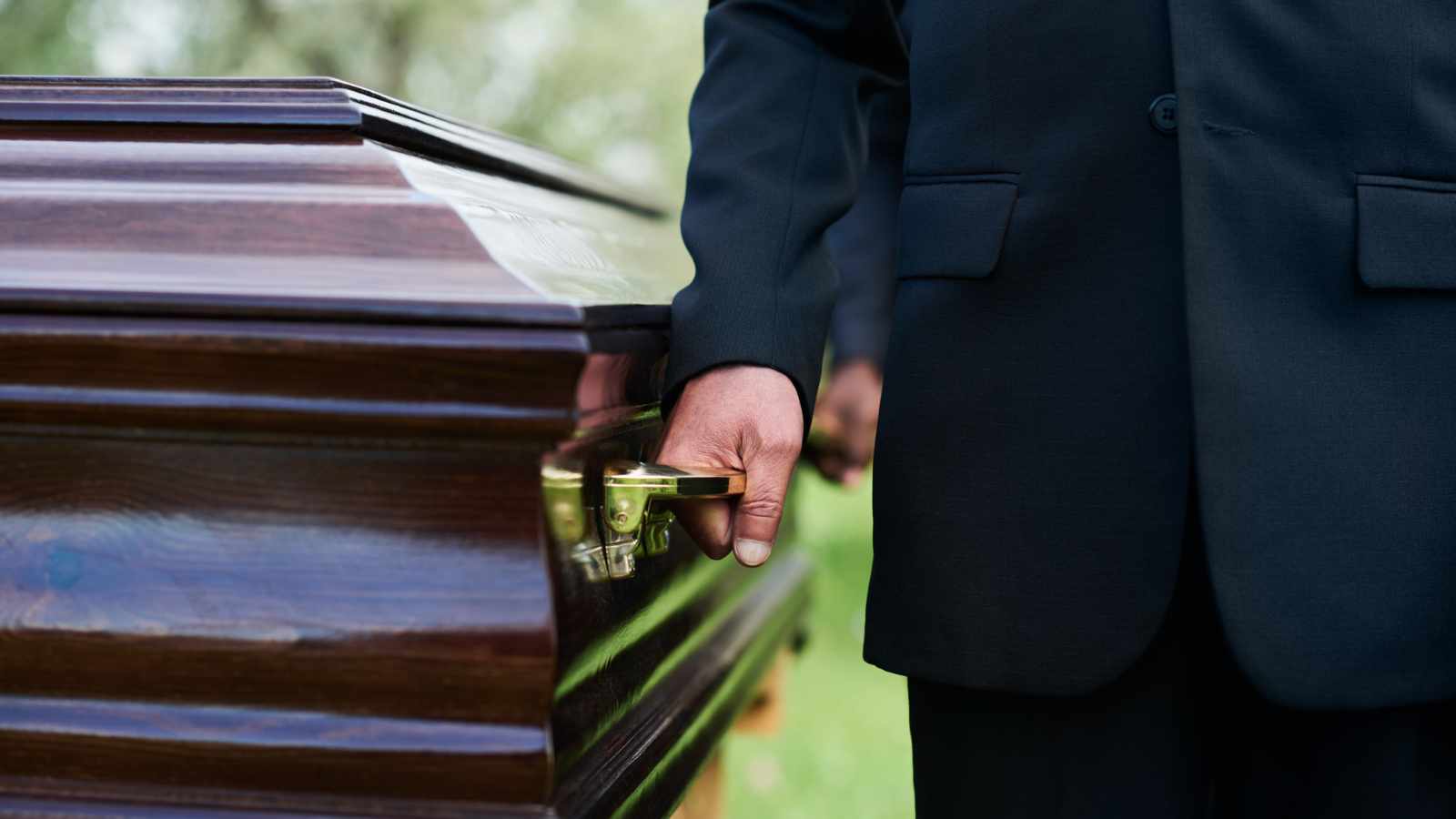
When bad things happen to good people, it can shake even the strongest faith. Natural disasters, illness, and personal loss raise questions that don’t have easy answers. According to the Pew Research Center, 14% of U.S. adults (15% of believers) say suffering makes them think there is no God.
In moments of pain, silence can feel louder than comfort. Have you ever prayed and wondered why nothing seemed to change?
Religious hypocrisy leaves a sour taste

Many people struggle less with God and more with people who claim to represent Him. Reports show that the hypocrisy of those who claim to be Christians is the primary reason many people question the Christian faith.
Scandals, judgmental behavior, and power abuse within religious institutions have pushed some away. When actions don’t match teachings, confusion sets in. It’s hard not to ask who God really is when His followers feel inconsistent.
God feels distant or abstract
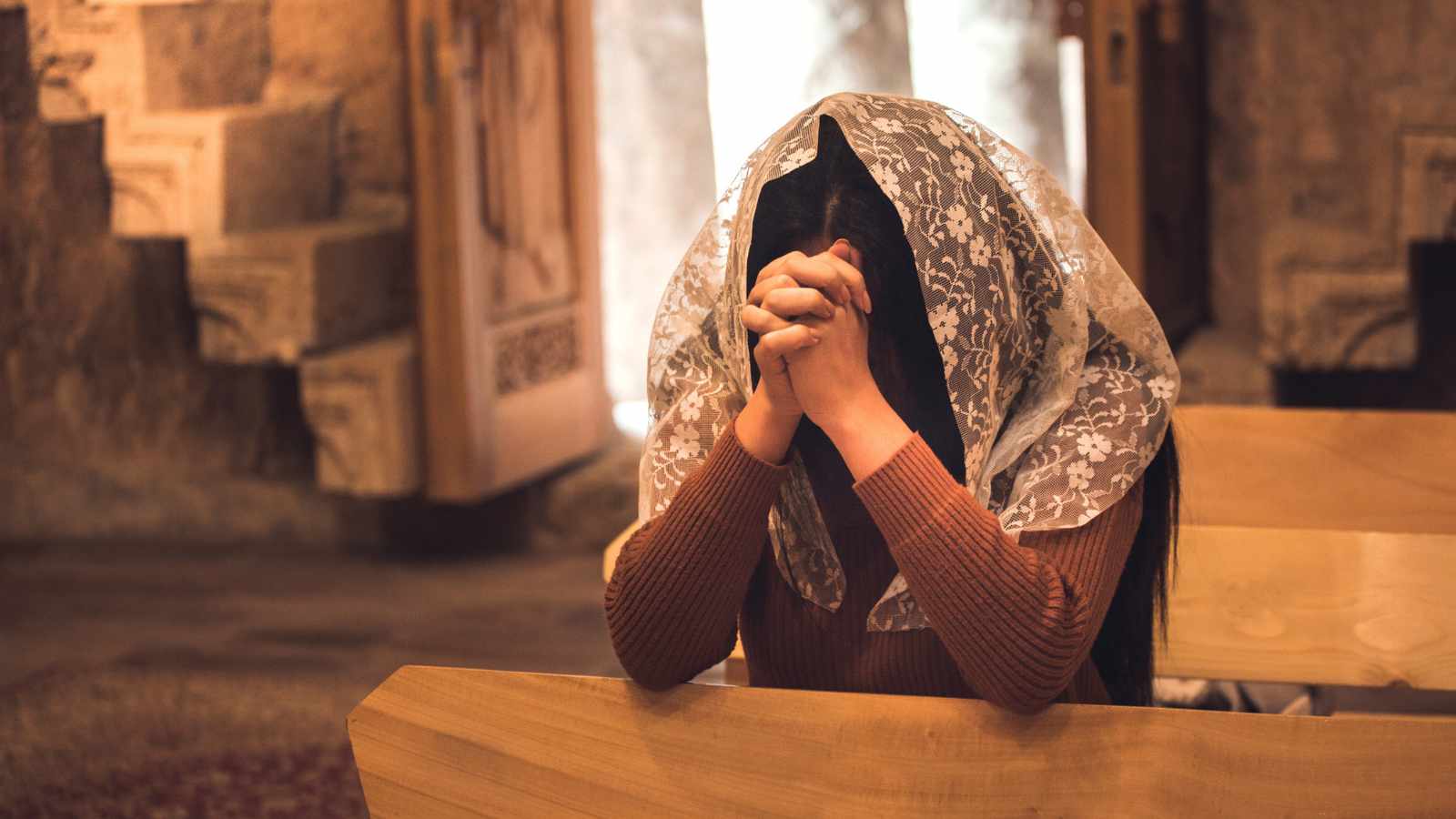
Some people struggle to connect with a God they can’t see or hear clearly. This world is driven by tangible results and instant feedback, making faith feel vague.
When life is busy and overwhelming, spiritual practices are often the first thing dropped. Over time, God can feel more like an idea than a relationship. And relationships without connection tend to fade.
Also on MSN: 13 Christian habits atheists often find puzzling
Science and faith are often framed as enemies

For some, learning about evolution, cosmology, or neuroscience creates tension with religious teachings they grew up with. A Pew survey shows that about half of U.S. adults view science and religion as mostly in conflict. People who highly value science are more likely to wrestle with religious belief.
The issue isn’t always disbelief; it’s integration. Can both exist without canceling each other out? That question lingers for many.
Moral questions feel complicated

Modern ethical issues don’t always come with clear religious answers. Topics like gender roles, sexuality, and social justice create tension within faith communities. Younger generations, in particular, report struggling with these disconnects.
When moral teachings feel out of step with compassion, questions surface. People want faith to feel loving, not conflicting.
Life is busy, and faith gets crowded out

Work, family, and constant digital noise leave little room for reflection. Spiritual practices require time and stillness, both in short supply.
Faith doesn’t always disappear; it just gets postponed. Eventually, people wonder where God fits into their lives at all.
Different religions claim different truths

Exposure to multiple belief systems can be both fascinating and confusing. If many religions claim truth, people wonder how to know which one is right. Globalization and online access have made these comparisons unavoidable.
Religious pluralism often leads to questioning rather than blind acceptance. It’s hard not to ask where God fits in all of it.
Prayers don’t always feel answered

Save this article
Almost everyone has prayed for something deeply meaningful and watched it not happen. Over time, unanswered prayers can feel discouraging or personal. Perceived unanswered prayer can impact spiritual confidence.
People start wondering if God is listening or if prayer really matters. That quiet disappointment can slowly turn into distance.
Reports show that 34% of Gen Z now identify as atheist, agnostic, or unsure about God. Could unanswered prayers be a contributing reason?
Faith doesn’t seem to change daily life

Some people expect faith to bring peace, clarity, or transformation, and feel disappointed when life still feels messy. When stress, anxiety, or hardship remain, they wonder what faith actually does.
If faith feels disconnected from real life, motivation fades. People want belief to matter, not just exist.
God gets blamed for human choices

Wars, injustice, and suffering caused by people often get attributed to God. This creates confusion about responsibility and divine control. Philosophers and theologians have debated this for centuries, yet the emotional weight remains.
When the world feels broken, people question who allowed it. Separating God from human behavior isn’t always easy.
Trauma linked to religion leaves scars

Some people associate faith with personal trauma, rejection, or shame. This can include experiences with strict rules, fear-based teachings, or exclusion. This religious trauma can deeply affect spiritual trust.
Even if God isn’t the source of harm, the association lingers. Healing sometimes requires distance before belief can feel safe again.
Doubt is treated as failure

In many faith spaces, doubt isn’t welcomed. People are taught to believe harder instead of asking questions. Environments discouraging doubt often push people away rather than deepen faith.
When curiosity feels unsafe, silence replaces honesty. And silence can quietly grow into distance.
Key takeaways

Questioning a relationship with God is often rooted in experience, not rebellion. Pain, inconsistency, and unanswered questions can slowly create distance.
Many people still want faith, just one that feels honest, compassionate, and grounded in real life. Sometimes doubt isn’t the opposite of belief; it’s part of the journey toward it.
Disclaimer – This list is solely the author’s opinion based on research and publicly available information. It is not intended to be professional advice.
Disclosure: This article was developed with the assistance of AI and was subsequently reviewed, revised, and approved by our editorial team.
20 Odd American Traditions That Confuse the Rest of the World

20 Odd American Traditions That Confuse the Rest of the World
It’s no surprise that cultures worldwide have their own unique customs and traditions, but some of America’s most beloved habits can seem downright strange to outsiders.
Many American traditions may seem odd or even bizarre to people from other countries. Here are twenty of the strangest American traditions that confuse the rest of the world.
20 of the Worst American Tourist Attractions, Ranked in Order

20 of the Worst American Tourist Attractions, Ranked in Order
If you’ve found yourself here, it’s likely because you’re on a noble quest for the worst of the worst—the crème de la crème of the most underwhelming and downright disappointing tourist traps America offers. Maybe you’re looking to avoid common pitfalls, or perhaps just a connoisseur of the hilariously bad.
Whatever the reason, here is a list that’s sure to entertain, if not educate. Hold onto your hats and explore the ranking, in sequential order, of the 20 worst American tourist attractions.





