Data from the Council of Economic Advisers at the White House shows that Americans now lose around $90 billion a year to junk fees alone, more than $650 per household. This is from things like overdraft fees, credit card late fees, resort fees, ticket markups, and fine-print add-ons that quietly bloat everyday prices.
In a world where we’re constantly bombarded with advertisements and deals, it’s easy to fall for products and services that seem like a good deal, only to realize later that they aren’t. From overpriced items to hidden fees, there are certain things that many people unknowingly overpay for in the U.S.
While it’s tempting to spend on these things, understanding why they’re a rip-off can help you make smarter decisions.
Cable TV Subscriptions
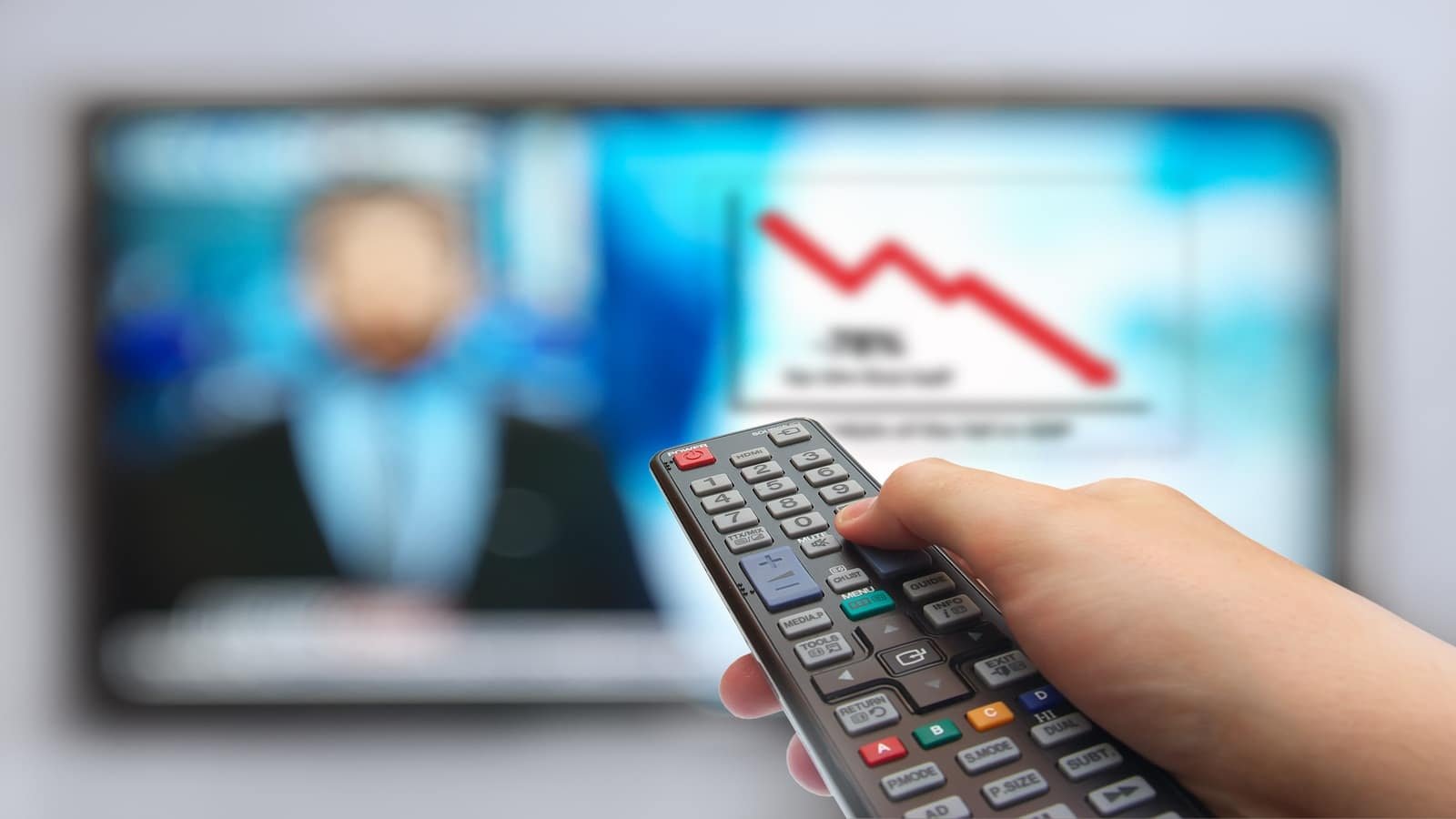
Data from CableTV.com show that the average cost of cable TV service alone is now over $147 per month, adding up to more than $1,700 per year before taxes and extra fees. Over a decade, that’s well beyond $17,000 for a service many households barely use.
With the rise of streaming services like Netflix, Hulu, and Disney+, many people find themselves overpaying for services that are becoming increasingly outdated and unnecessary. Cutting the cord and switching to streaming could save you hundreds per year.
Bottled Water

Bottled water is not only expensive but also an environmental burden. A 500ml bottle of water typically costs about $1.50, which is up to 2000% more expensive than tap water in the U.S.
While convenient, it’s a major rip-off considering that tap water is heavily regulated and generally just as safe to drink. Investing in a reusable water bottle and a filtration system will save you money and reduce plastic waste.
Extended Car Warranties

Extended car warranties commonly cost $75 to $150 per month, with comprehensive plans averaging about $1,000 per year and some running $3,000 or more over three years. Most drivers pay more for their warranties than they ever get back in repairs, and more than 40% never use the coverage at all.
More than half of the people who buy extended warranties never end up using them, which means they pay hundreds or even thousands of dollars for coverage that doesn’t deliver any real benefit.
Airline Baggage Fees

Typical checked-bag fees on major U.S. airlines now run around $35–$40 for the first bag and $45–$60 for the second, so a round trip with two checked bags can easily tack an extra $160 or more onto what looked like a cheap base fare.
U.S. airlines collected over $58 million in baggage fees alone in 2021. Instead of paying these extra fees, consider flying with airlines that offer free checked luggage or packing smarter to avoid needing extra bags.
Gym Memberships

The average gym membership in the U.S. now costs about $65 per month, or $780 a year, and that’s before one-time sign-up fees and annual maintenance charges that can add $40 to $80 or more per year.
What many don’t realize is that a significant portion of members stop going after just a few months, making the cost ineffective. Alternatives like outdoor exercise, home workout equipment, or even apps can help you save money while staying fit.
Credit Card Late Fees

Credit card late fees typically run around $30 on average, with many issuers charging up to about $41 for a single missed payment. Even one or two slip‑ups a year can quietly drain well over $100 from your budget in avoidable penalties.
In addition to the fees, missing a payment can also negatively impact your credit score, leading to higher interest rates on future loans. Setting up automatic payments or using credit responsibly can help you avoid these unnecessary costs.
Also on MSN: 10 Foolish Things Incredibly Smart People Consistently Waste Money On
Printer Ink

Save this article
Printer ink cartridges commonly cost about $20–$60 each and often yield in the range of roughly 200–500 pages before they run dry, depending on the brand and whether you’re printing in black and white or color.
This means that you could be paying up to $0.10 per page for ink, making printing documents significantly more expensive than it needs to be. Consider refilling cartridges, using third-party ink, or purchasing laser printers, which are more cost-effective in the long run.
Coffee Shop Drinks

A typical cafe drink in the U.S. now averages around $5, and many popular lattes at big chains fall in the $5–$6.50 range, depending on size and location. Grabbing one drink every weekday at those prices can easily add up to roughly $1,300–$1,800 a year once you factor in tax and the occasional tip.
Instead of paying for overpriced drinks, make your own at home with a French press or a coffee maker. The initial investment in equipment will quickly pay for itself and save you money in the long run.
Movie Theaters

Recent industry figures show that the average U.S. movie ticket at major chains is now $11.31, crossing that mark for the first time in 2024. Concession spending adds another $7–$9 per visitor on popcorn, candy, and drinks, so a single night at the movies can easily top $30 per person once you factor in both the ticket and snacks.
Instead of going to a theater, you can enjoy a movie at home for a fraction of the price through streaming services or DVD rentals, especially if you’re already paying for a monthly subscription that lets the whole household watch unlimited films for what one night at the cinema might cost.
Brand-Name Prescription Drugs

Brand‑name prescriptions are a massive budget drain in the U.S., with total prescription drug spending reaching roughly $800 billion in 2024 and retail pharmacy sales alone accounting for well over $300 billion of that total.
In many cases, the generic versions are just as effective, offering the same medications at a fraction of the price. It’s worth shopping around or using discount prescription programs to avoid overpaying for brand-name drugs.
Luxury Hotels

Across the U.S., the average nightly rate at 5‑star hotels is now around $300, and luxury properties and resorts frequently post average rates closer to $380–$500 per night. Premium suites and penthouses can easily run into the four‑figure range, especially in major cities and peak seasons.
For a more affordable yet equally comfortable experience, consider renting through Airbnb or staying at mid-range hotels, which offer more competitive prices without sacrificing comfort or service.
Home Improvement Services

Hiring professionals for home projects adds up quickly: plumbers often charge around $80–$130 per hour, with emergency or complex jobs reaching $150–$300 per hour. Professional interior painting commonly runs $2–$6 per square foot, so painting a modest 1,000‑square‑foot home can cost $2,000–$6,000.
Before hiring a contractor, consider learning basic DIY skills or getting quotes from multiple service providers to ensure you’re not overpaying for simple repairs.
Key Takeaway
While many of these services and products seem like necessities, they often come with inflated prices or hidden fees. By being mindful of where your money is going and exploring alternatives, you can avoid these huge rip-offs and make smarter financial decisions.
10 Luxury Home Decor Touches To Elevate Your Living Space

10 Luxury Home Decor Touches To Elevate Your Living Space
I’ve tried and styled many of these ideas in my own home and for clients. The difference these small changes make is amazing. Swap harsh lighting for warm lamps, or add a wine fridge to your kitchen, and your house quickly feels less like just a place to live and more like a home you’re proud to share.
Let me walk you through ten luxury upgrades I swear by, ones that can transform your home without needing a complete remodel.