

There’s something about U.S. fast-food chains that seems to follow us wherever we are in the world, serving nostalgia in every corner of the globe.
The iconic brands known for their high-quality American fast food are part of America’s $331 billion quick-service sector. In 2021, the U.S. fast food industry generated a turnover of USD 593.275 billion, and it is estimated to reach USD 813.855 billion by 2028, according to Grand View Research.
These food diplomats have won the hearts of 190 nations, turning mundane American fare into a global institution that is simultaneously a significant source of tourism and export income.
McDonald’s big mac

The Big Mac, meanwhile, is the reigning heavyweight of international fast food success, accounting for $25.9 billion in 2024, according to Macrotrends. The world-famous burger sells 550 million units annually worldwide, with overseas customers accounting for 70% of overall sales.
Food economists rely on the “Bic Mac Index” to gauge purchasing power across currencies, demonstrating how this singular menu item has evolved into a global economic benchmark that influences financial markets and trade policies.
KFC’s original recipe chicken
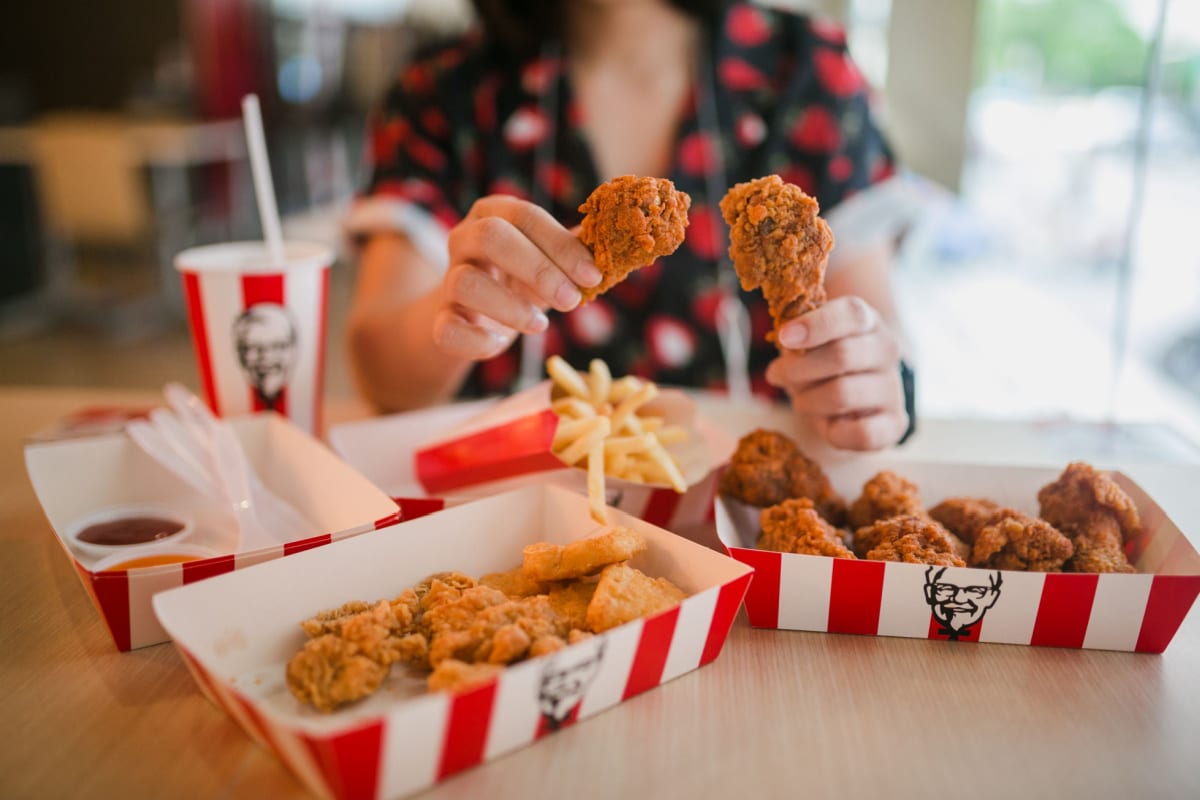
KFC has 27,760 locations in 145 countries, serving 1 billion chicken pieces every month to customers worldwide, who account for 58% of the company’s $27 billion annual revenue. The company generated $31.116 billion in 2022.
It has proved so popular with its secret blend of 11 herbs and spices that KFC is opening a new outlet every 18 hours in China, where it has become the country’s largest foreign restaurant chain.
Pizza hut’s pan pizza

Pizza Hut is the world’s largest pizza chain, with 18,703 restaurants in 100 countries and 34,000 employees, generating $13.016 billion in 2023. This represents 65% of sales coming from international markets.
The company’s hallmark pan pizza comes with 24-hour dough prep and a system that has taught more than 300,000 foreign employees the American way of pizza. The menus in countries like India have been so thoroughly adapted that Pizza Hut India features 40 unique toppings not available in the States, including paneer tikka and chicken tandoori.
Subway’s sandwich

In 2016, the chain had more than 27,000 franchise restaurants worldwide, with $16.1 billion in sales originating from outside the United States. Subway is the world’s largest submarine sandwich chain, with 55% of its sales in the international market.
The brand sells 7 million footlong sandwiches each day around the world, with customizable ingredients varying widely by country—locations in Japan feature teriyaki chicken. In contrast, those in the Middle East sell halal-certified proteins.
Subway’s ‘Eat Fresh’ approach has impacted global health codes – in some European markets, the sandwich chain’s ingredient transparency has led to tighter processed meat standards across the continent.
Burger king’s whopper

Burger King’s “signature” Whopper sells 2.1 billion yearly. The fire-grilling process depends on an equipment investment of $85,000 per restaurant, totaling $1.5 billion in infrastructure across the globe, which sets Burger King apart from the competition.
In places like India, for instance, the company has created vegetarian versions of its Whopper with a plant-based patty, allowing it to capture markets where beef consumption conflicts with cultural traditions.
Taco bell crunchy taco
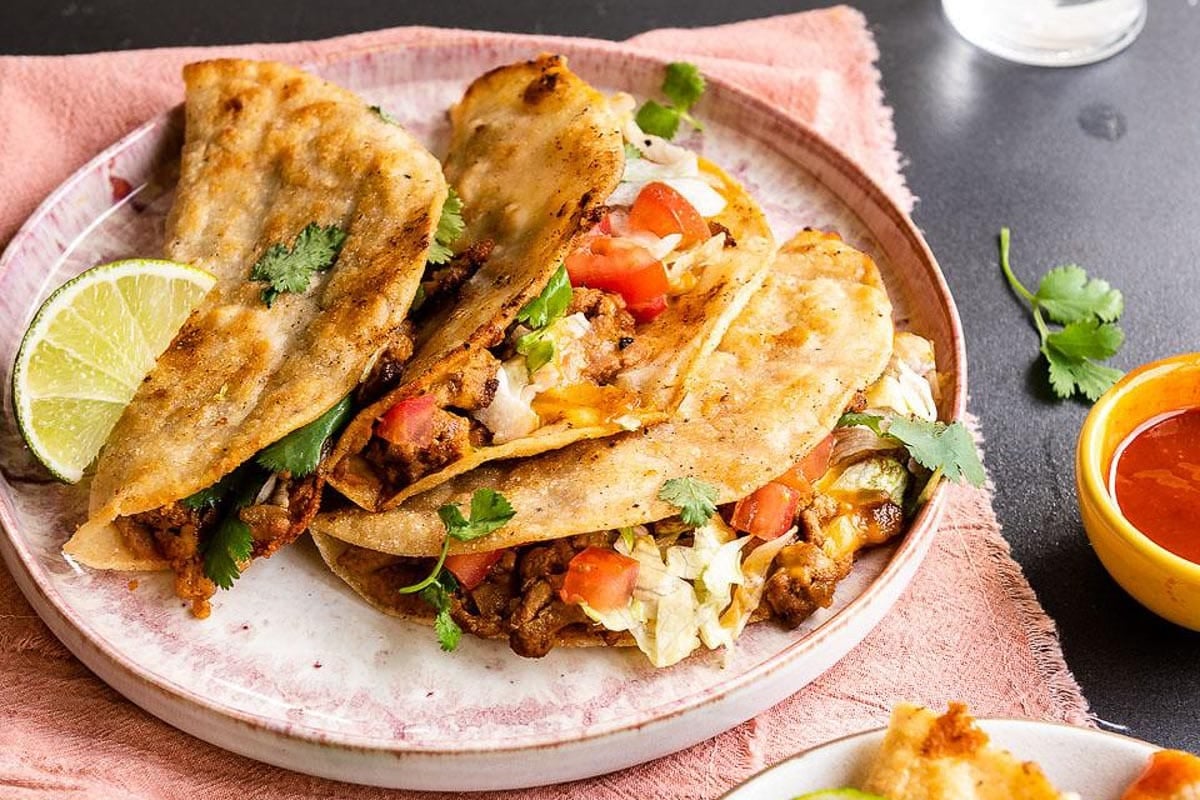
As of early 2025, there were 8,757 Taco Bell locations in 32 countries, to have 3,000 international locations in nations outside of North America by 2030.
“We sell 2 billion tacos a year, and the crunchy taco is 35% of all orders, driving $4.8 billion in sales because of the hard shell that was designed,” said the brand. Countries vary widely in how they make Taco Bell their own—the Japanese add shrimp tempura to theirs, and the Spanish use jamón ibérico —thus exemplifying how American fast food concepts can take on local forms.
Domino’s pizza

Domino’s currently has over 20,500 stores in more than 90 markets, generating nearly $18.3 billion in global retail sales in 2023.
Deployed in all its destinations around the world for $500 million, the company’s in-house GPS-based delivery-tracking system has reset customer expectations for transparency in food delivery.
In markets like India, where Domino’s is the biggest seller abroad with 1,867 outlets, localized menu items like chicken tikka pizza are generating higher per-store sales than traditional U.S. recipes.
Starbucks coffee

Starbucks has 36,171 coffeehouses worldwide in 83 countries. Starbucks’ sales reached over $36.176 billion in 2024, with an additional growth in revenue from the sale of 8 billion cups of coffee to global customers.
The brand’s signature Frappuccino has led to 36,000 potential customization combinations, featuring region-specific flavors worldwide, such as matcha in Japan and dulce de leche in Latin America.
Save this article
Starbucks’ strategy involves a global expansion, annually spending $1.2 billion on international expansion, with China as its highest-growth market, adding 230 new stores each year.
Dunkin’ donuts

Dunkin’ has 13,700 locations in over 40 countries, and its franchises sell 3 billion donuts and 1.9 billion cups of coffee annually, according to Investopedia. International restaurants yield 22% of sales each year.
The company’s yeast-risen doughnuts take 1 hour to cook, whereas its cake doughnuts take only 30 minutes. Therefore, all stores fry doughnuts every 1 to 2 hours to keep them fresh throughout the day.
Nations like South Korea have taken to Dunkin’ with such passion that per-capita consumption outpaces that of Americans, with 900 shops in Seoul offering java as well as specialties such as green tea donuts.
Papa john’s pizza

Papa John’s operates 6,000 units in 49 countries, selling them on the promise of “Better Ingredients, Better Pizza,” which includes imported American cheese and sauce.
The chain’s garlic sauce packets have been so wildly popular worldwide that Papa John’s produces 300 million garlic sauce packets annually, and international customers request 3.2 packets per order (compared to the 2.1 average in the United States).
In parts of the world, such as the UK, the brand has become the second-largest pizza delivery operation in a country without a single Papa John’s location before its debut, thanks to aggressive growth and the opening of 50 international restaurants per year.
Popeyes louisiana chicken

Popeyes has over 3,000 locations in 25 countries, generating annual sales of over $5 billion. Its international expansion is accelerating as global guests are introduced to Louisiana-style fried chicken.
“Chicken Sandwich Wars” sparked brand awareness worldwide, leading to a 300% surge in international franchise applications as entrepreneurs sought to capitalize on the early marketing success by securing their territories in their respective countries.
In countries like South Korea, Popeyes has adjusted the amount of its Cajun flavoring used to coat chicken to accommodate local tastes. The chain’s kimchi-seasoned chicken has 40 percent higher profit margins than its American-style recipe.
Chipotle Mexican grill

Chipotle has more than 3,770 locations in seven countries and has annual sales of $2.4 billion. As global consumers demand more personalized Mexican offerings, fresh ingredients are becoming key in the preparation.
The brand sells 2.5 million bowls daily worldwide, and international outposts would need unique supply chains to import 15 essential elements from American suppliers to maintain their original flavoring profiles.
Key takeaways
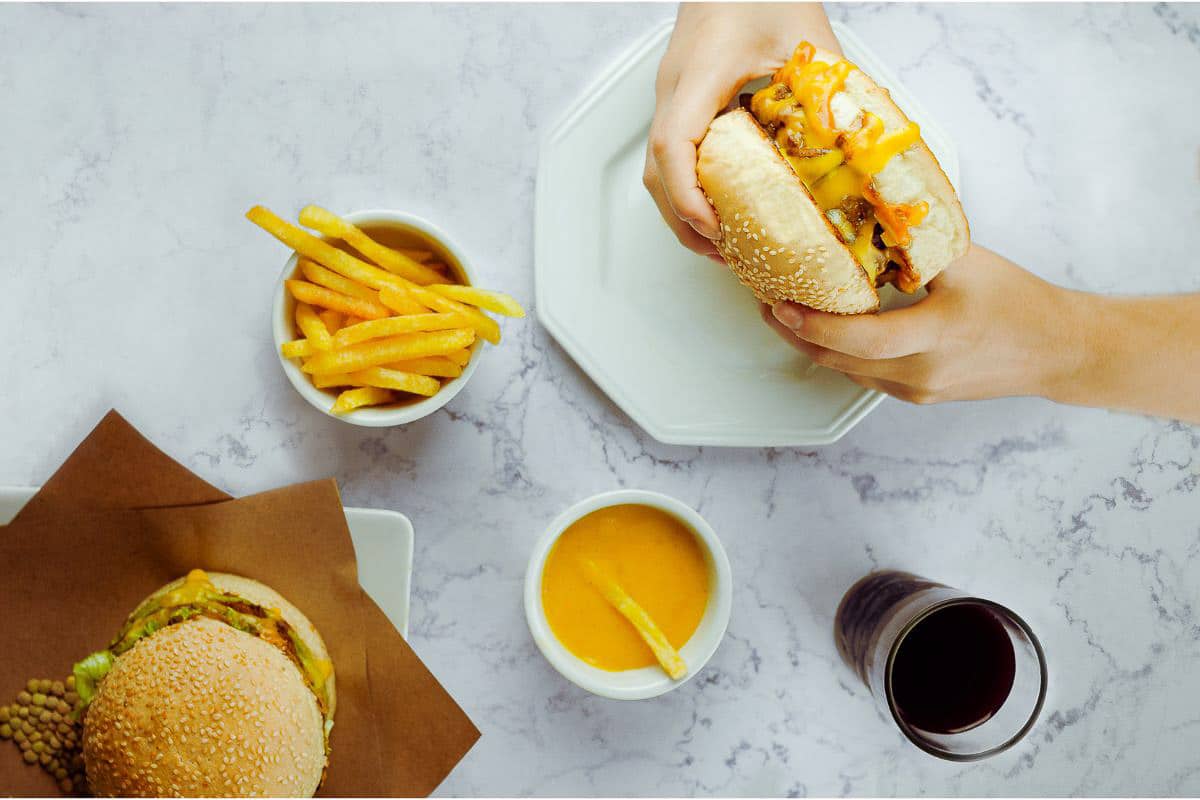
Fast-food brands in America have successfully dominated global markets, generating more than $200 billion each year across over 190 countries worldwide. Powerhouses such as McDonald’s generate 65% of their profits from outside the US.
These edible emissaries operate “localization centers,” which produce Key American Food Products — recipes designed to local tastes, which include everything from paneer pizza in India to teriyaki chicken in Japan — but are always prepared the same way to ensure brand consistency.
However, the global infrastructure of an industry worth billions in foreign investment, directly attributable to domestic American innovation —from KFC’s customized pressure fryers to Domino’s delivery tracking technology —demonstrates how home-grown innovations drive growth in economies far and wide.
Disclaimer – This list is solely the author’s opinion based on research and publicly available information. It is not intended to be professional advice.
16 Best Jobs for Pregnant Women

16 Best Jobs for Pregnant Women
Pregnancy is a transformative and joyous period in a woman’s life, but it comes with unique challenges and demands. One of the most crucial aspects during this time is ensuring a healthy work-life balance.
Finding the right job during pregnancy is not just about earning an income; it’s about maintaining your health, well-being, and peace of mind.
How Total Beginners Are Building Wealth Fast in 2025—No Experience Needed

How Total Beginners Are Building Wealth Fast in 2025
I used to think investing was something you did after you were already rich. Like, you needed $10,000 in a suit pocket and a guy named Chad at some fancy firm who knew how to “diversify your portfolio.” Meanwhile, I was just trying to figure out how to stretch $43 to payday.
But a lot has changed. And fast. In 2025, building wealth doesn’t require a finance degree—or even a lot of money. The tools are simpler. The entry points are lower. And believe it or not, total beginners are stacking wins just by starting small and staying consistent.
Click here, and let’s break down how.





