Only 54% of Americans view capitalism positively in 2025 — the lowest level since Gallup began asking the question 15 years ago. Capitalism has driven innovation, built cities, and created convenience we can’t imagine living without. But if you stop and look around, it’s clear the system has a few side effects that aren’t so pretty.
The costs pile up in ways that often feel invisible until they hit home. Let’s dive into the ways capitalism takes its toll—and maybe leave you questioning a few everyday habits along the way.
Income inequality reaches extremes

In the U.S., nearly $80 trillion in wealth has shifted from the bottom 90% of Americans to the top 1% over the past 50 years. Capitalism’s focus on growth often rewards accumulation over fairness, widening the gap between rich and poor.
This inequality affects access to healthcare, education, and housing for millions. Children born into low-income households are far less likely to climb the economic ladder. So while some prosper, many are trapped in cycles of financial struggle.
Corporate profit often outweighs human safety

Worker safety sometimes takes a backseat to efficiency and profit. The International Labour Organization reports that over 2.6 million people die from work-related accidents or diseases each year.
Cutting corners in production or outsourcing dangerous tasks is often cheaper than ensuring proper protection. This creates real-world consequences for employees and communities alike. And yet, shareholders cheer quarterly earnings without noticing the human cost.
Health suffers from processed convenience

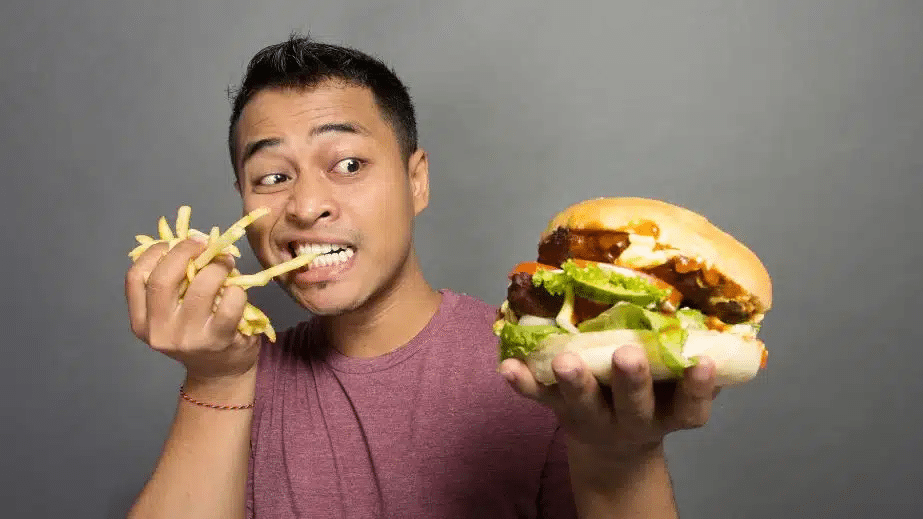
Capitalism has created food systems that prioritize cheap, profitable, long-shelf-life products over nutrition. Ultra-processed foods contribute to obesity, diabetes, and heart disease, affecting millions worldwide.
Convenience often wins over health, with marketing reinforcing unhealthy choices. It’s a system where what’s good for business isn’t always good for your body.
Also on MSN: A closer look at why work is making so many Americans miserable
Environmental destruction accelerates

Companies often exploit natural resources to maximize short-term gains. Deforestation, ocean pollution, and overfishing are examples of how profit motives harm ecosystems.
The World Wildlife Fund estimates that 68% of wildlife populations have declined since 1970 due in large part to human activity. Capitalism encourages consumption, which fuels resource extraction at unsustainable rates.
Consumerism drives mental stress

The pressure to buy, upgrade, and own more creates constant comparison and dissatisfaction. Advertising feeds a sense of inadequacy, pushing people to spend beyond their means.
Even leisure becomes transactional in a consumer-driven culture. It’s exhausting to chase a lifestyle designed to keep you wanting more.
Gig economy instability puts workers at risk

Modern capitalism often favors flexible labor markets that leave people unprotected. Gig workers face unpredictable income, no benefits, and limited job security. They are praised as “flexible innovators” while the system exploits their precarity.
Planned obsolescence drives waste

Many products are designed to break or become outdated quickly to encourage repeat purchases. This strategy generates mountains of waste. The UN reports that global e-waste hit 62 million tonnes in 2022, an 82% jump since 2010.
Consumers often feel trapped between affordability and sustainability. Haven’t you ever wondered why your phone seems outdated almost immediately after you buy it?
Financialization replaces real-world value

Markets increasingly reward speculation over productive labor or innovation. Stock buybacks, derivatives, and debt instruments generate wealth for a few while adding risk for many.
Save this article
Financialization has increased income volatility and economic inequality globally. People often work harder while profits flow into abstract financial systems. It’s a reality where money moves faster than anyone can truly benefit from it.
Climate change is accelerated by growth demands

Companies chase endless growth, often ignoring carbon emissions. Fossil fuel consumption, industrial farming, and mass transportation are major contributors to global warming.
Policies to curb emissions often clash with corporate profit motives. The urgency is clear, but systemic incentives are misaligned with planetary survival.
Privatization limits access to essential services

Health, education, and utilities often become profit centers rather than public goods. This leaves low-income populations under-served or dependent on costly private alternatives.
The WHO reports that over half the world’s population lacks access to essential health services. When essential needs are commodified, inequality compounds. Access becomes about money, not fairness.
Advertising manipulates choices from birth

Children are constantly exposed to marketing that shapes desires and habits early. Digital platforms track behavior to maximize engagement and profit.
This affects lifelong spending habits and health. Capitalism monetizes attention before people even fully understand how choices work.
Short-term profit dominates long-term planning

Companies often prioritize quarterly earnings over sustainable practices. Decisions that could preserve resources or protect communities are deferred for immediate gains.
This short-termism contributes to environmental degradation, labor exploitation, and financial instability. Even governments sometimes adopt policies that favor growth metrics over people. It’s a system wired for speed, not longevity.
Key takeaways

Capitalism drives innovation and convenience but comes with real costs for humans and the planet. Inequality, environmental harm, and mental stress are baked into the system’s structure.
Understanding these challenges can spark conversations about fairer, more sustainable alternatives. Even small changes in policy, consumption, or corporate responsibility could shift the balance toward a healthier world.
Disclaimer – This list is solely the author’s opinion based on research and publicly available information. It is not intended to be professional advice.
Disclosure: This article was developed with the assistance of AI and was subsequently reviewed, revised, and approved by our editorial team.
20 Odd American Traditions That Confuse the Rest of the World
20 Odd American Traditions That Confuse the Rest of the World
It’s no surprise that cultures worldwide have their own unique customs and traditions, but some of America’s most beloved habits can seem downright strange to outsiders.
Many American traditions may seem odd or even bizarre to people from other countries. Here are twenty of the strangest American traditions that confuse the rest of the world.
20 of the Worst American Tourist Attractions, Ranked in Order

20 of the Worst American Tourist Attractions, Ranked in Order
If you’ve found yourself here, it’s likely because you’re on a noble quest for the worst of the worst—the crème de la crème of the most underwhelming and downright disappointing tourist traps America offers. Maybe you’re looking to avoid common pitfalls, or perhaps just a connoisseur of the hilariously bad.
Whatever the reason, here is a list that’s sure to entertain, if not educate. Hold onto your hats and explore the ranking, in sequential order, of the 20 worst American tourist attractions.