

The first time I traveled outside the U.S., I didn’t expect my vocabulary to turn into an accidental comedy show. I asked someone in London where the “restroom” was, and the look on their face made me feel like I’d just requested entry into a secret chamber. It turns out American English is full of everyday words that feel wildly out of place overseas.
Americans rely on euphemisms like “restroom” far more than British or Australian speakers, which often leads to cross-cultural confusion. A 2019 study by Dániel Hegedűs found that euphemisms in American English soften harsh realities, reflect cultural sensitivities, and align with ideals like politeness and directness. So let’s take a friendly walk through the words that confuse, amuse, or surprise people abroad.
Zucchini

Many countries call it “courgette,” a French word. Americans use “zucchini,” which has Italian origins, due to immigration influence in the early 1900s.
This small vegetable carries significant linguistic differences, especially across the Atlantic. There are more naming disagreements over zucchinis than you’d expect for something that tastes good only when appropriately grilled.
Cookie

Many Americans don’t realize that outside the U.S., a “cookie” is usually called a “biscuit.” The word “cookie” comes from the Dutch koekje, meaning “little cake,” which explains how it entered American English.
Statistics show that, on average, U.S. consumers eat about 250 cookies per person per year, and over 78% of households regularly purchase cookies, making the U.S. one of the highest per-capita consumers globally. It’s probably why Americans protect the word with such passion. Try ordering a “biscuit” in the U.S. and see how fast you end up with a fluffy breakfast item instead.
Gas

In much of the world, “petrol” is the standard. So when American travelers ask where the “gas station” is, some people picture you searching for actual gas.
It’s funny how a single syllable can redirect a whole conversation. And it’s even more amusing watching someone abroad try to figure out why the word “station” is attached to it.
Also on MSN: 17 American Favorites on the Brink of Extinction
Fries

When Americans say “fries,” most of the world hears “chips.” American soldiers stationed in Belgium during WWI encountered fried potatoes and, because the Belgian army spoke French, they called them “French fries.” This nickname stuck when they returned home.
In the U.K., asking for “fries” specifically signals a thin, fast-food style cut. But to many Europeans, the term sounds adorably specific.
Cell phone

Most of the world says “mobile.” Americans landed on “cell phone” because early networks used cellular towers, and the name never changed. Countries had already settled on their preferred word by the time smartphones became global.
It’s interesting how the U.S. ended up with a term that feels almost scientific. Have you ever tried calling it a “mobile” in the U.S.? People will look at you like you’ve just moved from another century.
Sweater

Many countries use the word “jumper” instead. The American term “sweater” comes from the garment’s original use to induce sweating during exercise.
Today, it sounds funny to think about anyone intentionally sweating in wool. Both words became popular in the early 1900s but remained confined to different continents.
Eggplant

Americans say “eggplant,” while the U.K., Australia, and much of Asia call it “aubergine.” The American term came from a white variety that actually looked like an egg.
Most Americans don’t know this, so the name feels random to many people abroad. It’s a great conversation starter if you enjoy watching confusion unfold. And it’s one of those words that instantly gives away where you’re from.
Vacation

In many other countries, people say “holiday” instead. Americans use “vacation,” which actually comes from the Latin word vacare, meaning “to be empty.” It’s a funny thought, considering how complete most vacations actually feel.
Save this article
Trash

Outside the U.S., you’ll hear “rubbish” or “bin.” “Trash” and “garbage” are distinctly American, and linguists trace the terms to early English settlers who used them to separate types of waste.
Even today, Americans shift between the two depending on region, which adds another layer of confusion abroad. Someone once asked me why the U.S. has two words for the same thing, and I didn’t have the energy to explain regional quirks. It made me appreciate how language evolves in very local ways.
Sidewalk

In most places, it’s a “pavement” or “footpath.” The American word is surprisingly literal, which is probably why it stands out.
“Sidewalk” entered everyday use around the late 1800s as cities expanded. It’s a practical word, but it does sound very American once you hear alternatives.
Diaper

Outside the U.S., people say “nappy.” Americans kept “diaper,” a word that originally referred to a pattern on cloth. It’s one of those terms that instantly reveals your nationality when you’re talking to parents abroad.
Global parents often joke about the word’s dramatic difference. And honestly, it does feel like two completely different worlds describing the same tiny baby item.
Restroom
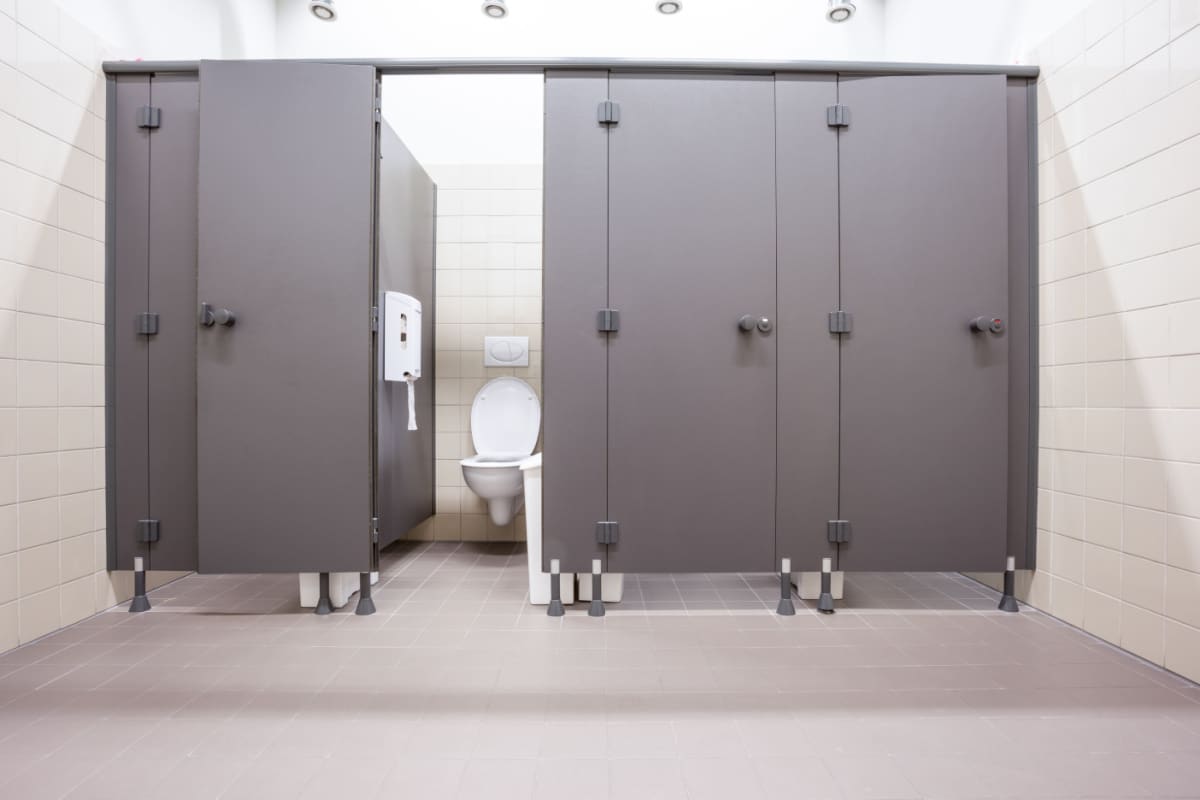
Outside the U.S., saying “restroom” makes people pause, because most countries say “toilet” or “loo.” Americans tend to soften things with gentler terms, a phenomenon linguists call euphemism.
It’s interesting how a simple word can reveal cultural comfort levels. And honestly, who actually goes in there to rest?
Candy

In many English-speaking countries, people say “sweets.” Americans tend to use “candy,” which traces back to Arabic and Sanskrit words for crystallized sugar. Abroad, it often sounds more whimsical than people expect.
Key takeaways

American English is full of everyday words that sound completely different abroad, and each one comes with its own little story. Many of these differences come from immigration, history, and cultural habits that shaped the language Americans use today.
Exploring these quirks makes travel conversations hilarious, confusing, and oddly heartwarming. And it’s a great reminder that language is constantly evolving, no matter where we go.
Disclaimer – This list is solely the author’s opinion based on research and publicly available information. It is not intended to be professional advice.
Disclosure: This article was developed with the assistance of AI and was subsequently reviewed, revised, and approved by our editorial team.
20 Odd American Traditions That Confuse the Rest of the World
20 Odd American Traditions That Confuse the Rest of the World
It’s no surprise that cultures worldwide have their own unique customs and traditions, but some of America’s most beloved habits can seem downright strange to outsiders.
Many American traditions may seem odd or even bizarre to people from other countries. Here are twenty of the strangest American traditions that confuse the rest of the world.
20 of the Worst American Tourist Attractions, Ranked in Order

20 of the Worst American Tourist Attractions, Ranked in Order
If you’ve found yourself here, it’s likely because you’re on a noble quest for the worst of the worst—the crème de la crème of the most underwhelming and downright disappointing tourist traps America offers. Maybe you’re looking to avoid common pitfalls, or perhaps just a connoisseur of the hilariously bad.
Whatever the reason, here is a list that’s sure to entertain, if not educate. Hold onto your hats and explore the ranking, in sequential order, of the 20 worst American tourist attractions.





