Data from Capital One Shopping revealed that nearly 9 in 10 Americans have a history of impulse buying. On average, people spend about $282 per month (approximately $3,381 annually) on unplanned purchases. It’s funny how easy it is to spend without thinking.
I used to grab that $5 coffee almost every morning, convinced it was harmless… until I did the math and realized I’d spent nearly $1,200 in a year. Suddenly, all those “small” purchases start to look a lot bigger. Let’s take a look at some everyday expenses that quietly drain money.
Daily coffee shop runs

That $5 latte feels like a treat, but it adds up faster than you think. According to Acorns, 34% of Americans spend more each year on coffee than on investing, with the average annual coffee spend totaling about $1,100 (about $92 per month).
It’s easy to justify — “I need this to function” — but those small treats can be swapped for a cheaper at-home version without losing your caffeine fix. Making coffee at home can cost less than $0.50 per cup. Even swapping three drinks a week could save you hundreds annually.
Fast food convenience

Late-night hunger or busy mornings often lead to grabbing something quick, but those $7–$12 meals pile up. Statistics show that the average American spends roughly $1,200 per year on fast food.
It’s tempting because it’s instant, but you could cook the same meal for a fraction of the cost. Meal prepping on Sundays can slash both spending and stress. Plus, home-cooked meals usually taste better than anything on drive-thru menus.
Lottery tickets and gambling

That “maybe I’ll win big” thought can be alluring, but the odds aren’t in your favor. People spend an average of $220 per year on lottery tickets, often hoping for instant wealth.
It’s fun occasionally, sure, but it shouldn’t become a regular expense. Your financial strategy should ideally involve saving, not hoping.
Also on MSN: 15 reasons the poor stay poor
Unused streaming subscriptions
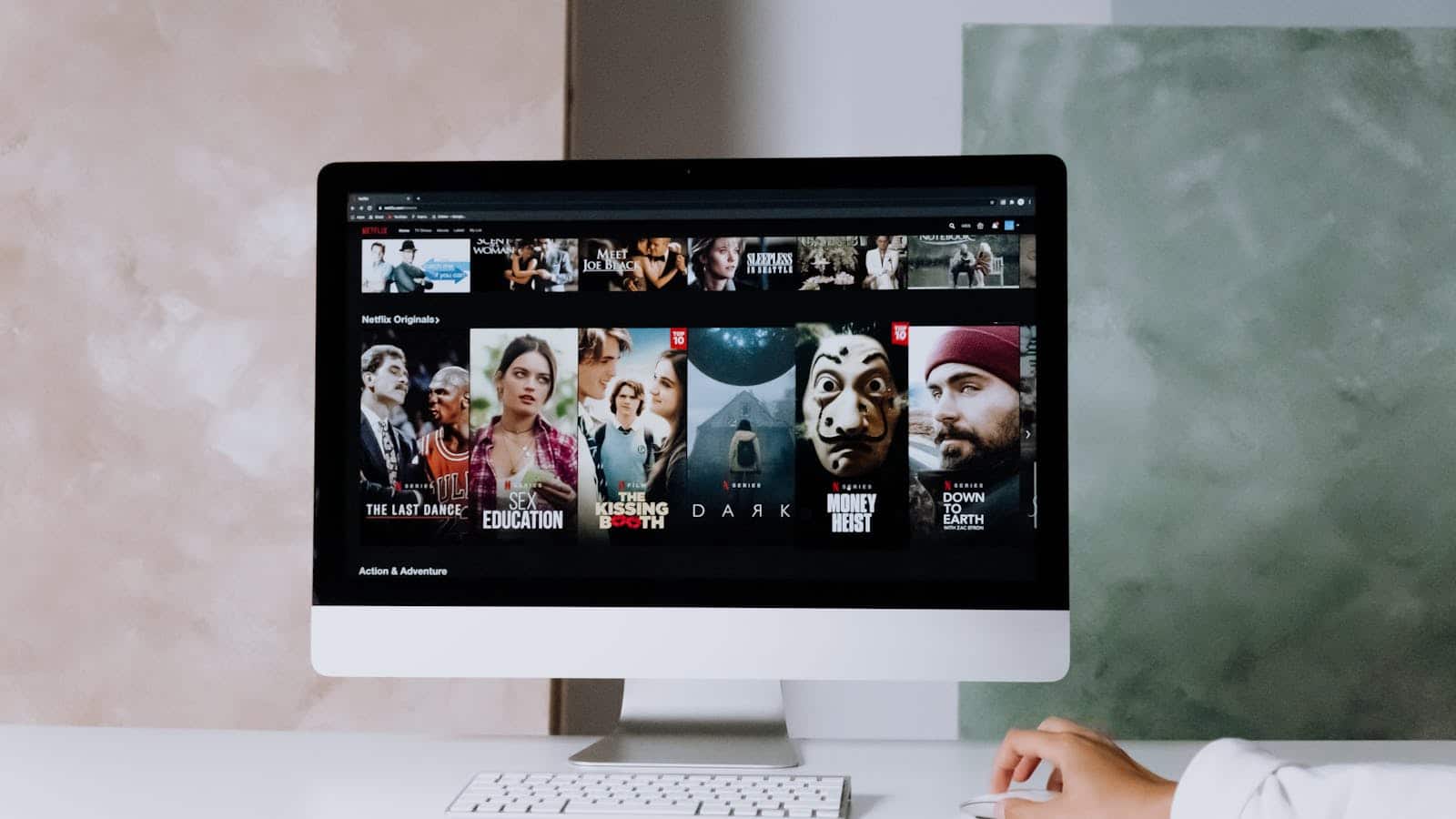
Have you ever paid for three streaming platforms and only used one? A CNET survey found that the average U.S. adult spends $1,080 annually on subscriptions overall, with about $200 wasted on unused subscriptions.
It’s easy to forget these automatic payments, but auditing your subscriptions can instantly free up cash. Sometimes the best entertainment is free — books, podcasts, or even YouTube channels.
Daily bottled water purchases

It feels harmless to buy bottled water, especially when you’re on the go. But investing in a reusable bottle for filtered tap water can save hundreds of dollars annually.
And let’s be honest, it’s better for the environment too. That “small convenience” is more expensive than most realize.
Coffee shop snacks

Those muffins, cookies, and bagels at coffee shops are more than just carbs; they’re stealth money-eaters. At $3–$5 each, grabbing one five days a week can total more than $700 a year.
Sometimes the healthiest way to save is to pack your own snacks. You’ll still get the sugar fix if needed. Plus, homemade treats taste better when you’re the chef.
Impulse buys online

That “add to cart” button is dangerously convenient. Impulse purchases account for about 20% of all online sales, according to data. A $20 gadget here and a $15 accessory there may seem small, but the total sneaks into the hundreds each month.
Waiting 24 hours before buying is a surprisingly effective tactic. It gives your brain a chance to decide if it’s genuinely needed.
Frequent rideshares

The convenience of Uber or Lyft is hard to beat, especially in a city. Many people don’t realize they could save by walking, biking, or taking public transit.
Occasional rides are fine, but habitual trips can silently drain funds. Even alternating transport methods can add up to significant savings.
Save this article
Gym memberships you don’t use

Many people pay monthly for a gym they barely attend. That’s money going out the door with little to no return.
Home workouts, apps, or outdoor activities can replace the membership while keeping you active. Consider it a smart swap for both body and budget.
Designer or branded clothing

We all love a good logo, but spending $100+ on a t-shirt isn’t always worth it. Clothing expenditure accounts for about 3.8% of the average household budget, and designer items unnecessarily inflate that figure.
Thrift stores and sales offer quality options for way less. Plus, style doesn’t always come from labels — it comes from how you wear it.
Expensive phone plans

Unlimited plans sound nice until you see the bill. Evaluating your actual usage can reveal cheaper options.
Sometimes a simpler plan or a family sharing plan works just as well. That extra $40–$50 per month could cover groceries or bills instead.
Eating out for lunch every day

Office lunch runs or quick bites cost more than bringing your own. Packing meals saves money and often improves nutrition.
Even rotating a few prepped lunches can make a noticeable dent in spending. Your bank account will appreciate the effort, I promise.
Trendy gadgets and apps

The latest phone case, smartwatch, or photo-editing app might feel essential. But assessing whether it truly improves daily life can prevent wasteful spending.
Waiting for reviews or second-hand options often works better. Sometimes patience saves more than money — it saves regret.
Key takeaways

Small, everyday expenses can quietly drain hundreds or even thousands of dollars annually without us realizing it. Awareness is the first step toward smarter spending.
Tracking where your money goes can uncover surprising habits that add up over time. Making intentional swaps, even small ones, can have a massive impact on financial freedom and peace of mind.
Disclaimer – This list is solely the author’s opinion based on research and publicly available information. It is not intended to be professional advice.
Disclosure: This article was developed with the assistance of AI and was subsequently reviewed, revised, and approved by our editorial team.
20 Odd American Traditions That Confuse the Rest of the World

20 Odd American Traditions That Confuse the Rest of the World
It’s no surprise that cultures worldwide have their own unique customs and traditions, but some of America’s most beloved habits can seem downright strange to outsiders.
Many American traditions may seem odd or even bizarre to people from other countries. Here are twenty of the strangest American traditions that confuse the rest of the world.
20 of the Worst American Tourist Attractions, Ranked in Order

20 of the Worst American Tourist Attractions, Ranked in Order
If you’ve found yourself here, it’s likely because you’re on a noble quest for the worst of the worst—the crème de la crème of the most underwhelming and downright disappointing tourist traps America offers. Maybe you’re looking to avoid common pitfalls, or perhaps just a connoisseur of the hilariously bad.
Whatever the reason, here is a list that’s sure to entertain, if not educate. Hold onto your hats and explore the ranking, in sequential order, of the 20 worst American tourist attractions.