The animals we fear most are quietly saving farmers billions, preventing disease outbreaks, and holding entire ecosystems together.
People often cringe at the sight of creepy crawlers or predatory beasts, letting Hollywood movies dictate their real fears. Many creatures get a terrible reputation simply because they look a little spooky or have naturally sharp teeth.
A closer look reveals that some of the most feared critters actually keep human civilization running smoothly. Without these unloved heroes doing the dirty work behind the scenes, entire ecosystems would quickly fall apart.
The Essential Role Of Nighttime Bats

Many folks associate these winged mammals with vampires and haunted houses, but they are actually agricultural superstars. According to the US Fish and Wildlife Service, bats save American farmers over three billion dollars annually by eating crop pests. They fly through the dark skies, consuming thousands of mosquitoes, keeping harmful insect populations in check.
Without their constant feeding frenzy, farmers would need to use significantly more toxic pesticides on food crops. These fascinating creatures also pollinate hundreds of tropical plants, giving us fruits like bananas and mangoes. Protecting their habitats means protecting the future of global food production and human health.
The Unsung Heroes Known As Vultures

Scavenging birds get a terrible reputation for hovering around dead things and looking slightly menacing. They possess highly acidic stomachs that easily destroy deadly pathogens like anthrax and rabies before they spread. By eating contaminated meat, they actively prevent massive disease outbreaks in nearby human settlements.
They act as a free and efficient waste disposal system for the natural world. By picking carcasses clean, these bald birds stop bacteria from leaching into local groundwater supplies. Communities truly depend on their strong digestive tracts to keep the environment safe and livable.
The Misjudged Value Of Eight Legged Spiders

Arachnophobia remains a common fear, causing people to squash these helpful web builders on sight. A study on ScienceDaily recently highlighted that global spider populations consume roughly eight hundred million tons of insect prey annually. They silently patrol residential gardens to eliminate disease-carrying flies and annoying mosquitoes.
Eliminating them from agricultural fields would result in an absolute explosion of crop-destroying pests. Their silk is also heavily researched for advanced medical applications, including biodegradable surgical sutures. Letting a house spider live in a quiet corner actually improves indoor air quality.
The Disease-Fighting Power Of Opossums

With their bare tails and sharp teeth, these nocturnal marsupials often look like giant overgrown rats. They are incredibly fastidious groomers who swallow thousands of disease-carrying ticks every single season. A healthy local population aggressively reduces the chances of humans contracting dangerous tick-borne illnesses.
These animals have a naturally low body temperature that makes them highly resistant to the rabies virus. They peacefully wander through suburban backyards, cleaning up fallen fruit and eating venomous snakes. Welcoming them into suburban neighborhoods is a great way to protect domestic pets from dangerous parasites.
The Surprising Benefits Of Stinging Wasps

Most people panic when they hear a loud buzzing noise, assuming a painful sting is imminent. These flying insects are apex predators of the bug world, hunting down caterpillars that destroy vital food crops. A comprehensive study by University College London revealed that wasps regulate populations of both aphids and whiteflies, serving as crucial biological pest control.
They also carry wild yeast in their guts during the winter months, eventually passing it to grapes to help ferment wine. Without their aggressive hunting tactics, farmers would lose massive portions of their harvests to ravenous grubs. People should simply give them plenty of space instead of automatically reaching for the bug spray.
The Oceanic Balance Maintained By Sharks

Decades of scary movies have painted these majestic fish as mindless eating machines targeting innocent beachgoers. They actually maintain the fragile health of coral reefs by hunting sick or weak fish. Marine biologists continually observe that reefs without top predators quickly suffer from algae overgrowth and total collapse.
Overfishing has severely threatened global populations, putting total ocean stability at massive risk. A healthy ocean ecosystem produces more than half of the oxygen humans breathe every single day. Protecting these finned hunters ultimately guarantees that coastal communities can survive and thrive.
The Vital Pest Control Provided By Snakes

Save this article
Slithering reptiles trigger a deep, primal fear for many hikers and nervous gardeners. They are actually nature’s most efficient mousetraps, sliding into narrow burrows to consume huge numbers of rodents. A strong local reptile population prevents rats from spreading deadly hantavirus to nearby human settlements.
Their venom also holds incredible potential for modern medical breakthroughs and life-saving treatments. Scientists use synthetic proteins derived from their toxic bites to create high blood pressure medications. Leaving a harmless garden snake alone lets it protect agricultural property from highly destructive furry pests.
The Ground Clearing Magic Of Dung Beetles

Nobody likes thinking about animal waste, but someone has to clean up the mess left behind by livestock. Dung beetles save the cattle industry over three hundred million dollars annually by burying livestock feces. This natural process heavily aerates the soil and traps carbon deep beneath the surface.
Without their constant digging, grazing pastures would quickly become smothered in thick layers of toxic nitrogen. They disrupt the breeding cycle of parasitic flies by quickly removing their absolute favorite food source. Ranchers actively rely on these busy bugs to keep their cattle herds incredibly healthy.
The Crucial Scavenging Habits Of Spotted Hyenas

Pop culture consistently paints these African predators as cowardly villains who laugh at the misfortune of others. They possess some of the strongest jaws in the animal kingdom, capable of crushing and digesting solid bone. By eating leftover carcasses, they stop dangerous bacterial infections from infecting nearby watering holes.
Their incredibly powerful immune systems allow them to consume rotting meat without getting sick. Communities living near their territories experience significantly lower rates of devastating livestock diseases. They are intelligent and highly social creatures that keep the savanna completely disease-free.
The Trophic Cascade Sparked By Gray Wolves

Fairy tales have trained children to fear the big bad predator lurking in the dark woods. According to a report from the Smithsonian Magazine, the reintroduction of gray wolves to Yellowstone has significantly increased local willow tree growth. These majestic canines constantly keep elk herds moving, preventing harmful overgrazing in delicate river valleys.
Their presence actively dictates the survival of countless other species within the same forest. Scavengers completely depend on their leftover kills to survive the harsh and freezing winter months. Respecting their territory helps maintain a perfectly balanced and thriving wild environment.
The Soil Health Boosted By Tiny Ants

A line of insects marching through the kitchen is guaranteed to frustrate absolutely any homeowner. Out in nature, these tiny laborers move more earth than earthworms, constantly turning and refreshing the topsoil. They dig complex underground tunnels that allow essential rainwater to reach deep tree roots.
They act as prolific seed dispersers by carrying plant matter over incredibly long distances. Their scavenging habits also clean up dead organic material from the dense forest floor. Without their microscopic farming techniques, heavily wooded areas would absolutely struggle to grow.
The Hidden Value Of Smelly Skunks
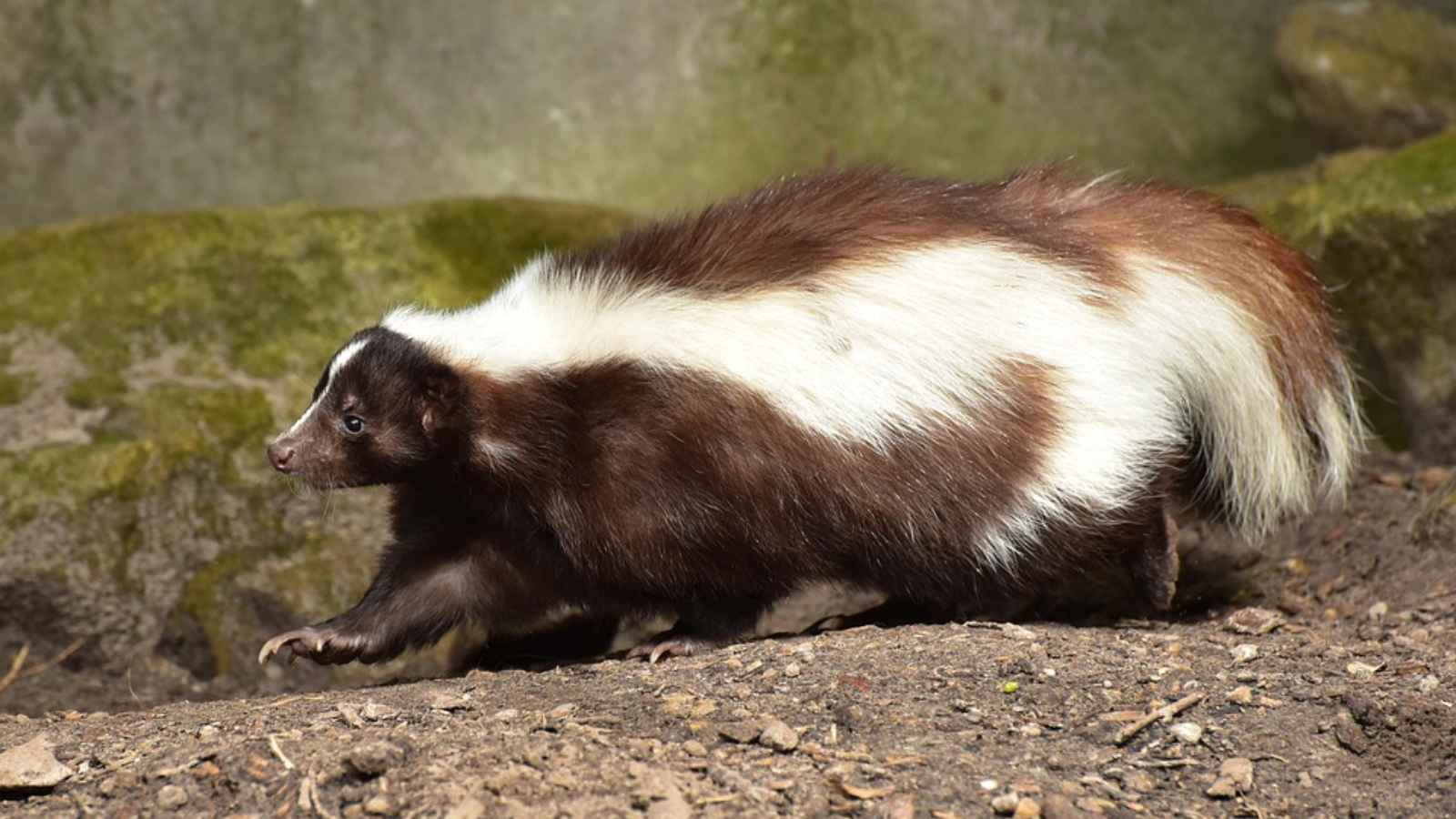
That distinct foul odor makes everyone pinch their noses and run in the opposite direction. A report from the NC Wildlife Resources Commission highlighted that a striped skunk’s diet consists of 80% insects, worms, small rodents, bird eggs, and reptiles. They spend their nights peacefully digging up annoying grubs, beetles, and nasty yellow jacket nests.
Their sharp claws make them highly effective hunters of young mice and small rats. They only spray their famous stinky fluid as an absolute last resort when cornered by a serious threat. Welcoming them from a safe distance gives residential lawns a completely free pest treatment.
The Indoor Protection From House Centipedes

Finding a multi-legged bug darting across the bathroom floor easily triggers a sudden panic attack. These fast-moving arthropods are actually beneficial roommates that aggressively hunt down terrible household pests. They happily eat silverfish, bed bugs, and pesky roaches that try to invade personal spaces.
They do not carry diseases or cause any physical damage to expensive wooden furniture. Learning to tolerate their spooky appearance means residents can avoid spraying harsh chemical insecticides indoors. They act as an invisible security team, keeping residential homes totally free of actual problem bugs.
Disclaimer: This list is solely the author’s opinion based on research and publicly available information. It is not intended to be professional advice.
Like our content? Be sure to follow us.