

It’s no secret that aging affects everyone differently. While some people seem to struggle with energy, appearance, and mental sharpness as they get older, others appear to defy the clock altogether. What separates the two groups might not just be good genes. Often, subtle lifestyle habits and mental attitudes play a significant role in how well someone ages, and the clues can appear in the most unexpected ways.
This article explores 13 telltale signs you might be aging better than your peers. These signs range from physical vitality to emotional resilience, backed by insights from health experts. If you notice several of these in your daily life, you could be doing better than you think when it comes to healthy aging.
You Wake Up Feeling Rested Most Days

A consistent, refreshing sleep routine is a strong indicator of healthy aging. Older adults typically require 7 to 8 hours of sleep per night; however, many struggle with insomnia or disrupted sleep cycles. If you’re regularly waking up without feeling groggy, it’s a sign that your body and brain are recovering properly during rest.
Good sleep quality supports cognitive function, mood stability, and even immune health. If restful mornings are your norm, you’re aging well from the inside out.
Your Skin Still Has a Healthy Glow

Skin often reveals the first visible signs of aging. Loss of elasticity, dullness, and fine lines are common signs of aging, but some people manage to retain a youthful appearance for longer. This isn’t just luck. Regular hydration, sun protection, and a diet rich in antioxidants contribute significantly to skin vitality.
Studies have shown that people who consume more fruits and vegetables tend to have healthier, more radiant skin. Omega-3 fatty acids, vitamin C, and avoiding tanning beds also play key roles. If your skin still reflects light and looks vibrant, it’s more than just cosmetics; it’s a marker of overall cellular health.
You Maintain Strong Social Connections

Social well-being is a powerful, often underrated, predictor of how well someone ages. A Harvard study that followed participants for over 80 years concluded that quality relationships are more important to longevity and happiness than cholesterol levels. Staying engaged socially helps maintain cognitive function and lowers the risk of depression.
If you’re the type who regularly texts friends, makes plans, or volunteers in your community, you’re doing more for your health than you might realize. Loneliness, by contrast, has been linked to increased inflammation and even a higher risk of chronic illness. Being socially active suggests emotional resilience and mental sharpness that can delay the effects of aging.
You Stay Curious and Keep Learning

Maintaining a curious mind as you age can be a powerful defense against cognitive decline. Whether you’re learning a new language, mastering coding, or simply reading regularly, these mental exercises help strengthen your neural pathways.
Curiosity also tends to correlate with optimism and openness, both of which are associated with longer life expectancy. If you’re still fascinated by the world and actively seeking out new information, it’s a strong signal that your brain is functioning at a high level and aging more slowly than average.
Your Weight Has Remained Stable Over the Years

Fluctuating weight in middle age and beyond is often linked to metabolic issues and chronic diseases. If you’ve managed to maintain a relatively stable weight without extreme dieting, that’s a strong sign of metabolic health. Studies highlight that weight stability reduces the risk of type 2 diabetes, cardiovascular problems, and even certain types of cancer.
It also points to healthy habits, such as regular physical activity and mindful eating. Sudden or unexplained weight loss or gain is more common as people age and often signals underlying health issues. A steady weight, especially if within a healthy range, reflects internal balance and self-awareness.
You Recover Quickly from Illnesses or Injuries

Resilience is a key marker of healthy aging. If you bounce back quickly from colds, minor surgeries, or even sprained ankles, your immune system and cellular repair mechanisms are working efficiently.
This kind of resilience often stems from a combination of regular physical activity, balanced nutrition, and good mental health. It’s not just about healing wounds quickly; it’s about how your body manages stress and damage on a day-to-day basis.
You’re Still Physically Active Without Forcing It

Movement is medicine. The CDC recommends at least 150 minutes of moderate aerobic activity per week for older adults, yet many fall short. If you find it easy to stay active, whether it’s brisk walking, gardening, or strength training, your musculoskeletal and cardiovascular systems are functioning well.
Even more encouraging is the correlation between physical activity and brain health. A 2025 study found that physically active older adults had better memory and reduced brain atrophy. If exercise feels like a habit and not a chore, it’s a sign your aging trajectory is more favorable than most.
You Rarely Experience Brain Fog

Many people assume forgetfulness or slow thinking is inevitable with age, but that’s not always the case. Clear thinking into your 50s, 60s, and beyond can be a sign that your brain is aging well. This mental sharpness is often supported by a healthy sleep pattern, a Mediterranean-style diet, and regular mental stimulation.
Save this article
Diets rich in leafy greens, berries, and healthy fats were linked to better executive function in aging adults. If you’re keeping up with conversations, recalling details easily, and learning new skills without difficulty, it’s a clear indicator of superior cognitive aging.
Your Vision and Hearing Haven’t Declined Significantly

While some loss of vision and hearing is common with age, the degree of that decline varies greatly. Preserved sensory function often signals slower aging.
Staying proactive with eye and ear health through regular checkups and early interventions can make a significant difference. If you’re still driving comfortably at night or following conversations in noisy rooms, your sensory aging is ahead of the curve.
You Keep a Positive Attitude Most of the Time

Emotional health is closely tied to how well we age. Optimism has been linked to a longer lifespan in several large studies, including one published in the MIP Press. Research showed that the most optimistic individuals lived up to 15% longer than their less optimistic peers.
A positive outlook also correlates with better stress management and lower levels of cortisol, the hormone that accelerates aging. If you naturally look on the bright side or bounce back from setbacks quickly, it’s not just good for your mood; it’s good for your longevity.
You Have a Healthy Sex Drive

Libido is influenced by a combination of hormones, mental health, and overall physical well-being. A consistent, healthy sex drive can be a reliable sign of balanced hormone levels and good circulation.
A drop in libido can indicate underlying health issues like thyroid imbalances, depression, or cardiovascular problems. If you’re still interested in intimacy and capable of maintaining an active sex life, your body is likely functioning optimally in multiple systems.
You Can Handle Stress Without It Taking a Toll

Everyone experiences stress, but how you respond to it changes with age. Individuals who manage stress effectively tend to exhibit fewer physical and psychological signs of aging.
If you use coping strategies like meditation, journaling, or talking things out rather than internalizing stress, you’re protecting your body and mind from accelerated wear and tear. Staying calm in the face of adversity may be one of the most overlooked signs of graceful aging.
You Feel a Sense of Purpose Every Day

Having a reason to get out of bed each morning can have profound effects on how you age. A 2020 study published in PubMed Central found that a strong sense of purpose was associated with lower all-cause mortality and better overall health in older adults. Purpose gives structure to your days and a reason to stay engaged with life.
This doesn’t have to mean a full-time career; it could be caregiving, community service, or a creative passion. When you feel like your actions matter, you’re more likely to stay physically active, mentally alert, and emotionally connected. And that may be one of the clearest signs you’re aging better than most.
Disclaimer – This list is solely the author’s opinion based on research and publicly available information. It is not intended to be professional advice.
How Total Beginners Are Building Wealth Fast in 2025—No Experience Needed

How Total Beginners Are Building Wealth Fast in 2025
I used to think investing was something you did after you were already rich. Like, you needed $10,000 in a suit pocket and a guy named Chad at some fancy firm who knew how to “diversify your portfolio.” Meanwhile, I was just trying to figure out how to stretch $43 to payday.
But a lot has changed. And fast. In 2025, building wealth doesn’t require a finance degree—or even a lot of money. The tools are simpler. The entry points are lower. And believe it or not, total beginners are stacking wins just by starting small and staying consistent.
Click here and let’s break down how.
5 Easy Steps to Change Any Habit
5 Easy Steps to Change Any Habit
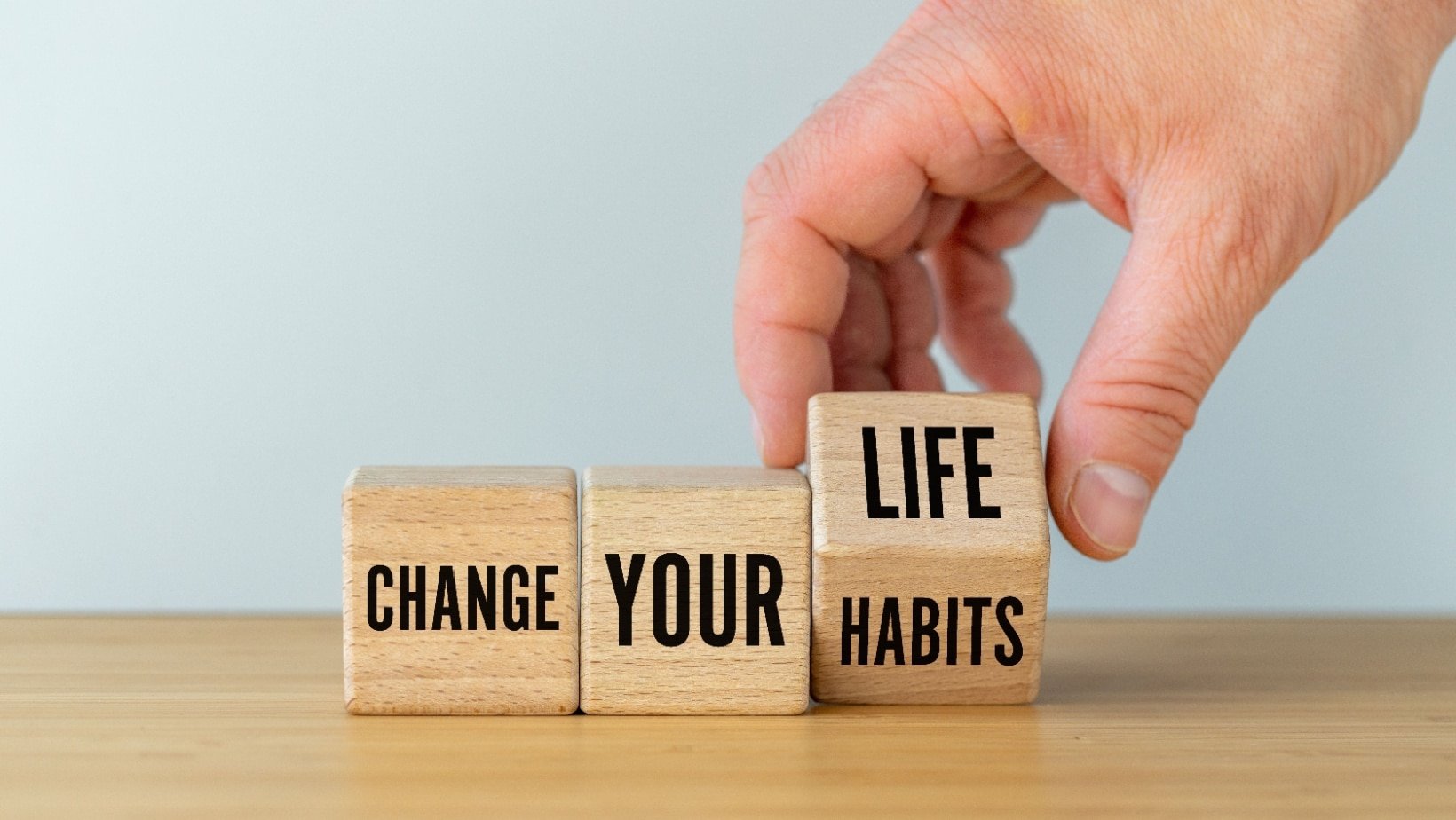
We all click on them with the hope that just THIS time the secret to changing a bad habit or adopting a healthy one will be revealed and we’ll finally be able to stick to that diet, stop that one or ten things that might in the moment make us feel temporarily good but really just make us fat, unhealthy, sad, mad or just frustrated with ourselves.





