Growing up with limited means often shapes the way we see and manage the world—sometimes in ways we don’t even realize until we’re older. If you grew up pinching pennies, you probably developed a keen eye for stretching a dollar, repurposing items, and spotting value where others might not.
Based on data from The Global Statistics, the U.S. poverty rate is about 11.1%, representing roughly 36.8 million Americans living below the federal poverty line. Many children in these homes develop lifelong habits around resourcefulness.
Some of these habits show up in your home in surprising ways, like having a stash of seemingly random items that “might come in handy someday.”
Patched or repaired clothing

Clothes with stitches, patches, or mended hems are common reminders of growing up with less. Sewing on buttons or repairing holes was practical and often necessary.
These small acts also reduce waste and build a mindset of making things last. Every patch carries a story of ingenuity and care.
Coupons and discount cards

Growing up poor often meant learning the art of the deal. Coupon clipping, hunting discounts, and taking advantage of sales were daily routines.
A review of financial literacy programs found that early exposure to budgeting, saving, and frugal practices strongly shapes lifelong financial attitudes and behaviors. Youth who learn to monitor spending and prioritize savings are more likely to carry those habits into adulthood.
These cards and clippings become more than just paper—they’re a tool for financial survival. Even in adulthood, many of us instinctively check for deals before buying.
Hand-me-down furniture
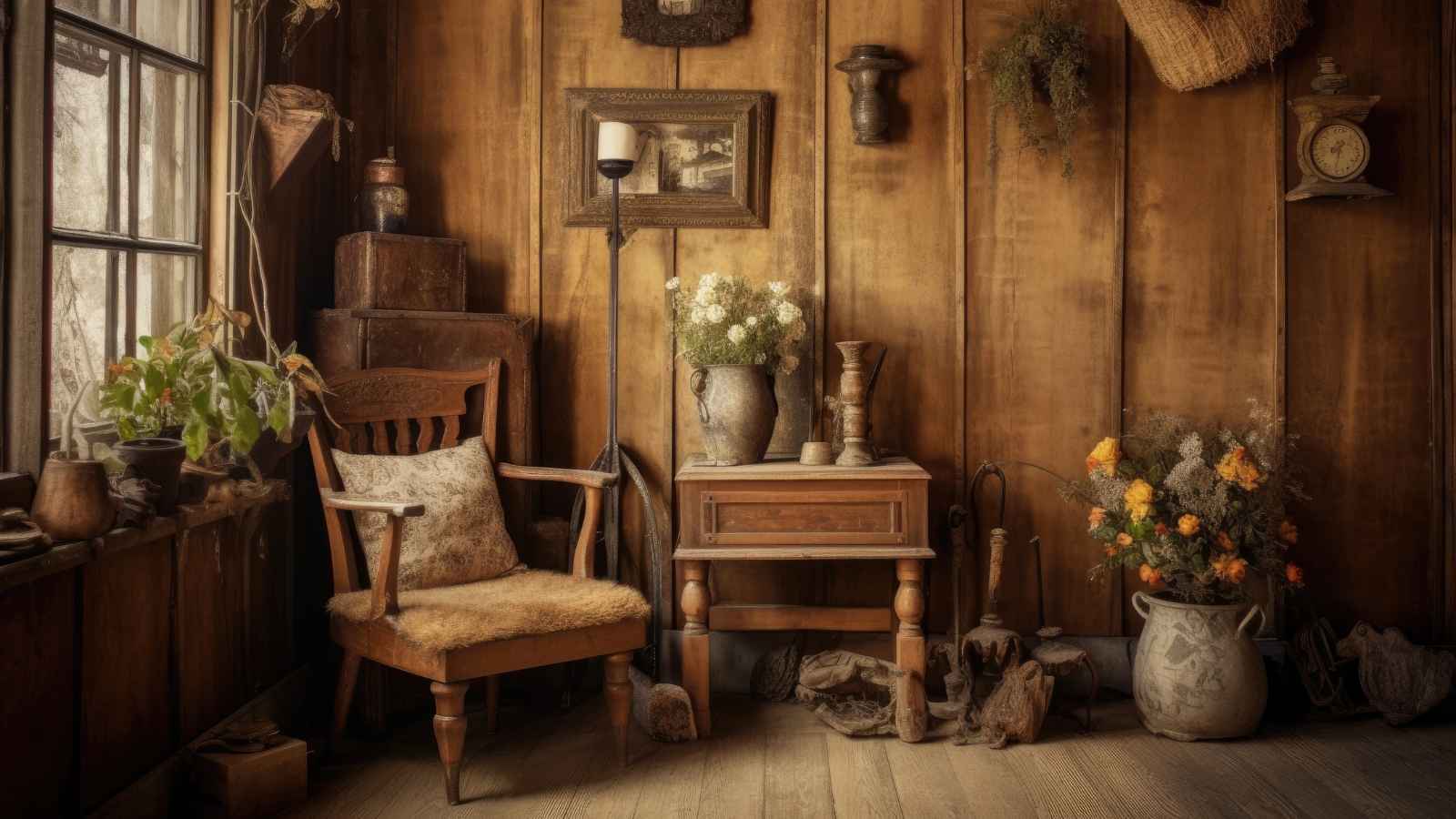
Chances are, your couch, table, or dresser has a history beyond your own family. Hand-me-down furniture was a staple for many growing up poor, and often it came with stories, scratches, or quirky repairs.
Families with lower incomes often reuse and repair items instead of replacing them. This practice encourages creativity and resourcefulness from a young age. Even decades later, those pieces often remain, sentimental and practical.
Minimal decorations

Homes often focus on function over aesthetics, with few decorations aside from DIY projects or meaningful gifts. Children in low-income households adapt to fewer possessions by finding joy in simplicity and creativity.
Homemade crafts, painted rocks, or hand-me-down frames often became the centerpiece. This practicality doesn’t diminish warmth—it often enhances it. Every decoration carried personal significance.
Also on MSN: 10 Things Poor people Do That the Rich Never Do
A collection of random odds and ends

You probably have drawers filled with rubber bands, buttons, or stray screws. Growing up poor, nothing was thrown away unnecessarily.
These habits reflect foresight and preparation. “Might come in handy” becomes a lifelong mantra. Adults often keep these collections, blending practicality with nostalgia.
Mismatched socks

If your socks don’t match, it might not be by choice—it’s a habit from childhood. Growing up poor meant making do, and mismatched socks were better than nothing. There’s a strange kind of pride in keeping clothes functional instead of perfect.
Homemade snacks and meals

Processed snacks weren’t always an option; homemade versions filled lunchboxes and kitchens. Cooking from scratch wasn’t just economical—it was a skill families relied on, often creating innovative, budget-friendly recipes.
On average, making meals at home costs about 3–5 times less than eating out. A home-cooked meal typically runs $4–$6 per person, compared with roughly $15 per person at a restaurant, saving around $9–$11 each time.
Many adults still remember the smells of fresh bread or simple casseroles from childhood, a mix of comfort and practicality. These homemade meals weren’t just about saving money—they were acts of care that often sparked lifelong cooking habits.
Tupperware collection

Save this article
Plastic containers multiply faster than anyone expects. Many people who grew up with little money learned to save leftovers religiously, and Tupperware became essential.
Families with lower incomes often rely on strict meal management and storage strategies. This habit often translates into a lifetime of being organized, saving, and reducing waste. A kitchen full of containers isn’t clutter—it’s proof of resourcefulness.
Thrift store finds

Everything, including clothes and decorations, often came from thrift stores or garage sales. Growing up with little money made creativity and resourcefulness second nature. Secondhand shopping can develop strong value judgment and budgeting skills.
In fact, thrift store shoppers save an average of $2,071 per year by buying secondhand, per Capital One Shopping. Finding a gem in a stack of hand-me-downs or discounted items was a thrill. Many adults continue this habit, blending practicality with sustainability.
Multipurpose furniture

A futon that’s also a bed, a coffee table with storage, or a kitchen table doubling as a desk—these pieces were essential in smaller or budget-conscious homes. Families with lower incomes often prioritize multifunctional items to make the most of limited space.
Learning to adapt furniture for multiple uses teaches creativity and problem-solving. Multipurpose doesn’t just save space; it saves money and energy.
Jars and containers saved for later

Old jars, bottles, and containers rarely went to waste—they were reused for storage, crafts, or organizing. Research shows that early exposure to nature and resourceful coping strategies in adolescence fosters stronger pro‑environmental behaviors in adulthood.
Learning to see potential in discarded items promotes creativity and reduces waste. Every saved jar tells a story of planning and ingenuity. These items are both practical and nostalgic reminders of childhood.
Old books and worn-out toys

Books and toys may have come secondhand, but they were treasures nonetheless. Kids growing up poor often read everything they could get their hands on and made the most of every toy.
Worn edges and faded covers don’t diminish the value—they highlight durability and memory. These items tell stories that new purchases rarely can.
Key takeaways

Growing up with little money teaches creativity, resourcefulness, and an eye for value that lasts a lifetime. From patched clothes to thrifted treasures and multipurpose items, these habits shape how adults live and organize their homes.
Nostalgia mixes with practicality, reminding us that resourcefulness is a skill passed down by necessity. Ultimately, these items aren’t just objects—they’re memories, lessons, and markers of resilience.
Disclaimer – This list is solely the author’s opinion based on research and publicly available information. It is not intended to be professional advice.
Disclosure: This article was developed with the assistance of AI and was subsequently reviewed, revised, and approved by our editorial team.
20 odd American traditions that confuse the rest of the world

20 Odd American Traditions That Confuse the Rest of the World
It’s no surprise that cultures worldwide have their own unique customs and traditions, but some of America’s most beloved habits can seem downright strange to outsiders.
Many American traditions may seem odd or even bizarre to people from other countries. Here are twenty of the strangest American traditions that confuse the rest of the world.
20 of the worst American tourist attractions, ranked in order

20 of the Worst American Tourist Attractions, Ranked in Order
If you’ve found yourself here, it’s likely because you’re on a noble quest for the worst of the worst—the crème de la crème of the most underwhelming and downright disappointing tourist traps America offers. Maybe you’re looking to avoid common pitfalls, or perhaps just a connoisseur of the hilariously bad.
Whatever the reason, here is a list that’s sure to entertain, if not educate. Hold onto the hats and explore the ranking, in sequential order, of the 20 worst American tourist attractions.