

Do you ever find yourself wondering where your money goes each month? It’s not always the major expenses like rent or a car payment that hurt the most. Often, it’s the small, routine purchases that slowly chip away at your finances without offering lasting value in return. These habits become so familiar that we rarely question them until the cost becomes hard to ignore.
This article takes a closer look at 13 everyday items and services that might be draining your wallet more than you think. These aren’t luxury splurges or impulsive one-time buys. They’re common purchases we’ve been conditioned to see as normal or necessary. But with a little awareness, cutting them out might just leave your budget and your lifestyle better off.
Single-Use Cleaning Products

Disposable wipes, pads, and sprays are designed for convenience, but they come at a higher cost over time. Most of these products are discarded after a single use, resulting in frequent repurchases and a growing pile of waste.
Reusable alternatives, such as microfiber cloths and concentrated cleaners, offer better value and reduce plastic packaging. They also cut down on trips to the store, which can help minimize impulse spending.
Coffee Shop Drinks

Daily coffee runs are one of the most common spending habits that add up over time. Spending $5 each weekday on coffee totals over $1,200 a year. That’s more than the cost of a new espresso machine or a month’s worth of groceries.
Brewing coffee at home takes only a few minutes and can be customized exactly to your taste. Over time, this small change adds up to big savings.
Bottled Water

Bottled water is a convenience many people don’t think twice about, but the financial and environmental costs are significant. According to the International Bottled Water Association, Americans consumed more than 15 billion gallons of bottled water in 2022. This translates into billions of single-use plastic bottles, the majority of which end up in landfills or the ocean.
Tap water in most U.S. cities is highly regulated and safe to drink. A one-time investment in a quality water filter and a reusable bottle can eliminate the need for plastic bottles entirely. Over time, that switch can save hundreds of dollars per year.
Fast Fashion

Fast fashion encourages consumers to buy more and wear less. It’s driven by constant trends and low prices, making clothing disposable by design. The average American throws away over 80 pounds of textiles each year, much of which ends up in landfills.
The environmental footprint of producing inexpensive clothing is substantial, encompassing water usage and chemical runoff. Investing in well-made staples that last longer not only saves money over time but also reduces your personal impact on the planet.
Extended Warranties

Extended warranties are often pitched as a smart safety net, but they’re rarely used. When repairs are needed, they’re often already covered under the manufacturer’s warranty or cost less than the warranty itself.
In many cases, credit card providers offer purchase protection at no additional cost. Instead of adding extra costs at checkout, consider setting aside a small tech fund for unexpected repairs or replacements.
Cable TV

Despite the rise of streaming, many households still pay for traditional cable. According to recent research, about 83% of US households have at least one streaming service, with over 50% of consumers subscribing to four or more. This includes channel bundles that many people never watch.
Streaming platforms enable users to select services tailored to their preferences, often at a fraction of the price. Cutting the cord doesn’t mean giving up entertainment; it just means being smarter about how you access it.
Greeting Cards

Greeting cards are thoughtful gestures, but they come with a surprisingly high price tag. With cards ranging from $4 to $8 each, costs can add up quickly during birthdays, holidays, and other celebrations throughout the year.
Handwritten notes, digital greetings, or purchasing cards in bulk can achieve the same emotional effect at a fraction of the price. Most people remember the message more than the card design anyway.
Gym Memberships You Don’t Use

Many gym memberships go unused, despite good intentions. Over 67 percent of Americans with a gym membership rarely visit. The average monthly fee is around $58, which means hundreds of dollars a year for something that provides little return.
Save this article
Home workouts, fitness apps, and outdoor activities offer more flexibility and lower costs. Before committing to a membership, it’s worth considering whether it truly fits into your routine.
Trendy Kitchen Gadgets

Kitchen tools marketed as must-haves often gather dust after a few uses. Spiralizers, popcorn makers, and pancake dispensers are designed for a single task and often take up more space than they’re worth.
The most commonly used items in any kitchen tend to be basic, multi-purpose tools. Instead of buying into every new trend, stick to a few essentials that stand the test of time and daily use.
Cheap Furniture

Budget furniture may solve a short-term problem, but it often doesn’t last. Pieces made from particleboard or low-grade materials can warp, peel, or break within a year, leading to repeat purchases.
Quality doesn’t have to mean expensive. Many people find durable, stylish furniture secondhand or at clearance sales. Fewer replacements mean more savings over time and less hassle.
Subscription Boxes

Subscription boxes can feel like monthly gifts to yourself, packed with surprise items tailored to your preferences. But over time, these curated packages often deliver more clutter than value. Whether it’s makeup samples, snacks, or hobby kits, the novelty wears off fast.
Without realizing it, you may be spending hundreds a year on things you don’t actually need or use. Reevaluating which services still bring joy and canceling the rest can simplify your lifestyle while freeing up your budget for experiences or long-term goals.
Scented Candles
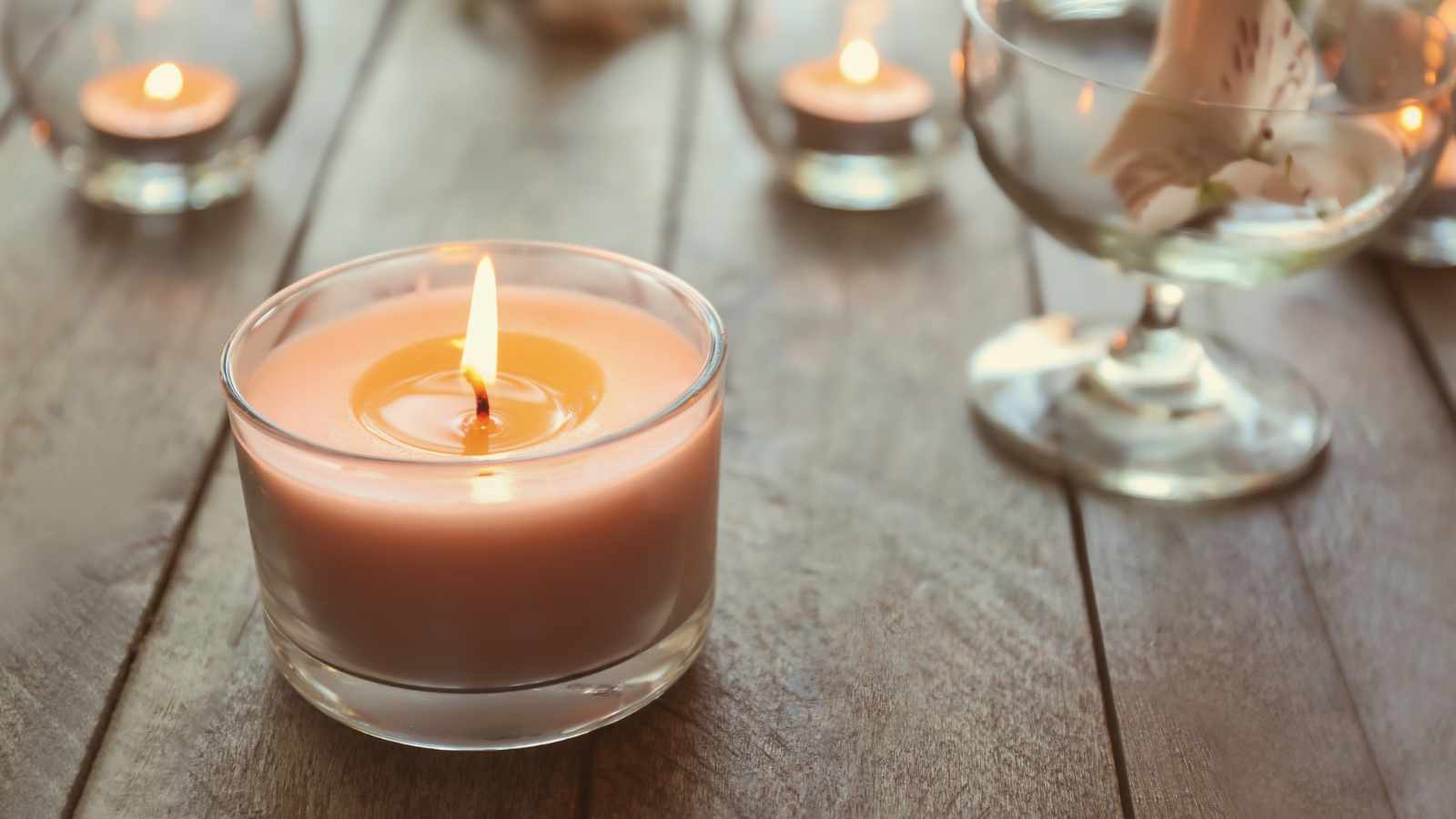
Scented candles can set a cozy mood, but they also burn through your wallet. High-end candles often sell for $25 or more and typically last only a few days with regular use. The ingredients in some candles can also release indoor air pollutants.
Essential oil diffusers or natural wax melts offer a safer and more cost-effective alternative. They last longer and allow you to control the strength and blend of scents in your home.
Impulse Sale Purchases
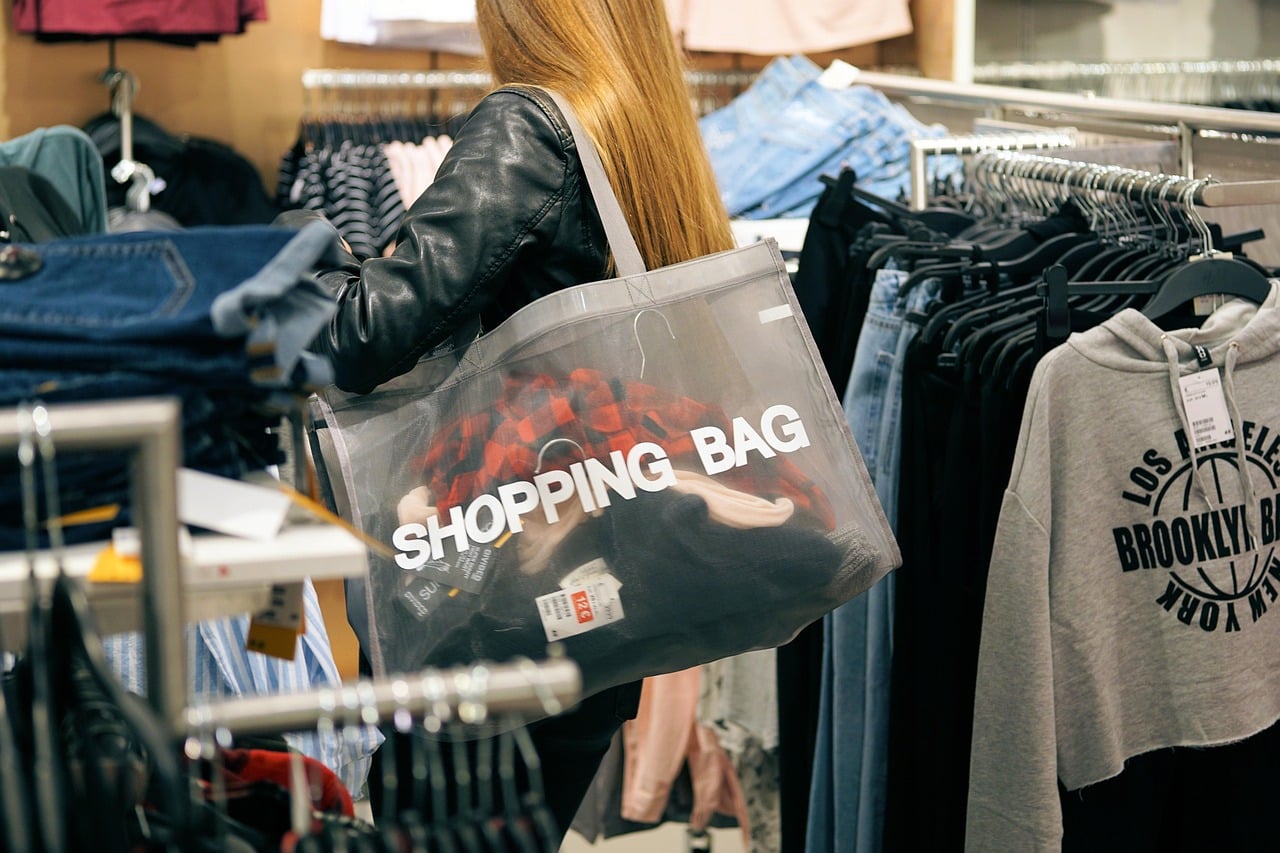
Flash sales and limited-time offers are designed to create a sense of urgency. According to statistics, over 95% of Americans make in-store impulse purchases, and 88.6% make impulsive online purchases. 72% of online shoppers make impulse purchases due to discounts and sales. Consumers spend over $150 monthly on these purchases
Most of these items end up unused or returned. Implementing a 24-hour waiting period before clicking “buy” can help reduce unnecessary spending and lead to more thoughtful purchasing decisions.
Disclaimer – This list is solely the author’s opinion based on research and publicly available information. It is not intended to be professional advice.
How Total Beginners Are Building Wealth Fast in 2025—No Experience Needed

How Total Beginners Are Building Wealth Fast in 2025
I used to think investing was something you did after you were already rich. Like, you needed $10,000 in a suit pocket and a guy named Chad at some fancy firm who knew how to “diversify your portfolio.” Meanwhile, I was just trying to figure out how to stretch $43 to payday.
But a lot has changed. And fast. In 2025, building wealth doesn’t require a finance degree—or even a lot of money. The tools are simpler. The entry points are lower. And believe it or not, total beginners are stacking wins just by starting small and staying consistent.
Click here and let’s break down how.
5 Easy Steps to Change Any Habit
5 Easy Steps to Change Any Habit
We all click on them with the hope that just THIS time the secret to changing a bad habit or adopting a healthy one will be revealed and we’ll finally be able to stick to that diet, stop that one or ten things that might in the moment make us feel temporarily good but really just make us fat, unhealthy, sad, mad or just frustrated with ourselves.





