

The American Dream hasn’t vanished, but in many cities it now comes with a price tag that quietly pushes families to the brink.
The price of the American Dream seems to rise every morning, leaving many families checking their bank accounts with a sense of dread. Groceries, rent, and basic utilities are taking a bigger bite out of paychecks than ever before. It feels like you need a raise to maintain the lifestyle you had a few years ago.
For residents in some major metropolitan areas, the squeeze is tighter than a rush-hour subway car. We aren’t just talking about a few extra dollars for gas; entire budgets are being rewritten to survive. Here is a look at the cities where your dollar doesn’t stretch as far as it used to.
Atlanta, Georgia

The South is usually known for affordability, yet Atlanta is bucking that trend with rapid price increases. Traffic congestion costs time, but the rising cost of housing is what really erodes people’s peace of mind. Neighborhoods that were once overlooked are now gentrifying at lightning speed.
Utilities and groceries have crept up, surprising those who moved here expecting a cheaper lifestyle. The city is booming, but the benefits of that growth are not reaching every wallet equally. It remains a cultural hub, but the cost of living there is rising.
San Diego, California

California has always been pricey, but “America’s Finest City” is quickly becoming one of the most unaffordable cities. RentCafe data indicates the average rent here has climbed to roughly $3,000 per month. That is a staggering figure for anyone trying to save for a future home while paying a landlord.
Locals often joke about the “sunshine tax,” but the reality is far less funny when you look at utility bills and pump prices. Families are finding that the beautiful weather comes with a premium that forces difficult financial choices. It is a paradise for those who can afford it, but a struggle for the average worker.
Miami, Florida

The days of Florida being a cheap retirement haven are long gone, especially if you want to live near the coast. Homeowners in Miami are now paying an average of $4,347 per month, including mortgage payments and taxes. This spike is driving long-time residents to reconsider whether they can afford to stay in the Sunshine State.
Insurance premiums are another massive headache here, often rivaling the cost of the mortgage itself. People flock here for the beaches and nightlife, yet they usually stay up at night worrying about housing costs. The glitz of South Beach hides a harsh economic reality for the service workers who keep the city running.
New York, New York

It is no surprise to see the Big Apple on this list, yet the sheer scale of recent price hikes is shocking even for hardened New Yorkers. A simple trip to the corner bodega now costs what a complete meal used to just a few years back. Rents in Manhattan and even the outer boroughs have reached levels that seem disconnected from reality.
Transportation costs and dining out have also risen sharply, making the city feel exclusive to the ultra-wealthy. You practically need a second job to enjoy the amenities that make living here worth the hassle. For many creatives and young professionals, the city that never sleeps is becoming the city that never saves.
Boston, Massachusetts

History is everywhere in Boston, but the current housing market is making history for all the wrong reasons. The median home price in the area is a crushing $775,000. That number puts homeownership completely out of reach for a vast majority of the population.
Renters are not faring much better, with students and families competing for a limited supply of aging apartments. The charm of brownstones and cobblestone streets loses its luster when you are paying a fortune for a drafty unit. Beantown is quickly becoming a place where only the elite can put down roots.
Seattle, Washington

The tech boom brought wealth to the Pacific Northwest, but it also brought a tidal wave of inflation that hit everyone. Grocery prices are a significant pain point, with food costs rising. That increase might sound small on paper, but it adds up significantly at the checkout line every week.
Coffee culture is strong here, yet your daily latte is now a luxury item rather than a routine morning pick-me-up. Residents are constantly balancing the allure of the mountains and water against the stress of their monthly bills. It is a beautiful place to live if you can manage the steep price of admission.
Los Angeles, California

Traffic is not the only thing causing gridlock in Los Angeles; the cost of living is stalling financial progress for millions. Gas prices remain among the highest in the nation, making every commute a painful exercise for your wallet. Driving is essential here, so there is very little escape from the rising cost of fuel.
Housing is equally brutal, with modest bungalows selling for millions in neighborhoods that were once considered working-class. The entertainment industry draws dreamers, but the high cost of survival sends many of them packing. It is a city of stars, but you need an astronomical income to shine comfortably.
Save this article
Phoenix, Arizona

People used to move to the desert for affordable living, but that secret is definitely out, and the deals are gone. Housing costs in Phoenix are now sitting at 9 percent above the national average. That shift has caught many newcomers off guard, as they expected a bargain and found a bubble.
The intense summer heat means air conditioning is a survival need, not a luxury, leading to massive electricity bills. What you save on winter heating, you will pay back triple when the temperature breaks 100 degrees. The valley of the sun is burning a hole in pockets faster than ever before.
Honolulu, Hawaii

Living in paradise has always been expensive, but the islands’ isolation amplifies every price increase. Everything from a gallon of milk to a gallon of gas has to be shipped in, raising prices to eye-watering levels. Locals work multiple jobs to keep a roof over their heads in multi-generational homes.
The tourism industry drives the economy, yet it also drives up the cost of land and basic services. It is heartbreaking to see native Hawaiians priced out of their ancestral homes by a market they cannot control. The aloha spirit is strong, but it cannot pay the bills.
San Francisco, California
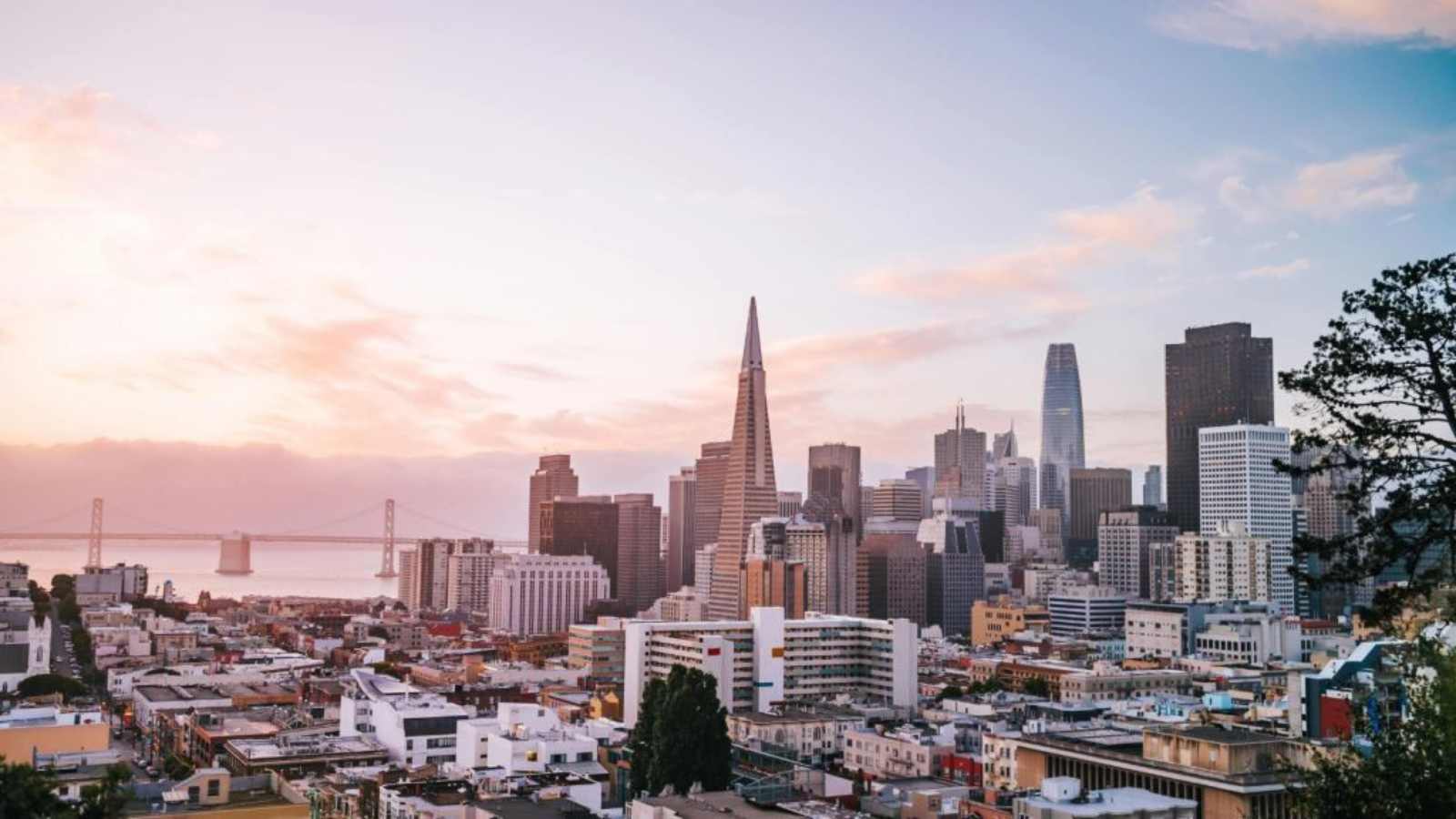
The Bay Area remains the poster child for exorbitant living costs, with tech salaries distorting the market for everyone else. A six-figure salary, which sounds wealthy elsewhere, is often considered “low income” for a family in this region. You can make good money and still feel broke after paying for a cramped apartment.
Everyday items like sandwiches or haircuts come with a sticker price that would make visitors gasp. We are seeing a trend in which essential workers, such as teachers and firefighters, commute for hours to serve the city. It is a stark example of a local economy that has lost its balance.
Denver, Colorado

The Mile High City has seen its cost of living climb almost as high as the peaks surrounding it. Housing demand has surged as more people adopt an outdoor lifestyle, pushing prices well beyond reasonable levels. Ski trips and mountain getaways are becoming luxuries that many locals can no longer justify.
Dining and entertainment costs have followed the same upward trajectory, changing the city’s vibe. Long-time residents often talk about the “good old days” when you could rent a place downtown without a roommate. Now, the mountains are free, but everything else will cost you dearly.
Tampa, Florida

Tampa was once a budget-friendly alternative to Miami, but it has caught up with a vengeance. Axios data shows that nearly 30% of residents spend more than half of their income just on rent. That leaves very little wiggle room for savings, medical expenses, or emergencies.
The influx of remote workers has squeezed the local housing supply, driving up costs for everyone. Locals are finding themselves in bidding wars for rental units that were half the price a few years ago. The humidity is heavy, but the financial pressure feels even heavier.
Washington, D.C.

The nation’s capital is a power center where the cost of entry is incredibly steep. Childcare costs in the D.C. metro area are astronomical, often rivaling college tuition. For young families, this single expense can be the deciding factor in whether they stay or leave.
Housing is a constant game of musical chairs where the music stops, and the prices jump up. You pay a premium for proximity to power, even if you work a regular job. It is a city of monuments and museums, but living there requires a monumental budget.
Disclaimer – This list is solely the author’s opinion based on research and publicly available information. It is not intended to be professional advice.
Like our content? Be sure to follow us.
How Total Beginners Are Building Wealth Fast in 2025—No Experience Needed

How Total Beginners Are Building Wealth Fast in 2025
I used to think investing was something you did after you were already rich. Like, you needed $10,000 in a suit pocket and a guy named Chad at some fancy firm who knew how to “diversify your portfolio.” Meanwhile, I was just trying to figure out how to stretch $43 to payday.
But a lot has changed. And fast. In 2025, building wealth doesn’t require a finance degree—or even a lot of money. The tools are simpler. The entry points are lower. And believe it or not, total beginners are stacking wins just by starting small and staying consistent.
Click here, and let’s break down how.





