

Do you remember when your grandma told you to never, ever put your elbows on the dinner table? Well, it turns out Grandma’s rulebook might be a little dusty.
It’s not just you; things feel a bit chaotic out there. A 2025 Pew Research poll found that 34% of Americans say they see rude behavior “almost always or often” when they’re out in public. But here’s the twist: “politeness” isn’t dead.
Modern etiquette experts say the game has just changed: it’s less about rigid protocols and more about respect, kindness, and boundaries. Seriously, it’s not about which fork you use. Etiquette expert Lisa Grotts, founder of the Golden Rules Gal, says it’s “all about helping people… feel comfortable no matter the situation.”
Another expert, William Hanson, boils it down to two words: “Etiquette is respect.” So, what old-school rules are officially “out”? Let’s get into it.
Insisting that a man should always pay for the first date

This one is a classic, but it’s crumbling fast. Dating can be crazy expensive. The average person spends about $59 per date. A 2024 survey even found that 74% of people are actively opting for low-cost dates.
The old “man pays” rule just doesn’t fit our new world. Gen Z (at 36%) is way less likely than Gen X (45%) to think men should always pay.
So, what’s the new rule? It’s… complicated. A 2024 survey by NerdWallet/The Harris Poll found that 65% of Americans say the person who asks for the date should pay. But 57% say the person who makes more money should pay more often.
The absolute “new rule” is just talking about it. The side-eye today isn’t about who pays; it’s for the person who makes an awkward assumption.
Calling someone on the phone without texting them first

Oh, this is a big one. An unannounced phone call is the new jump-scare. For many people, especially younger generations, a random call can feel high-stress. It demands your immediate, undivided attention, which is rude.
There’s even a name for it: “telephobia.” A 2024 survey found over 40% of office workers admitted to avoiding a work call in the last year because of anxiety.
The new etiquette is simple: “Text first.” A quick “Got a min to chat?” shows respect for the other person’s time and focus. As one expert put it, we prefer the “convenience of asynchronous chatter.”
Sticking to “Mr.” or “Mrs.” in the workplace

Unless you’re meeting the Queen, this formality is fading fast. Think about it. When’s the last time you called your boss “Mr. Smith”? Most modern offices have switched to a first-name basis.
It’s not about a lack of respect; it’s about shifting what we respect. The old rule was about hierarchy. As one expert on generational differences notes, Boomers were raised on “obedience over individualism” and “age equals seniority.”
The new rule is about collaboration and flattening that hierarchy. Gen Z, by contrast, “don’t necessarily see elders as experts” just by default. Insisting on “Mr.” or “Ms.” today can feel like an awkward power play. It creates distance when the goal is teamwork.
Keeping your salary a secret from your coworkers

This taboo is being publicly executed. And fast. What used to be “polite” is now seen as a tool to hide pay gaps. And Gen Z isn’t having it. A recent survey found that only 15% of Gen Z find salary talk “awkward,” compared to 24% of Gen X.
In fact, 38% of Gen Zers are just “genuinely curious” about what their coworkers make.
But the most significant change? It’s now the law. A massive wave of pay transparency laws hit in 2024 and 2025. States like New York, California, Washington, Illinois, and Massachusetts now require companies to put salary ranges in job postings.
The side-eye has totally flipped. It’s no longer for the person who asks about pay. It’s for the person (or company) who tries to hide it.
Sending a handwritten thank-you note for everything
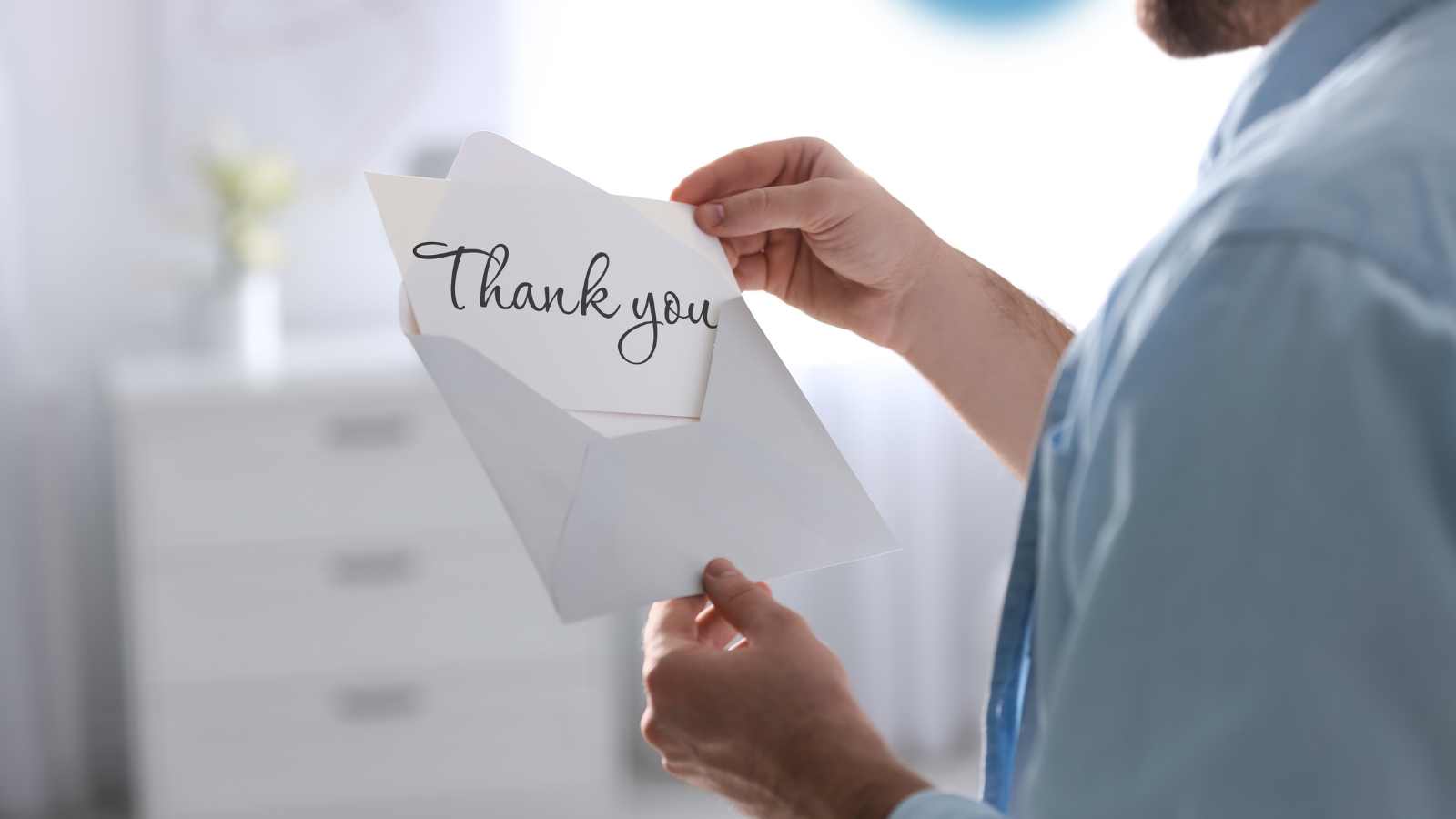
This one is tricky, because who doesn’t love getting real mail? But the rules are now split: one for your personal life, one for your career. For a job interview, a handwritten note is actually a bad move. It’s too slow. Etiquette expert Lindsey Pollak says an email is now “100 percent appropriate.”
The new rule is speed. You should send that thank-you email within 12-24 hours, because hiring managers are “making decisions lightning fast.” For a wedding or baby shower gift? That handwritten note is still gold. 65% of people say getting a card “lifts their spirits.” It “cuts through inbox clutter” and feels “spontaneous and heartfelt.”
The new rule: “It’s not about method, it’s about sentiment.” Just say “thank you,” and match the channel to the situation.
Enforcing “no white after Labor Day”

This is the zombie of etiquette rules. It’s dead, but it’s still shuffling around. Seriously, every fashion expert wants you to stop enforcing this. Even the Emily Post Institute—the high temple of etiquette—says to ignore this.
The new rule is to “wear what’s appropriate—for the weather, the season, or the occasion.”Stylists are begging you to embrace “winter white.” As personal stylist Anastasia Souris told Fox News Digital, “excluding a whole color for half of the year just doesn’t make much sense.”
So, you have full permission. Wear the white jeans. The side-eye is for the person trying to police your closet with a 100-year-old rule.
Believing the customer is always right

This was always a business slogan, not an etiquette rule, and now the public is flat-out rejecting it. We’ve all seen someone treat a service worker terribly, and a 2024 YouGov poll shows we’re sick of it.
The data is overwhelming: Americans do not think the customer is always right. At least 8-in-10 people say it’s “unacceptable” to snap your fingers at a waiter. It’s also unacceptable to debate menu prices (84%) or stay past closing time.
The social contract has changed. We’re more aware of what service workers deal with, especially with “tip-flation” making everyone antsy.
Today, the side-eye isn’t for the waiter. It’s for the entitled customer who makes everyone else at the restaurant cringe.
Telling guests “don’t bring anything” and actually meaning it

This is the most confusing social trap in modern America. The host says, “Just bring yourself!” Do they mean it? Or are they just being polite? It’s a 50/50 shot at getting the side-eye.
Camp 1: Respect the host’s words. One expert advised Katie Couric, “The core value of etiquette is respect, and you should respect their request.” They may not want to pair your $10 wine with their $50 roast.
Camp 2: Never, ever show up empty-handed. This is the classic Southern view. As expert Vivian Tu says, you should at least “offer your time” or a small, helpful item, such as cups or napkins.
The new polite move? Offer a specific, low-burden item. A quick text like, “Great! I’ll bring a bag of ice,” solves the paradox. You’ve respected their “no gift” rule but still contributed.
Freaking out about elbows on the dinner table

Save this article
Let’s go back to Grandma’s number one rule. It turns out, she was wrong. (Sorry, Grandma). Even the modern Emily Post Institute says it’s perfectly fine to rest your elbows on the table when you’re leaning in for conversation.
In fact, Emily Post herself “is known for happily eating with her elbows on the table” and said, “It really makes no difference.”Why did this rule even exist? It’s medieval. It was partly to save space at crowded tables, but also to show you weren’t about to “fight at any given second.”
Today, leaning in shows you’re engaged. Stiff, perfect posture can seem cold. The side-eye is for scolding someone over a rule meant to prevent medieval brawls.
Wearing a suit and tie to the office

The pandemic let the “work-from-home” genie out of the bottle, and it was wearing sweatpants.
As one expert said, “Seeing senior individuals and clients wearing hoodies on Teams… certainly played a part” in the demise of the formal dress code. The data is stark: there’s been a significant decline in formal office dress codes. Nearly 80% of workers say they now dress differently.
“Business casual” is the new king. And it’s not stuffy khakis anymore. Fashion experts call it “a seamless blend of ‘elegant’ and ‘effortless.’ “It’s about ‘comfort’ and ‘personality.”
Showing up in a full suit and tie (unless you’re a lawyer in court) is the new faux pas. You look rigid and out of touch.
Saying “ladies first” and holding doors only for women

This rule is now the definition of “cringe.” Most people see this kind of “benevolent sexism” as awkward and outdated. It assumes a woman needs help. As one person on Quora put it, “If I come to a door first I open it and hold it for whoever is behind me, man or woman.”
The old, gendered rules are all being replaced by situational, gender-neutral ones.
The Emily Post Institute says the same about men standing for women. The old rule: “A man must stand to greet a woman.” The new rule: “it is proper etiquette to stand up whenever anyone greets anyone.“
The new rule is simple: Don’t be weird. Just hold the door for the person behind you. Anyone who stops traffic for a big, performative “ladies first” show gets the side-eye.
Ignoring a party invitation or “ghosting” the RSVP

This might be the single rudest thing you can do in 2024. Just because an invitation arrives in your email or via a website doesn’t make it casual. But because it feels casual, people treat it like a “like” on a post. They… ignore it.
This is a planning nightmare for hosts. 90% of couples now use online planning tools. The mix of paper invites with digital RSVPs has grown 1,000%.
Not responding isn’t a “no.” It’s a “maybe” that forces your host to chase you down. An accurate headcount is “crucial” for catering, budgeting, and seating. It takes 10 seconds to click “yes” or “no.” Ghosting an RSVP is the ultimate way to tell a host their time, money, and effort mean nothing to you.
Thinking “phubbing” your partner at dinner is no big deal

“Phubbing”—or ‘phone snubbing’—is the new cardinal sin of dining etiquette. It’s that moment when your dinner partner pulls out their phone and… starts scrolling. And it’s an epidemic: 90% of U.S. adults now own a smartphone.
This isn’t harmless. It’s actively damaging your relationships. Research shows phubbing “negatively affects intimacy and closeness.” It makes your partner feel “resentful and unimportant.” One study even found that people who use their phones at dinner enjoy the meal less and feel “more distracted.”
As one expert put it, you are telling the person right in front of you, “that what they have to say is not as interesting as anything in your phone.”
Put. The. Phone. Away.
Banning all talk of politics or religion at the dinner table

This was the ultimate old-school rule. But in 2024, it’s not only impossible, it’s… not even our biggest taboo.
Here’s a wild stat from a 2024 Bankrate survey: Americans are way more uncomfortable talking about their bank balance (61%) or salary (45%) than they are about their political views (24%).
We’re more scared of money-talk than politics-talk! That said, we’re still terrible at it. The 2024 election made Thanksgiving a “political battleground.”
The new rule isn’t a ban. It’s about how you talk. The goal is “discussion,” not “argument.” As etiquette-adjacent experts say: “Discussion is an exchange of knowledge; an argument an exchange of ignorance.” Or, as Desmond Tutu put it, “Don’t raise your voice, improve your argument.”
The side-eye isn’t for mentioning a topic. It’s for the person who can’t discuss it with respect.
Key Takeaway

So, what’s the new golden rule? It’s… the Golden Rule. Modern etiquette isn’t about arbitrary “old-school” rules. It’s not about proving you’re “classy.”
It’s just about being a decent human. As expert Lisa Grotts said, it’s about “helping people, including yourself, feel comfortable no matter the situation.”
The side-eye today isn’t for breaking a protocol. It’s meant to make someone feel unseen, disrespected, or uncomfortable.
Disclaimer: This list is solely the author’s opinion based on research and publicly available information. It is not intended to be professional advice.
Disclosure: This article was developed with the assistance of AI and was subsequently reviewed, revised, and approved by our editorial team.
16 Best Jobs for Pregnant Women

16 Best Jobs for Pregnant Women
Pregnancy is a transformative and joyous period in a woman’s life, but it comes with unique challenges and demands. One of the most crucial aspects during this time is ensuring a healthy work-life balance.
Finding the right job during pregnancy is not just about earning an income; it’s about maintaining your health, well-being, and peace of mind.
14 Things That Label You as ‘Uneducated’ on Social Media

14 Things That Label You as ‘Uneducated’ on Social Media
Welcome to the digital world, a place as intriguing as treacherous, where your online persona can instantly charm or alarm others. In this realm, your social media presence is your calling card —a digital mirror reflecting your thoughts, beliefs, and, perhaps inadvertently, your level of education. Yet, fear not! This guide is here to help you navigate the vast ocean of social media with grace and wisdom.





