

Chronic stress isn’t just a mental burden anymore; it’s quietly reshaping your heart, brain, immune system, and metabolism in ways that can no longer be ignored.
You may brush off stress as just another part of the daily grind, assuming it disappears once you clock out or close your laptop for the weekend. But the reality is that your body keeps the score, and those lingering worries can slowly erode your physical well-being in ways you might not notice immediately. It starts with minor signs, like a twitchy eye or a restless night, yet over time, these minor annoyances can snowball into significant health issues that require serious attention.
This silent wear and tear affects everything from the rhythm of your heart to the clarity of your thoughts, often without ringing any loud alarm bells until damage is done. Recognizing these subtle signals is the first step toward reclaiming your health and stopping the silent wreckage before it becomes permanent.
Headaches Become A Daily Struggle

The physical tension that comes with stress often accumulates in the muscles of your neck, shoulders, and scalp. This constant tightness restricts blood flow and pulls on the nerves, resulting in tension headaches or triggering debilitating migraines that can knock you out for days. Reaching for painkillers might offer temporary relief, but it does not solve the underlying muscle armoring caused by anxiety.
Living with constant head pain can make even the simplest daily tasks feel like climbing a mountain. The strain creates a feedback loop where the pain causes more stress, and the stress causes more pain, trapping you in a cycle of discomfort. Breaking this cycle often requires physical therapy or relaxation techniques to teach your muscles how to let go.
Your Heart Works Overtime Without A Break

Chronic stress forces your cardiovascular system to stay in high gear, causing your heart to pump harder even when you are sitting on the couch. This constant state of alert keeps your blood pressure elevated, which wears down the delicate inner lining of your arteries over time. Eventually, this hidden damage can pave the way for serious issues like heart attacks or strokes if the pressure is never released.
The strain on your heart is not just a feeling; it is a measurable medical reality that affects millions of Americans daily. According to the American Heart Association, nearly 47% of adults in the U.S. have high blood pressure, a condition often exacerbated by unmanaged daily stressors. Taking time to decompress is not just about relaxation; it is a vital maintenance routine for your most important muscle.
Sleep Quality Takes A Major Hit

You might lie in bed feeling physically exhausted, but your mind races with a loop of tomorrow’s to-do list and yesterday’s regrets. Stress hyperactivates your nervous system, making it nearly impossible for your brain to switch into the restorative deep sleep cycles your body desperately needs. This lack of quality rest leaves you groggy, irritable, and completely drained before your morning coffee is even brewed.
The connection between high anxiety and poor sleep creates a vicious cycle that is hard to break without intervention. In fact, a survey by the American Psychological Association found that 45% of adults reported lying awake at night due to stress in the past month. Missing out on these critical hours of rest prevents your body from repairing itself, leaving you vulnerable to other health problems.
Your Immune System Lowers Its Guard

When your body is busy fighting perceived threats from work or family drama, it diverts resources away from your immune defense system. This biological trade-off means you become much more susceptible to catching common colds, the flu, or other infections that you would normally fight off easily. You might notice that you are the first person to get sick when a bug goes around the office.
Research has consistently shown that people under heavy mental strain are physically less capable of resisting viral invaders. A classic study led by researchers at Carnegie Mellon University found that people experiencing chronic stress were roughly twice as likely to develop a cold when exposed to the virus. Your mental state acts as a gatekeeper for your physical health, and chronic worry effectively leaves the back door open for illness.
Digestion Becomes Unpredictable And Painful

The gut and the brain are in constant communication, so when your mind is troubled, your stomach often feels the impact immediately. Stress can slow digestion or speed it up drastically, leading to uncomfortable bloating, nausea, or sudden urges that disrupt your day. This connection is why you might feel “butterflies” before a big event, but chronic stress turns that feeling into a permanent state of discomfort.
Long-term tension can exacerbate conditions like Irritable Bowel Syndrome (IBS) and lead to chronic inflammation in the digestive tract. Your body essentially shuts down “non-essential” functions, such as digestion, during fight-or-flight mode, allowing food to sit improperly in your system. ignoring these gut feelings can lead to nutrient absorption issues and long-term gastrointestinal distress.
Weight Gain Around The Midsection

You may be eating the same amount of food as always, but the scale keeps creeping up, particularly around your belly area. Elevated cortisol levels trigger your body to store fat specifically in the abdominal region as a survival mechanism against perceived long-term threats. This type of visceral fat is dangerous because it surrounds your internal organs and increases the risk of metabolic diseases.
It is not just about biology; stress also drives behavioral changes that contribute significantly to unwanted weight gain. When you are overwhelmed, you are more likely to crave high-calorie comfort foods; 49% of adults report overeating or eating unhealthy foods due to stress. Fighting this biology requires more than just willpower; it requires lowering the stress hormones that are signaling your body to hold onto every calorie.
Teeth Grinding Damages Your Smile
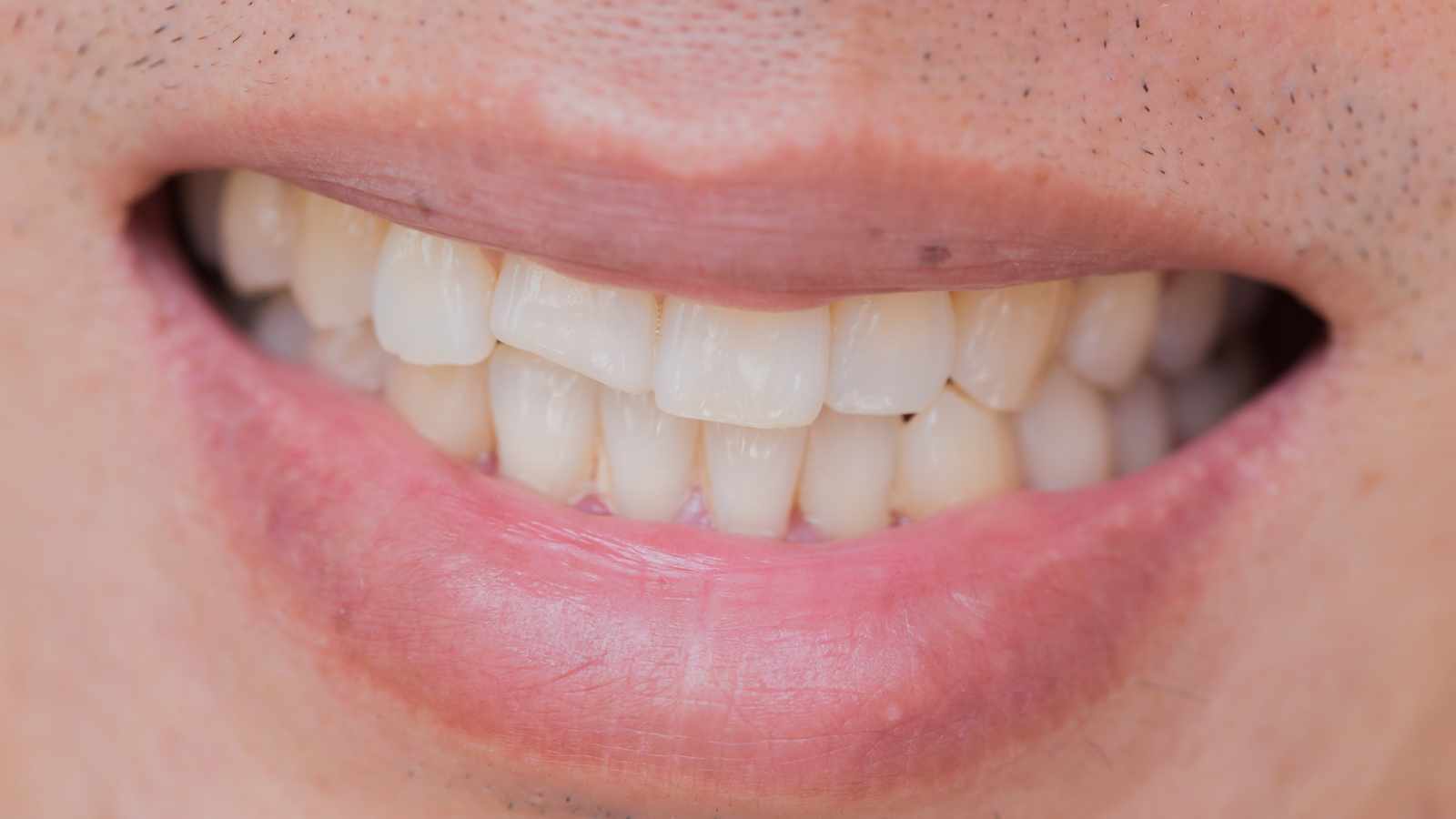
Many people hold tension in their jaw without realizing it, clenching their teeth during the day or grinding them furiously while they sleep. This condition, known as bruxism, can wear down your tooth enamel, cause chips or cracks, and lead to severe jaw pain that radiates into your head. You might wake up with a sore face or a headache and not realize that your own stress is the culprit.
The rise in stress-related dental issues has been sharp and noticeable to professionals across the country recently. The American Dental Association reported that more than 70% of dentists surveyed have seen an increase in patients experiencing teeth grinding and clenching. Protecting your smile might require a mouthguard, but the ultimate cure involves tackling the anxiety that causes the clench.
Memory And Focus Start To Fade

Save this article
Chronic stress floods your brain with chemicals that can actually shrink the hippocampus, the area responsible for memory and learning. You might find yourself forgetting simple details, struggling to concentrate on work, or feeling a persistent “brain fog” that does not go away. This cognitive decline can feel frightening, but it is often a direct result of your brain being overworked by constant worry.
When your mind is cluttered with anxious thoughts, there is simply no bandwidth left for processing new information effectively. This mental exhaustion makes it difficult to stay present in conversations or retain information from meetings, affecting your professional and personal life. Clearing mental clutter is essential for restoring your cognitive sharpness and focus.
Libido And Reproductive Health Decline

Your body prioritizes survival over reproduction when it feels under attack, which means your sex drive often takes a backseat during stressful times. Hormonal imbalances caused by chronic stress can lead to a significant drop in libido, making intimacy feel like a chore rather than a connection. For women, this can also manifest as irregular cycles, while men may experience performance issues that add another layer of anxiety.
This aspect of health is often ignored, but it serves as a clear barometer for your overall stress levels. The loss of intimacy can strain relationships, creating emotional distance that further fuels the stress you are already feeling. Addressing the root cause can help restore hormonal balance and bring back a healthy physical connection.
Skin Issues Flare Up Unexpectedly

Your skin is often a mirror of your internal state, and high stress levels can trigger inflammation that leads to flare-ups of acne, eczema, or psoriasis. The release of cortisol increases oil production in your skin glands, which can clog pores and lead to painful breakouts even if you are well past your teenage years. You might find that your skin routine stops working whenever life gets particularly chaotic.
These visible signs of stress can be embarrassing and add to your overall anxiety levels. Stress also impairs the skin’s barrier function, making it harder for your complexion to heal from wounds or irritation. Calming your mind can often be the best skincare treatment available for stubborn dermatological issues.
Muscle Pain And Stiffness Persist

When you are stressed, your muscles tense up as a reflex reaction to guard against injury and pain. If this tension never releases, it can lead to chronic muscle stiffness, knots, and aches affecting your back, neck, and shoulders. You might feel like you have run a marathon when all you have done is sit at your desk worrying about a deadline.
This physical armoring limits your range of motion and can lead to long-term musculoskeletal disorders if left unchecked. Regular stretching and movement are helpful, but the pain will likely return if the psychological trigger remains active. Your body is physically carrying the weight of your mental burdens.
Blood Sugar Levels Become Unstable

Stress hormones cause your liver to dump extra glucose into your bloodstream to provide energy for a “fight or flight” response. If you do not burn off this energy through physical activity, your blood sugar levels remain chronically high, increasing your risk of developing type 2 diabetes. This biological reaction happens regardless of what you eat, making blood sugar management difficult for stressed individuals.
The fluctuation in glucose can also lead to energy crashes and mood swings throughout the day. Constantly spiking blood sugar wears out your insulin response, creating a metabolic environment that is hostile to good health. Managing stress is a crucial component of diabetes prevention that is often overlooked.
Aging Processes Accelerate

Chronic stress essentially hits the fast-forward button on your body’s aging process by damaging the DNA in your cells. It shortens telomeres, the protective caps at the ends of your chromosomes, which causes cells to age and die faster than they normally would. This premature aging can manifest physically in your appearance and internally in the function of your organs.
The feeling that stress is “aging you” is not just a figure of speech; it is a biological process happening at a cellular level. In 2024, the American Psychiatric Association reported that 43% of adults say they feel more anxious than the previous year, suggesting a widespread acceleration of this aging factor. Slowing down and managing stress is literally the closest thing we have to a fountain of youth.
Fatigue That Sleep Cannot Fix

You might get eight hours of sleep, but still wake up feeling like you have been hit by a truck. This type of bone-deep exhaustion comes from your adrenal glands being overworked and your nervous system being stuck in overdrive for too long. It is a tiredness that coffee cannot touch because it stems from a depleted reserve of physical and emotional energy.
Pushing through this fatigue only leads to burnout and further health complications down the road. According to the APA, more than half of adults, about 52%, report feeling sluggish due to high stress levels, proving how draining modern anxiety can be. Listening to your body’s need for deep rest is the only way to recharge.
Disclaimer – This list is solely the author’s opinion based on research and publicly available information. It is not intended to be professional advice.
Like our content? Be sure to follow us.
How Total Beginners Are Building Wealth Fast in 2025—No Experience Needed

How Total Beginners Are Building Wealth Fast in 2025
I used to think investing was something you did after you were already rich. Like, you needed $10,000 in a suit pocket and a guy named Chad at some fancy firm who knew how to “diversify your portfolio.” Meanwhile, I was just trying to figure out how to stretch $43 to payday.
But a lot has changed. And fast. In 2025, building wealth doesn’t require a finance degree—or even a lot of money. The tools are simpler. The entry points are lower. And believe it or not, total beginners are stacking wins just by starting small and staying consistent.
Click here, and let’s break down how.





