Americans often go about their daily routines without realizing how unusual they might look to outsiders. Lifestyle habits, convenience, and cultural norms shape behaviors that are perfectly normal in the U.S. but might seem quirky or excessive elsewhere.
For example, over 90% of Americans own a car, yet many drive even for short distances that people in other countries might walk or bike. Similarly, 73% of U.S. adults are overweight or obese, reflecting portion sizes, snacking habits, and fast-food consumption that are deeply ingrained in daily life.
Here are 18 things Americans do that seem completely normal to them but surprisingly strange to others, highlighting the unique quirks of daily life in the U.S.
Tipping Everyone, Everywhere

Americans tip not just waitstaff at restaurants but also baristas, hotel staff, valet attendants, taxi drivers, and even salon workers. While 15–20% is typical at restaurants, tipping outside food service can exceed 10% for routine services.
In countries such as Japan or France, tipping is rare or already included, leaving visitors shocked by the constant financial expectation.
Cultural anthropologists suggest this behavior reflects a deeply ingrained combination of capitalism and social etiquette, which encourages individual responsibility for service quality.
Driving Everywhere

Because most U.S. cities and suburbs are designed around cars rather than walking or public transit, Americans routinely drive for trips under a mile, sometimes to get coffee or check mail.
According to the Federal Highway Administration, Americans drive an average of 13,500 miles per person annually, far exceeding global averages. For Europeans and Asians accustomed to compact cities, subways, or walkable neighborhoods, this reliance on personal vehicles can seem inefficient and even excessive.
Eating Huge Portions

Portion sizes in the U.S. are famously large. A 2021 study in Obesity Reviews found that the average restaurant meal in the U.S. contains 28% more calories than comparable meals in Europe or Asia.
Supersized burgers, 32-ounce sodas, and family-size frozen meals create an environment where overeating is normalized, contributing to America’s 42% adult obesity rate, according to the CDC.
To outsiders, the sheer scale of American servings is baffling, often becoming the first thing they notice at a meal.
Speaking Loudly in Public

Americans frequently speak at high volume in public spaces such as airports, restaurants, and stores. Social psychologists link this to cultural values emphasizing assertiveness and self-expression, particularly in competitive or communal environments.
In countries where privacy and subdued public behavior are the norm, Americans can seem unusually loud or even inconsiderate, though it’s typically unintentional.
Asking Strangers Personal Questions

Asking “Where are you from?” or “What do you do?” is standard small talk in the U.S. It fosters friendliness but often surprises foreigners, who consider such questions intrusive.
Anthropologists note this habit reflects the American emphasis on sociability, networking, and establishing immediate rapport, particularly in casual or professional contexts.
Obsession With Coffee Chains

Coffee culture dominates daily life in the U.S., with over 400 million cups consumed per day. Chains like Starbucks, Dunkin’, and local coffee shops create a ritualistic experience where grabbing a latte or Frappuccino is a social and professional norm.
Visitors from countries with smaller-scale cafes often find the ubiquity and loyalty to chains unusual, as Americans treat coffee as both fuel and lifestyle.
Wearing Pajamas in Public

Downtowngal, CC BY-SA 4.0, via Wikimedia Commons
Americans frequently run errands in sweatpants, hoodies, or slippers. While casual dress is normal in many cultures, the ubiquity of pajama-style loungewear outside the home is rare elsewhere.
Anthropologists suggest this trend is linked to prioritizing comfort and speed over formality in everyday life, reflecting broader societal shifts toward relaxed dress codes.
Drinking Sweetened Beverages Constantly
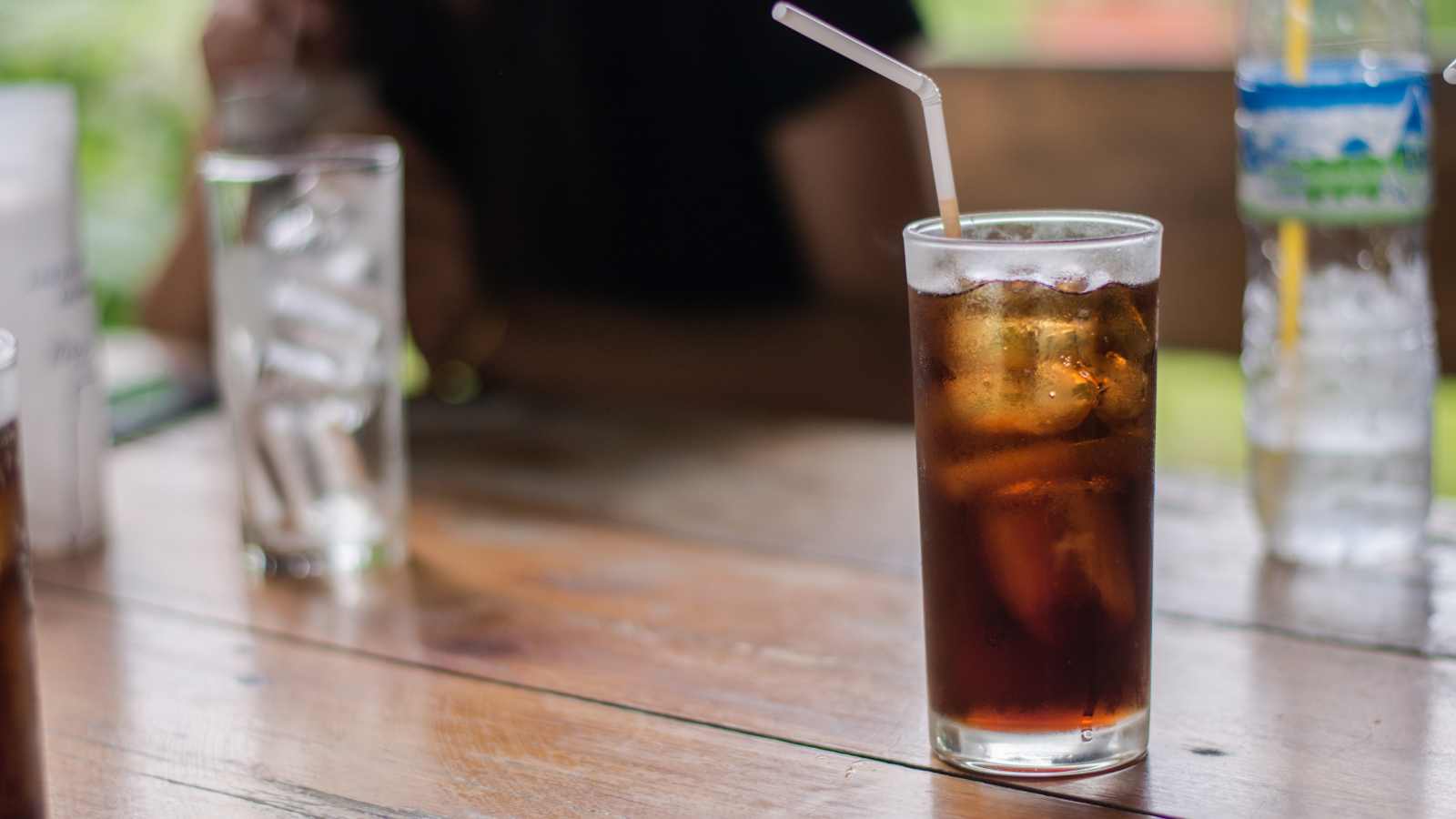
Sugar-sweetened beverages dominate American diets. The CDC reports that over 50% of adults drink sugary drinks daily, often in place of water. Sweet tea, soda, energy drinks, and flavored waters have become cultural staples.
For people from countries where plain water is the norm, this constant sugar intake seems excessive and even unhealthy, highlighting a uniquely American approach to taste and convenience.
Overusing Abbreviations

Americans shorten phrases in both speech and writing, using acronyms like ASAP, DIY, or RSVP constantly. Linguists note that while this can increase efficiency, it can also create confusion for international audiences, who may struggle to follow the cultural shorthand.
This linguistic habit reflects a broader preference for speed and practicality in communication.
Celebrating Every Holiday With Commercial Fervor

Save this article
Holidays that might seem minor, like Halloween, Valentine’s Day, or “National Donut Day,” are often transformed by Americans into major consumer extravaganzas.
Retail sales for these holidays can rival major ones like Christmas. Cultural observers note that this reflects both capitalism and an emphasis on community rituals, even when the significance of the day itself is minimal.
Using “Free” as a Major Motivation

Americans flock to free samples, promotions, and giveaways with an intensity noted by behavioral economists. Research in The Journal of Consumer Psychology suggests that labeling an item “free” triggers an outsized psychological response.
While common in the U.S., this behavior appears excessive in countries where scarcity or minimal consumerism is emphasized.
Driving on the Right, But Passing on the Left Obsession

Americans strictly adhere to the “keep right, pass left” rule on highways. While safety-driven, the rigid enforcement of lane etiquette contrasts with other countries where lane use is more flexible or informal.
Visitors often find it both fascinating and oddly rigid.
Owning Tons of Cars

Many American families own multiple vehicles, even if only one adult drives regularly. With 273 million registered vehicles for roughly 330 million people, car ownership is extraordinarily high.
Internationally, households often rely on public transit or single-vehicle ownership, making the American love for multiple cars appear excessive.
Small Talk About Weather

“How about this weather?” is a quintessential American conversation starter. Anthropologists point out that it functions as a polite icebreaker, helping strangers navigate social interactions without revealing personal information.
Yet to many outsiders, the repetitive focus on weather seems trivial and peculiar.
Extreme Optimism on Surveys

Cross-cultural research shows that Americans routinely rate their health, happiness, and life satisfaction higher than objective metrics suggest. This “positivity bias” reflects cultural norms emphasizing self-confidence, individualism, and a focus on potential.
While it encourages resilience, it may seem exaggerated to people from more critical or modest cultures.
Obsession With Personal Space

Americans maintain about 3–4 feet of personal space in social settings, which is larger than in many Mediterranean, Latin American, or Asian countries.
This strong personal-space preference affects social interactions, workplace layouts, and even public transportation seating, surprising visitors used to closer proximity.
Fridge Overload

Many American homes stock massive refrigerators with dozens of items, from condiments to snack packs, pre-packaged meals, and beverages.
The USDA notes that the average U.S. household throws away around 30% of food purchased, highlighting the intersection of abundance and waste. Smaller kitchens and frequent shopping trips elsewhere make this hoarding habit seem extravagant.
Standing in Line Religiously

Queueing is serious business in the U.S., and at coffee shops, the DMV, or theme parks, Americans generally respect orderly lines.
Sociologists point out that this strict adherence is tied to fairness and social norms, but it can appear obsessive to visitors from countries where queue enforcement is more relaxed or informal.
Key Takeaways
Many American behaviors, from tipping, portion sizes, and coffee obsession to driving habits and public decorum, are products of convenience, consumer culture, and a societal emphasis on personal freedom.
While these habits feel natural to locals, they often appear strange, excessive, or quirky to outsiders. Understanding them provides insight into the uniquely American blend of practicality, optimism, and habit-driven culture.
Disclosure: This article was developed with the assistance of AI and was subsequently reviewed, revised, and approved by our editorial team.
Disclaimer: This list is solely the author’s opinion based on research and publicly available information. It is not intended to be professional advice.
Like our content? Be sure to follow us