

Tech entrepreneur Elon Musk has repeatedly predicted a future where humanoid robots vastly outnumber humans. Speaking at global forums and investor events, he has argued that advances in artificial intelligence, automation, and robotics could lead to billions of humanoid robots operating worldwide within a few decades.
Musk has suggested there could be 10 billion or more robots by around 2040, potentially surpassing the global human population. The prediction isn’t just speculation; it reflects the rapid growth of robotics and AI.
Analysts say the humanoid robotics market, currently valued at about $2–3 billion, could expand to as much as $200 billion by 2035 as machines move into manufacturing, healthcare, logistics, and home services.
Musk believes the combination of cheap AI, mass manufacturing, and economic demand could create a world where robots become as common as smartphones. Here are seven reasons he believes machines may soon outnumber people.
AI is becoming extremely cheap and powerful

Artificial intelligence is advancing rapidly while the cost of computing continues to drop. Musk argues that “ubiquitous AI” that is nearly free could dramatically increase productivity and make it practical to deploy millions, or even billions, of robots across industries.
Cheap AI allows robots to perform complex tasks such as navigating environments, interpreting speech, and learning from data. Instead of expensive specialized machines, companies could deploy general-purpose robots capable of performing many jobs.
Technology analysts say the combination of machine learning and advanced sensors is already pushing robots into roles once thought impossible. Musk believes that once AI software reaches a certain level of capability, scaling robot populations will become inevitable.
Robots could solve labor shortages

Many countries face shrinking workforces due to aging populations and falling birth rates. Musk often points to demographic decline as one of the biggest long-term threats to economic growth.
Humanoid robots could fill labor gaps in sectors such as manufacturing, elder care, agriculture, and construction. Musk has suggested robots might help care for elderly populations in countries where younger workers are becoming scarce.
Economists say automation could offset the workforce decline seen in nations like Japan, South Korea, and parts of Europe. If robots become widely available and affordable, organizations could deploy them wherever human labor is limited.
Robots can perform repetitive or dangerous work
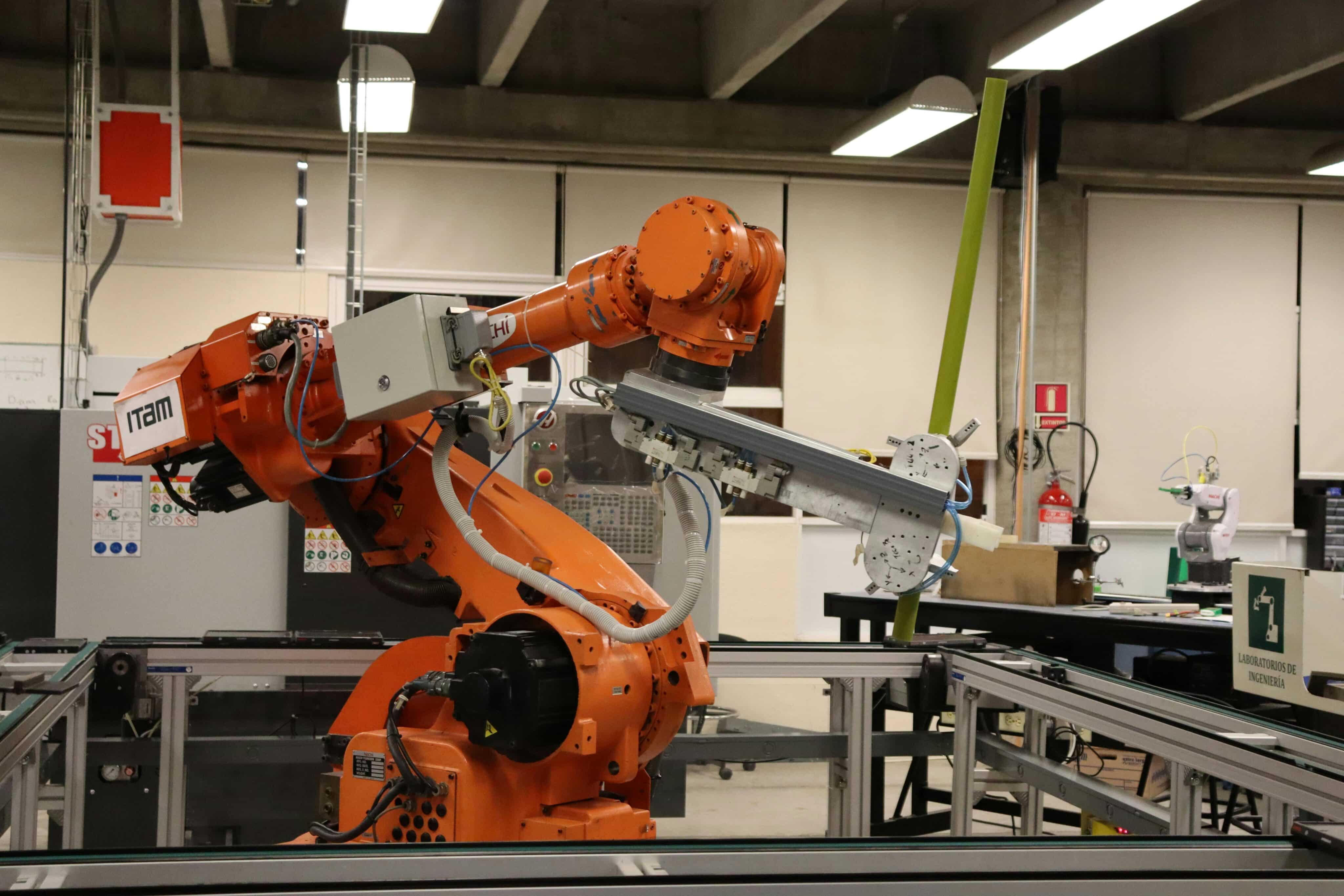
Factories already use industrial robots for welding, assembly, and heavy lifting. Musk believes humanoid robots will extend automation beyond factories into everyday environments.
Tesla’s humanoid robot project, known as Optimus, is designed to handle tasks that are “unsafe, repetitive, or boring,” according to company descriptions.
Construction sites, warehouses, mining operations, and disaster zones all contain jobs that expose workers to risk. Robots could operate continuously without fatigue, making them attractive replacements for hazardous tasks. Over time, this could lead to the massive deployment of robots across industries.
Manufacturing robots is becoming easier
Save this article
Another factor behind Musk’s prediction is mass production. Tesla already operates large-scale automated factories that produce electric vehicles using robotic assembly systems.
Musk believes similar manufacturing techniques could produce humanoid robots in enormous quantities. He has suggested that robots might eventually become the biggest product category ever built, surpassing cars and electronics.
If factories produce millions of robots annually, the global robot population could quickly surpass the human population. Mass production has historically driven down prices in industries like smartphones and cars, enabling widespread adoption.
Robots could power massive economic growth

Musk often describes robotics as a path to “sustainable abundance.” In his view, robots could dramatically increase global economic output by performing physical work at scale. He argues that future economic growth may depend largely on the number of robots and their productivity, rather than on human labor alone.
Robots operating around the clock could build infrastructure, manufacture goods, and deliver services at lower cost. Musk believes this could create an economic boom unlike anything in history.
Personal robots may become household devices

Musk has suggested that humanoid robots could eventually become as common as home appliances. Instead of hiring help, households might own a robot capable of cooking, cleaning, or running errands.
Some analysts compare the potential market to smartphones. Once devices become affordable and widely useful, adoption can skyrocket. Musk has even compared future robots to science-fiction assistants, such as R2-D2-style helpers, and imagines people owning personal robots for daily tasks.
If even a fraction of households worldwide purchased a robot, global robot populations could rapidly exceed the human population.
Automation could redefine the economy

Perhaps Musk’s most radical idea is that widespread automation could transform the very concept of work. If robots perform most labor, societies might shift toward universal income systems or reduced working hours.
Musk has argued that such a world could eliminate extreme poverty and dramatically raise living standards by producing goods and services on an unprecedented scale.
In that scenario, robots wouldn’t just assist humans, they would form the backbone of global production systems, leading to a planet populated by billions of intelligent machines.
Key takeaways

- Elon Musk predicts humanoid robots could outnumber humans by around 2040.
- Advances in AI, mass manufacturing, and falling costs could drive rapid adoption of robots.
- Robots may address labor shortages, perform dangerous work, and boost economic productivity.
- Analysts expect the humanoid robot market to grow from a few billion dollars today to up to $200 billion by 2035.
- Musk believes that widespread robotics could create a future of “sustainable abundance” in which machines handle much of the world’s labor.
Disclaimer: This list is solely the author’s opinion based on research and publicly available information. It is not intended to be professional advice.
Like our content? Be sure to follow us.





