

Across the country, homeowners are discovering that their weekend DIY projects could inadvertently void their insurance policies and result in thousands of dollars in costs.
DIY projects can be so satisfying, right? There is a certain thrill in taking on a home improvement task yourself, from watching a YouTube tutorial to wielding a power tool with newfound confidence. It’s a way to save some cash, add a personal touch to your living space, and even earn some bragging rights when friends come over. But while your handiwork might look fantastic, it could be a ticking time bomb for your home insurance policy.
Many homeowners don’t realize that some of these seemingly innocent projects might be a deal breaker for their insurer. The fine print in your policy can be a real buzzkill, and an unapproved alteration could mean your claim is denied when you need it most. Before you start your next big project, it’s worth taking a beat to consider whether your DIY spirit is worth the risk. A little knowledge now could save you a considerable headache later.
Putting In A New Roof

A new roof is a significant investment, and doing it yourself can save you a substantial amount. But a DIY roofing job is one of the most common reasons an insurance claim is denied. Your insurer wants to verify that a licensed and bonded roofer performed the work.
A leaky roof from a shoddy installation can cause significant water damage, mold, and rot. If you file a claim for this damage, your insurer will likely send an adjuster to look at the work. If they find it wasn’t done professionally, you’ll be out of luck.
Upgrading Electrical Systems
Thinking of swapping out an old circuit breaker or adding a new outlet? Electrical work is one of those areas where a small mistake can have significant consequences, such as a house fire. Insurance companies are very cautious about this. They want to see that the work was done by a licensed professional who understands local building codes.
Going rogue on your home’s wiring is like playing with fire, and your insurance company sees it the same way. An uncertified electrical job might cause a short circuit or an overloaded wire, and if that leads to a fire, your insurer could claim you were negligent. According to a study by the National Fire Protection Association, electrical failures or malfunctions were a factor in an estimated 46,700 home fires between 2015 and 2019.
Installing A Wood-Burning Stove
That cozy, rustic feel of a wood-burning stove is hard to resist, especially in the winter. Adding one yourself might seem simple, but there’s a lot more to it than just placing it in a corner. These installations require proper ventilation, clearance from combustible materials, and a stable, fireproof base. Cutting corners here is a serious fire hazard.
Home insurers need to know that your new heat source meets all safety standards. Without a professional installation and a certificate of compliance, you may find that your policy does not cover any damage caused by the stove.
Adding A Deck Or Patio
Building a new deck or patio sounds like the perfect summer project. It’s a great way to expand your outdoor living space. However, these structures must be built to code, with proper footings, railings, and structural support. A deck that isn’t properly attached to the house could collapse, and that’s a liability your insurance company doesn’t want to assume.
An unpermitted or shoddily built structure could be considered a “material change” to your property. If someone is injured on your new deck, your liability coverage may not provide sufficient protection. Some decks fail inspection, often because of improper structural connections.
Finishing A Basement
Converting a dusty basement into a usable living space can dramatically increase your home’s value and square footage. This project often involves framing walls, running new electrical lines, and maybe even adding a new bathroom. It’s a massive undertaking with many moving parts, all of which must be executed correctly to meet code requirements.
If your basement floods or a fire occurs from a DIY wiring job, your insurer may deny your claim if they discover that the work was done without permits or proper inspection. They can argue that the project increased the risk to the property. It’s not just about the quality of the work; it’s about the formal record of it.
Tearing Down A Wall
That open-concept floor plan is all the rage, and knocking down a wall seems like a simple way to achieve it. But what if that wall is load-bearing? You could compromise the structural integrity of your entire house. The results could be catastrophic, with the roof or upper floors sagging or collapsing.
Home insurance typically doesn’t cover damage resulting from structural failure caused by a homeowner’s alterations. If your house starts to sag after you remove a wall, you’ll be on the hook for all the repair costs. A report by the United Structural Systems says that 6 million American homes have some sort of structural issue, and a DIY wall removal can undoubtedly add to that number.
Installing A Hot Tub Or Pool
A new pool or hot tub can transform your backyard into the neighborhood’s destination. However, these additions come with a whole new set of risks, including drowning hazards and electrical issues. Insurers consider pools and hot tubs “attractive nuisances,” meaning they are things that might draw people onto your property and pose a risk of injury.
Your home insurance policy has a liability portion, but your insurer may refuse to cover an injury claim if you haven’t informed them about the new installation. They need to know so they can adjust your policy limits and premiums to account for the added risk. According to the CDC, there are over 4,000 fatal unintentional drownings a year in the U.S.
Removing A Tree

That large, old tree in your yard might be beautiful, but if it’s getting too close to the house, you may want to consider cutting it down yourself. This is a hazardous job that requires special equipment and skills. A miscalculation could cause a massive tree to crash into your roof, and your insurer might not cover the resulting damage.
If a DIY tree removal goes wrong, your insurer can say the damage was a result of your own negligence. They will ask if a professional arborist was hired. A recent Concentra report shows that arborists and tree trimmers have a fatality rate that is 30 times higher than the national average. This highlights the dangers associated with this work.
Save this article
Building A Shed
A new shed can be a great place to store gardening tools or create a workshop. But sheds often require a building permit, and they must be built to code to withstand storms and other weather events. If your shed is blown away in a storm and damages a neighbor’s property, your insurer may not pay the claim if the structure was not built to code.
Installing A Skylight
Skylights can bring in a lot of natural light, but they are a potential weak point in your roof. A DIY installation of skylights can lead to leaks, water damage, and mold. Without a professional installation, your insurer may deny any water-related claims arising from a faulty skylight. Improper installation remains one of the leading causes of skylight leaks.
Creating A Rental Unit
Converting a basement or a spare room into a separate rental unit is a popular way to earn some extra money. However, this changes the use of your property from a single-family home to a multi-family dwelling. This is a big change, and your insurer must know about it.
Your standard homeowner’s policy is for owner-occupied homes. You need a different type of policy to cover a rental unit. Failure to update your policy could result in your insurer denying a claim from a tenant, or if a fire breaks out in the rental unit, your policy may not cover the resulting damage.
Converting A Garage Into A Living Space
A garage conversion is an excellent way to add more square footage to your home. But this project is more than just throwing down some carpet. It involves insulating the walls, adding heating and cooling, and possibly installing a new plumbing system. All these things require permits and inspections.
If you don’t get the necessary permits, the conversion may be considered illegal. An insurer could deny a claim if something goes wrong, arguing that the space doesn’t meet safety standards.
Upgrading The Plumbing
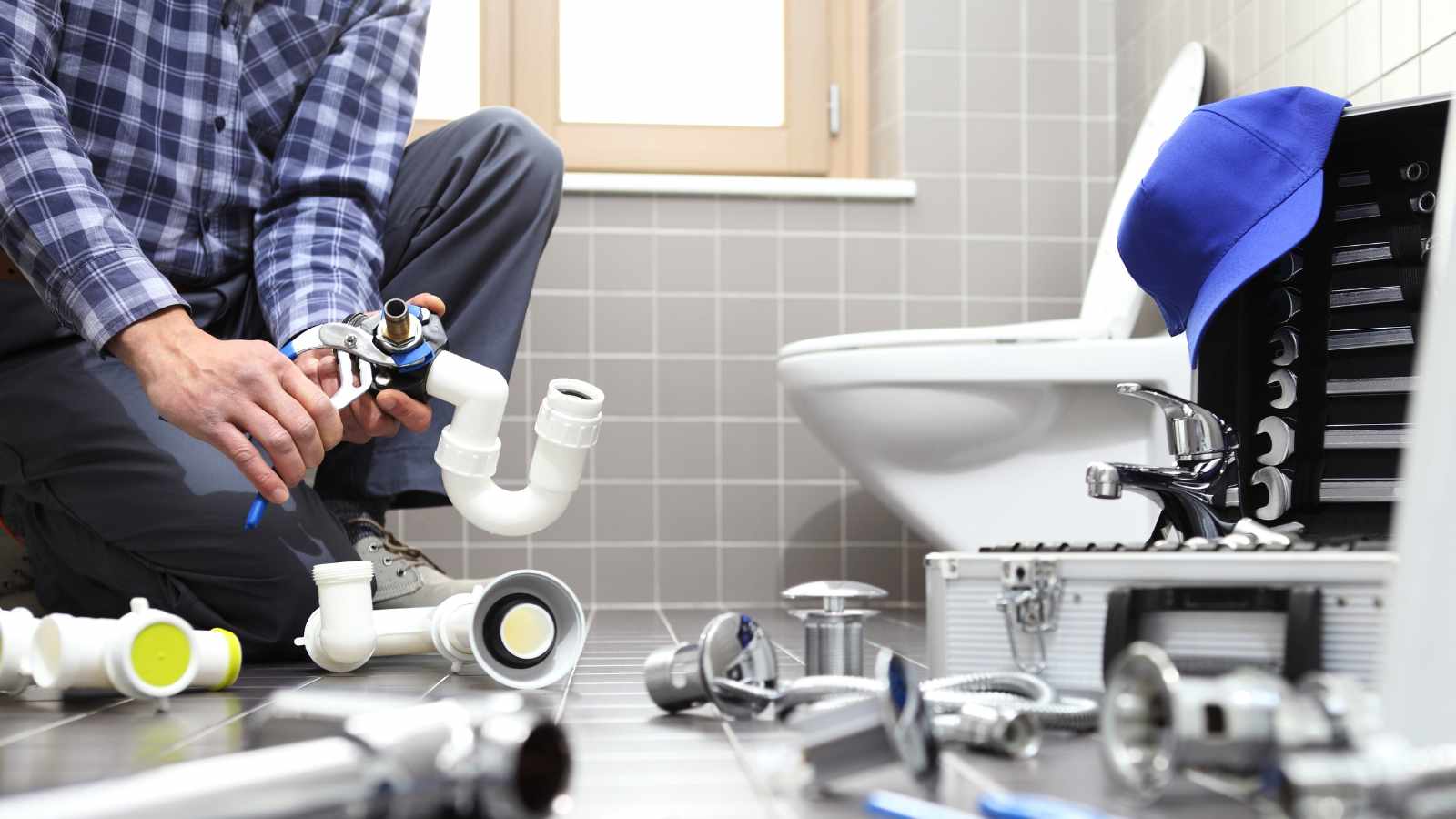
Replacing a toilet or a faucet might be fine, but if you’re thinking about moving a main water line or adding a new bathroom, you’re getting into risky territory. Incorrect plumbing can cause leaks, mold, and serious water damage. An insurer will often ask for proof that a licensed plumber did the work.
Putting In A Trampoline
A trampoline is a magnet for fun, but it’s also a major liability. Many insurers consider them a significant risk due to the high number of injuries associated with them. Some companies will refuse to insure a home with a trampoline, while others will require you to sign an endorsement that excludes all trampoline-related claims. If you put one in without telling your insurer and a child is injured, you could be on your own for the medical bills.
Disclaimer – This list is solely the author’s opinion based on research and publicly available information. It is not intended to be professional advice.
Like our content? Be sure to follow us.
How Total Beginners Are Building Wealth Fast in 2025—No Experience Needed

How Total Beginners Are Building Wealth Fast in 2025
I used to think investing was something you did after you were already rich. Like, you needed $10,000 in a suit pocket and a guy named Chad at some fancy firm who knew how to “diversify your portfolio.” Meanwhile, I was just trying to figure out how to stretch $43 to payday.
But a lot has changed. And fast. In 2025, building wealth doesn’t require a finance degree—or even a lot of money. The tools are simpler. The entry points are lower. And believe it or not, total beginners are stacking wins just by starting small and staying consistent.
Click here and let’s break down how.
5 Easy Steps to Change Any Habit

5 Easy Steps to Change Any Habit
We all click on them with the hope that just THIS time the secret to changing a bad habit or adopting a healthy one will be revealed and we’ll finally be able to stick to that diet, stop that one or ten things that might in the moment make us feel temporarily good but really just make us fat, unhealthy, sad, mad or just frustrated with ourselves.





