
My uncle Bob brushed off the subtle signs—a little numbness here, a strange headache there—until the night a stroke changed everything.
Strokes can feel like they strike out of nowhere, but in reality, our bodies usually whisper warnings long before things get critical. The heartbreaking part is that too often, those whispers get brushed off as stress, fatigue, or “just getting older.” I know this all too well. I lost my uncle Bob to a stroke, and looking back, there were signs none of us realized were serious until it was too late.
As reported by the CDC, strokes are a leading cause of serious long-term disability in the U.S., and about 795,000 people experience one each year. Every 40 seconds, someone in the U.S. has a stroke. And every 3 minutes and 14 seconds, someone dies from one. The good news? Many strokes can be prevented if we learn to spot and act on these subtle signals early.
So, let’s go through the key signs your body might be trying to send you.
Sudden weakness or numbness

One of the most common early signs is weakness or numbness in the arm or leg, especially on just one side of the body. It can feel like your hand suddenly “goes to sleep” or you can’t quite grip something.
The American Stroke Association calls this one of the key FAST symptoms (Face drooping, Arm weakness, Speech difficulties, Time to call 911). Even if the sensation fades after a few minutes, it’s still a red flag.
Temporary symptoms like these could mean a transient ischemic attack (TIA), which often comes before a full stroke.
Blurred or sudden vision problems

Around 30% of stroke survivors have visual field loss, leaving a blind spot in what was once part of their everyday line of sight. If your eyesight suddenly gets blurry, double, or you lose vision in one eye, it’s not something to ignore.
Vision changes can be a key sign that blood flow to the brain is interrupted. Some people describe it as a “shade” dropping over their eye for a moment. It’s easy to chalk this up to fatigue, but it deserves attention.
Tingling in the hands or feet

Sometimes it’s not full numbness but a pins-and-needles sensation. Tingling that appears suddenly, especially on just one side of the body, can be an early sign. Unlike when your foot “falls asleep,” this feeling doesn’t always fade quickly.
Neurologists note that tingling often accompanies weakness or heaviness in the affected area. It’s subtle but worth taking seriously.
Slurred or jumbled speech

Struggling to find the right words or hearing yourself slur when you speak can be an early indicator, Buoy Health indicates. Sometimes, people don’t even realize their speech is off until someone else points it out.
The key is the suddenness: one minute you’re fine, the next words just won’t come out right. Speech problems are caused by reduced blood flow to the part of the brain that controls language. It’s a sign you don’t want to ignore.
Sudden nausea or vomiting

Out-of-the-blue nausea, especially when paired with dizziness or headache, can be linked to a stroke. This symptom is often tied to strokes in the cerebellum, which controls balance and coordination.
Many people mistake it for a stomach bug, but timing is everything. If it happens suddenly alongside other red flags, it’s worth immediate attention. Vomiting alone might not mean much, but in context, it matters.
Sudden dizziness or loss of balance

Feeling like the room is spinning or suddenly stumbling when you walk could signal a problem. A stroke can affect the brain’s coordination centers, making balance tricky. While dizziness can result from various causes, such as low blood sugar or dehydration, it’s the sudden, intense kind that’s concerning.
According to the Cleveland Clinic, cerebellar strokes frequently begin with symptoms like sudden dizziness, imbalance, and coordination problems. If it hits out of nowhere, it’s worth checking.
Brief episodes that come and go

Perhaps the trickiest sign of all is when symptoms appear briefly, then vanish. These are often TIAs, sometimes called “mini-strokes,” and they’re huge predictors of a future stroke.
The American Stroke Association reports that about one in three people who experience a TIA will eventually have a full stroke, often within a year. The danger is in brushing it off once you feel “normal” again. However, these episodes serve as a rehearsal for the real thing.
A severe headache with no clear cause

Most headaches aren’t strokes, but a sudden, severe one, sometimes described as the “worst headache of your life,” is a classic warning. This type of pain can signal a hemorrhagic stroke, where a blood vessel in the brain has ruptured.
It usually comes on fast and doesn’t feel like a normal tension or sinus headache. Mayo Clinic doctors stress that if a headache is paired with nausea, vision problems, or confusion, it’s even more urgent. That’s the kind of pain that shouldn’t be slept off.
Trouble understanding others

Save this article
Sometimes the words make it to your ears, but your brain can’t quite process them. You might hear someone speaking clearly but feel like they’re talking in another language.
This can be frightening and confusing in the moment. It happens when a stroke interrupts the brain’s language comprehension centers. Even if it clears up quickly, it’s a serious signal that something is wrong.
Sudden confusion or memory trouble

For some, the warning sign is more about confusion than physical symptoms. A stroke disrupts blood flow to parts of the brain, depriving cells of oxygen and nutrients.
If the affected area includes regions responsible for memory, such as the hippocampus, frontal lobes, or temporal lobes, the result can be significant memory impairment. You might suddenly forget where you are, what you were doing, or struggle to follow a simple conversation.
Memory lapses from stroke tend to appear suddenly, unlike dementia, which progresses slowly. If confusion comes on in an instant, it’s a different story. Quick changes like that are your body waving a red flag.
Numbness in the face that feels odd

One small but telling sign is when one side of your face feels numb, heavy, or even looks a little droopy. Sometimes people notice it first while smiling or trying to take a sip of water.
This symptom is directly tied to the FAST warning signs, and it’s one of the most recognizable indicators. Friends or family often spot it before the person experiencing it does. If your face doesn’t “cooperate,” it’s time to act.
Difficulty walking a straight line

If you suddenly find yourself veering to one side when walking, that could be a neurological warning. It may feel like you’re drunk or disoriented, even though you haven’t had a drop of alcohol.
This happens when blood flow is interrupted in the brain’s motor control areas. Stroke-related walking difficulties can come on suddenly without warning. It’s often paired with dizziness, but not always.
Unexplained fatigue

Extreme tiredness that hits suddenly can also signal trouble. Stroke-related fatigue isn’t the same as being sleepy after a long day; it feels overwhelming, like your body is shutting down.
Research published in the journal Stroke found that post-stroke fatigue affects up to 47% of survivors. Sometimes, the exhaustion starts before the stroke itself. If it’s paired with other symptoms, it’s a big warning sign.
Key takeaways

Strokes often give early warning signs. Symptoms like sudden numbness, weakness, vision changes, speech issues, or severe headaches shouldn’t be ignored, even if they fade quickly.
Transient ischemic attacks (TIAs) are major red flags. These “mini-strokes” mimic stroke symptoms but resolve within minutes, and they often precede a full stroke.
Not all warning signs are physical. Confusion, memory trouble, difficulty understanding speech, or unexplained fatigue can also indicate reduced blood flow to the brain.
Immediate action saves lives. Recognizing FAST symptoms (Face drooping, Arm weakness, Speech problems, Time to call 911) and seeking urgent care can prevent disability or death.
Disclaimer – This list is solely the author’s opinion based on research and publicly available information. It is not intended to be professional advice.
16 grocery staples to stock up on before prices spike again
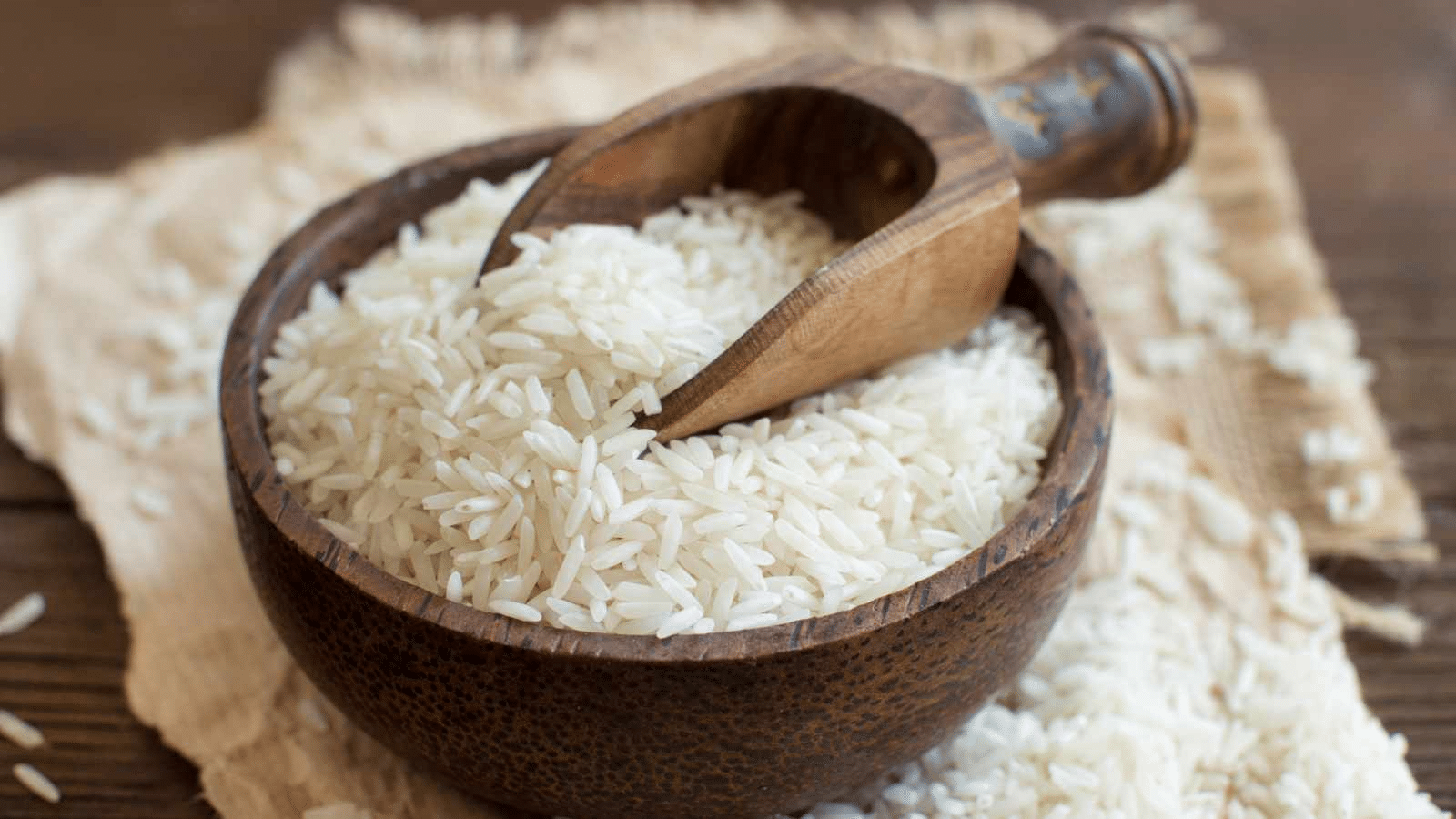
16 Grocery Staples to Stock Up On Before Prices Spike Again
I was in the grocery store the other day, and it hit me—I’m buying the same things I always do, but my bill just keeps getting higher. Like, I swear I just blinked, and suddenly eggs are a luxury item. What’s going on?
Inflation, supply-chain delays, and erratic weather conditions have modestly (or, let’s face it, dramatically) pushed the prices of staples ever higher. The USDA reports that food prices climbed an additional 2.9% year over year in May 2025—and that’s after the inflation storm of 2022–2023.
So, if you’ve got room in a pantry, freezer, or even a couple of extra shelves, now might be a good moment to stock up on these staple groceries—before the prices rise later.
6 gas station chains with food so good it’s worth driving out of your way for
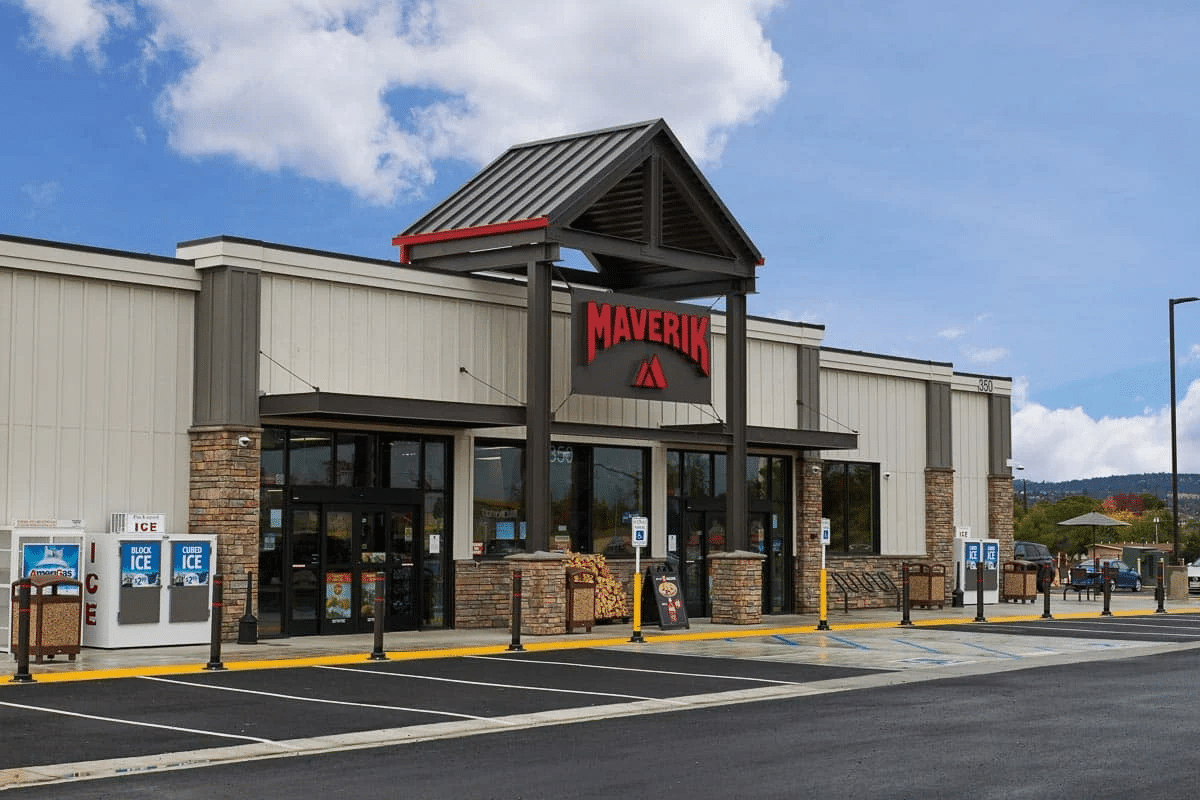
6 Gas Station Chains With Food So Good It’s Worth Driving Out Of Your Way For
We scoured the Internet to see what people had to say about gas station food. If you think the only things available are wrinkled hot dogs of indeterminate age and day-glow slushies, we’ve got great, tasty news for you. Whether it becomes part of a routine or your only resource on a long car trip, we have the food information you need.
Let’s look at six gas stations that folks can’t get enough of and see what they have for you to eat.





