

As airports tighten security, documentation, and boarding procedures, even minor traveler errors are increasingly resulting in denied boarding.
Air travel is stressful enough, but one small mistake can turn a planned trip into a missed flight. Even experienced travelers slip up—packing the wrong item, showing up with outdated ID, or forgetting a key step at security. With new rules, stricter screenings, and tighter timelines, the margin for error keeps shrinking.
In this article, we’re breaking down 13 common airport mistakes that can actually prevent you from getting on your flight. Some are easy to avoid once you know them—others catch people off guard every day. Knowing what to look out for could be the difference between boarding on time and watching your plane take off without you.
Arriving Too Late for Check-In or Boarding
Strict airline cut-off times—usually 45–60 minutes for domestic flights and 60–90 minutes for international—mean that showing up even seconds after the deadline often leads to denied boarding. Staff cannot override these rules, no matter whether the plane remains at the gate. Major U.S. carriers denied boarding to approximately 316,000 passengers in 2024, and late arrivals remain one of the leading causes.
Gate deadlines are equally unforgiving: If you aren’t at the gate when doors close (often 15 minutes before departure), your seat may be given away. Over 6 million global travelers are denied boarding each year due to factors like missing these strict check-in windows. Airlines cite timeliness as essential to meeting security and scheduling demands.
Not Having the Required Travel Documents
Missing or invalid documents, including passports, visas, or onward travel proof, can instantly bar you from your flight. Some countries mandate that your passport extend at least six months beyond your travel date. Globally, improper documentation remains a leading cause of “inadmissible passengers” (INADs), resulting in significant inconvenience and airline fines of up to $10,000 per person.
Airlines and border officials use systems like IATA’s Timatic to enforce these rules. INAD cases account for less than 1% of travelers but still lead to millions in fines and compliance costs each year.
Having a Damaged or Invalid Passport
Airlines face steep penalties if they transport passengers with passports showing damage such as torn pages, water stains, or broken chips. Even minor imperfections risk having your document flagged as fraudulent or unreadable, leading to denied boarding. Multiple anecdotal cases show that even small blemishes have led to missed flights and expensive rebooking fees.
A traveler with a damaged passport may be denied boarding and receive no refund. The decision is ultimately up to airport staff and the rules of the departure country.
Name Mismatch Between Ticket and ID
An exact match between the name on your ticket and your government-issued ID is strictly required. Small discrepancies—such as misspellings, missing middle names, or swapped surnames—can invalidate your reservation. In a recent case, a traveler had to buy a new ticket because her boarding pass didn’t match her ID. The airline refused to check her in, even after she tried to correct the mistake.
Nearly every major airline enforces this rule without exception, making it among the most avoidable but costly mistakes.
Violating Airline Carry-On Size or Weight Limits
Oversized or overweight carry-ons can trigger denied boarding if you cannot pay to check the bag or offload items. Most airlines cap carry-ons at 22 x 14 x 9 inches, but enforcement varies, and some carriers are stricter than others. Refusal to comply results in legal grounds for flight denial.
Travelers often face extra fees of $50–$100 at the gate. Repeat violations can lead to denied boarding if staff label you as noncompliant with baggage rules.
Being Intoxicated or Appearing Unfit to Fly
Signs of drunkenness, sedation, or aggressive behavior are enough for staff to deny boarding under “fit to fly” rules. Federal aviation law in the U.S. and most countries empowers staff to remove unfit passengers and even inform law enforcement if there’s disruptive or risky behavior. Those found intoxicated may lose their ticket value and occasionally face bans or legal penalties for repeat offenses.
Each year, thousands of passengers are denied for intoxication or unruly conduct, reflecting airlines’ priority on safety and crew authority.
Security Issues With Your Luggage
Bags containing prohibited items—such as weapons, explosives, or oversized liquids—instantly trigger delays and can result in denied boarding until the issue is resolved. U.S. authorities screen over 4.5 million bags daily using a mix of technology and manual checks to intercept such risks. Undeclared restricted items can delay flights or get your bag removed from the manifest.
Failure to comply with security or staff during baggage checks can also lead to loss of boarding privileges for that flight.
Being Flagged for Additional Screening and Refusing It
Random pat-downs, secondary inspections, or chemical swabs are mandatory procedures at many airports. Refusing these security measures results in immediate flight denial.
Both TSA and international authorities make clear that resistance to additional screening protocols is a zero-tolerance trigger for loss of boarding rights.
Save this article
Not Having Necessary Health Documents
Numerous destinations require COVID-19 vaccinations, negative health tests, or proof of immunizations (like yellow fever) for entry. Missing these documents remains a common reason for denied boarding—even with all other documents in order.
During COVID, millions of passengers were stopped for missing required health documents. Many countries still enforce similar health entry rules today.
Being Too Late at the Gate
Even after clearing security, arriving at the gate late—sometimes just seconds after the final call—will forfeit your seat. Airlines often close gates 15 minutes before takeoff as a hard deadline, and once the door is closed, staff are not permitted to reopen it. Plenty of travelers have been turned away at the last moment, often resulting in missed connections and further delays.
Over 6 million air travelers are affected annually by denied boarding for a variety of reasons, and missed gate deadlines are a major contributor.
Traveling With an Expired ID for Domestic Flights
Domestic flights require a valid, government-issued ID—expired IDs are rarely accepted except for rare exceptions with supporting documents. After May 2025, TSA began requiring REAL ID-compliant documents.
Using an expired ID can add up to 20% more time at security and may even lead to denied entry. Airlines may have policies even stricter than TSA guidelines.
Not Meeting Airline Rules for Traveling With Children

Missed documentation (parental consent letters, birth certificates, or passport issues for children) prompts rigid denial to prevent trafficking and child abduction. Gate agents frequently require specific documentation for solo or one-parent travel, and missing even one form can result in missed flights.
Travelers have reported being turned away at the gate due to a lack of proof of relationship, custody papers, or parental permission—no amount of pleading can change the outcome when rules are involved.
Violating Airline Behavioral Policies
Aggressive behavior, refusing crew instructions, making threats, or filming staff in restricted areas are all causes for denial under disruptive passenger policies. U.S. carriers denied boarding to roughly 25,000 passengers for “involuntary” reasons, such as unruly behavior, in 2024 alone.
Safety, security, and public order are the top priorities for gate staff and flight crew, and any perceived threat is generally met with a blanket refusal to board. Crew statements are usually backed by company and federal policy, making appeals unsuccessful.
More articles:
- 11 charming Southern cities where you can retire on $1,400 a month
- Top 12 worst cities in America
- These 12 U.S. cities are growing so quickly residents feel overwhelmed
The most expensive cities to live in the world
ElmaNuffic/Pixabay
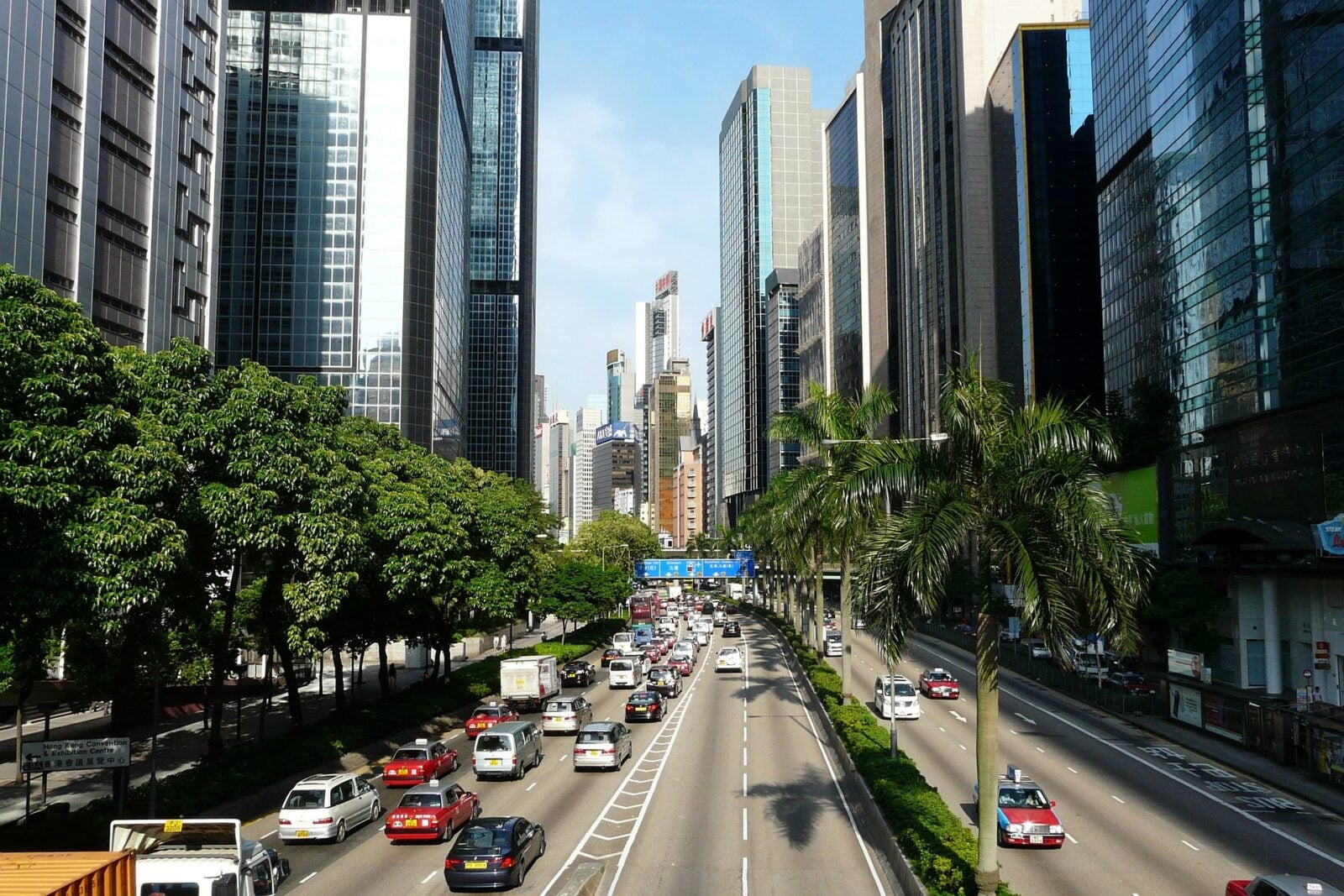
As inflation bites worldwide, a new ranking reveals the cities where simply getting by now costs a small fortune.
Curiosity about the cost of living often leads us to wonder just how far our paychecks would stretch in different corners of the globe. With inflation tightening its grip globally, the price of essentials like housing, transport, and even a simple morning espresso has skyrocketed in major metropolitan hubs. For many American families, watching these financial trends offers a fascinating, if somewhat shocking, glimpse into the global economy. Learn more.
12 Most Tourist-Friendly Cities Around the World

Data from Statista shows that Istanbul welcomed over 20 million international visitors in 2023 and London nearly 19 million, yet newer traveler surveys suggest the cities people remember most are the ones where locals actively help, smile, and make strangers feel at home.
When it comes to travel, some cities go above and beyond to make visitors feel welcome and comfortable. Whether it’s their easy public transport, friendly locals, or top-tier hospitality, these cities stand out as tourist-friendly destinations. Learn more.





