

Behind every freshly made hotel bed is a worker racing against a 30-minute clock and the costly habits guests rarely think twice about.
I’ve stayed in enough hotels to know this truth: the room always looks worse right before checkout. You’re rushing, half-packed, and telling yourself, “It’s fine they clean for a living.”
But here’s the thing: most guests never consider that hotel housekeepers work under intense time pressure, and certain guest habits make their jobs way harder than they need to be.
Housekeeping consistently ranks among the most physically demanding hotel roles. Studies from hospitality labor groups show that housekeepers clean 15–20 rooms per shift, often in under 30 minutes each.
So yeah, some checkout habits really test their patience. Let’s talk about the things housekeepers wish guests would stop doing and what a little awareness can change.
Leaving the room in complete chaos
A messy room happens. A disaster zone tells a different story. I’ve checked out of rooms where I felt secondhand embarrassment just closing the door.
Housekeepers report that excessive clutter significantly slows cleaning time, throwing off their entire shift. Piles of trash, clothes everywhere, and food containers scattered across the room don’t just look bad; they create unnecessary physical strain.
Mixing trash with towels and sheets
This one surprises people. Guests often toss trash into the towel piles, thinking they’re helping. They don’t. Housekeepers sort laundry manually, and hidden trash increases the risk of injury, especially from sharp objects or food waste.
According to occupational safety reports, improper trash disposal contributes to frequent hand injuries in hotel staff.
Using towels as all-purpose cleaning rags
Towels handle makeup and water just fine. Shoe polish, hair dye, or spilled wine? Not so much. Hotels often replace heavily stained linens, and that replacement cost adds up.
Research from hotel associations shows that linen damage ranks among the top preventable operating expenses. IMO, towels didn’t sign up for crime scene cleanup.
Ignoring the “do not disturb” etiquette at checkout
Some guests leave the “Do Not Disturb” sign on until hours after checkout. That creates confusion and delays room turnover. Housekeepers often must knock repeatedly or wait for confirmation, which cuts into cleaning time.
Hotels rely on tight schedules, especially during high occupancy. That small oversight causes bigger ripple effects than guests realize.
Leaving food out to rot
Room service leftovers happen. Leaving half-eaten food exposed overnight? That’s rough. Food attracts pests quickly, and pest infestations pose serious health risks.
Studies in hospitality hygiene show that food residue ranks as a leading cause of in-room pest incidents. No one wants ants as surprise roommates.
Treating checkout time like a suggestion
Late checkouts without approval put housekeepers in a bind. They can’t clean occupied rooms, and schedules collapse fast.
Housekeepers often work on tight cleaning windows between guests. When one room runs late, several others feel the impact. That domino effect stresses staff more than guests realize.
Smoking in non-smoking rooms
Hotels fine guests for smoking indoors for a reason. Smoke damage doesn’t vanish with fresh air. Housekeepers face additional health risks when cleaning smoke-filled rooms.
Research from indoor air quality studies shows that thirdhand smoke residue lingers on surfaces long after smoking stops. FYI, that smell sticks way longer than people think.
Leaving personal items hidden everywhere
Guests sometimes stash items in drawers, under beds, or inside pillowcases. Housekeepers must check every spot carefully.
Save this article
Lost-item searches slow down cleaning and increase mental strain. According to hotel operations data, lost-and-found handling adds significant time to housekeeping tasks. Clear spaces make everyone’s day easier.
Using the bed as a dining table
Eating in bed feels luxurious until crumbs enter every crevice. Mattresses trap debris easily, and deep cleaning takes time.
Hotels replace mattresses far less often than guests think. Research shows that excess food debris accelerates mattress wear and hygiene issues. Crumbs don’t respect luxury linens.
Leaving wet towels in piles
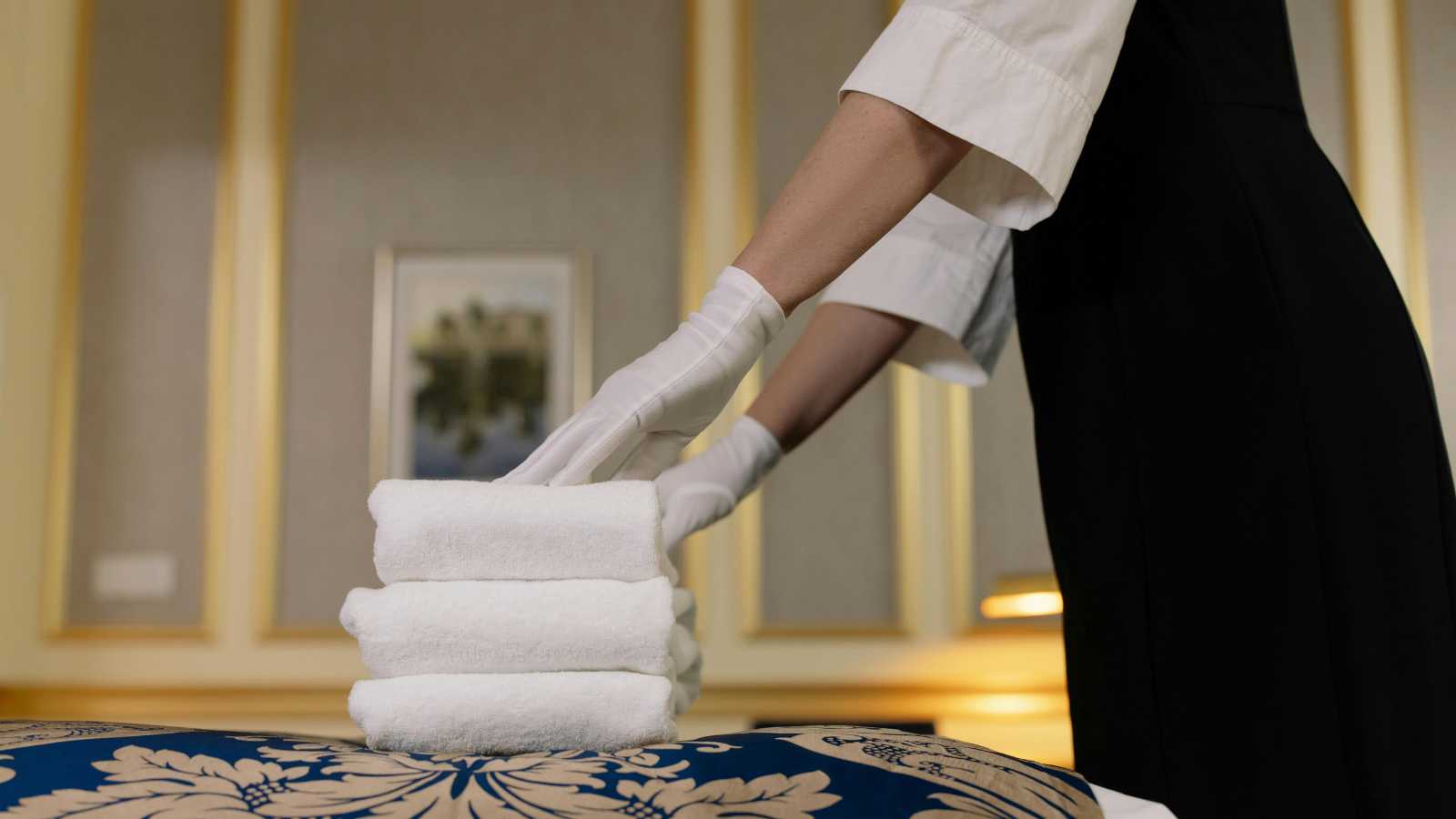
Wet towels left in heaps quickly create a risk of mildew. Mold grows quicker than people expect. Housekeepers must separate, treat, and, if necessary, discard damp linens.
According to laundry sanitation guidelines, improper drying can significantly increase bacterial growth within hours. Hanging towels helps more than you’d guess.
Forgetting to tip or assuming it’s included
Tipping housekeeping remains optional in many places, but it matters. Studies from hospitality worker surveys show that less than one-third of guests tip housekeepers, despite daily room cleaning.
Housekeepers often earn near-minimum wages and rely on tips for supplemental income. Even a small tip signals appreciation. Ever notice how gratitude changes effort?
Assuming “they’ll just replace it.”
Broken items, stained linens, and missing amenities add up. Hotels track these losses closely.
Operational reports show that preventable room damage costs hotels millions of dollars annually, affecting staffing and wages. Respecting the space helps protect the people who maintain it.
Conclusion: Courtesy costs nothing, but it pays off
Most guests don’t mean harm; they don’t see what happens after checkout. Housekeepers carry the physical load of hospitality, often behind the scenes and under tight deadlines.
Next time you pack up and grab your keycard, pause for a second. Leave the room the way you’d want someone else to find it. Your small choices can turn an exhausting shift into a manageable one, and honestly, that feels like a win for everyone.
More articles:
- Why you’re being asked to tip for almost everything now
- They’re not loud—but Gen X is quietly running the economy
- 12 things that used to be free but now cost money
- 10 money habits boomers see as normal that can lead to financial trouble
Disclosure: This article was developed with the assistance of AI and was subsequently reviewed, revised, and approved by our editorial team.
Like our content? Be sure to follow us on Newsbreak.
Tipping is getting excessive: 12 things you shouldn’t tip for
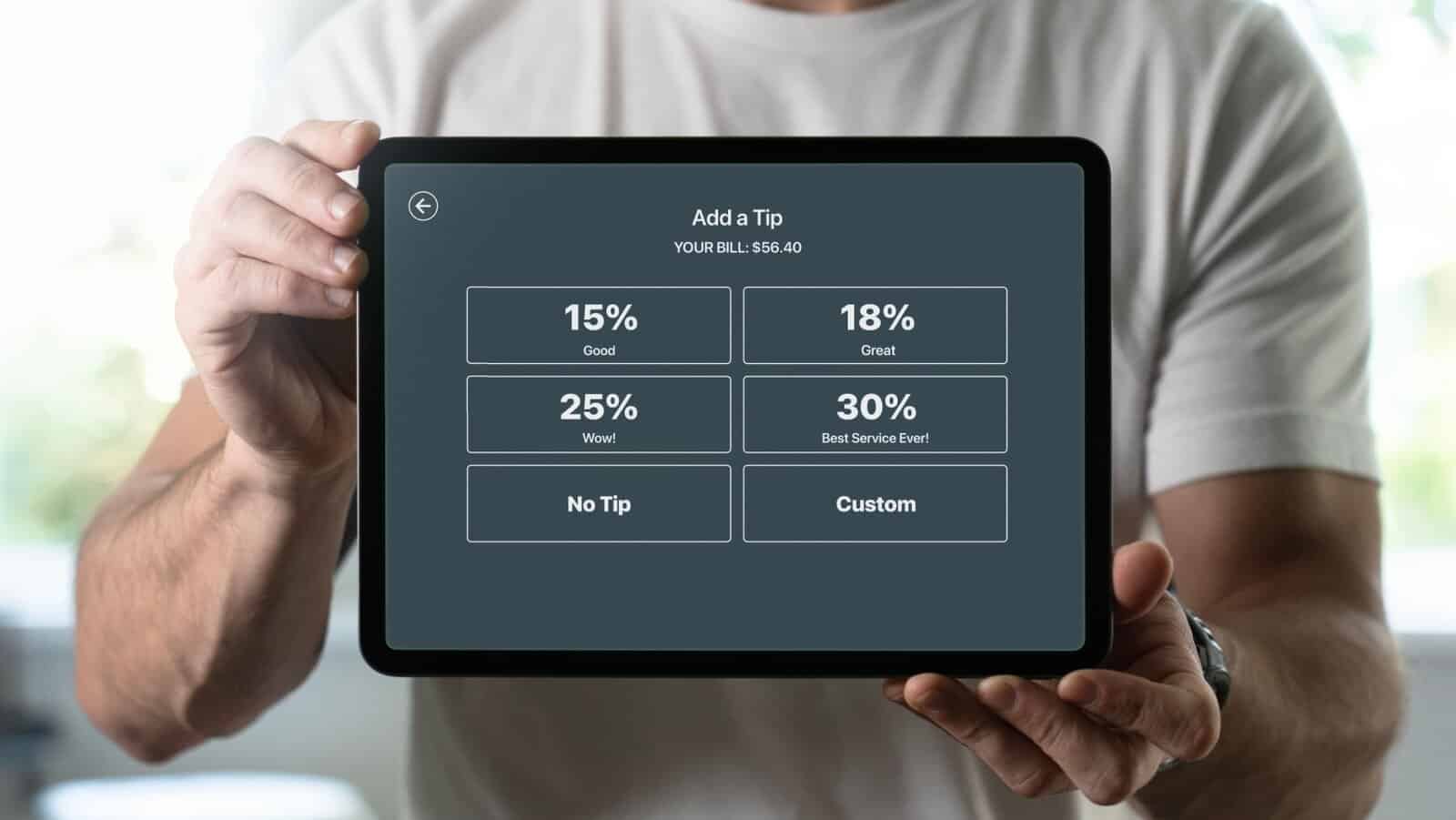
As digital payment systems expand tipping prompts into everyday transactions, many consumers are questioning where gratuity expectations should reasonably end. In fact, around 60% of people say they’re fed up with being asked to tip in more situations, and many admit they’ve tipped when they didn’t think it was warranted, according to a nationwide study of 1,000 U.S. consumers by Popmenu, a leader in restaurant technology that works with more than 10,000 restaurants.
It used to be simple: you sat down for a meal, a waiter brought your plate, and you left a little something extra for the effort. These days, it feels like every screen you touch is asking for a percentage of your money before you even get a chance to blink. Learn more.
Tipping isn’t just politeness. You might actually be getting played

Tipping often feels like a small, voluntary gesture, a quiet way to reward good service. Yet in many cases, it is less spontaneous than it seems. Research from the National Bureau of Economic Research suggests that tip prompts and default percentages can significantly influence how much people leave.
This effect persists even when service quality remains the same. What feels like generosity can be subtly guided by design. Learn more.





