

Tipping often feels like a small, voluntary gesture, a quiet way to reward good service. Yet in many cases, it is less spontaneous than it seems. Research from the National Bureau of Economic Research suggests that tip prompts and default percentages can significantly influence how much people leave.
This effect persists even when service quality remains the same. What feels like generosity can be subtly guided by design.
This is where the line between politeness and pressure begins to blur. Digital payment screens, social expectations, and carefully framed options all nudge decisions in real time.
Many customers tip not because they fully choose to, but because declining feels uncomfortable or visible. The act remains voluntary on paper, yet in practice it often operates as a quiet system of persuasion, shaping behavior without ever announcing itself.
The screen that stares you down
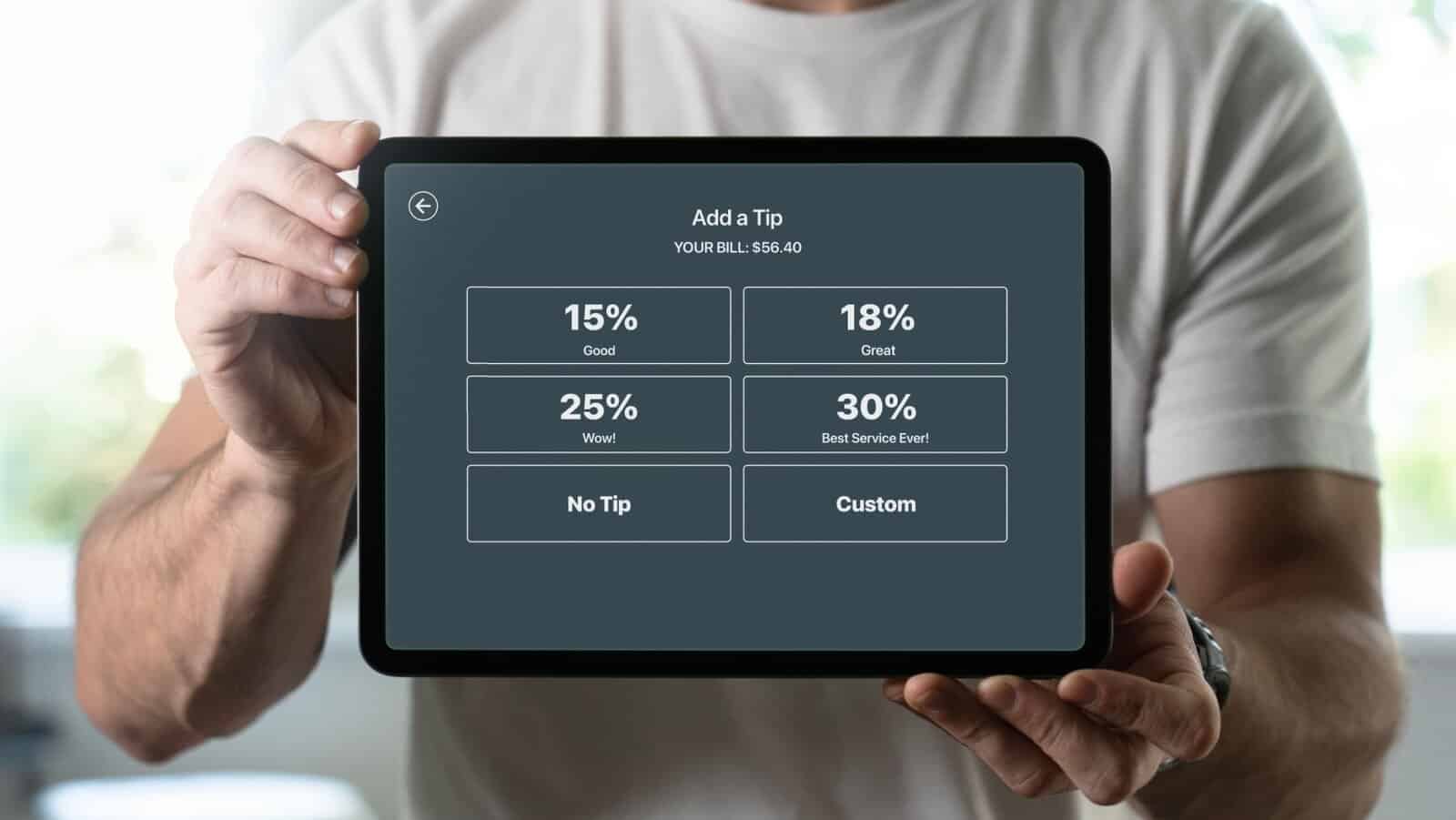
The swivel tablet looks harmless until it turns to face you, glowing with preset tip buttons that feel less like options and more like judgment. You are not just paying. You are performing. Behavioral economists call this “social pressure at point of sale,” that prickly feeling that someone is watching even when the cashier politely looks away.
The Pew Research Center reported in 2023 that 72 percent of U.S. adults say tipping is expected in more places today than it was five years ago, a shift often labeled “tipflation.” Square’s 2025 report shows the average tip on food and drink slipping from 15.5 percent in 2023 to 14.9 percent, even as prompts spread. The tablets keep asking for more, while wallets quietly push back.
When “optional” starts to feel mandatory

On menus and checkout screens, tipping is described as voluntary. Yet the psychology feels closer to a tax you are embarrassed to question. The line between generosity and obligation has blurred, and the guilt often arrives before the food.
In its 2025 tipping survey, Bankrate found that 63 percent of Americans now have a negative view of tipping, with many agreeing that businesses should pay workers better rather than relying on tips. A 2023 Bankrate report also found two‑thirds of adults hold at least one negative opinion of modern tipping culture, including the belief that it is “out of control.” People are not just tired. They feel cornered.
The generational tip gap
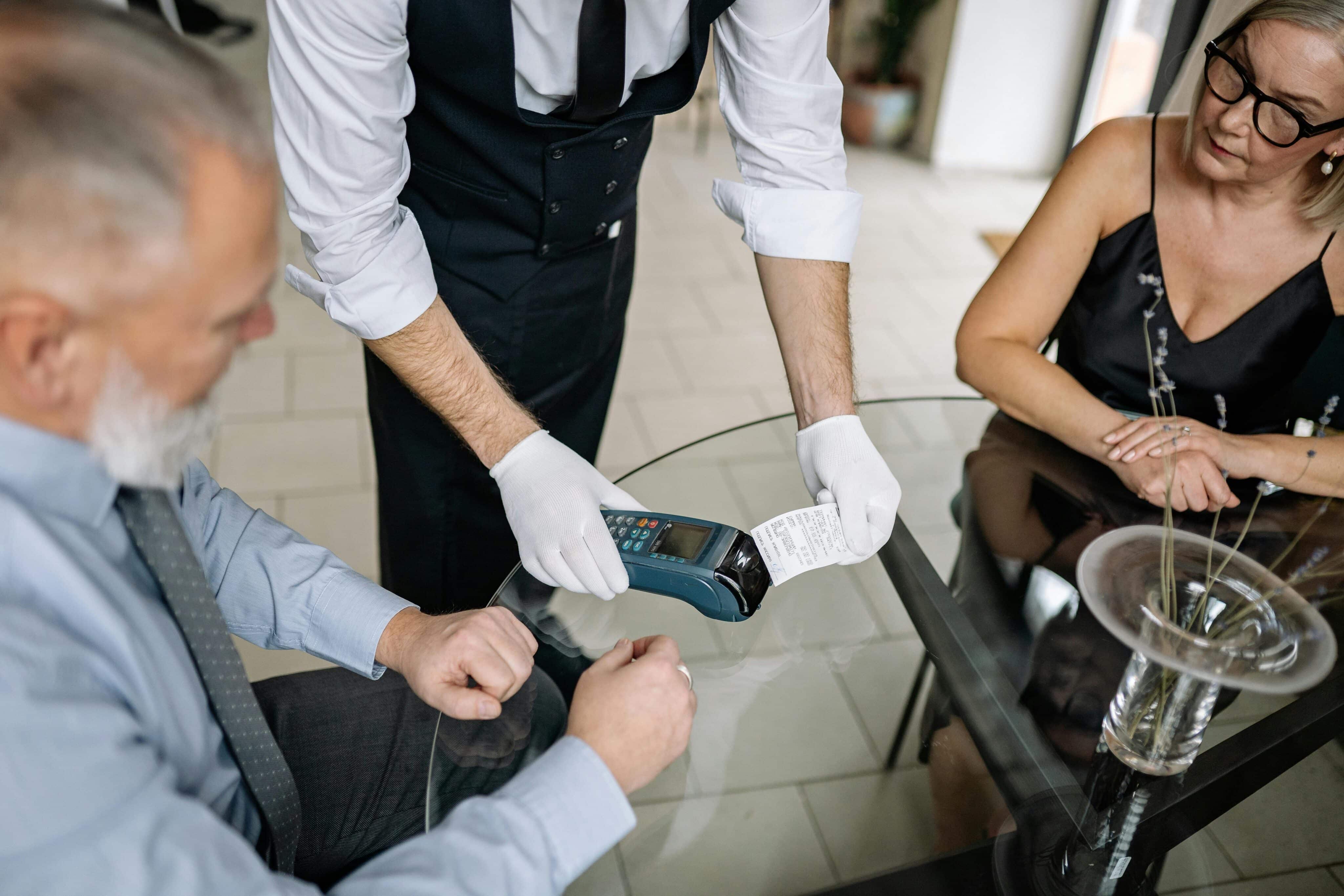
At the counter, the same prompt hits differently depending on the birth year. A boomer might see a moral duty. A Gen Z customer might see a broken business model and a tight budget colliding. The tip screen sits in the middle, waiting to see who flinches first.
Bankrate’s 2023 tipping survey found that Gen Z adults were the least likely to tip across common scenarios like dining out and haircuts, while baby boomers tipped most consistently. Yet the same survey showed younger adults were also among those most annoyed by constant requests for tips, reflecting a clash between expectations and income. The result is a quiet generational cold war at the register.
The math you never really see

Those perky 20 percent and 25 percent buttons look straightforward, but the math underneath is rarely explained. Are you tipping on tax, on service fees, or a price that already includes higher wages? Many people just tap the middle choice, hoping it is “fair,” without knowing who actually benefits.
Pew Research Center’s 2023 report on tipping found that most Americans are unsure about proper tipping rules in newer settings, from takeout counters to app deliveries. Square’s 2025 data shows average tips falling even as prompts multiply, suggesting that unclear norms are colliding with financial fatigue. Confusion itself becomes part of the system, nudging people toward safe‑feeling presets instead of informed decisions.
When service fees steal the spotlight

A small line on the receipt reads “service charge,” and suddenly the tip line feels like a trick question. If you tip on top, are you double‑paying? If you skip it, are you punishing your server? The language is vague by design, leaving customers to do emotional calculus in thirty seconds.
Pew’s 2023 tipping study notes that the landscape of service charges and tip credits has grown more complex, with many diners unsure whether fees actually reach workers. Bankrate’s 2025 survey shows growing negativity toward tipping culture. At the same time, actual tipping behavior has stabilized in some categories, suggesting the resentment may be aimed more at the system’s opacity than at the workers themselves.
The quiet power of “custom.”

On that glowing screen, “Custom” is usually the smallest button, literally. The preset options are big, bright, and framed as normal, while the manual option feels like a side door. Choosing it can feel rebellious, even if you are just trying to tip thoughtfully.
Design researchers often describe this as “choice architecture,” where the layout itself nudges behavior. The 2023 Pew Research Center report found that 72 percent of Americans feel tipping is expected in more places, a trend fueled in part by digital point‑of‑sale systems that foreground tipping prompts. In 2025, Square’s data showing shrinking average tip percentages suggests some people are quietly fighting back by leaving the presets behind.
Save this article
The tip jar that turned into a tax

Most people remember when tipping mostly meant a jar by the register or a line on a sit‑down check. Now the ask pops up at fast‑food chains, self‑checkout kiosks, and even coffee stands where you pour your own drink. The gesture feels less like “thank you” and more like “you know the drill.”
Pew Research Center’s 2023 survey found that around seven in ten U.S. adults say tipping is now expected in more places than it was five years ago. Bankrate’s 2023 data shows Americans are tipping less often across several services, suggesting that constant requests may be eroding the urge to give rather than expanding it. Generosity is being stretched thin by overuse.
The places you tip and never see

App‑based services turn tipping into a blind trust exercise. You tap a percentage before the ride, the delivery, or the task is complete, sending money into a system you cannot see. You rarely know how much the worker actually keeps or what the company quietly subtracts.
Pew’s 2023 work on tipping culture notes that app payments and digital point‑of‑sale systems have reshaped expectations, bringing tipping into more transactions but also hiding the wage structure behind them. Square’s 2025 report links the decline in average tips to broader economic concerns, suggesting that people are rethinking how much invisible labor they can afford to subsidize. The tip line becomes a guess at justice rather than a clear reward.
The holiday guilt bomb
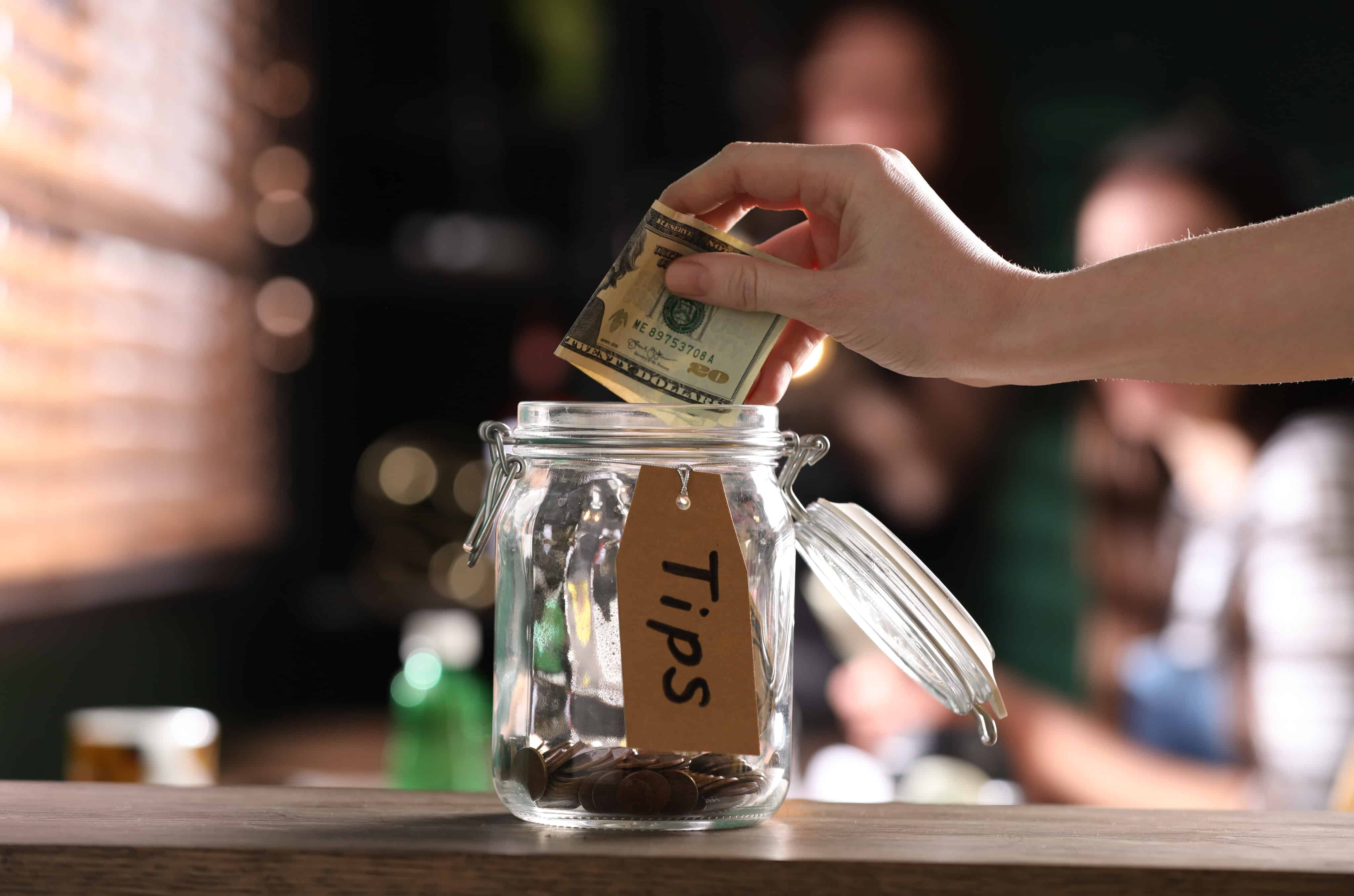
Around the holidays, tipping suddenly comes with moral sparkle. Envelopes for the mail carrier. Suggestions for the dog walker. Signs at salons reminding you to “spread cheer.” The season of giving can feel like a season of failing if you cannot match the unspoken standard.
Bankrate’s 2023 Holiday Tipping Survey found that 15 percent of Americans planned to tip more that season, while 13 percent planned to tip less, reflecting both generosity and strain.
The same pattern of mixed feelings shows up in broader Bankrate surveys, where large shares of people say tipping culture has gone too far, even as they continue to participate in it. The holidays magnify that contradiction, wrapping obligation in tinsel.
When “good service” becomes a moving target

Tipping used to be tied to something specific: a warm smile, a refill, an extra effort. Now, prompts appear even when the interaction lasts 15 seconds and involves no additional service at all. You are asked to grade a performance that never really happened.
Pew Research Center reports that a majority of diners now tip 15 percent or less for a sit‑down restaurant meal, with only a smaller share going higher. That pattern hints at quiet resistance to inflated expectations, especially when tip prompts show up in low‑touch settings.
When everything is framed as “good service,” the phrase starts to lose its meaning, and the tip becomes less about gratitude and more about defending your own budget.
The workers caught in the middle

Behind every tip line is a person whose paycheck depends on what button you choose. Many servers and baristas are trapped in a system they did not design, relying on strangers’ moods while the company keeps fixed costs low. The pressure shifts downward, from corporations to customers to workers.
Pew’s 2023 series on tipping highlights the “varied landscape of minimum wages and tip credits,” where some workers can legally be paid a lower base wage because tips are expected to make up the difference. Square’s 2025 data show average tip percentages slipping, meaning real workers are absorbing the shortfall as consumer fatigue grows. What looks like a polite thank‑you is often a patch for a structural pay gap.
The coming tipping backlash

There is a quiet mood shift in the air. People are starting to question not just how much to tip, but why the system leans so hard on their conscience in the first place. The etiquette of tipping is colliding with the economics of a squeezed middle class.
Bankrate’s 2025 survey found that nearly two in three Americans agree with statements like “tipping culture has gotten out of control” or “businesses should pay employees better instead of relying on tips.” Yet the same survey notes that tipping behavior has not collapsed, suggesting a lag between how people feel and how they act. Tipping is entering its awkward era, where politeness and protest share the same receipt.
Disclaimer – This list is solely the author’s opinion based on research and publicly available information. It is not intended to be professional advice.
Like our content? Be sure to follow us





