

A growing generational divide is changing how Americans think about money, success, and what is actually worth buying.
For many Baby Boomers, financial success was often measured through milestones like homeownership, new cars, fine furniture, formal dining rooms, and other visible symbols of stability and achievement. Many members of Gen Z, however, are entering adulthood in a very different economic environment shaped by high housing costs, student debt, inflation, and rapidly changing job markets.
As a result, younger consumers are increasingly prioritizing flexibility, affordability, experiences, sustainability, and financial resilience over some of the traditional status symbols that previous generations worked hard to attain. What once represented success can sometimes look like a financial burden to younger buyers navigating a very different reality.
These shifting priorities are reshaping entire industries and offering a revealing glimpse into how changing economic conditions influence what people value, purchase, and aspire to own.
Expensive Cable Television Packages
Older generations grew up flipping through hundreds of channels to find evening entertainment. Paying a massive monthly bill for networks you never watch feels completely absurd to younger consumers. They prefer to choose their content exactly when they want to watch it.
Streaming platforms provide the exact shows they want for a fraction of the cost. A recent Pew Research Center survey found that only 16 percent of adults under 30 currently receive television via cable or satellite. Why pay for constant commercial interruptions when commercial-free viewing is cheaper?
Fancy Formal Dining Rooms
Having a dedicated room just for eating was a huge status symbol for suburban families. Most young adults today prefer open floor plans where the kitchen flows right into the living space. They eat their meals on the couch or at a simple kitchen island.
Furniture like massive oak dining tables just takes up too much precious square footage. Young professionals moving to expensive cities simply do not have the extra space to waste on a room used twice a year. They prefer multifunctional furniture that can double as a desk or a casual eating area.
Natural Mined Diamonds
The classic jewelry industry spent decades convincing older buyers that a real diamond means true love. Younger buyers see the massive price tags and prefer to spend that cash on experiences or investments. They are highly aware of the environmental and ethical issues surrounding traditional mining.
Technology has advanced enough to create identical stones in a clean laboratory environment. CNBC says the Knot reported in 2025 that nearly 52% of couples choose laboratory-grown stones over natural ones. These alternatives look perfectly brilliant without the staggering financial burden attached.
Expensive New Luxury Cars

Buying a brand-new vehicle straight off the lot used to be the ultimate sign of making it. Younger people understand how quickly a new car loses value the second you drive it home. They view vehicles as simple transportation rather than a reflection of their personal worth.
Many are even ditching car ownership entirely in favor of public transit or ridesharing. Only 60.3% of 18-year-olds hold a driver’s license as of 2023. Spending thousands on a depreciating asset just seems like a terrible financial move.
Brand Name Designer Clothing
Boomers loved showing off expensive logos on their polo shirts and designer handbags. Modern shoppers prefer finding high-quality vintage items that nobody else has in their closet. They actively reject fast fashion and massive retail markups in favor of sustainability.
Thrifting has evolved from a budget necessity into a massive cultural phenomenon. eMarketer says the 2025 ThredUp Resale Report notes that nearly 68 percent of Millennial and Gen Z shoppers plan to buy secondhand apparel this year. Looking cool now means spending less cash and saving clothes from a landfill.
Exclusive Country Club Memberships
Joining a private club was historically the perfect way to network and socialize with peers. Younger generations find the steep initiation fees and rigid dress codes completely off-putting. They would rather pay for a flexible gym pass or a specialized fitness class.
The idea of paying thousands just to access a specific golf course feels incredibly outdated. They build their social networks online and in accessible public spaces instead. The strict rules and elite attitudes simply do not align with modern values of inclusivity.
Fine China And Crystal Glassware
Registering for a massive set of delicate plates was a standard wedding tradition for decades. Younger couples look at these fragile items and just see clutter that requires hand washing. They prefer durable and minimalist dishes that can actually survive a trip through the dishwasher.
Nobody wants to store heavy boxes of expensive plates in a cramped apartment. Everyday practicality always wins over dusty tradition for the younger and more mobile crowd. They would much rather have matching stoneware that looks great on a casual Tuesday.
Traditional Fine Dining Experiences
Getting dressed up to eat a tiny portion of food at a stuffy restaurant was a classic date night. Young adults care more about the flavor and the vibe than white tablecloths and snooty waiters. They prefer food trucks or hidden local spots with amazing reviews.
Save this article
High prices for a fancy atmosphere just do not compute for budget-conscious foodies. A 2025 YouGov survey noted that younger consumers spend significantly less on traditional dining out compared to previous generations. They would much rather grab some amazing street tacos and eat them in a nearby park.
Bulk Buying Groceries Wholesale
Having a garage filled with massive pallets of paper towels is a classic boomer dream. Younger people living in cities simply do not have the physical storage space for bulk toilet paper. They buy exactly what they need for the week to avoid any unnecessary food waste.
Warehouse club memberships often encourage you to spend more money than you originally planned. Shoppers often end up tossing out expired items because they could not finish a massive tub of mayonnaise. They prefer fresh ingredients over processed foods that sit in a pantry for three years.
Ironing Boards And Heavy Irons
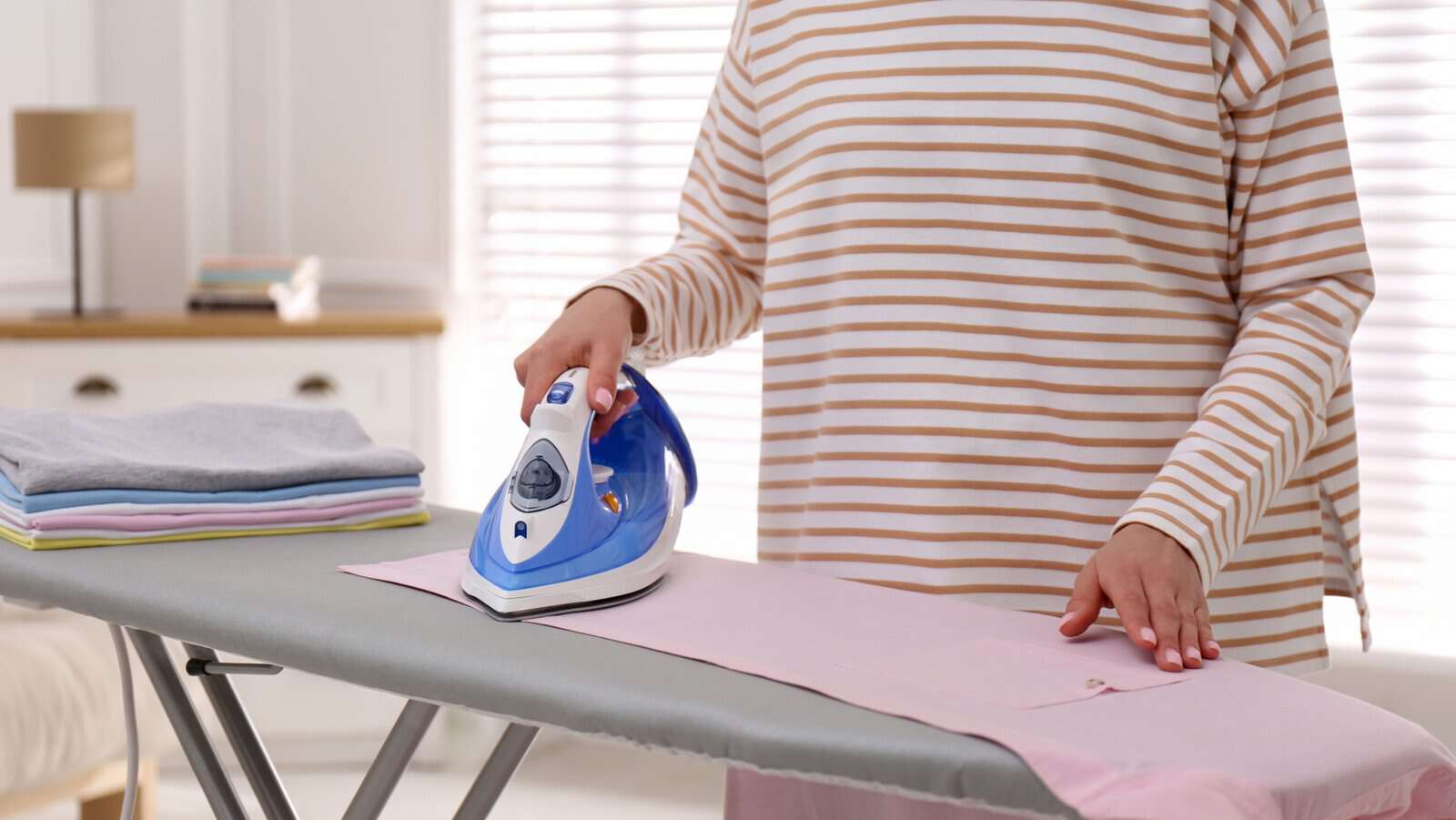
Spending Sunday afternoon pressing every single dress shirt was a completely normal weekend chore. Today’s fashion leans heavily into relaxed fits and fabrics that never wrinkle in the first place. A simple handheld steamer does the job in a fraction of the time.
Most young professionals do not even own a traditional iron or a bulky board anymore. They prefer to hang their clothes straight out of the dryer to avoid the hassle. The whole concept of stiff and creased pants feels incredibly rigid and uncomfortable now.
Restrictive Timeshare Vacations
Buying a week at the same resort every single year was a huge trend decades ago. Young travelers absolutely hate the idea of being locked into one destination for the rest of their lives. They want the freedom to explore a different country or city every time they take off.
The hidden maintenance fees make these properties a terrible long-term investment. Forbes reports that the average age of a new timeshare buyer is still nearly forty, completely bypassing Gen Z. They would much rather book a spontaneous weekend rental through a phone app.
Bulky Wooden Furniture Sets
Buying an entire matching bedroom set made of heavy oak was a major adult milestone. Young renters move around so frequently that hauling a massive dresser becomes a total nightmare. They prefer lightweight and modular pieces that can easily fit into a moving van.
The secondhand market is currently flooded with these giant wooden pieces that nobody wants. Minimalism is the preferred aesthetic for a generation that values space over material clutter. They mix and match different styles instead of buying everything from one specific showroom.
ore articles:
- 12 Reasons People Believe America Is Completely Falling Short
- 12 things that used to be free but now cost money
- 10 money habits boomers see as normal that can lead to financial trouble
Disclosure: This article was developed with the assistance of AI and was subsequently reviewed, revised, and approved by our editorial team.
Like our content? Be sure to follow us on Newsbreak.
8 subtle ways money stress shows up in your gut and your eating

Money stress is quietly reshaping how millions eat, sleep, and digest—often showing up first in their gut before their bank balance.
Money worries rarely stay neatly contained in your bank account or your budget spreadsheet. For many adults over 45, financial pressures from aging parents, grown children, housing costs, or healthcare bills spill over into sleep, mood, and everyday choices around food. You might notice that on the days when you are most anxious about bills, you feel more knotted up in your stomach, have more heartburn, or find yourself eating whatever is closest without really tasting it. Learn more.
12 reasons no country has ever run a truly “clean” economic experiment

The idea of proving one economic system right falls apart when reality refuses to stay still long enough to measure it
You and I live in an economic funhouse, not a clean laboratory. Charts look smooth, but real life keeps knocking the graph paper off the table. Since 1945, the U.S. alone has been through more than a dozen recessions, from postwar slumps to the Great Recession and the COVID shock, each one bending whatever “experiment” happened to be running at the time. Learn more.





