
At-home microbiome tests are booming, but the science behind them is too shaky to deliver the health answers people think they’re buying.
People are being sold the idea that a stool sample can unlock the secrets of digestion, energy, immunity, mood, and overall health. That sounds futuristic and deeply personalized, but the science is still far behind the marketing.
At-home microbiome kits can produce inconsistent results, lack clear clinical standards, and offer advice that is too vague to guide real care. For now, they are better at creating the feeling of insight than delivering reliable medical answers, especially for people hoping for a simple fix to complex digestive symptoms.
The promise sounds better than the science
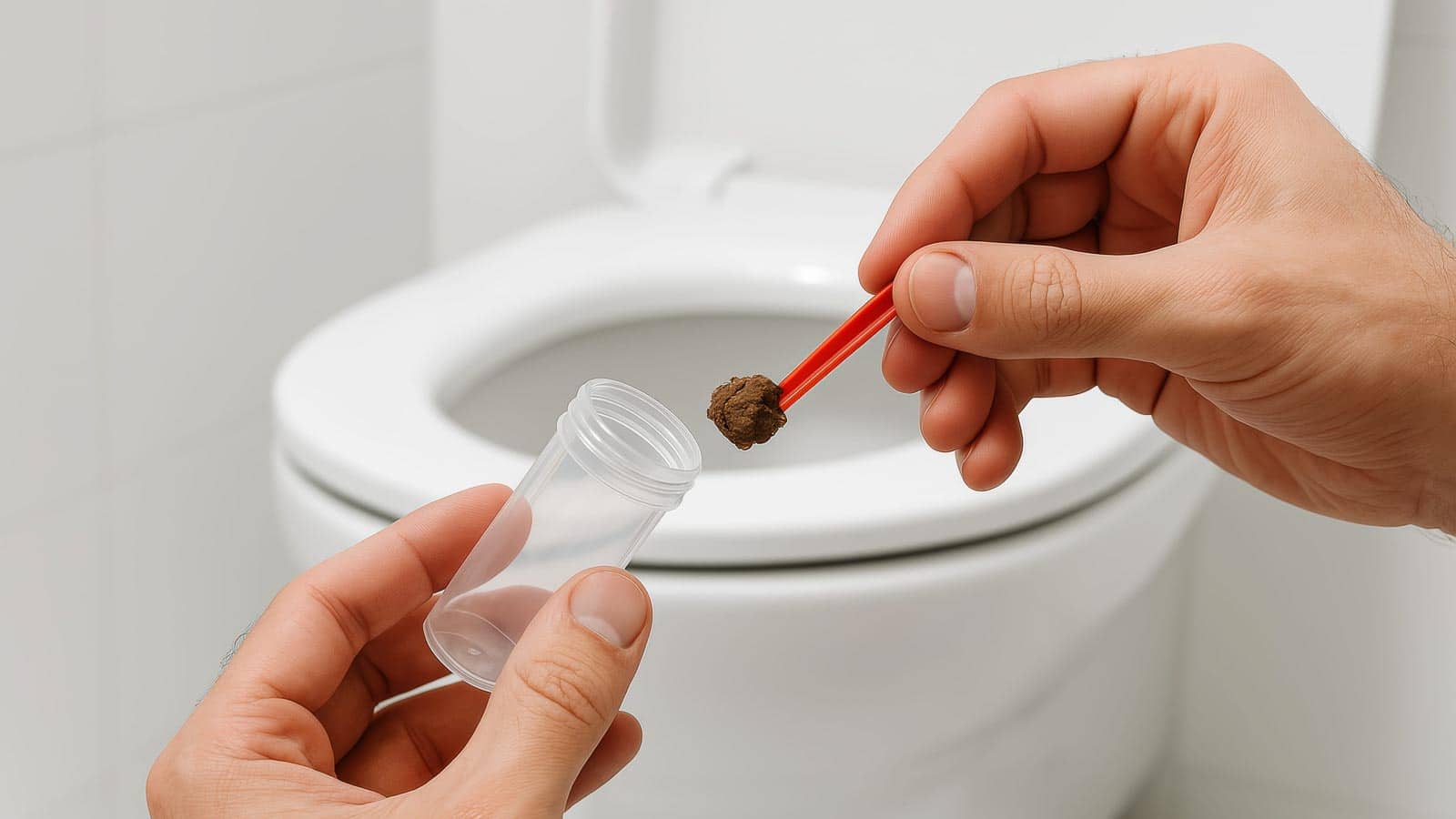
Microbiome test kits are sold with a compelling pitch: send in a stool sample and get a personalized roadmap to better digestion, more energy, and improved health. That is an attractive promise, especially for people who have already tried diets, supplements, and doctor visits without clear answers.
But the leap from sequencing bacteria to solving symptoms is much bigger than companies imply. Even researchers who study the microbiome caution that today’s consumer tests sit in a gray zone between wellness and medicine, with limited ability to guide real clinical decisions.
One sample, many answers
A major warning sign is inconsistency. Recent reporting on consumer kits found that the same stool sample can produce dramatically different results depending on which company tests it, and a 2026 study found major discrepancies across seven direct-to-consumer companies.
In one analysis, even the presence or absence of certain organisms changed from one report to another, which is a serious problem if a consumer is using the results to make health decisions. If the same sample cannot produce stable answers, the test is hard to trust.
No clear clinical standard
Another issue is that there is no universally accepted clinical benchmark for what a “healthy” microbiome should look like. Researchers say there are still too many unknowns in the field, including how to define normal ranges for microbiome composition and function across different people.
That means companies often have to invent their own scoring systems and interpretations. When each company creates its own rules, the results may sound scientific without being medically meaningful.
The gut is not one-size-fits-all
A healthy microbiome for one person may not look the same for another. Age, diet, medications, geography, illness, stress, and genetics can all shape the gut ecosystem in different ways.
That makes simplistic labels like “good,” “bad,” or “imbalanced” hard to defend. A stool report may look precise, but without strong clinical context it can oversimplify a system that is constantly changing and highly individual.
False confidence can be risky
The real danger is not just that the tests may be inaccurate. It is that they can create false confidence, unnecessary anxiety, or bad decisions. Experts have warned that these tests can produce false positives or false negatives, which may send consumers chasing supplements, restrictive diets, or unneeded “fixes”.
Some people may even delay proper medical care because they think the test has already explained their symptoms. That is a big problem when a person may actually need a doctor, not a stool score.
Why the marketing is so persuasive
Microbiome companies often frame their tests as a shortcut to personalization. They promise tailored diets, supplement suggestions, and insight into the “root cause” of gut problems.
But the current evidence does not support that level of certainty for consumer use. In fact, some clinicians argue that these tests are sold more as lifestyle products than as evidence-based medical tools, which makes the marketing much stronger than the science. That gap is where a lot of consumer disappointment begins.
Different labs, different methods
Part of the problem is that microbiome testing is not standardized. Companies use different collection methods, sequencing approaches, storage conditions, processing pipelines, and interpretation models.
Save this article
Those differences can change the output even if the starting material is the same. In practical terms, that means the test result may reflect the company’s workflow as much as your biology. When the method matters more than the message, the report loses a lot of value.
Not designed to diagnose disease
A lot of consumers assume these kits can identify the cause of symptoms or screen for disease. That is not what they are built to do.
Current expert commentary says direct-to-consumer microbiome tests cannot diagnose disease and should not be used to guide clinical decisions until there is a verifiable link between microbiome patterns and specific conditions. Even the best stool sample cannot turn a wellness product into a medical diagnosis.
The supplement-sales problem
There is also a conflict-of-interest problem in parts of the market. Some companies use test results to sell their own foods, supplements, or ongoing subscriptions, which raises questions about how independent the advice really is.
If a company profits from both the test and the recommended follow-up products, consumers should be skeptical about whether the recommendations are truly personalized or just monetized. That does not mean every company is dishonest, but it does mean buyers should read the fine print carefully.
Why people keep buying them
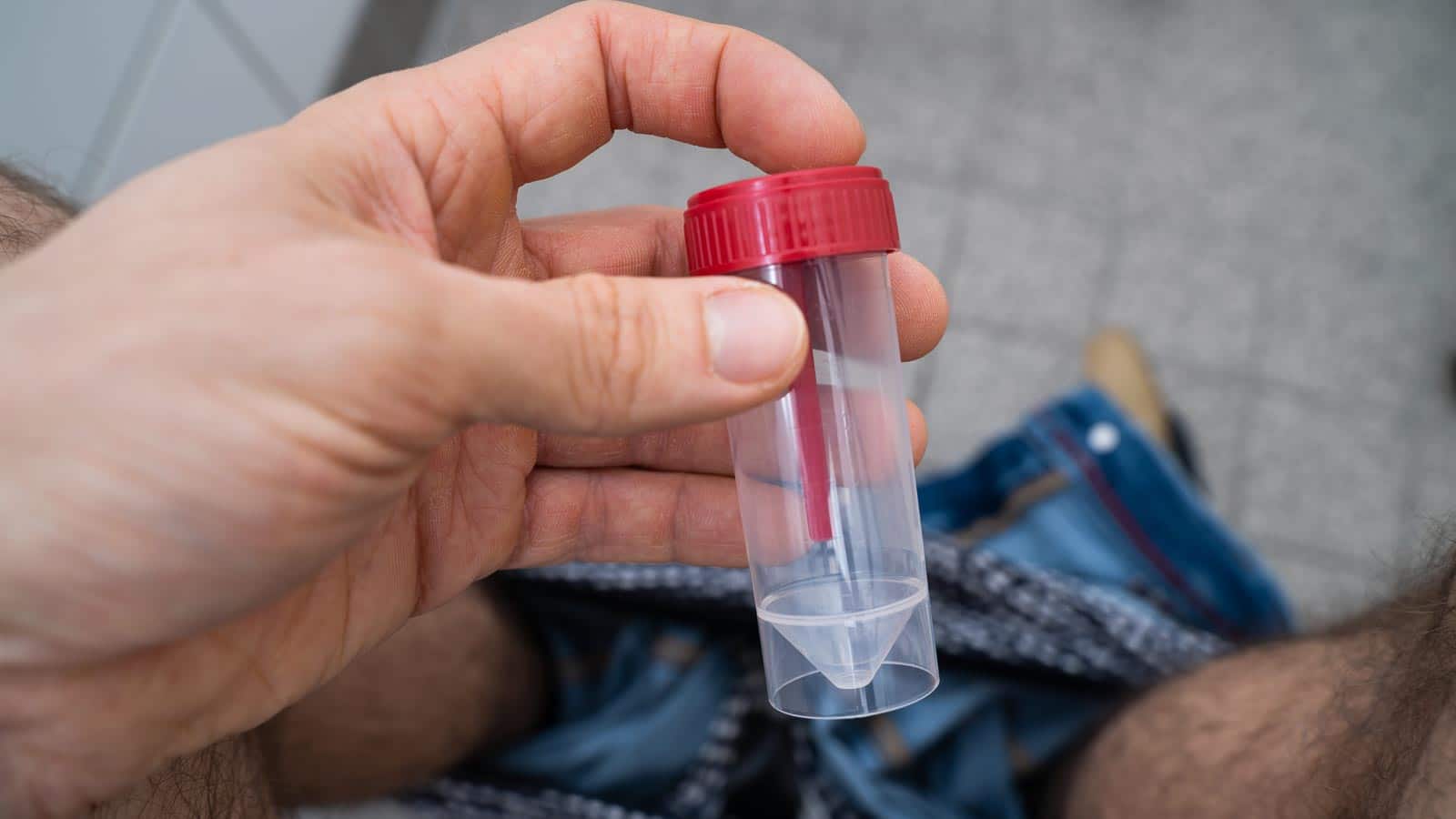
Even with all the limitations, these kits remain popular because they offer something people desperately want: answers. Digestive symptoms can be frustrating, embarrassing, and hard to pin down, so a detailed report feels comforting.
The trouble is that comfort is not the same as accuracy. When a test says your microbiome is “good” or “bad” but cannot reliably show what to do next, it can create the illusion of control without delivering real medical value.
Better ways to use microbiome science
The microbiome is still a fascinating and important area of research, but research is not the same as consumer-ready medicine. Experts say the field still needs better standards, stronger validation, and clearer links between microbial patterns and health outcomes before at-home kits can be trusted for diagnosis or treatment planning.
For now, the most useful microbiome guidance still comes from established care: symptom review, diet history, medication review, and proper medical testing when needed. That is less glamorous than a flashy stool report, but far more dependable.
What to remember
Home microbiome kits sound cutting-edge, but the evidence shows they are not ready to deliver the medical certainty many consumers expect.
Results can vary wildly from one company to another, there is no agreed-upon definition of a healthy microbiome, and the tests are not approved diagnostic tools in the U.S.. For now, these kits are better viewed as expensive curiosity products than as reliable health tools. Until the science catches up, the smartest answer is not to outsource your diagnosis to a stool box.
Disclosure: This article was developed with the assistance of AI and was subsequently reviewed, revised, and approved by our editorial team.
Like our content? Be sure to follow us on MSN and Newsbreak.
How Is IBS Diagnosed?

Irritable Bowel Syndrome (IBS) affects up to 15% of the global population, yet its diagnosis often feels elusive and frustrating. Statistics say that it often takes up to 6 years and visits with three or more healthcare providers to receive a diagnosis. Don’t become one of these statistics. Advocate for yourself. This article explains what you should be asking for from your medical doctor.
How is IBS Diagnosed? It starts with several tests, then the Rome IV criteria is considered, and working through the low FODMAP diet aided by a Monash trained Registered Dietitian—all of these used together—lead to an accurate diagnosis. Read on for particulars. Learn more.





