

Long before smartphones, AI, and pandemics became daily realities, a handful of predictions once dismissed as absurd ended up reshaping the modern world.
Some predictions are easy to believe, such as weather forecasts, election outcomes, or economic trends based on hard data. But every so often, someone makes a prediction so outlandish, so implausible, that it sounds more like science fiction than future fact. And then, shockingly, it comes true. These are the kinds of predictions that stick with us, not just for their accuracy, but for their boldness in the face of doubt.
Whether it’s the rise of artificial intelligence, the collapse of entire industries, or tech that changes how we live, the following predictions weren’t just lucky guesses. They were ahead of their time, often dismissed or ridiculed, until history caught up. Here are ten wild predictions that ended up hitting the bullseye.
Steve Jobs Predicted the Smartphone Revolution
Back in the early 1980s, Steve Jobs spoke of a future where technology would become personal, intuitive, and fit right in your pocket. It seemed optimistic at best, especially when computers were still the size of small desks. But Jobs had a clear vision for portable devices that would combine communication, media, and computing in one.
By 2007, the iPhone delivered exactly that. Today, smartphones have transformed the way we live, manage our finances, and even maintain our social lives. Jobs didn’t just predict a device; he predicted a lifestyle. And now, that device rarely leaves our hands.
Jules Verne Imagined the Moon Landing
More than a century before the first spaceflight, author Jules Verne envisioned humans being launched into space in his 1865 novel From the Earth to the Moon. He even described a launch site in Florida, a cannon-like spacecraft, and a splashdown in the ocean.
When NASA’s Apollo 11 mission unfolded in 1969, the similarities were uncanny. Modern engineers were amazed that a writer from the 19th century captured so many details accurately. Verne’s fiction anticipated one of the most iconic moments in human history.
Ray Kurzweil and the Rise of AI
In 1999, inventor and futurist Ray Kurzweil predicted that by the early 2020s, artificial intelligence would be capable of passing the Turing Test and be integrated into daily life. Back then, the thought of machines convincingly imitating human intelligence seemed years away.
Today, AI powers everything from virtual assistants like Siri and Alexa to predictive algorithms that help manage finances, insurance applications, and even emergency fund strategies. While full general intelligence hasn’t arrived, AI’s role in everything from customer service to autonomous vehicles proves Kurzweil wasn’t far off.
Mark Twain Saw the Internet Coming
Mark Twain wasn’t just a humorist; he also dabbled in tech speculation. In his 1898 short story From The ‘London Times’ of 1904, he described a “telectroscope,” a device that let people see events happening in real-time across the globe.
The concept closely mirrors modern live-streaming and video conferencing tools, such as Zoom or FaceTime. At the time, this seemed like pure fantasy. Yet, in today’s hyperconnected world, we regularly use video to connect for work, social events, or even to monitor real estate listings remotely. Twain was more than just witty; he was prescient.
The Simpsons Predicted President Trump
In a 2000 episode titled “Bart to the Future,” The Simpsons made what seemed like an outrageous joke. Lisa Simpson, as the newly elected president, casually mentions inheriting a broken economy from President Trump. It felt like classic satire—unrealistic and purely humorous.
Fast forward to 2016, and Donald Trump was elected president of the United States. The writers were just as surprised as anyone else. While the show is known for oddly accurate predictions, this one hit especially hard. From the economy to budgeting challenges, it reflected a moment of life imitating satire.
Arthur C. Clarke Anticipated Satellite Communication
In a 1945 article for Wireless World, science fiction writer Arthur C. Clarke outlined the concept of geostationary satellites, enabling global communication. At the time, launching objects into space wasn’t even a reality—Sputnik wouldn’t launch until 1957.
Today, satellites are the backbone of everything from GPS navigation to global broadcasting and managing expenses on the go. Clarke’s prediction not only came true, but it also earned him credit as the father of satellite communication. Without his vision, our world would be far less connected.
Bill Gates Warned Us About a Global Pandemic

In a 2015 TED Talk, Microsoft co-founder Bill Gates warned that the greatest threat to humanity wasn’t war, but a highly infectious virus. He emphasized the need for global pandemic preparedness, stating that we were not adequately prepared.
Five years later, COVID-19 swept across the globe, affecting over 700 million people and changing every aspect of daily life. From remote work to stockpiling medical supplies and adjusting debt priorities, the pandemic reshaped how societies function. Gates’ call for investment in health infrastructure seems painfully prophetic in hindsight.
Save this article
Elon Musk Predicted the Decline of Traditional Car Ownership
In interviews dating back to the early 2010s, Elon Musk claimed that in the future, people would treat cars more like services than possessions. His vision included fleets of self-driving Teslas that would be summoned via apps, much like Uber today.
Now, the concept of car subscription services and shared mobility is rapidly gaining traction. Cities are investing more in public transit, and Millennials and Gen Z are less likely to own a car or take out a mortgage, preferring flexible lifestyles. While full autonomy isn’t here yet, Musk’s prediction about changing ownership models is unfolding before our eyes.
Peter Schiff and the 2008 Housing Crisis
Economist Peter Schiff was ridiculed in the early 2000s for predicting a massive collapse of the housing market. He warned about excessive debt, risky subprime loans, and an overheated real estate sector, long before the bubble burst.
In 2008, the U.S. housing market experienced a significant downturn, triggering a global financial crisis. Millions lost their homes, banks failed, and unemployment soared. Schiff’s prediction, mocked at the time, became a case study in economic forecasting. Today, lessons from that crash still influence how we approach ETF investing, credit card management, and savings habits.
Nikola Tesla Envisioned Wireless Technology
Nikola Tesla, one of history’s greatest inventors, believed in the potential of wireless communication and energy transmission back in the early 1900s. In an interview from 1926, he said, “When wireless is perfectly applied, the whole Earth will be converted into a huge brain.”
Today, Wi-Fi, Bluetooth, and mobile networks have turned that vision into reality. Our entire financial ecosystem, from mobile banking to wireless insurance portals, is now powered by invisible signals. Tesla’s ideas were once considered mad science, but they now form the backbone of modern life.
More articles:
- Forget Coding: These 14 Remote Jobs Now Rival Tech Salaries in 2026
- 12 ways Gen X accurately foresaw the future
- Why future generations will struggle more than ever
Disclosure: This article was developed with the assistance of AI and was subsequently reviewed, revised, and approved by our editorial team.
Like our content? Follow us on Newsbreak
Fibonacci and the Future: How Ancient Math Powers Modern Technology

It’s wild to think that a math puzzle from the 1200s is now helping power AI, encryption, and the digital world we live in.
Every November 23, math lovers celebrate Fibonacci Day, a nod to the numerical sequence that begins 1, 1, 2, 3. At first glance, it seems like a simple progression. Each number is the sum of the two before it, creating a pattern that continues indefinitely. Yet this simple idea, first written down in 1202, has become a foundational principle across science, design, and technology. From digital encryption to artificial intelligence, the Fibonacci sequence is proof that even ancient math can power the modern world. Learn more.
Why Octopuses Could Hold the Key to Future Science and Medicine
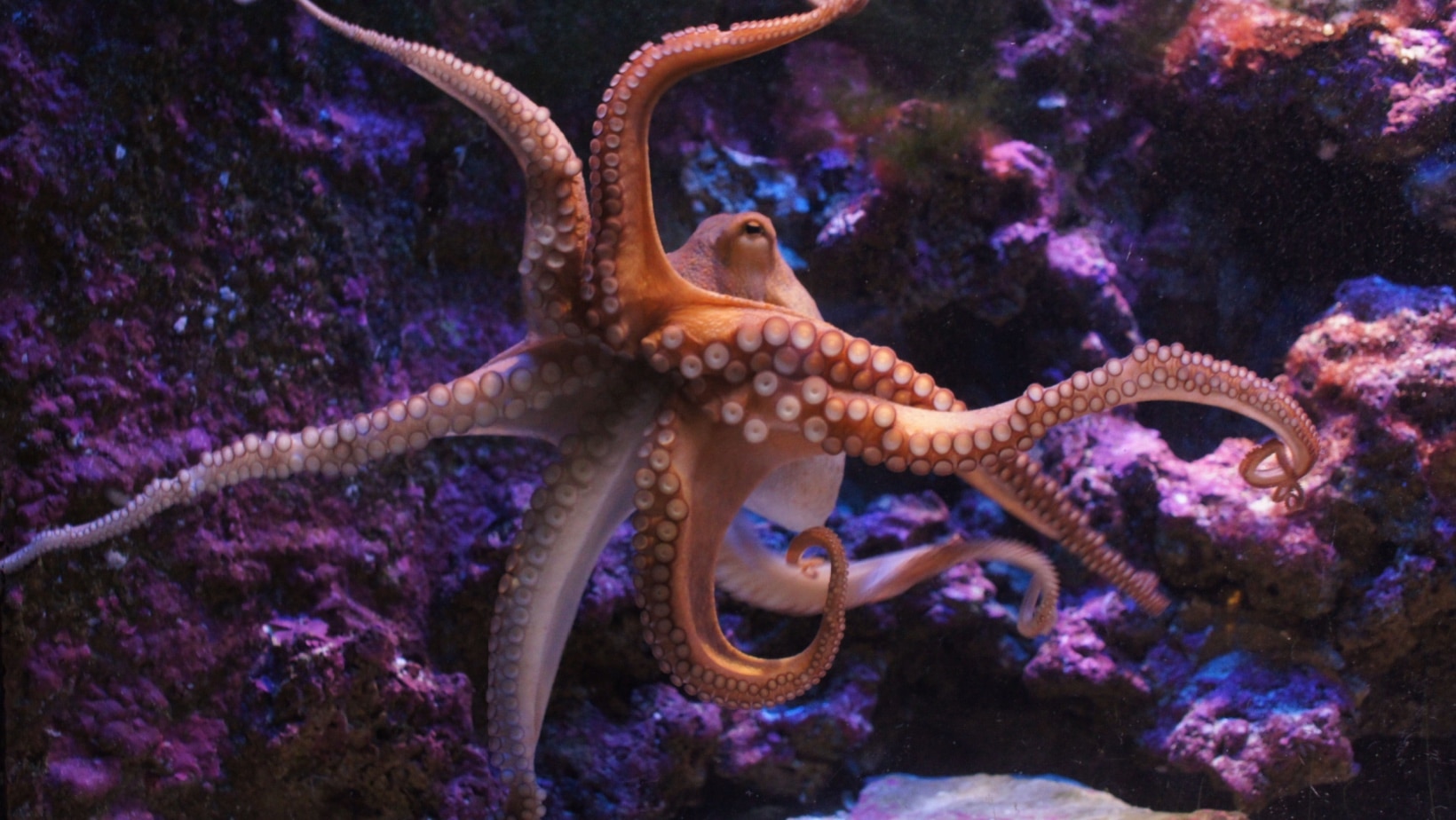
On World Octopus Day, researchers are revealing how this blue-blooded marvel could unlock breakthroughs in robotics, medicine, and even our understanding of consciousness.
On October 8, World Octopus Day reminds us that some of the ocean’s most mysterious creatures are not just fascinating to watch, they may also shape the future of human science and medicine. With three hearts, blue blood, and an intelligence that rivals many mammals, octopuses are already rewriting what we thought we knew about invertebrates.But researchers are also finding that these animals could hold practical secrets that inspire new technologies, improve medicine, and even change how we think about consciousness. Here are ten areas where octopuses could influence our future in surprising ways. Learn more.
15 childhood behaviors that could signal future problems

Childhood is a journey filled with emotions and experiences, but certain behaviors can signal deeper challenges. The National Institutes of Health reports that the prevalence of mental, behavioral, and developmental disorders in children in the United States rose from 25.3% to 27.7% between 2016 and 2021. That means nearly one in four children is grappling with issues such as anxiety, depression, or learning disabilities.
Experts emphasize the importance of recognizing initial signs to intervene promptly with necessary help and prevent a prolonged struggle. For parents and caregivers, recognizing these red flags early can make all the difference in a child’s well-being and future success. The road from childhood behavior to adult outcomes isn’t always direct, but trends show that some behaviors strongly predict later challenges. Eradicating the problem will involve awareness and early intervention so that children can have a brighter future. Learn more.





